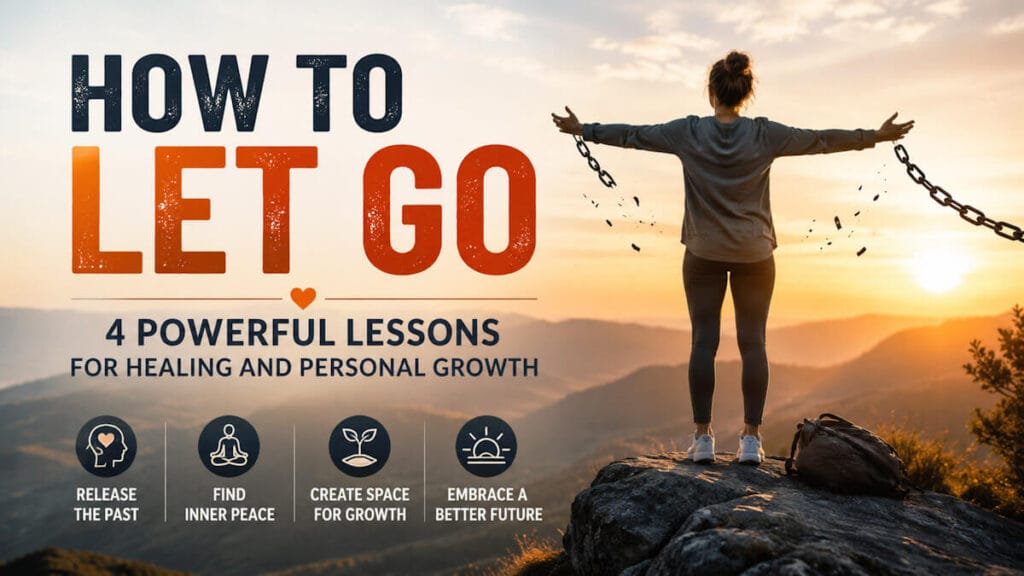
How to let go is one of the most valuable skills for living a happier and healthier life. Yet many people struggle with it. We hold onto painful memories, toxic relationships, regrets, disappointments, and fears because letting go feels uncomfortable or uncertain. Over time, these emotional burdens can drain our energy, affect our confidence, and prevent us from reaching our full potential.
The truth is that personal growth requires space. Just as a plant cannot thrive when its roots are restricted, people cannot flourish when they remain trapped by past hurts and negative experiences. Learning how to let go is not about forgetting what happened or pretending the pain never existed. It is about releasing the emotional weight that keeps you stuck and choosing to move forward with greater peace and clarity.
If you’ve ever wondered how to let go and move on, these powerful lessons can help you begin that journey. Learn the power of letting go and embracing freedom and positivity.
Why does learning how to Let Go Matters?
Many people underestimate the impact of holding onto emotional baggage. While some memories and experiences may seem harmless, unresolved emotions often influence our thoughts, decisions, and relationships in ways we don’t realize.
When we refuse to let go, we may experience:
- Increased stress and anxiety
- Difficulty trusting others
- Low self-confidence
- Emotional exhaustion
- Reduced personal growth
- Trouble focusing on future opportunities
Letting go allows you to redirect your energy toward healing, learning, and creating a better future.
Many of us carry invisible emotional baggage without realizing how much it influences our daily lives. Past mistakes, painful memories, and unresolved emotions can become heavy burdens that affect our confidence, relationships, and ability to embrace new opportunities. Recognizing these emotional weights is the first step toward letting them go.
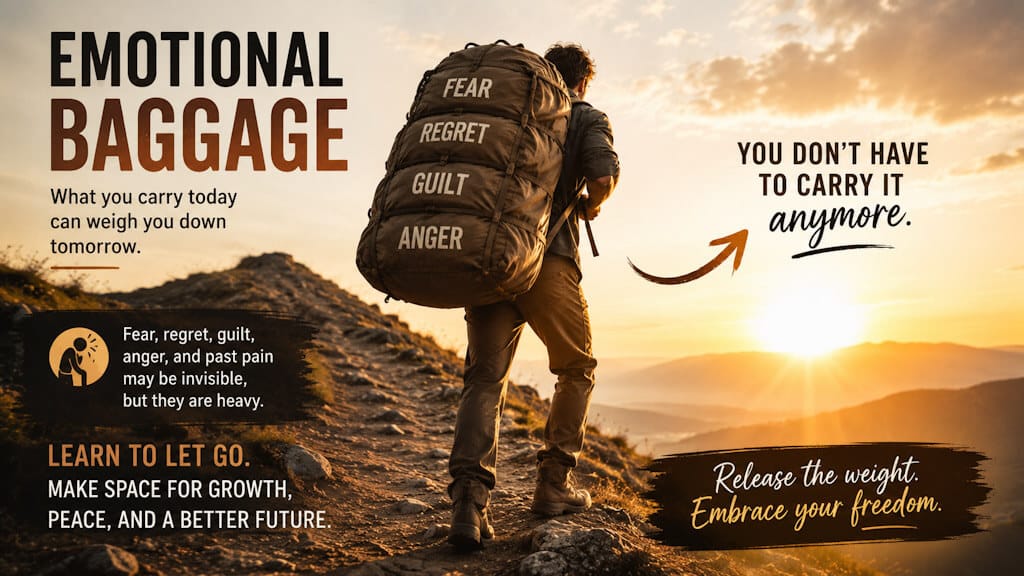
The good news is that emotional baggage doesn’t have to define your future. While you can’t change the past, you can choose how much power it holds over your present. Every step you take toward releasing fear, regret, guilt, or anger makes room for greater peace, healthier relationships, and lasting personal growth.
4 Powerful Lessons on How to Let Go
Looking for a simple visual summary? Save this Pinterest infographic to revisit whenever you need a reminder that healing begins with letting go. It highlights the four essential lessons from this article and offers practical inspiration for creating space for emotional healing and personal growth.
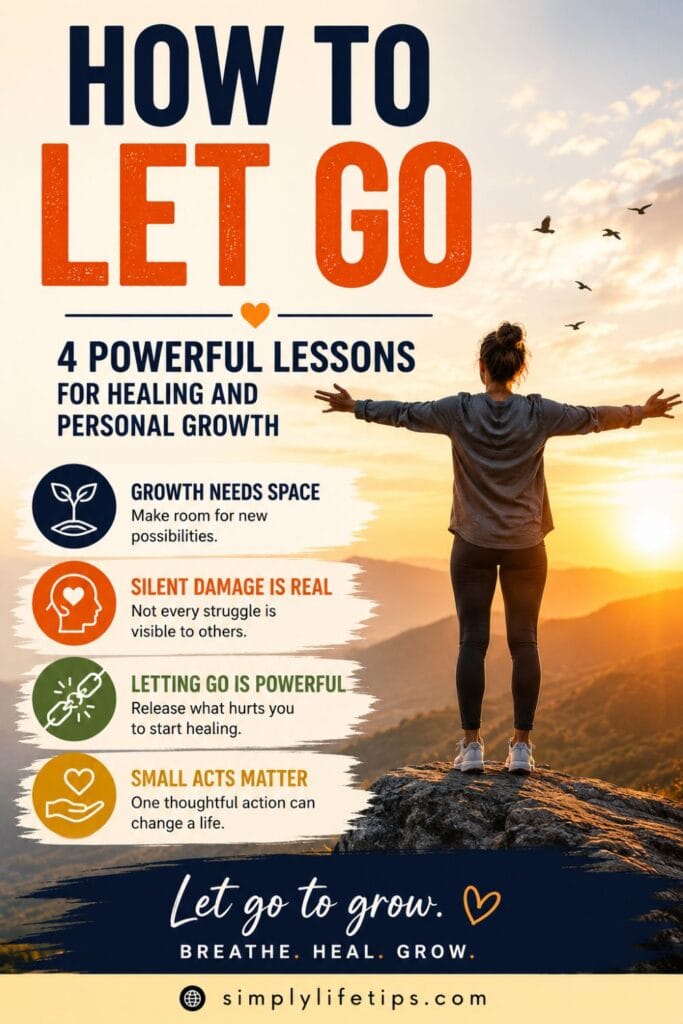
Remember, learning how to let go is a journey, not a one-time decision. Save this pin for future encouragement, and share it with someone who may need a reminder that releasing emotional burdens is often the first step toward a happier, healthier, and more fulfilling life. Small changes today can lead to remarkable growth tomorrow.
Lesson 1: Growth Requires Space
One of the biggest obstacles to personal growth is carrying too much emotional weight.
Many people want positive changes in their lives while continuing to hold onto old resentments, fears, and disappointments. Unfortunately, these unresolved emotions occupy mental and emotional space that could be used for growth. Several misconceptions about personal growth create unrealistic expectations and unnecessary frustration.
For example:
- Holding onto a past failure may stop you from taking new opportunities.
- Remaining angry at someone for years may rob you of peace.
- Constantly comparing yourself to others may prevent self-confidence from developing.
When you release what no longer serves you, you create room for new experiences, healthier relationships, and greater self-discovery.
How to Create Space for Growth?
Start by asking yourself:
- What am I still carrying from the past?
- Does this help me grow or keep me stuck?
- What would my life look like if I released this burden?
Honest reflection is often the first step toward freedom.
Lesson 2: Not All Emotional Pain Is Visible
Many people appear fine on the outside while struggling internally.
They go to work, smile in conversations, and fulfill daily responsibilities. Yet beneath the surface, they may be carrying grief, disappointment, guilt, or anxiety.
Emotional pain is a completely normal thing and hence should not add more negativity to it. Try to heal your emotional pain and don’t add more negativity to your mind.
This hidden pain can affect every area of life, including:
Relationships
Unresolved emotional wounds often make it difficult to trust, communicate openly, or form healthy connections.
Career Growth
Fear of failure or self-doubt can limit opportunities and prevent people from reaching their full potential.
Mental Well-Being
Holding onto negative emotions for long periods can contribute to chronic stress and emotional exhaustion.
Recognizing your own hidden struggles is an important part of learning how to let go. You cannot heal what you refuse to acknowledge.
Lesson 3: Letting Go Is Not the Same as Giving Up
One common misconception is that letting go means weakness or surrender.
In reality, letting go often requires tremendous courage.
It means accepting that:
- You cannot change the past.
- You cannot control other people’s actions.
- Some situations will never have the closure you hoped for.
- Certain relationships may no longer be healthy.
Letting go does not mean you approve of what happened.
It means you choose not to allow it to control your future.
Many people resist letting go because they believe it means giving up or admitting defeat. In reality, the opposite is true. Letting go requires courage because it means accepting what you cannot change while choosing to invest your time and energy in what truly matters. It’s not about quitting on life or abandoning your dreams—it’s about releasing the emotional weight that prevents you from moving forward.
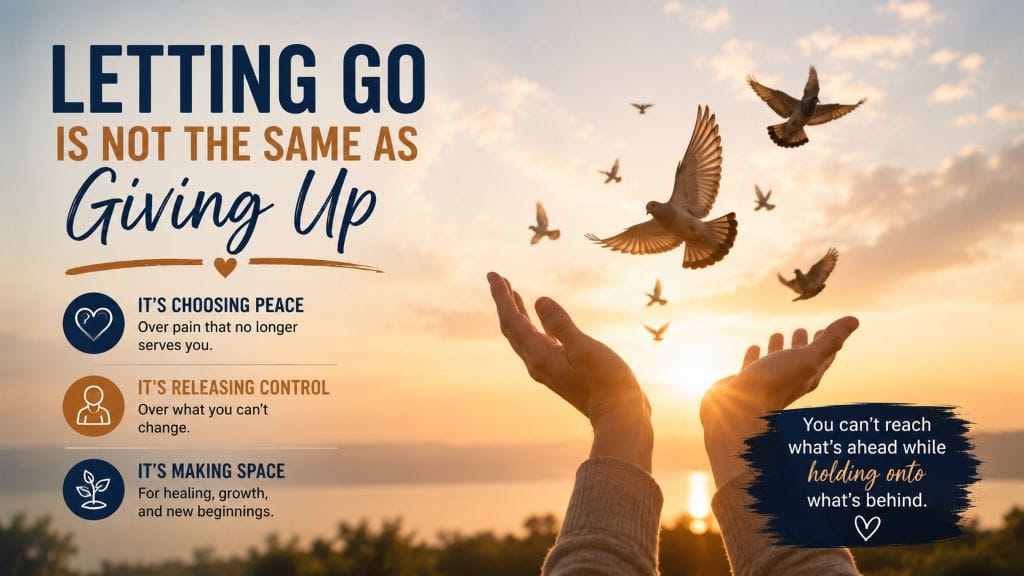
When you stop holding onto anger, regret, guilt, or unrealistic expectations, you create space for peace and possibility. Letting go allows you to focus on the present instead of being trapped by the past. It isn’t a sign that you’ve lost the battle; it’s a sign that you’ve chosen healing over suffering and growth over staying stuck.
Examples of Healthy Letting Go
- Forgiving yourself for a mistake after learning from it.
- Accepting the end of a relationship that no longer serves you.
- Releasing unrealistic expectations.
- Moving forward after a professional setback.
- Choosing peace over prolonged resentment.
These actions are signs of strength, not weakness.
Lesson 4: Small Changes Can Lead to Big Transformations
Many people think major life changes require dramatic action.
However, meaningful growth often begins with small decisions repeated consistently over time.
Examples include:
- Spending less time dwelling on past mistakes.
- Practicing gratitude each day.
- Setting healthier boundaries.
- Limiting contact with toxic influences.
- Seeking support when needed.
Each small step reduces emotional weight and increases personal freedom.
Over time, these actions create significant positive change.
Practical Strategies for Letting Go
Knowing how to let go is one thing. Practicing it is another.
Here are practical strategies you can start using today.
Understanding the importance of letting go is only the beginning. Real transformation happens when you take intentional steps to release emotional burdens and replace them with healthier thoughts and habits. Every positive choice, no matter how small, moves you closer to a life filled with greater peace, confidence, and personal growth.

Healing is rarely a straight path, and progress doesn’t happen overnight. There may be setbacks along the way, but each step forward brings new strength and perspective. As you practice these strategies, remember that letting go is not about losing part of yourself—it’s about making room for the person you’re becoming. Every step toward the light is a step toward a happier, healthier future.
Accept Your Emotions
Allow yourself to feel sadness, anger, disappointment, or grief without judgment. Suppressing emotions often prolongs suffering.
Focus on What You Can Control
You cannot change the past, but you can control your response to it. Direct your energy toward actions that improve your present and future.
Practice Self-Forgiveness
Everyone makes mistakes. Learn from them, make amends when necessary, and move forward without carrying endless guilt. Do you know the amazing benefits of forgiveness and self-forgiveness?
Set Healthy Boundaries
Protect your emotional well-being by limiting exposure to people and situations that consistently harm your mental health.
Embrace New Opportunities
Letting go becomes easier when you focus on what lies ahead rather than what has been left behind.
Signs You’re Ready to Let Go
You may be ready to move forward if:
- You’re tired of reliving the same painful memories.
- You want more peace and emotional freedom.
- You’re open to personal growth.
- You recognize that holding on is hurting you more than helping you.
- You feel ready to focus on the future rather than the past.
Recognizing these signs can mark the beginning of a healthier chapter in your life.
The Connection Between Letting Go and Personal Growth
Personal growth rarely happens while we remain attached to old pain.
Growth requires:
- Openness to change
- Emotional resilience
- Self-awareness
- Willingness to learn from experience
Every time you let go of something that limits you, you create more space for confidence, peace, happiness, and opportunity.
The process may not be easy, but it is often necessary for becoming the person you want to be.
Personal growth isn’t about becoming someone completely different—it’s about becoming the best version of yourself. Every time you release fear, resentment, guilt, or unrealistic expectations, you make room for greater peace, stronger relationships, and new opportunities. Before moving on, take a moment to reflect on this simple but powerful truth.
Healing doesn’t happen in a single moment; it happens through the choices you make every day. Each decision to release what no longer serves you is a step toward a lighter heart, a clearer mind, and a brighter future. Let this reminder encourage you to keep moving forward, one step at a time, with hope and confidence.
Conclusion
Learning how to let go is not about forgetting the past or pretending painful experiences never happened. It is about releasing the emotional burdens that prevent you from moving forward and living fully.
Whether you’re holding onto regret, resentment, fear, guilt, or disappointment, remember that healing begins when you stop carrying what no longer serves you. By creating space for growth, accepting your emotions, and focusing on the future, you can build a life that is lighter, healthier, and more fulfilling.
Sometimes the most powerful step forward is simply letting go.
Frequently Asked Questions
Why is it so difficult to let go?
Letting go is difficult because people often become emotionally attached to memories, expectations, relationships, or outcomes. Fear of change can also make moving forward challenging.
Does letting go mean forgetting the past?
No. Letting go means releasing the emotional hold the past has on you while keeping the lessons you learned.
How long does it take to let go of something?
The timeline varies for each person and situation. Healing is a process that may take weeks, months, or even years depending on the circumstances.
Can letting go improve mental health?
Yes. Letting go can reduce stress, anxiety, resentment, and emotional exhaustion while improving overall well-being.
What is the first step in learning how to let go?
The first step is recognizing what you’re holding onto and acknowledging how it affects your life. Awareness creates the foundation for healing and growth.

Mathukutty P V is a Blogger, YouTuber, and Content Writer and the founder of Simply Life Tips. After taking voluntary retirement in 2017, he embraced a free lifestyle focused on learning, personal growth, and sharing practical wisdom to help others live with more purpose and positivity.