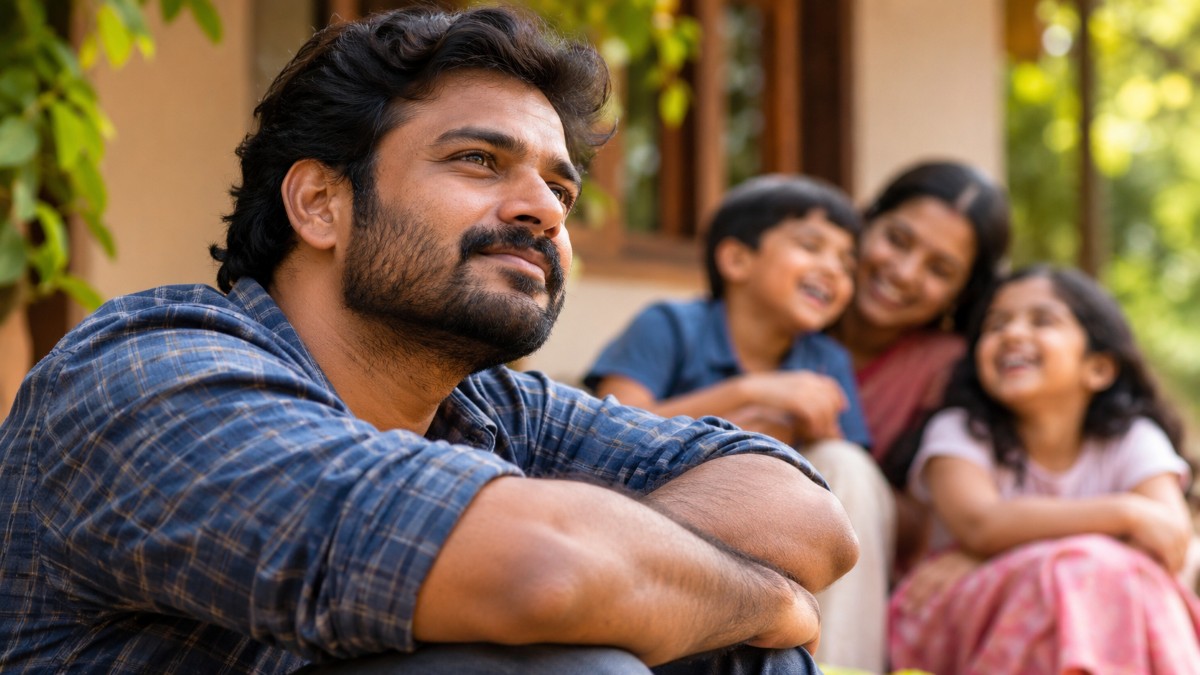
International Men’s Day, celebrated on November 19, is a reminder to recognise men’s contributions to their families and society and understand the challenges they face.
How many of us have stopped to ask the man who works tirelessly for his family, “Are you happy? Are you doing okay?”
Many men spend their lives working for the happiness, security and well-being of their families. As fathers, husbands, sons and brothers, they accept numerous responsibilities and often put their own dreams and desires aside.
While they try to make everyone around them happy, their own health, happiness and emotional struggles may go unnoticed.
A man may smile in front of his family while carrying worries deep inside. He may appear strong to everyone but sometimes feel lonely, exhausted and helpless.
This International Men’s Day, let’s look beyond a man’s responsibilities and understand the human being within him.
The Storm Within a Man: Who Understands His Silent Struggles?

Work pressure, financial responsibilities and worries about the future can create enormous stress in a man’s life.
Many men keep these concerns to themselves and continue smiling because they believe their families depend on their strength.
A father who loses his job may hide his worries because he does not want his children to feel insecure. A husband facing difficulties at work may remain silent because he does not want to bring additional stress into his home.
They sometimes fear that if they become weak, their families will also suffer.
But who understands the storm inside a man who tries to become a shelter for everyone else?
Even the person who supports an entire family needs someone to support him. He, too, deserves understanding, encouragement and a shoulder to lean on.
Many fathers quietly put their family’s needs before their own. Read more about the silent sacrifices of a father and the love behind these everyday sacrifices.
Who Protects the Man Who Protects Everyone?
Many men stand firmly against life’s challenges to protect their loved ones. They put aside their fears and difficulties to provide security and stability for their families.
But they are human beings, too. They can become tired, frightened, disappointed and emotionally overwhelmed.
A man who gives strength to everyone may sometimes need someone to hold his hand and say, “Don’t worry. I am with you.”
A loving conversation, a caring gesture or a simple expression of appreciation can make a meaningful difference.
Why should men always be expected to provide comfort without receiving it themselves?
Is a Man’s Silence Strength or Suppressed Pain?
Society often teaches boys and men certain expectations:
- Boys should not cry.
- Men should not show fear.
- Men must tolerate every difficulty.
- Men should never reveal their weaknesses.
These beliefs encourage many men to hide their emotions rather than express what they are experiencing.
Some men feel embarrassed to cry. Others hesitate to discuss their problems because they fear being judged.
However, hiding emotions does not necessarily make a person stronger. Unaddressed emotional difficulties can affect mental health, relationships, sleep and physical well-being.
According to the National Institute of Mental Health (NIMH), men in the United States are less likely than women to receive mental health treatment. This highlights the importance of making mental health support more accessible and encouraging men to seek help when needed.
True strength does not mean hiding every tear or pretending that nothing hurts.
It means recognising one’s feelings, expressing them honestly and seeking help when necessary.
Crying is not a weakness. Asking for support is not a failure. Men should be free to express their emotions without fear of judgment.
A Man’s Heart Needs Understanding, Not Criticism

Sometimes, a man does not need lengthy advice or lectures. He needs someone who listens without judging him.
Compare these two questions:
“What is your problem?”
“Whatever you are going through, I am here for you.”
The second statement offers comfort and reassurance.
A wife’s loving words, children’s affection and parents’ appreciation can help reduce a man’s emotional burden.
A simple question about his day, a genuine expression of gratitude or a few minutes of patient listening can make him feel valued.
Families should also create an atmosphere where everyone feels comfortable sharing problems. Sharing problems with family can help reduce emotional burdens and strengthen relationships.
At the same time, men should recognise women’s sacrifices, dreams and struggles. Women also deserve appreciation, understanding and support.
A happy family is not one in which a single person silently tolerates every difficulty. It is one in which everyone supports one another.
Does Being a Good Man Mean Always Acting Strong?
A man’s worth should not be measured only by his income, authority or physical strength.
A genuinely good man is someone who can:
- Accept his mistakes and take responsibility.
- Express love and affection without embarrassment.
- Respect other people’s feelings.
- Treat women with dignity.
- Share family responsibilities.
- Apologise when he hurts someone.
- Ask for help when he faces difficulties.
Strength is not about controlling others or hiding vulnerability. It is about kindness, responsibility, honesty and understanding.
Men should not feel that they must carry every family responsibility alone.
A family is not a burden that one person must carry on his shoulders. It is a shared life that everyone should build together.
Being a good father is not about authority or strictness; it is about patience, understanding and emotional strength. Learn more about how a strong father leads with love and patience.
Is a Man’s Worth Determined by His Income?
Consider a man who works for years to provide financial security for his family.
He earns a good salary, pays household expenses, supports his children’s education and takes care of his family’s needs.
His efforts are appreciated because he provides financial stability.
But what happens when he loses his job?
Does he lose only his income, or does he also lose his value and respect within the family and society?
Some men experience a loss of confidence and recognition when they face unemployment, financial difficulties or retirement.
Their years of hard work may be forgotten, and their emotional struggles may go unnoticed.
A man’s worth is not determined by the money he brings home. His love, guidance, kindness, commitment and contributions to family life are equally important.
Families should make men feel valued even when they are unable to earn or provide financially.
Respect should never depend entirely on economic success.
Men’s Mental Health: A Silent Struggle Society Must Recognise
Men’s mental health deserves greater attention and understanding.
Financial pressures, workplace stress, relationship difficulties and social expectations can affect men’s emotional well-being.
Unfortunately, some men hesitate to discuss their mental health concerns because they fear being judged as weak or incapable.
Others may not recognise their emotional difficulties until they begin affecting their sleep, relationships, work or daily lives.
Depression and anxiety are not signs of personal failure. They are genuine health concerns that deserve understanding and appropriate treatment.
According to the United Nations’ Sustainable Development Goals Report 2026, the global suicide death rate among men was 12.4 per 100,000 people in 2021, compared with 5.9 among women. This shows why greater attention to men’s mental health and suicide prevention is important.
Families and communities should pay attention to changes in behaviour, persistent sadness, withdrawal and expressions of hopelessness.
Listening without judgment, encouraging professional support and maintaining meaningful relationships can make a difference.
Never assume that a man’s silence means he is happy or emotionally comfortable. Sometimes, it hides a struggle he does not know how to express.
For more information, read the National Institute of Mental Health’s guide to men and mental health.
What Does International Men’s Day Teach the Next Generation?
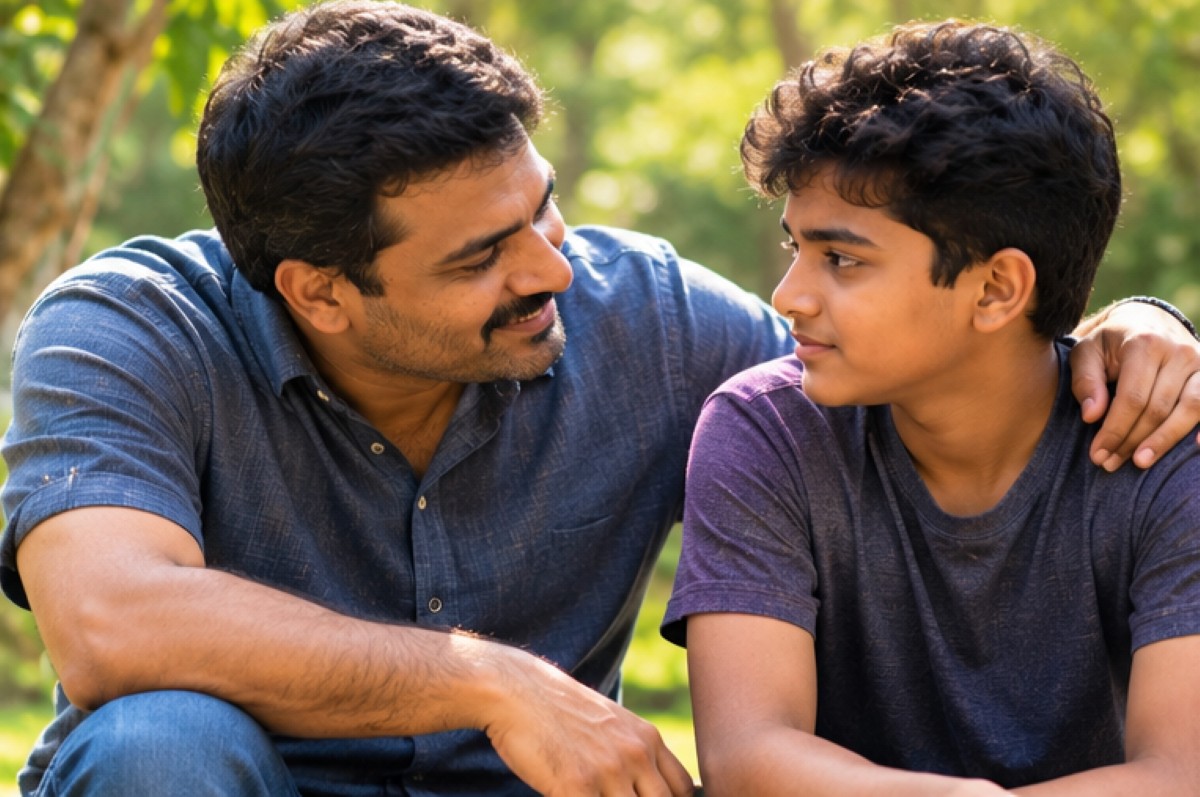
The way we raise boys today will influence the husbands, fathers, brothers and men they become tomorrow.
Boys should be taught to become confident and responsible while also learning to express their emotions.
We should teach them that:
- Crying is a natural human response.
- Expressing emotions is healthy.
- Asking for help requires courage.
- Women deserve respect and equality.
- Household responsibilities should be shared.
- Mistakes should be acknowledged rather than hidden.
- Kindness and compassion are signs of strength.
For example, when a boy cries after losing a game, parents should not tell him to behave like a man. Instead, they should help him understand his disappointment and encourage him to express his feelings.
When a boy sees his father sharing household responsibilities and treating his mother with respect, he learns important lessons about equality and family life.
Teaching boys to express emotions and respect others helps them develop healthier relationships as adults.
Read more about raising respectful sons and the importance of teaching boys empathy, responsibility and emotional maturity.
A father’s actions and values can influence how his son understands responsibility, kindness and family relationships. Explore this father-son bond and the wisdom passed between generations.
Men Who Live for Their Families Should Not Forget Themselves

Many men dedicate their lives to their families and sometimes neglect their own health, happiness and personal ambitions.
They postpone medical check-ups, ignore exhaustion, sacrifice their hobbies and rarely take time to relax.
But self-care is not selfishness.
Men also deserve:
- Adequate rest and quality sleep.
- Regular physical activity and healthy food.
- Time for hobbies and personal interests.
- Meaningful friendships and social connections.
- Opportunities to pursue their dreams.
- Emotional support when facing difficulties.
Taking care of physical and mental health helps men live healthier and more satisfying lives.
A man does not have to sacrifice his entire identity to prove his love for his family.
Men need more than recognition for their responsibilities and sacrifices. They also need love, understanding and emotional support. Here are six simple ways we can make the men in our lives feel valued and cared for.
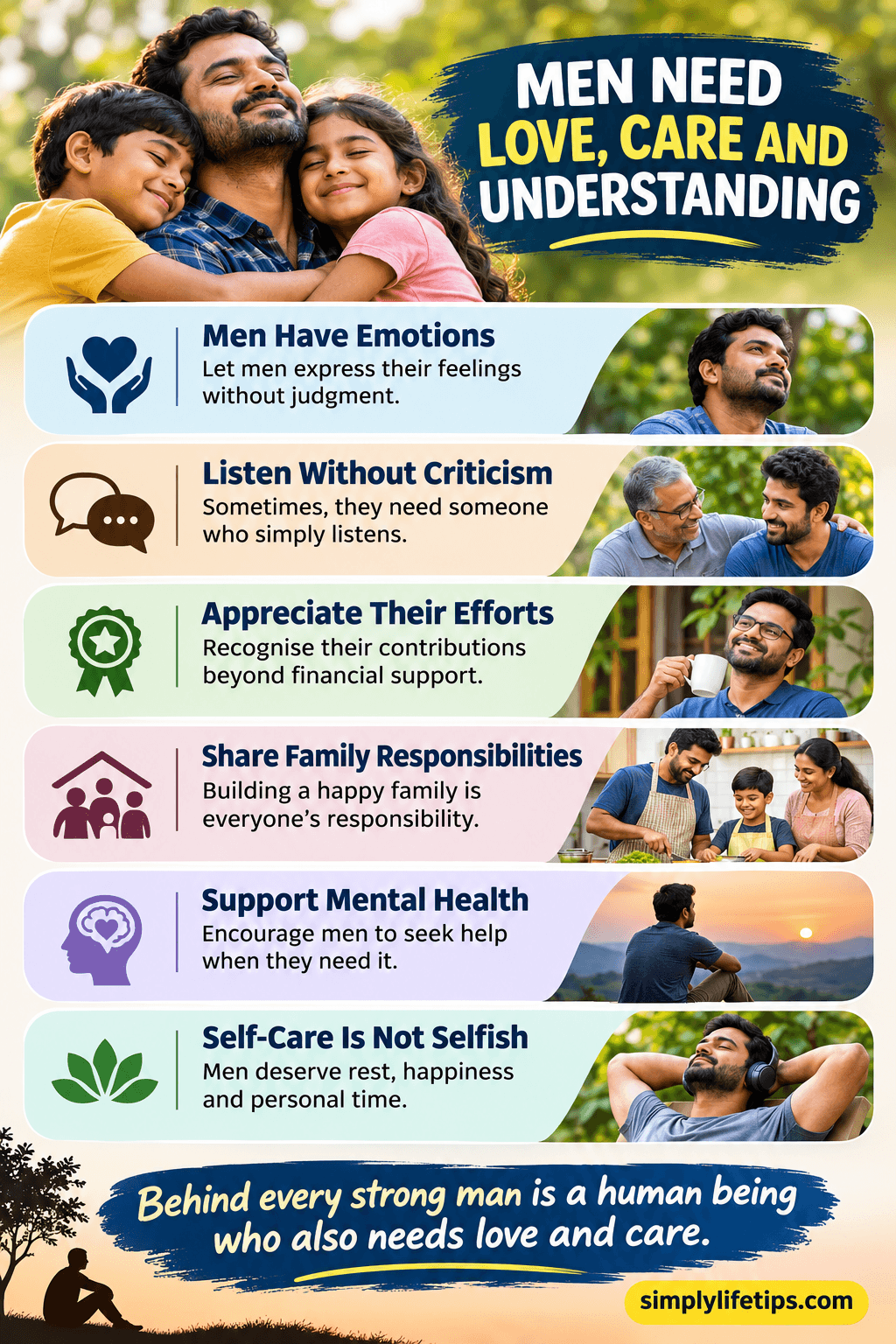
Remember, supporting men’s emotional well-being is not a one-day responsibility. It begins with everyday kindness, understanding and appreciation within our families and society.
A Message to Society on International Men’s Day
This International Men’s Day, let us make a sincere effort to understand the men around us.
Do not expect men to remain strong all the time. Try to recognise the pain behind their silence and the worries hidden behind their smiles.
Appreciate their contributions. Recognise their sacrifices. Listen to their concerns without criticism. Give them opportunities to express their feelings and seek support.
Encourage men to share responsibilities rather than expecting them to handle everything alone.
At the same time, recognising men’s struggles should never mean overlooking women’s challenges. Both men and women deserve respect, understanding and emotional support.
A happy family is not one in which one person silently carries every burden. It is one in which everyone shares responsibilities and supports one another.
Remember, the most beautiful way to help a man become a better person is to love and respect the human being within him.
Happy International Men’s Day to all the wonderful men!
Conclusion
International Men’s Day is more than a celebration of men’s contributions. It is a reminder that men also have emotions, dreams, fears and struggles that deserve recognition.
Behind every responsible father, loving husband, caring son and supportive brother is a human being who sometimes needs understanding, appreciation and affection.
Let us build a society where men do not have to hide their tears to prove their strength, where family responsibilities are shared and where emotional well-being is valued as much as financial security.
A man deserves to be loved not just for what he does for others, but for who he is.
This International Men’s Day, take a moment to ask the men in your life:
“Are you happy? Is everything okay? Is there anything I can do for you?”
Sometimes, a simple question asked with genuine care can mean more than a thousand words.
What can we do to make the men in our families feel more loved, valued and emotionally supported?
Frequently Asked Questions About International Men’s Day
1. When is International Men’s Day celebrated?
International Men’s Day is celebrated every year on November 19. It provides an opportunity to recognise men’s contributions to families and society and promote men’s health and well-being.
2. Why is International Men’s Day important?
International Men’s Day encourages conversations about men’s mental health, emotional struggles, social responsibilities and family relationships. It also promotes positive role models, appreciation and mutual respect.
3. Why is men’s mental health important?
Men’s mental health is important because stress, anxiety, depression and other emotional difficulties can affect their relationships, physical health, work and quality of life. Men deserve understanding and appropriate mental health support.
4. Why do some men hide their emotions?
Traditional social expectations often teach men that they must always appear strong. Fear of criticism, embarrassment and social judgment can discourage them from expressing their feelings or seeking help.
5. How can families support men’s emotional well-being?
Families can support men by listening without judgment, appreciating their contributions, sharing responsibilities, encouraging open communication and helping them seek professional support when necessary.
References
- National Institute of Mental Health – Men and Mental Health
- United Nations – Sustainable Development Goals Report 2026, Goal 3

Mathukutty P. V. is the founder of Simply Life Tips. He shares practical advice and useful insights on personal growth, health, well-being, technology, and everyday living. His goal is to help readers build positive habits and make informed decisions. He believes in continuous learning and sharing knowledge to help people live healthier, happier, and more meaningful lives.