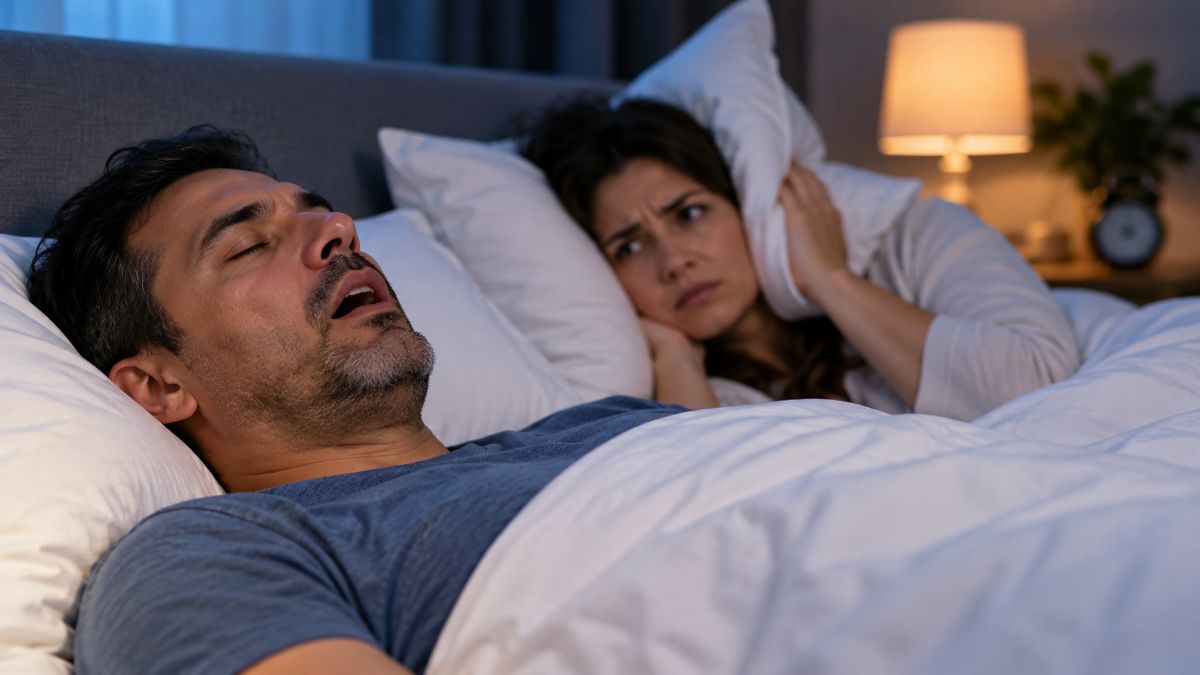
Snoring and sleep apnea are closely related, but not everyone who snores has a sleep disorder. While occasional snoring is common, loud and persistent snoring accompanied by breathing pauses, gasping, or excessive daytime sleepiness may indicate a condition that deserves medical attention.
Have you ever heard someone say, “He sleeps so soundly that the whole house can hear him snore”? This familiar observation can be misleading. A person may appear to sleep throughout the night while experiencing repeated interruptions in breathing.
Understanding the difference between ordinary snoring and obstructive sleep apnea can help you recognize warning signs and seek appropriate care. Let us explore why snoring happens, how sleep apnea affects health, and what you can do to support better sleep.
Is Snoring a Sign of Good Sleep or Sleep Apnea?
No. Snoring does not necessarily mean that a person is enjoying deep, restful sleep.
Snoring produces a rough or vibrating sound when air moves past relaxed tissues in the upper airway during sleep. The sound may be occasional and harmless, or it may be associated with an underlying breathing problem.
For example, someone might snore after having a cold, drinking alcohol, or sleeping on their back. The snoring may disappear when the temporary cause improves or the sleeping position changes.
However, another person may snore loudly every night, with periods of silence followed by gasping or choking sounds. This pattern can be a warning sign of obstructive sleep apnea.
The important distinction is that snoring alone cannot establish whether someone has sleep apnea. Other symptoms and, when appropriate, a sleep study help determine whether a sleep-related breathing disorder is present.
Common Causes of Snoring and Sleep Apnea
Snoring usually occurs when the flow of air through the upper airway becomes turbulent and makes surrounding soft tissues vibrate.
During sleep, muscles in the throat relax. If the airway becomes narrower, the movement of air can produce the familiar snoring sound.
Several factors may contribute to snoring.
1. Sleeping on Your Back
When you sleep on your back, gravity can encourage the tongue and surrounding soft tissues to move backward, narrowing the airway in some people.
For example, a person who snores while lying flat on their back may notice less snoring when sleeping on their side. This is known as positional snoring.
Changing sleeping position may help, but it does not reliably treat every cause of snoring or obstructive sleep apnea.
2. Excess Body Weight
Excess body weight can contribute to narrowing of the upper airway and increase the likelihood of snoring or obstructive sleep apnea in some people. For those who may benefit, gradual weight management through balanced nutrition and regular physical activity can help improve symptoms. However, sleep apnea can also affect people across a range of body sizes.
3. Nasal Congestion and Allergies
A blocked nose caused by a cold, allergies, or structural problems can make breathing during sleep more difficult and contribute to snoring.
If nasal congestion is persistent, identifying and addressing its cause may help. Avoid assuming that every case of snoring originates in the nose.
4. Alcohol and Certain Medicines
Alcohol can relax the muscles of the upper airway and make snoring or sleep apnea worse. Its effects may be more noticeable when consumed close to bedtime.
Some sedatives and sleeping medicines can also affect breathing during sleep. Do not stop prescribed medication on your own; ask your healthcare professional whether it could be contributing to the problem.
5. Sleep Deprivation
Not getting enough sleep can affect the body’s normal sleep processes and may contribute to worse snoring in some people.
Maintaining a regular sleep schedule and allowing enough time for sleep supports overall health. However, persistent loud snoring should not be attributed to tiredness alone.
What Is Sleep Apnea? Understanding OSA
Obstructive sleep apnea (OSA) is a sleep-related breathing disorder in which the upper airway repeatedly becomes partially or completely blocked during sleep.
When the airway closes or narrows significantly, airflow decreases or stops temporarily. The body’s response may briefly interrupt sleep so that normal breathing can resume.
These events can happen repeatedly throughout the night. As a result, someone may spend many hours in bed but still wake feeling tired.
A person with OSA may not remember waking up repeatedly. A partner or family member may be the first to notice loud snoring, pauses in breathing, or sudden gasping sounds.
Sleep apnea is not diagnosed by snoring alone. A healthcare professional evaluates the symptoms and may recommend a sleep study.
5 Warning Signs of Snoring and Sleep Apnea
Recognizing possible symptoms is an important step toward seeking appropriate care.
1. Loud, Persistent Snoring
Frequent loud snoring may be associated with obstructive sleep apnea, particularly when it is interrupted by periods of silence.
Not everyone who snores has OSA, but persistent loud snoring deserves attention when other symptoms are present.
2. Pauses in Breathing During Sleep
A partner may notice that the person appears to stop breathing for short periods before suddenly snorting, gasping, or starting to breathe again.
These witnessed breathing pauses are an important reason to seek medical assessment.
3. Gasping or Choking at Night
Some people wake suddenly feeling as though they need to catch their breath. Others make choking or snorting sounds without fully remembering the episode.
Repeated episodes should not be dismissed as ordinary snoring.
4. Excessive Daytime Sleepiness
A person may sleep for what seems to be a full night and still struggle to stay alert during the day.
They might feel sleepy while reading, watching television, working at a desk, or travelling as a passenger. Daytime sleepiness has several possible causes, but when it occurs alongside loud snoring, sleep apnea should be considered.
If you feel sleepy while driving, do not continue driving. Pull over safely and arrange another way to travel.
5. Morning Headaches and Difficulty Concentrating
Some people with sleep apnea experience morning headaches, dry mouth, poor concentration, irritability, or difficulty remembering information.
These symptoms are not specific to sleep apnea and can occur for other reasons. A combination of symptoms may help a healthcare professional decide whether further assessment is needed.
The following infographic highlights five warning signs of obstructive sleep apnea, along with possible health effects, helpful lifestyle measures, and available treatment options. Recognizing these signs can help you understand when persistent snoring may need medical attention.
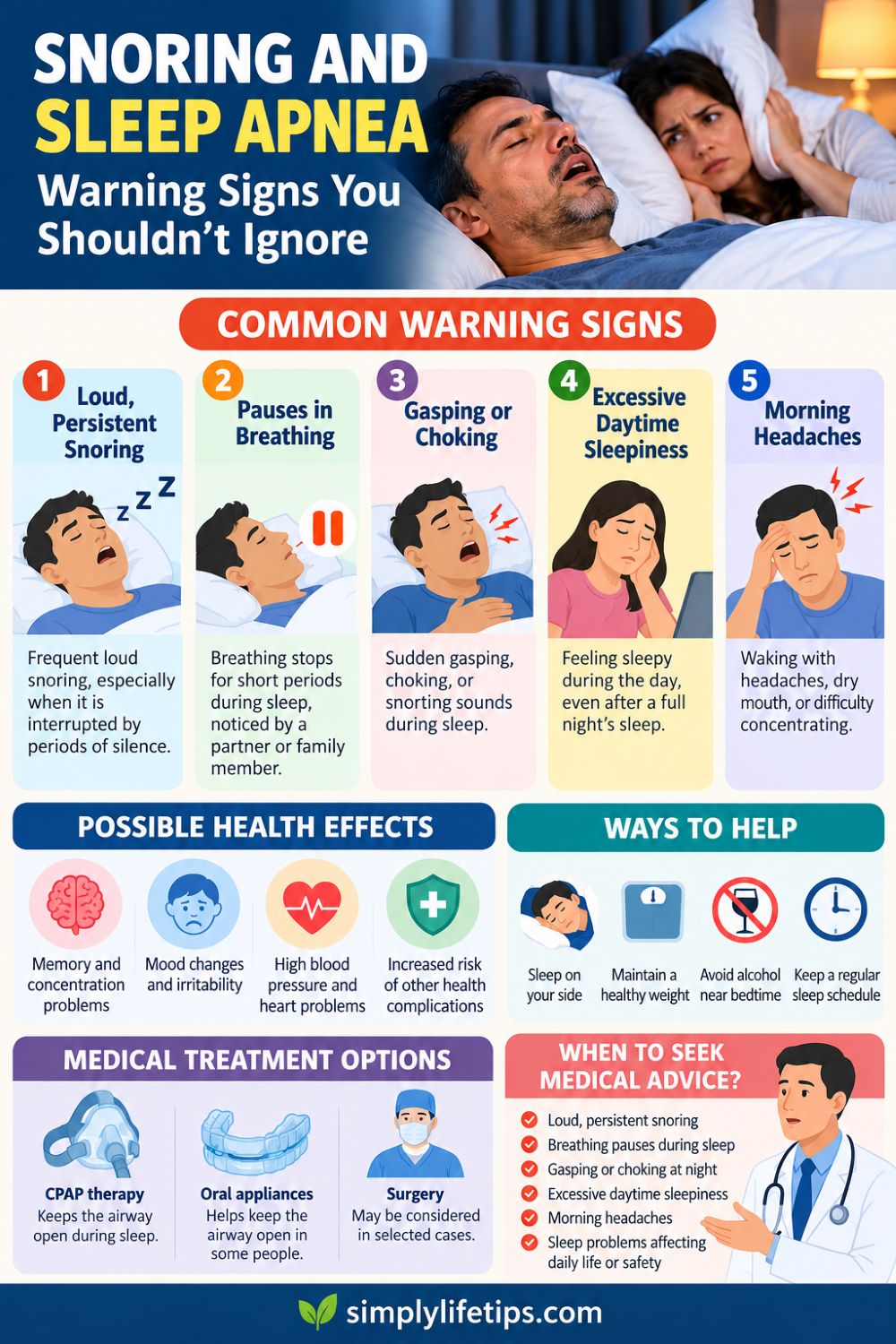
Remember, snoring does not always mean you have sleep apnea. However, loud persistent snoring, pauses in breathing during sleep, gasping, or excessive daytime sleepiness should not be ignored. Consult a qualified healthcare professional if you notice these symptoms. A proper assessment can help determine whether a sleep study is needed.
Health Effects of Snoring and Sleep Apnea
Sleep supports attention, memory, emotional regulation, and normal daily functioning. When breathing repeatedly becomes disrupted during sleep, the resulting sleep fragmentation can affect how alert and rested a person feels.
Effects on Attention and Memory
Repeated sleep interruptions may make it harder to concentrate, learn new information, and respond quickly.
For example, a person might struggle to follow conversations, make more mistakes at work, or feel mentally exhausted despite spending enough time in bed.
These difficulties can have several causes, so people should not automatically attribute them to sleep apnea without an appropriate assessment.
Effects on Mood and Emotional Well-Being
Poor-quality sleep can contribute to irritability, low energy, and difficulty managing everyday stress. People experiencing persistent sleep problems may also find that their relationships and daily routines suffer.
If you are interested in the wider connection between sleep and emotional well-being, read our guide to sleep disorders and their effects on mental health.
High Blood Pressure and Cardiovascular Risks
Obstructive sleep apnea is associated with high blood pressure and an increased risk of cardiovascular problems. Repeated breathing interruptions and changes in oxygen levels can place stress on the body.
Untreated OSA is also associated with an increased risk of other health complications. These associations do not mean that everyone who snores will develop heart disease, stroke, or diabetes.
The practical message is straightforward: possible sleep apnea deserves evaluation rather than being dismissed as a noisy sleeping habit.
How to Reduce Snoring and Sleep Apnea Risk
Some lifestyle changes can reduce snoring, depending on its cause. They are not a substitute for medical assessment when symptoms suggest sleep apnea.
1. Consider Sleeping on Your Side
If snoring becomes worse when you sleep on your back, side sleeping may help keep the airway more open.
You can try a comfortable side-sleeping position and notice whether the snoring changes. Do not assume that quieter snoring proves that sleep apnea has resolved.
For more information about sleep posture, see our article on the best sleeping positions to sleep at night.
2. Maintain a Healthy Weight
If excess weight contributes to airway narrowing, gradual and sustainable weight management may improve snoring and sleep apnea symptoms.
A balanced diet, regular physical activity, and realistic long-term goals are more useful than extreme diets or unproven weight-loss methods.
Remember that weight is only one factor. People of different body sizes can experience sleep apnea.
3. Avoid Alcohol Close to Bedtime
Alcohol can relax the muscles around the airway and worsen snoring in some people. Avoiding alcohol, especially near bedtime, may help reduce this effect.
If snoring or breathing pauses continue, do not rely on this change alone.
4. Keep a Regular Sleep Schedule
Try to go to bed and wake up at reasonably consistent times. Allow enough time for sleep and make your bedroom comfortable, quiet, and dark.
Most adults generally need around seven to nine hours of sleep per night, although individual needs vary.
A regular sleep schedule supports healthy sleep, but it does not independently treat an obstructed airway.
5. Address Persistent Nasal Congestion
If allergies or nasal blockage contribute to snoring, appropriate treatment may improve airflow through the nose.
Persistent congestion, difficulty breathing through the nose, or suspected structural problems should be discussed with a healthcare professional. Avoid using medicated nasal sprays for longer than directed.
6. Be Careful With Sleeping Pills and Sedatives
Do not start sleeping pills or sedatives to manage sleep problems without appropriate medical advice. Some medicines can worsen breathing problems during sleep.
If you already take prescribed medication, consult the prescriber before making changes.
Treatment Options for Sleep Apnea and Persistent Snoring
Treatment depends on the cause and severity of the problem. A treatment that helps ordinary snoring may not be sufficient for obstructive sleep apnea.
1. CPAP Therapy
CPAP therapy uses gentle air pressure to help keep the airway open during sleep. For more information about how this treatment works, its benefits, and possible side effects, read the NHLBI’s guide to CPAP therapy.
A CPAP machine delivers pressurized air through a mask worn over the nose, or over the nose and mouth, to help keep the airway open during sleep.
For people prescribed CPAP, consistent use can improve breathing during sleep and reduce symptoms such as daytime sleepiness. Getting used to the mask may take time, and a healthcare professional can help address discomfort or fitting problems.
The appropriate treatment and pressure settings must be determined through clinical assessment. Never copy another person’s CPAP settings or buy a machine as a substitute for diagnosis.
2. Oral Appliances
Some people may benefit from a custom-fitted oral appliance that helps keep the airway open by positioning the lower jaw forward.
These devices may be suitable for certain patients with obstructive sleep apnea or troublesome snoring. Suitability depends on the person’s condition, dental health, and clinical assessment.
A qualified healthcare professional and appropriately trained dental provider can advise whether an oral appliance is suitable.
3. Surgery
In selected cases, surgery may be considered when anatomical problems contribute to airway obstruction or when other treatments are unsuitable or unsuccessful.
The procedure depends on the location and nature of the obstruction. Surgery is not necessary for everyone who snores, and results vary according to the underlying cause and procedure.
4. Other Treatment Options
Depending on the diagnosis, a healthcare professional may discuss positional therapy, weight management, or other approaches. The most appropriate plan depends on the type and severity of the sleep-related breathing disorder and the person’s overall health.
Do not choose a treatment solely because it is advertised as a quick cure for snoring.
How Doctors Diagnose Sleep Apnea
If symptoms suggest sleep apnea, a healthcare professional may review your sleep history, symptoms, medical history, and other relevant risk factors.
A sleep study may be recommended to assess breathing and related changes during sleep.
Common testing options include:
- Home sleep apnea testing: A suitable home device records selected measurements related to breathing during sleep.
- Polysomnography: An overnight sleep study that records several body functions, which may include breathing, oxygen levels, heart rate, brain activity, and other measurements.
The appropriate test depends on the person’s symptoms and clinical circumstances. A home test is not suitable for everyone, and a negative or inconclusive result may require further assessment.
Symptoms alone cannot confirm or exclude sleep apnea. If someone has witnessed breathing pauses or persistent daytime sleepiness, they should discuss these symptoms with a healthcare professional.
When to Seek Medical Advice for Snoring and Sleep Apnea
Arrange a medical assessment if you or your partner notices:
- Loud, persistent snoring, especially with breathing pauses.
- Repeated gasping, choking, or snorting during sleep.
- Excessive daytime sleepiness despite allowing enough time for sleep.
- Morning headaches or difficulty concentrating alongside other possible symptoms.
- Sleep problems that regularly affect daily activities or safety.
A healthcare professional can determine whether a sleep study or other assessment is appropriate.
If you are frequently sleepy during the day, take particular care with driving and operating machinery. Seek urgent medical help for severe or sudden breathing difficulty while awake or other acute symptoms.
Conclusion
Snoring and sleep apnea are not the same thing. Occasional snoring may result from temporary congestion or sleeping position, while persistent loud snoring accompanied by breathing pauses, gasping, or daytime sleepiness may signal a sleep-related breathing disorder.
Healthy habits such as maintaining a regular sleep schedule, avoiding alcohol near bedtime, and addressing nasal congestion may help some people. However, these measures cannot reliably replace assessment and appropriate treatment for obstructive sleep apnea.
Good sleep is not simply about spending enough hours in bed. It is also about breathing comfortably, waking refreshed, and being able to function safely throughout the day.
If you or someone in your family snores loudly every night, has pauses in breathing during sleep, or struggles with excessive daytime sleepiness, do not dismiss these symptoms as normal. Consider seeking professional advice.
Could persistent snoring be affecting the quality of sleep for you or someone you love?
Frequently Asked Questions
1. Is snoring always a sign of sleep apnea?
No. Snoring can occur because of sleeping position, nasal congestion, alcohol, or the natural structure of the airway. However, loud persistent snoring accompanied by breathing pauses, gasping, or excessive daytime sleepiness may indicate obstructive sleep apnea and should be assessed by a healthcare professional.
2. Can you have sleep apnea without snoring?
Yes. Although loud snoring is common in obstructive sleep apnea, not everyone with the condition snores noticeably. Other symptoms, such as witnessed breathing pauses, gasping during sleep, or excessive daytime sleepiness, also deserve attention.
3. How can I reduce snoring naturally?
Depending on the cause, side sleeping, avoiding alcohol near bedtime, addressing nasal congestion, maintaining a healthy weight when appropriate, and following a regular sleep schedule may help reduce snoring. These measures do not guarantee that snoring will stop and cannot replace appropriate treatment for diagnosed sleep apnea.
4. What is the best treatment for snoring and sleep apnea?
The best approach depends on the underlying cause. Ordinary snoring may improve with lifestyle or positional changes, while obstructive sleep apnea may require CPAP, a suitable oral appliance, or another treatment recommended after clinical assessment. There is no single treatment that is appropriate for everyone.
5. When should I see a doctor about snoring?
Seek medical advice if snoring is loud and persistent, particularly if someone notices pauses in your breathing, you wake up gasping or choking, or you feel excessively sleepy during the day. A healthcare professional can assess your symptoms and determine whether a sleep study is needed.
Medical Disclaimer: This article is intended for general educational purposes only. It does not replace professional medical advice, diagnosis, or treatment. Consult a qualified healthcare professional if you have concerns about snoring, breathing interruptions during sleep, or excessive daytime sleepiness.
Medical References
- Mayo Clinic — Snoring: Symptoms and causes — causes of snoring and warning signs.
- NHLBI — Sleep Apnea Symptoms — symptoms and when to seek assessment.
- NHLBI — Sleep Apnea Treatment — CPAP, oral appliances, lifestyle measures, and other treatment options.
- NHS — Sleep Apnoea — testing, treatment, and potential complications.
- NHLBI’s guide to CPAP therapy.
Inspiration and Acknowledgement
This article was inspired by a Facebook post shared by Dr Arun Oommen, Neurosurgeon, highlighting the importance of recognizing persistent snoring as a possible warning sign of obstructive sleep apnea.
The article has been independently written and expanded with additional explanations and information from established medical sources to help readers understand snoring, sleep apnea, and the importance of healthy sleep.
Original Facebook post: Read Dr Arun Oommen’s post on Facebook

Mathukutty P. V. is the founder of Simply Life Tips. He shares practical advice and useful insights on personal growth, health, well-being, technology, and everyday living. His goal is to help readers build positive habits and make informed decisions. He believes in continuous learning and sharing knowledge to help people live healthier, happier, and more meaningful lives.