
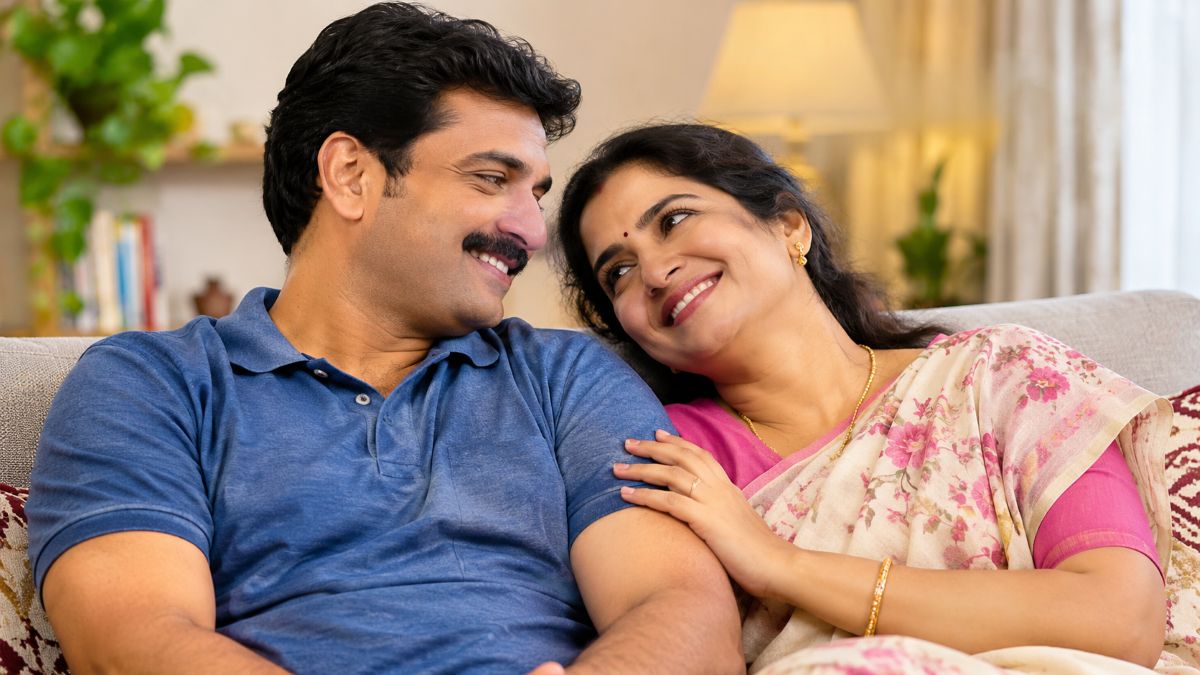
How to make your husband feel loved is an important question for couples who want to build a happy, healthy and lasting marriage. Love is not simply about saying romantic words, celebrating anniversaries or buying expensive gifts. It is reflected in everyday actions, thoughtful conversations, mutual respect and emotional support.
Many husbands may not openly express what makes them feel appreciated and valued. They may want their efforts to be recognised, their opinions to be respected, and their emotional needs to be understood. Small gestures of affection and encouragement can make a meaningful difference in married life.
However, a healthy marriage is never about one partner serving the other or sacrificing personal dignity. Both husband and wife deserve love, respect, appreciation and understanding.
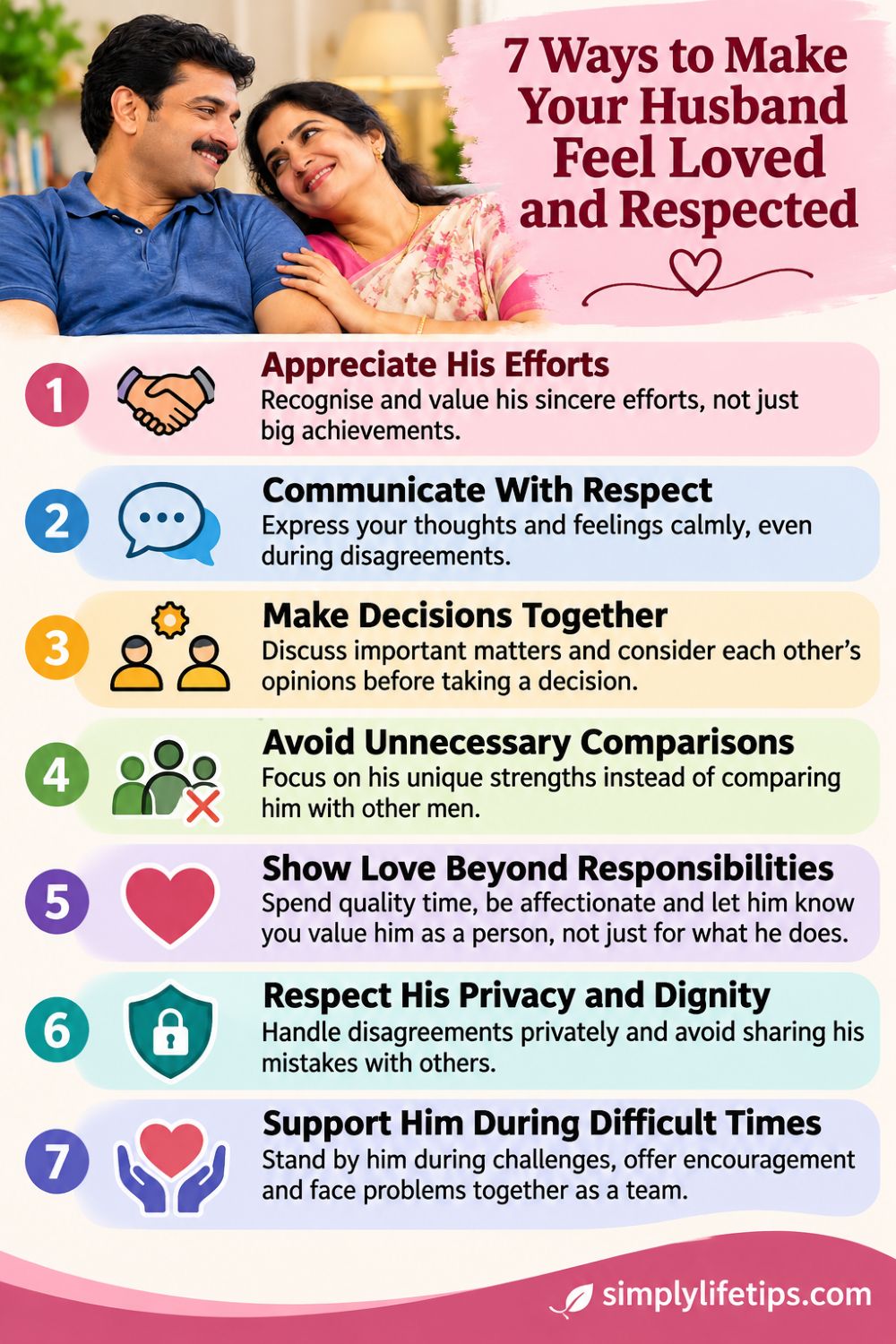
Here are seven meaningful ways to make your husband feel loved and respected while strengthening your marriage.
How to Make Your Husband Feel Loved
1. Appreciate His Efforts, Not Just His Achievements
One of the most meaningful ways to make your husband feel valued is to recognise his efforts rather than judging him only by his achievements.
Perhaps he has not yet achieved the financial goals you discussed together. Maybe he cannot afford a new car, a bigger house or the lifestyle you both imagined. However, if he is making sincere efforts to improve your family’s life, acknowledge those efforts.
Appreciation should not depend entirely on financial success or material achievements.
For example, you could say:
- “I appreciate how hard you are working for our family.”
- “I know things are not easy right now, but I believe in you.”
- “Thank you for everything you do for us.”
These simple words can provide emotional encouragement during difficult times.
Appreciation should also be mutual. A husband should recognise his wife’s contributions, whether she earns an income, manages the household, raises children or supports the family in other ways.
2. Speak to Him With Respect, Even During Disagreements
The way couples communicate has a powerful influence on the quality of their marriage.
Disagreements are normal. No two people will always have the same opinions, preferences or expectations. However, disagreement should never become an excuse for insults, humiliation or constant criticism.
You can disagree with your husband without attacking his intelligence or character. You can express disappointment without shouting or using hurtful words.
For example, instead of saying, “You never do anything properly,” try saying, “I felt disappointed about what happened. Can we discuss how to handle it differently next time?”
This approach encourages problem-solving rather than creating unnecessary conflict.
The American Psychological Association’s guide to healthy relationships highlights the importance of open communication, constructive disagreement and listening to a partner’s point of view.
Respectful communication does not mean hiding your feelings or accepting unacceptable behaviour. Both partners should be able to express concerns openly without fear of humiliation.
3. Make Important Decisions Together
Marriage is a partnership, not a competition for control.
Neither husband nor wife should feel that they must dominate every decision to prove their importance. Both partners bring different experiences, strengths and perspectives to a relationship.
Whether you are discussing financial planning, children’s education, household responsibilities, career decisions or family commitments, make space for each other’s opinions.
For example, before making a major financial commitment, discuss the advantages, disadvantages and possible consequences together.
Allowing your husband to contribute his ideas and take responsibility can help him feel trusted and respected. Similarly, he should value your judgement and respect your right to participate equally in decisions.
The goal is not to establish who leads and who follows. It is to make decisions that benefit the entire family.
4. Avoid Comparing Him With Other Men
Constant comparison can damage confidence and create resentment in a marriage.
Comparing your husband with your friend’s husband, your sister’s husband or someone you follow on social media may make him feel that his efforts are never good enough.
Statements such as “Look at what her husband bought for her” or “Why can’t you be like him?” rarely encourage positive change. Instead, they can create frustration and emotional distance.
Every family has different financial circumstances, responsibilities, opportunities and challenges. What works for one couple may not work for another.
If you have particular expectations, communicate them honestly.
For example, instead of comparing your husband’s income with someone else’s, discuss your family’s financial goals and how both of you can work towards them.
A better approach is to appreciate his individual strengths, discuss expectations without humiliation, celebrate progress and work together towards shared goals.
Remember that a healthy marriage is about growing together, not competing with other couples.
5. Make Him Feel Loved, Not Just Needed
Marriage involves many responsibilities, including paying bills, raising children, managing household expenses and handling family commitments.
However, a relationship should not become just a list of responsibilities.
Your husband needs to know that you enjoy his company and appreciate him as a person, not simply as someone who provides financial support or solves problems.
Small gestures can communicate affection more effectively than expensive gifts.
For example:
- Give him a warm hug when he returns home.
- Ask how his day went and listen to his answer.
- Spend quality time together without mobile phones.
- Appreciate something thoughtful he has done.
- Share a joke or a happy memory.
- Express affection without expecting anything in return.
These everyday moments help couples maintain emotional intimacy.
For example, after a tiring day, sitting together for a cup of tea and talking about ordinary experiences can create a stronger connection than an expensive outing.
You can also explore our article on Intimacy in Marriage: Building a Deep and Lasting Connection for more ideas about maintaining emotional and physical closeness.
Affection should flow in both directions. Both partners should make an effort to keep romance and emotional closeness alive.
6. Respect His Privacy and Protect His Dignity
Every marriage experiences misunderstandings, disappointments and difficult moments. However, not every disagreement needs to become public information.
Sharing your husband’s personal mistakes with friends, relatives or social media followers can damage trust, particularly when the intention is to embarrass him.
If you need advice about a relationship problem, choose someone mature, trustworthy and capable of offering constructive guidance.
For example, if your husband makes a financial mistake, discuss the issue privately and explore possible solutions rather than turning it into a family discussion designed to shame him.
The Gottman Institute’s explanation of destructive communication patterns discusses how criticism, contempt, defensiveness and withdrawing from difficult conversations can harm relationships. Replacing these patterns with appreciation, responsibility and constructive communication can help couples handle disagreements more effectively.
However, protecting privacy does not mean hiding serious problems. If you experience abuse, threats, controlling behaviour or repeated disrespect, seeking help from trusted people or qualified professionals is important.
Both partners deserve privacy, dignity and emotional safety.
7. Support Him During Difficult Times
It is easy to celebrate your husband when everything is going well. The real strength of a marriage becomes visible when life presents unexpected challenges.
What happens when he loses his job, experiences financial difficulties, faces a health problem or struggles with professional setbacks?
Such situations can affect a person’s confidence and emotional well-being. During these moments, understanding and encouragement can make a significant difference.
Instead of blaming him or reminding him repeatedly about his failures, try to understand what he is experiencing.
You can support him by:
- Listening without immediately criticising.
- Encouraging him to explore new opportunities.
- Discussing financial adjustments together.
- Sharing household and family responsibilities.
- Reminding him that temporary setbacks do not define his worth.
- Seeking professional help when necessary.
For example, if your husband loses his job, you could discuss reducing unnecessary expenses, updating his professional skills and exploring alternative employment opportunities.
Your support should not mean ignoring practical problems or accepting irresponsible behaviour. It means facing challenges as partners rather than treating one another as opponents.
Likewise, a husband should stand beside his wife when she faces personal, professional or financial difficulties.
Why Mutual Respect Matters More Than Being Treated Like a King
Making your husband feel valued does not mean treating him as someone superior to you. A successful marriage does not depend on one person always giving and the other always receiving.
Both partners need to feel appreciated, heard and respected.
A husband who expects respect should also show respect. A wife who wants appreciation should also appreciate her husband’s contributions.
A healthy relationship involves several important principles:
1. Equality
Both partners deserve an equal voice in important family decisions. Marriage should be a partnership where the opinions, needs and expectations of both husband and wife receive equal consideration.
2. Trust
Trust gives couples the confidence to grow together as well as individually. Respect each other’s independence, keep promises and avoid unnecessary suspicion. A relationship built on trust creates emotional security.
3. Communication
Open and honest communication helps couples understand each other’s feelings and expectations. Discuss problems calmly instead of allowing misunderstandings and resentment to build up. Listen to each other without immediately judging or criticising.
4. Emotional Support
Be available for each other during both happy and difficult times. Celebrate achievements, offer encouragement during setbacks and listen when your partner needs someone to talk to. Emotional support strengthens the bond between husband and wife.
5. Shared Responsibility
Household work, parenting and financial responsibilities should be discussed and shared fairly. Marriage should not place the entire burden of managing family life on one partner. Working together creates a sense of teamwork and reduces unnecessary stress.
6. Affection
Continue expressing love through thoughtful words and everyday actions. A warm hug, a kind message, a sincere compliment or spending quality time together can keep emotional intimacy alive. Small gestures often make a lasting difference.
7. Personal Dignity
Never use insults, humiliation or emotional manipulation to control your partner. Respect each other’s feelings, opinions and personal boundaries, even during disagreements. Both husband and wife deserve to feel safe, valued and respected in their relationship.
The Planned Parenthood guide to healthy relationships also emphasises honesty, respect, fairness, trust, support and good communication as important relationship qualities.
A loving marriage is not about making one person feel like a king while the other feels less important. It is about creating a home where both partners feel valued.
Conclusion
Learning how to make your husband feel loved is not about following a list of rules or fulfilling every expectation he has. It is about building a relationship based on appreciation, respect, affection, trust and emotional understanding.
Recognise his efforts, communicate respectfully, avoid unnecessary comparisons, express affection, protect each other’s dignity and stand together during difficult times.
Most importantly, remember that marriage is a two-way commitment. A husband and wife should both feel that their home is a place where they are accepted, appreciated and loved.
A happy marriage is not about having a king and a queen. It is about two people treating each other with love, respect and equal dignity.
What do you think is the most important quality that makes a husband and wife feel loved and respected in marriage?
Frequently Asked Questions
1. How can I make my husband feel special every day?
Show affection through small everyday actions. Appreciate his efforts, listen to his concerns, spend quality time together and express gratitude for the things he does.
2. What makes a husband feel respected by his wife?
Honest communication, appreciation, trust, consideration and involving him in important decisions can help him feel respected. Respect should always be mutual.
3. How can I support my husband during difficult times?
Listen to him, offer emotional encouragement, discuss practical solutions and share family responsibilities. Avoid unnecessary criticism and remind him that you are facing the challenge together.
4. How can I improve emotional intimacy with my husband?
Spend uninterrupted time together, communicate openly, share your feelings, show affection and take an interest in each other’s experiences and interests.
5. Should a wife always agree with her husband to show respect?
No. Respect does not mean unquestioning agreement. A wife has every right to express her opinions, disagree and participate equally in decisions. Healthy marriages allow both partners to communicate honestly without humiliation.

Mathukutty P. V. is the founder of Simply Life Tips. He shares practical advice and useful insights on personal growth, health, well-being, technology, and everyday living. His goal is to help readers build positive habits and make informed decisions. He believes in continuous learning and sharing knowledge to help people live healthier, happier, and more meaningful lives.