Small Habits That Support Healthy Aging may seem insignificant at first, but their cumulative effect can dramatically improve your quality of life over the years. You don’t need expensive supplements, complicated diets, or extreme workout routines to age well. Instead, adopting small, consistent habits every day can strengthen your body, sharpen your mind, improve your emotional well-being, and lower your risk of many age-related diseases.
Healthy aging isn’t about trying to look younger—it’s about staying healthier, stronger, and more independent as you grow older. Research consistently shows that everyday lifestyle choices have a greater influence on long-term health than quick fixes or miracle products. Eating nutritious foods, sleeping well, staying physically active, and managing stress all contribute to better aging outcomes.
The infographic shared on social media lists several interesting habits that claim to support healthy aging. Some are supported by strong scientific evidence, while others have limited research but may still be beneficial when practiced safely. In this comprehensive guide, we’ll explore each habit, explain the science behind it, and provide practical tips to help you incorporate these small habits that support healthy aging into your daily routine.
If you’re looking for simple lifestyle improvements that can make a lasting difference, these small habits that support healthy aging are an excellent place to begin.
Healthy Aging at a Glance
Sometimes a quick visual summary is all you need to remember the most important lifestyle habits. The infographic below highlights 15 small habits that support healthy aging, making it easy to review and share with family and friends. While some habits are backed by extensive scientific research and others have emerging evidence, together they encourage a healthier, more balanced lifestyle. Save this infographic for future reference and use it as a daily reminder to make small, consistent improvements that support long-term health and well-being.
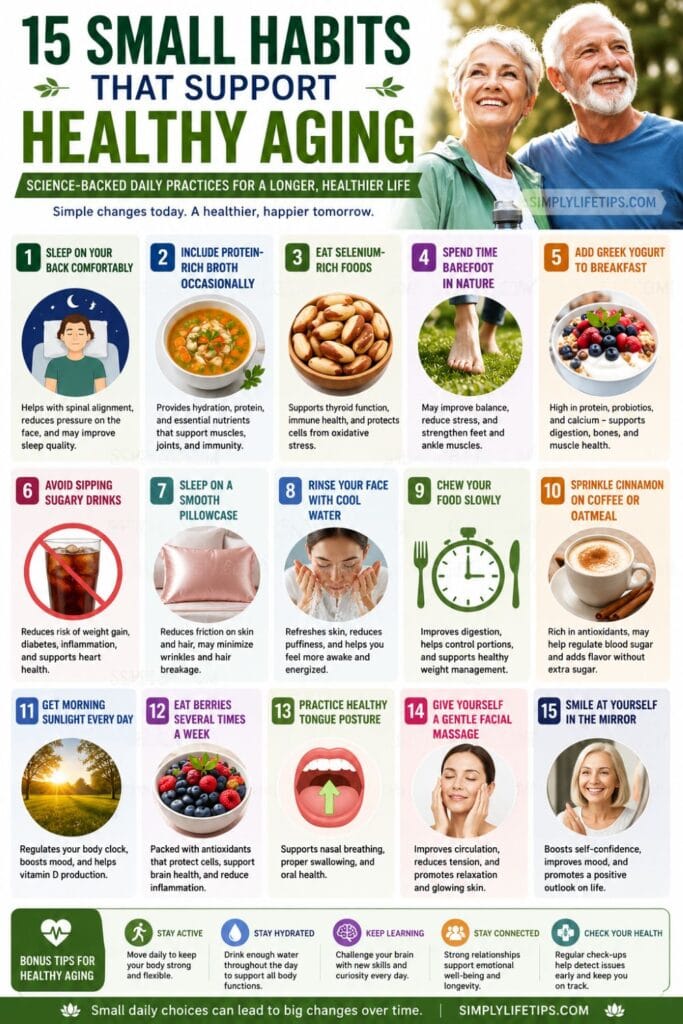
Healthy aging isn’t about making one big change—it’s about consistently practicing small habits that support healthy aging every single day. Whether it’s getting enough sleep, eating more berries, staying active, reducing sugary drinks, or spending time outdoors, these simple actions can have a lasting impact on your physical and mental health.
Use this infographic as a practical checklist and start with one or two habits that fit your lifestyle. As they become part of your routine, gradually build upon them. Over time, these small daily choices can help you stay healthier, stronger, and more independent.
If you found this infographic helpful, share it with your family and friends so they can start building healthier habits too.
15 Small Habits That Support Healthy Aging
Many people believe they need to completely overhaul their lifestyle before seeing meaningful health improvements. In reality, sustainable change often begins with one small decision repeated consistently over time.
Imagine two individuals in their 40s. One chooses to walk for 30 minutes every day, eats more fruits and vegetables, sleeps seven to eight hours, and limits sugary beverages. The other continues with a sedentary lifestyle and poor dietary habits. Twenty years later, their health outcomes can be remarkably different. The first person is more likely to maintain a healthy weight, preserve muscle strength, reduce the risk of heart disease, and enjoy better mobility and cognitive function.
This is why small habits that support healthy aging are so powerful. They build upon each other, creating long-term benefits without overwhelming your daily routine.
Some of the proven benefits include:
- Better heart health
- Improved brain function
- Stronger immune system
- Healthier bones and muscles
- Reduced inflammation
- Better sleep quality
- Improved digestion
- Increased energy levels
- Lower risk of diabetes
- Greater emotional well-being
Rather than aiming for perfection, focus on consistency. Small improvements made every day often produce extraordinary results over months and years.
1. Sleep on Your Back Whenever It Is Comfortable
Quality sleep is one of the most important small habits that support healthy aging. During sleep, your body repairs tissues, strengthens the immune system, regulates hormones, and consolidates memories.
The infographic recommends sleeping on your back. This sleeping position may help maintain spinal alignment, reduce pressure points, and minimize facial compression that contributes to sleep wrinkles. Back sleeping can also help reduce neck pain in some individuals when supported by the right pillow.
However, sleeping on your back isn’t ideal for everyone. People who snore heavily or have obstructive sleep apnea often experience worsening symptoms in this position. Pregnant women are also generally advised to sleep on their side during later stages of pregnancy.
Benefits of Back Sleeping
- May reduce pressure on the face.
- Helps maintain spinal alignment.
- Can reduce shoulder discomfort.
- May decrease neck strain with proper pillow support.
Practical Tips
If you’re trying to transition to back sleeping, place a small pillow beneath your knees to reduce pressure on your lower back. Choose a pillow that supports the natural curve of your neck without pushing your head too far forward.
If you’re already sleeping comfortably on your side and waking up refreshed, there’s usually no medical reason to force a change. The most important factor is getting seven to nine hours of quality sleep each night.
2. Include Protein-Rich Broth Occasionally
Another excellent addition to the list of small habits that support healthy aging is consuming protein-rich broth as part of a balanced diet.
Homemade broths made from chicken, fish, vegetables, legumes, or bones provide hydration and nutrients while serving as a comforting meal. Bone broth has become especially popular because it contains collagen-derived proteins, gelatin, and certain amino acids.
Although many claims suggest bone broth dramatically reverses aging, current scientific evidence remains limited. However, broth can still be a nutritious food when incorporated into an overall healthy eating pattern.
Benefits of Protein-Rich Broth
- Supports hydration.
- Provides dietary protein.
- Can be easy to digest.
- Offers minerals depending on preparation.
- Makes nutritious soups more filling.
Healthy Examples
Instead of relying solely on bone broth supplements, prepare homemade meals such as:
- Chicken vegetable soup
- Lentil soup
- Fish stew
- Mixed bean soup
- Vegetable broth with quinoa
These meals provide fiber, vitamins, minerals, and protein together, making them far more nutritionally complete.
3. Eat Selenium-Rich Foods
Among the most evidence-based small habits that support healthy aging is consuming adequate selenium through your diet.
Selenium is an essential trace mineral that supports thyroid function, immune health, reproduction, and antioxidant defense. It helps protect cells from oxidative stress, one of the biological processes associated with aging.
Fortunately, you don’t need supplements unless recommended by a healthcare professional. Many common foods naturally provide sufficient selenium.
Anti Aging Foods That Will Keep You Young And Healthy
Foods Rich in Selenium
- Brazil nuts
- Eggs
- Tuna
- Sardines
- Shrimp
- Brown rice
- Whole wheat bread
- Sunflower seeds
- Turkey
- Chicken
Brazil nuts are especially rich in selenium. In fact, eating just one or two Brazil nuts can often meet your daily requirement. Consuming large quantities every day, however, may lead to excessive selenium intake, so moderation is important.
Why Selenium Matters?
Adequate selenium intake has been associated with:
- Better immune function.
- Healthy thyroid hormone production.
- Reduced oxidative stress.
- Support for healthy aging cells.
Pair selenium-rich foods with colorful fruits and vegetables to maximize antioxidant intake.
4. Spend Time Barefoot in Nature
Spending time outdoors is unquestionably beneficial for physical and mental health. Walking barefoot on safe natural surfaces is one of the more interesting small habits that support healthy aging mentioned in the infographic.
Walking barefoot may strengthen foot muscles, improve balance, and increase sensory feedback from the ground. These benefits can contribute to better mobility as people age.
Some advocates also promote “grounding” or “earthing,” suggesting direct contact with the Earth’s surface reduces inflammation and improves health. While preliminary studies exist, stronger scientific evidence is still needed before making definitive conclusions.
Potential Benefits
- Strengthens foot muscles.
- Improves balance.
- Enhances body awareness.
- Encourages outdoor activity.
- Supports stress reduction through time in nature.
Stay Safe
Only walk barefoot on:
- Clean grass
- Soft sand
- Safe garden areas
Avoid:
- Sharp rocks
- Hot pavement
- Broken glass
- Areas with parasites or animal waste
Even if you choose not to walk barefoot, spending time in parks and green spaces is itself a healthy lifestyle habit.
5. Add Greek Yogurt to Breakfast
One of the easiest small habits that supports healthy aging is starting your day with Greek yogurt.
Greek yogurt is packed with high-quality protein, calcium, probiotics, potassium, and vitamin B12. These nutrients support muscle maintenance, bone strength, digestive health, and immune function—all essential aspects of healthy aging.
Protein becomes increasingly important as we age because it helps preserve muscle mass and reduces the risk of age-related muscle loss (sarcopenia).
Why Greek Yogurt Is a Smart Choice?
Compared to regular yogurt, Greek yogurt generally contains:
- More protein
- Less sugar (plain varieties)
- More calcium
- Beneficial probiotics
Healthy Breakfast Ideas
You can enjoy Greek yogurt in many delicious ways:
- Greek yogurt with blueberries and walnuts
- Greek yogurt with oats and chia seeds
- Fruit parfait with berries
- Smoothie made with yogurt and banana
- Greek yogurt topped with flaxseeds and almonds
Choose plain, unsweetened Greek yogurt whenever possible, then add fresh fruit for natural sweetness instead of flavored varieties with added sugar.
By making Greek yogurt a regular part of your breakfast, you’re adding another practical and evidence-based habit to your collection of small habits that support healthy aging.
6. Avoid Sipping Sugary Drinks Throughout the Day
Among the most impactful small habits that support healthy aging is reducing your intake of sugary beverages. Soft drinks, sweetened fruit juices, flavored coffees, and energy drinks often contain large amounts of added sugar, which can contribute to weight gain, insulin resistance, heart disease, and type 2 diabetes over time.
Many people don’t realize how quickly liquid calories add up. A single can of soda can contain around 35–40 grams of sugar. Drinking several sugary beverages every day significantly increases your daily calorie intake without providing essential nutrients.
Research consistently links excessive sugar consumption with chronic inflammation, which plays a role in many age-related diseases, including cardiovascular disease and cognitive decline.
Best Foods For Diabetes Control And Lower Blood Sugar
Why Reducing Sugary Drinks Matters
Replacing sugary drinks with healthier alternatives can provide several long-term benefits.
- Supports healthy body weight.
- Reduces the risk of type 2 diabetes.
- Protects dental health.
- Improves heart health.
- Helps maintain steady energy levels.
- Lowers overall sugar intake.
Better Beverage Choices
Instead of sugary drinks, choose:
- Plain water
- Infused water with lemon, cucumber, or mint
- Unsweetened herbal tea
- Green tea
- Black coffee in moderation
- Coconut water without added sugar
- Sparkling water
For example, replacing one daily soda with water saves thousands of calories over the course of a year. This simple switch is one of the easiest small habits that support healthy aging and overall wellness.
7. Sleep on a Smooth Pillowcase
The infographic recommends using a smooth pillowcase, such as silk or satin. While this may not dramatically slow the aging process, it can provide some cosmetic and comfort benefits.
Cotton pillowcases create more friction against the skin and hair compared to silk or satin fabrics. Less friction may help reduce hair breakage, minimize frizz, and decrease temporary sleep creases on the skin.
However, it’s important to understand that pillowcase material has a much smaller effect on skin aging than factors such as sun protection, hydration, nutrition, smoking, and quality sleep.
Good Quality Sleep – Top 10 Tips For A Relaxed Mind
Potential Benefits
Using a smooth pillowcase may help:
- Reduce hair tangling.
- Minimize hair breakage.
- Improve comfort during sleep.
- Reduce temporary facial creases.
- Feel cooler for some sleepers.
How to Choose the Right Pillowcase
Look for:
- Soft, breathable fabric.
- Machine-washable material.
- Comfortable texture.
- Durable stitching.
Remember that a clean pillowcase is just as important as the material. Wash pillowcases regularly to remove oil, sweat, and bacteria that can contribute to skin irritation.
Adding this simple change to your bedtime routine complements other small habits that support healthy aging, especially when paired with good sleep hygiene.
8. Rinse Your Face with Cool Water
A refreshing splash of cool water in the morning is another simple habit featured in the infographic.
Cold or cool water does not permanently tighten pores or erase wrinkles, as some online claims suggest. However, it can temporarily reduce facial puffiness by constricting superficial blood vessels and may help you feel more awake.
Many people enjoy this refreshing ritual as part of their morning skincare routine.
Benefits of Cool Water
- Refreshes tired skin.
- Removes overnight sweat and oil.
- May temporarily reduce puffiness.
- Helps wake you up.
- Prepares skin for moisturizer and sunscreen.
A Balanced Skincare Routine
Healthy skin aging depends much more on daily skincare habits such as:
- Wearing sunscreen.
- Using moisturizer.
- Staying hydrated.
- Eating antioxidant-rich foods.
- Avoiding smoking.
A quick rinse with cool water won’t reverse aging, but it can be an enjoyable addition to your daily routine and fits well among small habits that support healthy aging.
9. Chew Your Food Slowly
One of the simplest small habits that supports healthy aging costs nothing but can significantly improve digestion and eating habits.
Many people rush through meals, especially during busy workdays. Eating too quickly often leads to overeating because the brain doesn’t receive fullness signals immediately. It typically takes about 20 minutes for your brain to recognize that you’ve eaten enough.
Slowing down helps you enjoy your meals while giving your digestive system time to function properly.
Benefits of Eating Slowly
Chewing thoroughly may:
- Improve digestion.
- Increase nutrient absorption.
- Reduce overeating.
- Support healthy weight management.
- Improve meal satisfaction.
- Reduce digestive discomfort.
Practical Tips
Develop mindful eating habits by:
- Putting your fork down between bites.
- Chewing each bite thoroughly.
- Eating without watching television.
- Taking smaller bites.
- Enjoying conversations during meals.
For example, someone who usually finishes lunch in ten minutes could gradually increase meal time to twenty minutes. This simple adjustment often leads to better portion control and improved digestion.
Among all the small habits that support healthy aging, mindful eating is one of the easiest to begin immediately.
10. Sprinkle Cinnamon on Coffee or Oatmeal
Adding cinnamon to your morning coffee, oatmeal, or yogurt is a flavorful way to reduce added sugar while increasing antioxidant intake.
Cinnamon contains plant compounds with antioxidant and anti-inflammatory properties. Some studies suggest it may help improve blood sugar control in certain individuals, although the effects are generally modest and should not replace medical treatment.
Benefits of Cinnamon
Including small amounts of cinnamon may:
- Add flavor naturally.
- Reduce the need for added sugar.
- Provide antioxidants.
- Support a heart-healthy eating pattern.
- Complement a balanced diet.
Choose the Right Cinnamon
There are two common varieties:
Ceylon Cinnamon
Often called “true cinnamon,” Ceylon contains much lower amounts of coumarin and is generally considered the better choice for frequent use.
Cassia Cinnamon
This is the variety most commonly sold in supermarkets. While perfectly safe in small culinary amounts, consuming large quantities regularly may increase coumarin intake.
Easy Ways to Use Cinnamon
Try adding cinnamon to:
- Oatmeal.
- Greek yogurt.
- Coffee.
- Smoothies.
- Baked apples.
- Whole-grain pancakes.
Using spices instead of sugar is one of those small habits that support healthy aging by encouraging healthier eating patterns without sacrificing flavor.
At the same time, remember that cinnamon is just one small part of an overall nutritious diet rich in fruits, vegetables, whole grains, lean proteins, legumes, and healthy fats.
Incorporating these everyday choices consistently is what truly supports healthy aging over the long term.
11. Get Morning Sunlight Every Day
One of the most effective small habits that supports healthy aging is spending time outdoors in the morning. Natural sunlight plays an essential role in regulating your body’s internal clock, also known as the circadian rhythm. A well-regulated circadian rhythm supports better sleep, improved mood, enhanced cognitive function, and overall health.
Morning sunlight also helps your body produce vitamin D when your skin is exposed to ultraviolet B (UVB) rays. Vitamin D is crucial for maintaining healthy bones, supporting immune function, and preserving muscle strength as you age.
Many people spend most of their day indoors, which limits their exposure to natural light. Even a short walk outside after breakfast can make a meaningful difference.
Benefits of Morning Sunlight
Getting regular morning sunlight may help:
- Improve sleep quality.
- Boost mood and mental well-being.
- Support vitamin D production.
- Increase daytime alertness.
- Improve energy levels.
- Help regulate hormones.
Simple Ways to Get More Sunlight
Incorporating this habit doesn’t require major lifestyle changes.
You can:
- Enjoy your morning coffee on the balcony.
- Walk your dog before work.
- Take a short stroll around your neighborhood.
- Read a book in your garden.
- Exercise outdoors.
Aim for approximately 10 to 30 minutes of morning sunlight, depending on your skin type, location, season, and weather conditions. Remember to protect your skin if you’ll be outdoors for longer periods.
Adding morning sunlight to your routine is one of the easiest small habits that support healthy aging, benefiting both physical and mental health.
12. Eat Berries Several Times a Week
If there’s one food consistently recommended by nutrition experts, it’s berries. Regularly eating berries is among the most evidence-based small habits that support healthy aging because they are packed with antioxidants, fiber, vitamins, and plant compounds that help protect your body from oxidative stress.
Oxidative stress occurs when unstable molecules called free radicals damage healthy cells. Over time, this damage contributes to aging and increases the risk of chronic diseases such as heart disease, diabetes, and certain neurological disorders.
Berries contain anthocyanins, flavonoids, and vitamin C, all of which support overall health.
Health Benefits of Berries
Eating berries regularly may:
- Support heart health.
- Improve brain function.
- Reduce inflammation.
- Help maintain healthy blood sugar levels.
- Strengthen the immune system.
- Promote healthy digestion because of their fiber content.
Best Berries to Include
Choose a variety for maximum nutritional benefits.
Excellent options include:
- Blueberries.
- Strawberries.
- Raspberries.
- Blackberries.
- Cranberries.
Frozen berries are just as nutritious as fresh ones and are often more affordable.
Easy Ways to Eat More Berries
Include berries in your daily meals by adding them to:
- Greek yogurt.
- Oatmeal.
- Smoothies.
- Whole-grain cereal.
- Fruit salads.
- Healthy desserts.
For example, replacing sugary desserts with a bowl of mixed berries and plain yogurt provides far more nutrients while satisfying your sweet tooth.
Among all small habits that support healthy aging, eating berries is one of the simplest and most delicious.
13. Practice Healthy Tongue Posture
The infographic recommends keeping your tongue resting gently against the roof of your mouth. This concept has become widely known through social media as “mewing.”
From a medical perspective, normal tongue posture is indeed important for healthy oral function. Resting your tongue lightly against the palate while breathing through your nose is considered normal by dental professionals.
However, many online claims suggesting that tongue posture dramatically reshapes the adult face or reverses aging are not supported by strong scientific evidence.
Why Tongue Posture Matters?
Healthy tongue posture may contribute to:
- Better nasal breathing.
- Proper swallowing mechanics.
- Oral muscle function.
- Good dental development in children.
For adults, expectations should remain realistic.
Focus on Overall Oral Health
Instead of chasing unrealistic cosmetic claims, prioritize proven oral health habits such as:
- Brushing twice daily.
- Flossing every day.
- Visiting your dentist regularly.
- Treating sleep apnea if present.
- Addressing bite problems with an orthodontist when necessary.
Good oral health is an often-overlooked component of small habits that support healthy aging, as poor dental health has been linked to cardiovascular disease and other chronic conditions.
14. Give Yourself a Gentle Facial Massage
Facial massage has become increasingly popular in skincare routines. While it isn’t a miracle anti-aging treatment, it can provide temporary relaxation and improve your overall self-care routine.
A gentle facial massage may increase blood circulation to the skin, reduce muscle tension, and help skincare products spread more evenly.
Potential Benefits
Regular gentle facial massage may:
- Promote relaxation.
- Reduce facial muscle tension.
- Improve temporary circulation.
- Help reduce mild puffiness.
- Encourage mindfulness.
Best Practices
Use clean hands and gentle pressure.
You can also apply:
- Moisturizer.
- Facial oil.
- Serum.
Massage upward using slow circular movements for two to five minutes.
Avoid aggressive rubbing, especially around the delicate eye area, as excessive pulling may irritate sensitive skin.
Combined with sunscreen, hydration, proper nutrition, and quality sleep, facial massage becomes another enjoyable addition to your small habits that support healthy aging.
15. Smile at Yourself in the Mirror
The final recommendation in the infographic may seem surprisingly simple, but it highlights an important aspect of healthy aging: emotional well-being.
Looking in the mirror and smiling at yourself encourages self-compassion and promotes a positive mindset. While smiling alone won’t eliminate stress or prevent disease, maintaining a positive outlook has been associated with better mental health, improved resilience, and healthier lifestyle choices.
Healthy aging isn’t only about your body—it’s also about maintaining emotional balance and finding joy in everyday life.
Benefits of Positive Self-Reflection
Practicing self-kindness may help:
- Improve self-confidence.
- Reduce negative self-talk.
- Lower stress levels.
- Encourage healthy habits.
- Support emotional resilience.
Build a Positive Daily Routine
Pair this habit with other mindfulness practices such as:
- Keeping a gratitude journal.
- Practicing meditation.
- Deep breathing exercises.
- Spending time with loved ones.
- Volunteering in your community.
For example, beginning each morning by smiling, expressing gratitude for three things, and setting one positive goal can improve your mindset for the day.
Among all the small habits that support healthy aging, cultivating emotional health is just as valuable as eating nutritious foods or exercising regularly.
What Science Says About Small Habits That Support Healthy Aging?
While many of the habits discussed in this guide are supported by scientific research, it’s important to distinguish between evidence-based recommendations and popular wellness trends.
Strong Scientific Evidence
These habits have substantial research supporting their benefits:
- Eating a balanced diet rich in fruits and vegetables.
- Regular physical activity.
- Getting seven to nine hours of quality sleep.
- Maintaining a healthy weight.
- Limiting added sugar.
- Consuming adequate protein.
- Spending time outdoors.
- Managing stress effectively.
- Staying socially connected.
- Avoiding tobacco products.
Limited or Emerging Evidence
Some habits in the infographic may still offer personal benefits, but research is less conclusive.
These include:
- Sleeping exclusively on your back for anti-aging.
- Bone broth as an anti-aging food.
- Grounding or earthing.
- Facial massage reduces wrinkles long-term.
- Mewing changes adult facial structure.
- Silk pillowcases significantly prevent wrinkles.
These habits are generally safe for most people but should not replace proven health strategies.
The strongest small habits that support healthy aging are still the basics: nutritious food, regular exercise, quality sleep, stress management, and preventive healthcare.
Additional Daily Habits That Support Healthy Aging
The infographic provides several excellent ideas, but research shows there are additional small habits that support healthy aging that deserve equal attention. These habits have consistently been linked to better health, improved mobility, and a longer life.
Stay Physically Active Every Day
Regular physical activity is one of the strongest predictors of healthy aging. Exercise improves cardiovascular health, strengthens muscles and bones, supports mental health, and reduces the risk of chronic diseases.
You don’t need an intense workout routine to see benefits. Consistency matters more than intensity.
Aim to include:
- At least 150 minutes of moderate exercise each week.
- Strength training at least twice a week.
- Stretching or yoga for flexibility.
- Daily walking whenever possible.
For example, taking a brisk 30-minute walk five days a week can significantly reduce the risk of heart disease, stroke, and diabetes.
Preserve Muscle Strength
After the age of 30, adults naturally begin to lose muscle mass. Without resistance exercise, this muscle loss accelerates over time, increasing the risk of falls and reducing independence.
Strength training helps:
- Maintain muscle mass.
- Improve balance.
- Increase bone density.
- Support metabolism.
- Make everyday activities easier.
Simple exercises include:
- Squats.
- Wall push-ups.
- Resistance bands.
- Light dumbbells.
- Bodyweight exercises.
Building strength is one of the most valuable small habits that support healthy aging because it directly improves mobility and quality of life.
Stay Hydrated
Water is essential for nearly every function in the body. As people age, the sensation of thirst often decreases, making dehydration more common.
Proper hydration helps:
- Regulate body temperature.
- Support digestion.
- Maintain healthy skin.
- Protect kidney function.
- Improve concentration.
Carry a reusable water bottle and sip water throughout the day instead of waiting until you feel thirsty.
Keep Learning New Skills
Your brain benefits from regular mental stimulation just as your muscles benefit from exercise.
Activities that challenge your brain include:
- Reading books.
- Learning a new language.
- Solving puzzles.
- Playing strategy games.
- Taking online courses.
- Learning a musical instrument.
Continuous learning strengthens neural connections and may help reduce cognitive decline.
Adding lifelong learning to your routine is one of the smartest small habits that support healthy aging.
Maintain Strong Social Connections
Loneliness has become a significant public health concern, especially among older adults. Studies show that social isolation increases the risk of depression, heart disease, dementia, and premature death.
Healthy relationships contribute to:
- Better emotional health.
- Reduced stress.
- Greater resilience.
- Improved cognitive function.
- Increased life satisfaction.
Stay connected by:
- Visiting family regularly.
- Joining community groups.
- Volunteering.
- Participating in hobbies.
- Calling friends frequently.
Healthy aging isn’t just about physical wellness—it also depends on emotional and social well-being.
Schedule Regular Health Check-Ups
Preventive healthcare plays a major role in healthy aging.
Routine health screenings can detect conditions before symptoms develop, allowing for earlier treatment and better outcomes.
Important screenings may include:
- Blood pressure.
- Blood sugar.
- Cholesterol.
- Vision tests.
- Hearing tests.
- Dental check-ups.
- Cancer screenings appropriate for your age.
Combining preventive care with other small habits that support healthy aging provides a strong foundation for lifelong wellness.
Common Mistakes That Can Slow Healthy Aging
Knowing what to avoid is just as important as knowing what to do.
Ignoring Sleep
Many adults underestimate the importance of sleep. Chronic sleep deprivation increases the risk of obesity, diabetes, heart disease, memory problems, and weakened immunity.
Prioritize seven to nine hours of quality sleep each night.
Sitting for Too Long
Even people who exercise regularly can experience health risks if they spend most of the day sitting.
Stand up every 30 to 60 minutes.
Take short walks.
Stretch throughout the day.
Small movement breaks improve circulation and reduce stiffness.
Eating Too Many Ultra-Processed Foods
Highly processed foods often contain excessive amounts of:
- Added sugar.
- Sodium.
- Unhealthy fats.
- Artificial additives.
Replace processed snacks with healthier alternatives such as:
- Fresh fruit.
- Nuts.
- Yogurt.
- Roasted chickpeas.
- Vegetable sticks with hummus.
Smoking and Excessive Alcohol
Smoking remains one of the biggest preventable causes of premature aging and chronic disease.
Likewise, excessive alcohol intake increases the risk of liver disease, cancer, heart disease, and cognitive decline.
Quitting smoking and limiting alcohol are among the most powerful small habits that support healthy aging.
Neglecting Mental Health
Chronic stress affects nearly every system in the body.
Long-term stress can contribute to:
- High blood pressure.
- Poor sleep.
- Depression.
- Anxiety.
- Weakened immunity.
Healthy stress management techniques include:
- Meditation.
- Deep breathing.
- Prayer.
- Journaling.
- Nature walks.
- Talking with trusted friends.
Taking care of your emotional health is just as important as taking care of your physical health.
Conclusion
Adopting small habits that support healthy aging is one of the best investments you can make in your future health. You don’t need dramatic lifestyle changes or expensive wellness products to improve your quality of life. Instead, focus on simple daily actions that you can maintain consistently.
Many of the habits discussed in this guide—such as eating berries, reducing sugary drinks, getting morning sunlight, exercising regularly, eating enough protein, and prioritizing sleep—are supported by strong scientific evidence. Others, like facial massage or walking barefoot, may offer personal benefits even though more research is needed.
The secret to healthy aging is consistency. Start by choosing just one or two habits today. Once they become part of your routine, gradually add more. Over time, these small habits that support healthy aging can help you stay active, independent, and healthier for years to come.
Remember, it’s never too early—or too late—to begin making choices that support a longer, healthier, and happier life.
Frequently Asked Questions
What are the best small habits that support healthy aging?
The most effective small habits that support healthy aging include exercising regularly, eating a balanced diet, sleeping seven to nine hours each night, staying hydrated, limiting added sugar, managing stress, and maintaining strong social connections.
How long does it take to see results from healthy habits?
Some benefits, such as improved energy and better sleep, may appear within a few weeks. Long-term benefits like reduced disease risk and improved mobility develop over months and years of consistent healthy habits.
Can healthy aging be achieved without expensive supplements?
Yes. Most people can support healthy aging through nutritious food, regular exercise, quality sleep, stress management, and preventive healthcare. Supplements should only be used when recommended by a healthcare professional.
Which foods are best for healthy aging?
A healthy aging diet includes fruits, vegetables, berries, whole grains, legumes, nuts, seeds, lean proteins, fish, Greek yogurt, and healthy fats like olive oil.
Is it ever too late to start healthy aging habits?
No. Research shows that adopting healthier lifestyle habits at almost any age can improve physical function, reduce disease risk, and enhance quality of life. Even small improvements made today can provide meaningful long-term benefits.
External Links:
- National Institute on Aging (NIA)
- World Health Organization – Healthy Ageing
- Harvard T.H. Chan School of Public Health
Thanks for reading! Stay healthy, stay active, and keep learning with Simply Life Tips
— PVM

Mathukutty P V is a Blogger, YouTuber, and Content Writer and the founder of Simply Life Tips. After taking voluntary retirement in 2017, he embraced a free lifestyle focused on learning, personal growth, and sharing practical wisdom to help others live with more purpose and positivity.