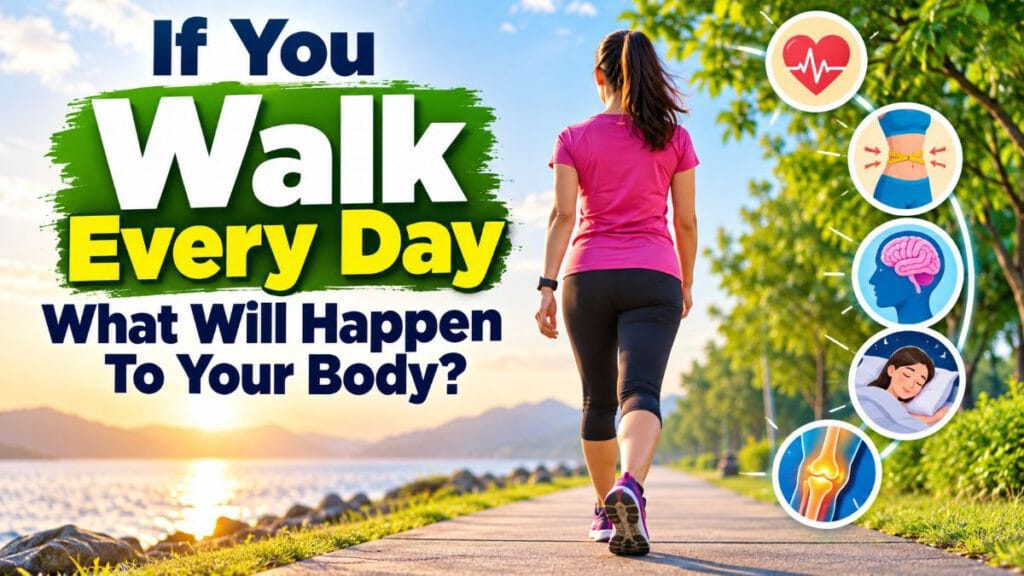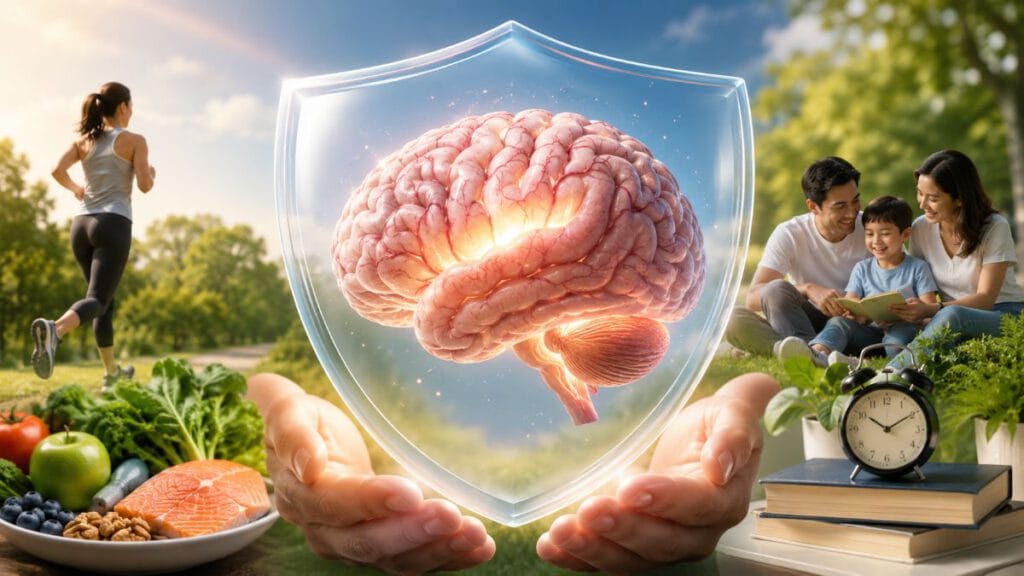
Brain health is the foundation of every dream, memory, decision, and relationship we build throughout our lives. We insure our homes, service our vehicles, and upgrade our gadgets regularly, but many of us overlook the one organ that makes everything else possible—the brain. Protecting your brain is not just about preventing disease; it is about preserving the quality of your life, your independence, and your future.
World Brain Day reminds us that brain health deserves everyone’s attention. The 2026 theme, “Brain Health: Access for All,” emphasizes that every individual should have the opportunity to protect and care for their brain, regardless of age, income, or where they live.
If you’re curious about the amazing functions of the human brain, explore our guide on how your brain works to understand this incredible organ simply and engagingly.
Why Your Brain Is Your Greatest Asset
Although the human brain weighs only about 1.4 kilograms (3 pounds), it is the body’s most remarkable organ. Even while you sleep, your brain remains active, regulating your heartbeat, breathing, memories, emotions, and countless essential functions.
Your brain enables you to:
- Learn new skills
- Recognize loved ones
- Solve problems
- Make important decisions
- Experience emotions
- Dream and create
- Show kindness and empathy
- Build meaningful relationships
Every achievement in life begins with a healthy brain.
Understanding the Human Impact of Brain Disorders
Brain disorders affect millions of people and families every year. A stroke can suddenly change a person’s ability to speak, walk, or live independently. Traumatic brain injuries caused by road accidents can permanently alter the lives of young adults and children. Conditions such as dementia gradually rob people of their memories and independence, creating emotional challenges for both patients and caregivers.
While modern medicine has made remarkable advances in neurology and neurosurgery, prevention remains the most effective strategy. Many neurological conditions can be avoided or their impact significantly reduced through healthy lifestyle choices, early diagnosis, and timely medical care.
Preventing brain diseases is far more effective than treating them.
Many Brain Disorders Are Preventable
Modern medicine has made tremendous progress in treating neurological disorders. However, prevention remains the best medicine.
Many strokes can be prevented by:
Managing Blood Pressure
High blood pressure is one of the leading causes of stroke. Regular monitoring and treatment significantly reduce the risk.
Controlling Diabetes
Keeping blood sugar under control helps protect the brain’s blood vessels.
Managing Cholesterol
Healthy cholesterol levels reduce the risk of blocked arteries supplying the brain.
Avoiding Tobacco and Limiting Alcohol
Smoking damages blood vessels and increases stroke risk. Excessive alcohol can also affect brain function over time.
Staying Physically Active
Regular exercise improves blood circulation and supports brain function throughout life.
Recognizing Warning Signs Early
Quick medical treatment during a stroke can save brain cells and reduce long-term disability.
Prevent Brain Injuries Before They Happen
Traumatic brain injuries remain one of the leading causes of disability among young people.
Simple precautions can save lives:
- Always wear a helmet while riding two-wheelers or bicycles.
- Wear a seat belt every time you drive.
- Never drive under the influence of alcohol or drugs.
- Avoid using mobile phones while driving.
- Follow traffic rules consistently.
A single responsible decision can protect an entire lifetime.
Daily Habits That Keep Your Brain Healthy
Brain health begins with everyday choices.
Prioritize Quality Sleep
Sleep is not a luxury—it is essential. During sleep, the brain repairs itself, strengthens memories, and removes waste products.
Aim for 7–9 hours of quality sleep each night.
Exercise and sleep are two of the most powerful ways to protect your brain. While physical activity keeps the brain active and well-nourished, quality sleep gives it time to recover, repair, and strengthen important neural connections.
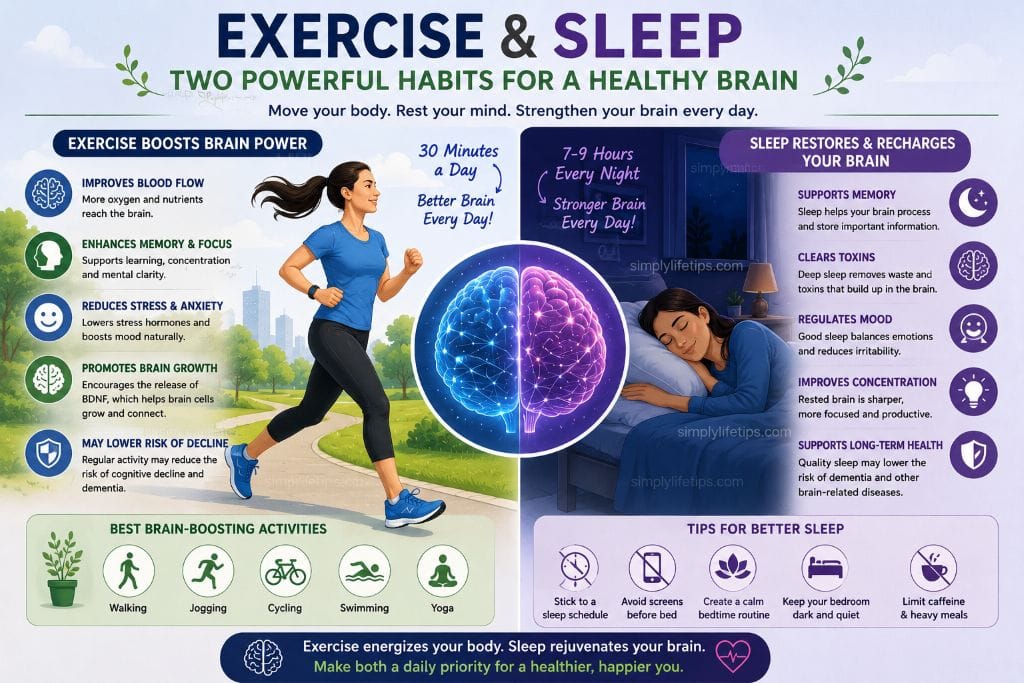
For the best results, combine at least 30 minutes of moderate physical activity most days of the week with 7–9 hours of uninterrupted sleep each night. These simple daily habits can significantly improve memory, concentration, mood, and long-term cognitive health while reducing the risk of neurological disorders.
Exercise Regularly
Physical activity strengthens both the body and the brain.
Examples include:
- Walking
- Cycling
- Swimming
- Yoga
- Strength training
Even 30 minutes of daily activity makes a significant difference.
Eat a Brain-Friendly Diet
The food you eat directly affects your brain’s performance. Nutrient-rich foods provide the building blocks needed for healthy brain cells, better memory, improved concentration, and long-term cognitive function. Incorporating a variety of brain-friendly foods into your daily meals is one of the simplest ways to protect your brain.
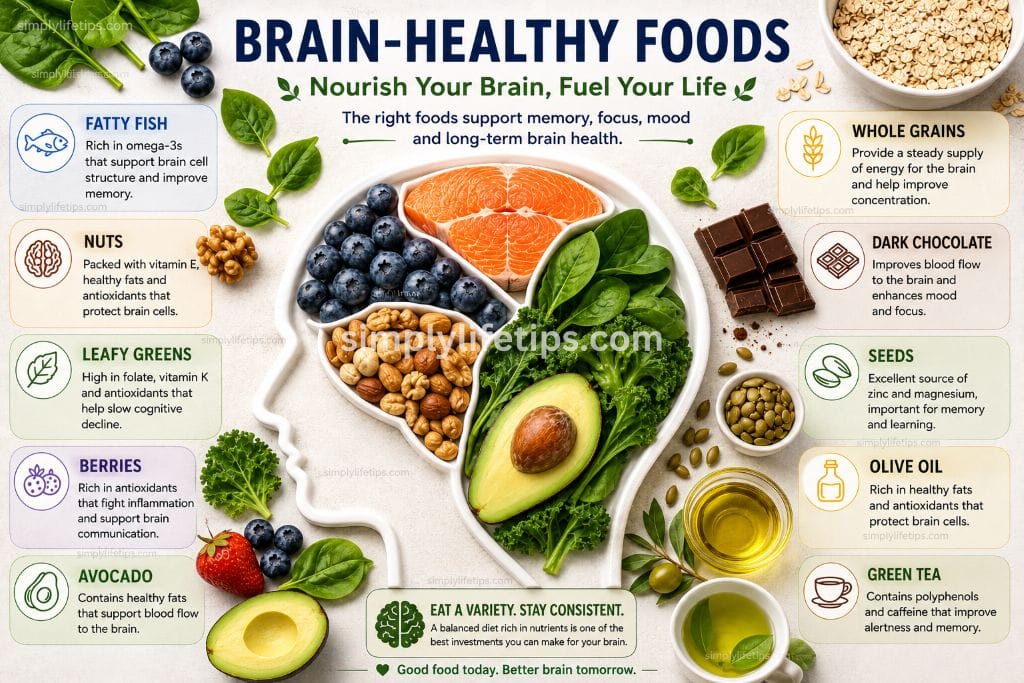
No single food can guarantee perfect brain health, but a balanced diet combining healthy fats, lean proteins, whole grains, fruits, vegetables, nuts, and seeds can significantly support brain function. Combined with regular exercise, quality sleep, and mental stimulation, healthy eating forms the foundation of lifelong cognitive wellness.
Nutrition plays a vital role in cognitive function. Discover the best brain foods for a healthy mind and body that support memory, concentration, and lifelong brain health.
Choose foods that nourish your brain:
- Fresh fruits
- Vegetables
- Whole grains
- Nuts
- Fish rich in omega-3 fatty acids
- Healthy oils
Reduce processed foods, excess sugar, and unhealthy fats.
Keeping your mind active is one of the best ways to protect cognitive function. Explore these habits that make the brain smarter and strengthen your learning ability every day.
Keep Learning
The brain loves challenges.
Stimulate it by:
- Reading books
- Solving puzzles
- Learning a language
- Playing strategy games
- Taking online courses
Lifelong learning helps maintain cognitive function.
Stay Socially Connected
Strong relationships support emotional well-being and cognitive health.
Spend meaningful time with:
- Family
- Friends
- Community groups
Human connection remains one of the brain’s greatest protective factors.
Spending time with loved ones and sharing joyful moments can improve emotional well-being. Learn more about the benefits of laughter and how laughter naturally supports a healthier brain.
Quick Visual Guide:
The infographic below summarizes the most important daily habits that help protect your brain and reduce the risk of neurological disorders.
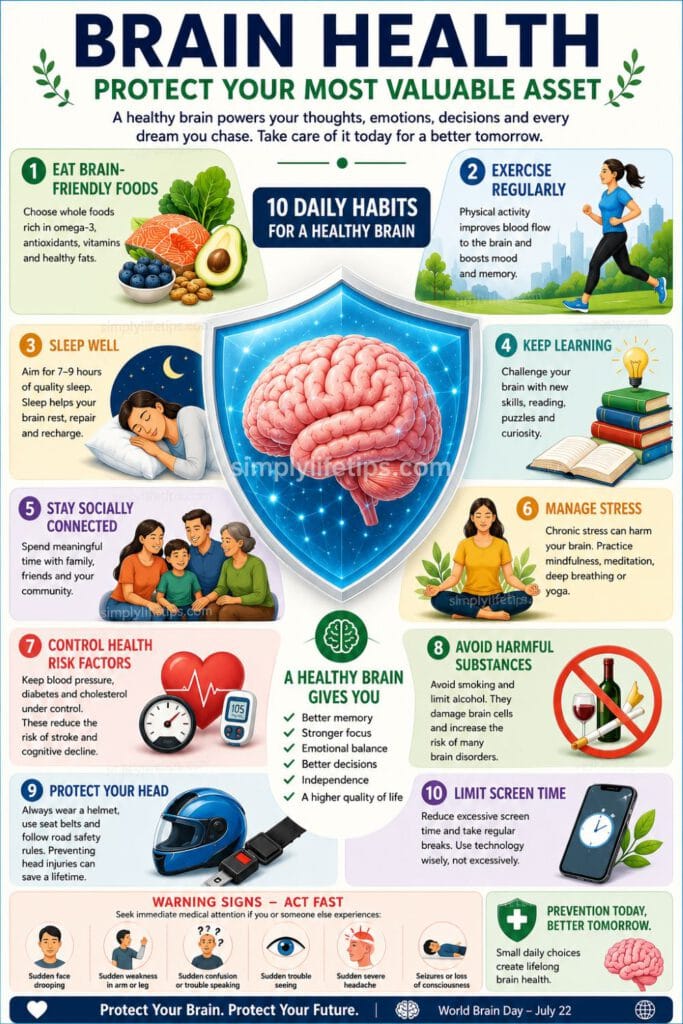
Healthy brain habits are most effective when practiced consistently. Even small lifestyle changes made today can improve cognitive function, lower the risk of stroke and dementia, and support long-term brain health.
The Digital Age Challenge
Technology has transformed our lives, but it also competes constantly for our attention.
Today, smartphones serve as our:
- Alarm clock
- Office
- Classroom
- Entertainment center
- Communication device
Technology should remain a helpful tool—not become the master of our attention.
Your emotions and motivation are influenced by powerful brain chemicals. Read about brain chemistry and the dose of happiness to understand how your brain affects your mood and mental well-being.
Healthy digital habits include:
- Limiting unnecessary screen time
- Taking regular breaks
- Avoiding excessive phone use before bedtime
- Spending more time in face-to-face conversations
- Practicing mindfulness
The strongest connections in life are built through people, not Wi-Fi.
Recognize Brain Emergency Warning Signs
A stroke is a medical emergency where every second counts. Learning the FAST warning signs can help you recognize a stroke quickly and seek immediate treatment, significantly improving the chances of recovery.
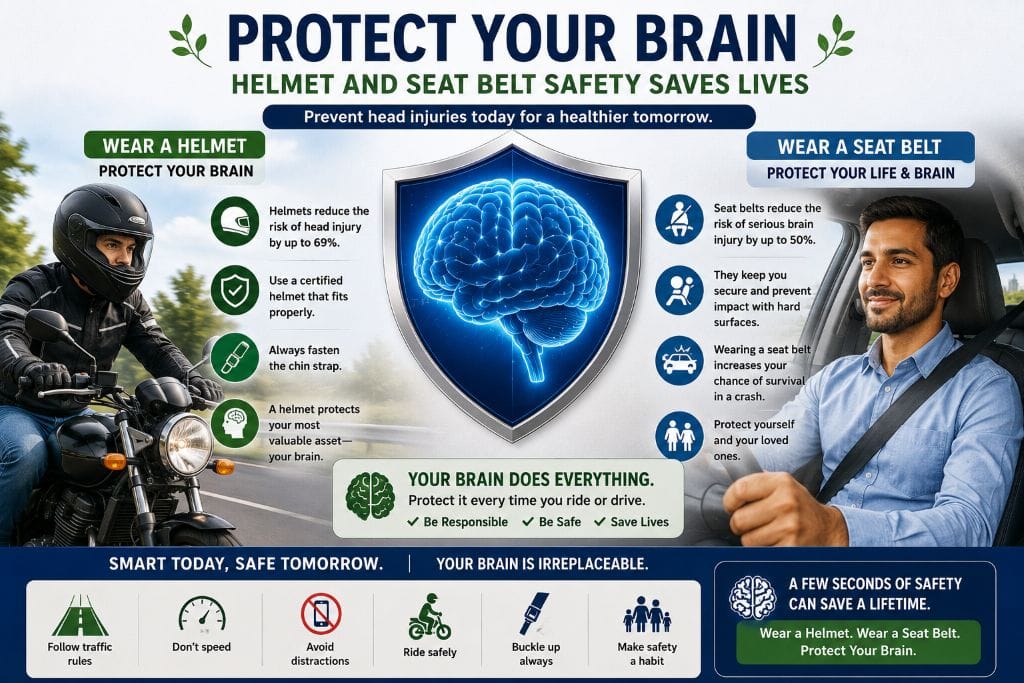
Never ignore sudden facial drooping, weakness on one side of the body, difficulty speaking, or confusion. If you notice any FAST symptoms in yourself or someone else, call emergency medical services immediately. Acting fast can save brain cells, reduce disability, and save lives.
Seek immediate medical attention if someone experiences:
- Sudden weakness on one side of the body
- Facial drooping
- Difficulty speaking
- Sudden severe headache
- Seizures
- Loss of consciousness
- Sudden confusion
- Vision problems
When it comes to brain emergencies, every minute matters.
Brain Health in the Age of Artificial Intelligence
Artificial Intelligence is reshaping the world, but it cannot replace the qualities that make us truly human.
A healthy brain allows us to nurture:
- Compassion
- Creativity
- Wisdom
- Empathy
- Resilience
- Hope
These qualities define humanity and remain beyond the capabilities of machines.
A Simple Promise to Your Brain
Your brain has protected you since the day you were born.
Now it is your turn to protect it.
Make these habits part of your daily life:
- Wear a helmet.
- Control your blood pressure.
- Exercise every day.
- Eat nutritious food.
- Sleep well.
- Read regularly.
- Laugh often.
- Spend time with your family.
- Keep learning.
- Never ignore warning signs of neurological emergencies.
Small daily choices create lifelong brain health.
Brain Health Quote
Brain health is built through the choices we make every day. Even small lifestyle improvements can have a lasting impact on memory, focus, emotional well-being, and overall quality of life.
Let this reminder inspire you to care for your brain every day. Protecting your brain today is one of the greatest investments you can make for a healthier, happier, and more independent future.
Conclusion
Your brain is your most valuable asset. It stores your memories, shapes your personality, drives your decisions, and makes every dream possible. Unlike many things in life that can be replaced or rebuilt, you have only one brain.
Protecting your brain starts with simple daily habits—wearing a helmet, controlling blood pressure, eating nutritious foods, exercising regularly, sleeping well, managing stress, and seeking medical care when warning signs appear. Every healthy choice you make today contributes to better brain function tomorrow.
As we observe World Brain Day and embrace the theme “Brain Health: Access for All,” let us work toward a future where everyone has the knowledge, resources, and opportunity to protect their brain health. A healthy brain benefits not only individuals but also families, communities, and society as a whole.
Looking for more practical advice? Explore our complete guide on proven ways to keep your brain healthy for additional science-backed tips to protect your brain throughout life.
Save This Brain Health Guide for Later
Want to remember these brain health tips? Save this Pinterest guide so you can revisit the healthy habits that protect memory, improve focus, reduce stress, and support lifelong brain health. It’s also a great resource to share with family and friends.
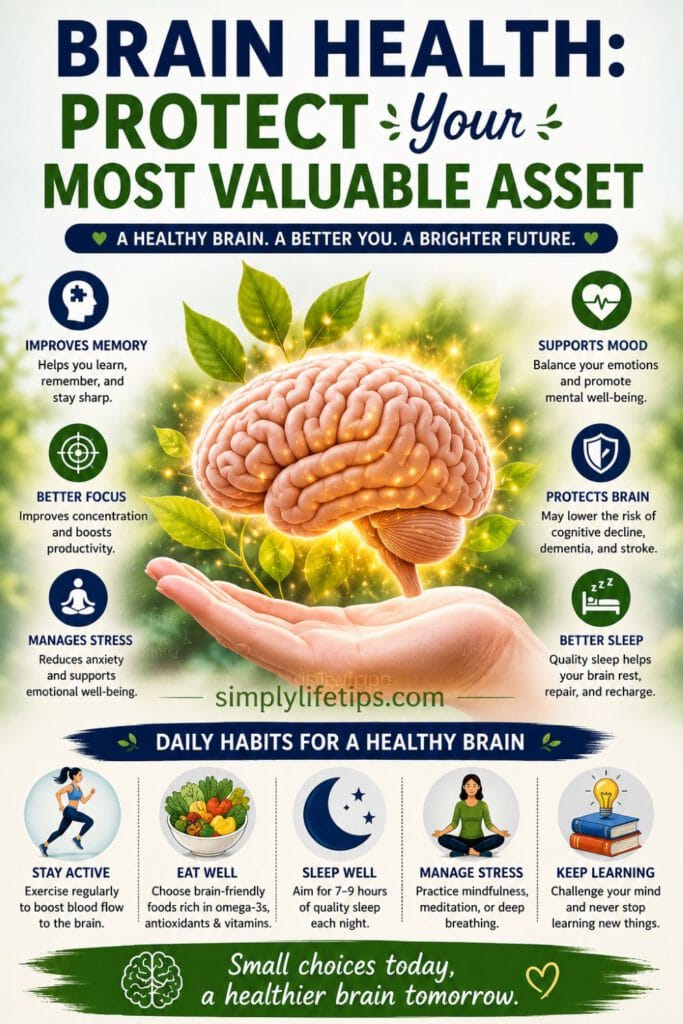
Building a healthier brain doesn’t require drastic changes. Simple daily habits—such as eating nutritious foods, exercising regularly, sleeping well, managing stress, and continuing to learn—can make a lasting difference. Save this guide on Pinterest to inspire healthier choices every day.
Frequently Asked Questions
What is brain health?
Brain health refers to the brain’s ability to function effectively in thinking, learning, memory, emotions, movement, and daily activities throughout life.
How can I improve my brain health naturally?
Maintain a healthy diet, exercise regularly, sleep well, manage stress, stay socially active, continue learning, and avoid smoking and excessive alcohol.
Can lifestyle changes reduce the risk of stroke?
Yes. Controlling blood pressure, diabetes, cholesterol, exercising regularly, and avoiding tobacco can significantly reduce stroke risk.
Why is sleep important for brain health?
During sleep, the brain repairs itself, consolidates memories, removes waste products, and prepares for optimal performance the next day.
What are the warning signs of a brain emergency?
Sudden weakness, facial drooping, speech difficulty, severe headache, seizures, loss of consciousness, confusion, or vision changes require immediate medical attention.
References:
- World Health Organization (WHO) – Brain Health
- World Health Organization (WHO) – Dementia
- Centers for Disease Control and Prevention (CDC) – Stroke Signs and Symptoms
- Alzheimer’s Association – 10 Healthy Habits for Your Brain
- Mayo Clinic – Stroke: Symptoms and Causes

Mathukutty P V is a Blogger, YouTuber, and Content Writer and the founder of Simply Life Tips. After taking voluntary retirement in 2017, he embraced a free lifestyle focused on learning, personal growth, and sharing practical wisdom to help others live with more purpose and positivity.