

Preventive healthcare is becoming increasingly important as people face new and growing health challenges. Although medical science is advancing rapidly, many diseases continue to affect millions of people worldwide.
Artificial intelligence, genetic treatments and robotic surgery are transforming modern medicine. Doctors can now detect and treat many conditions more effectively.
However, medical progress alone cannot guarantee a healthy life.
People are living longer, but many also face lifestyle diseases and age-related health problems. Unhealthy food habits, lack of exercise, stress and poor sleep can increase these risks.
Preventive healthcare focuses on reducing disease risks, identifying health problems early and avoiding serious complications.
For example, regular blood pressure checks can help identify high blood pressure before it causes serious damage. Similarly, routine blood sugar tests can help detect diabetes at an early stage.
The World Health Organization (WHO) identifies noncommunicable diseases as a major global health challenge. These include heart disease, cancer, diabetes and chronic respiratory diseases. Read more about noncommunicable diseases.
As populations age and lifestyles change, preventive healthcare will become even more important.
Let’s explore five important health challenges that deserve attention in the coming years, particularly in the context of the world, India and Kerala. We will also look at practical ways to protect ourselves and our families.
What Is Preventive Healthcare?
Preventive healthcare means taking steps to prevent diseases or identify health problems before they become serious.
It includes healthy lifestyle habits, vaccinations, regular medical check-ups and recommended screening tests.
For example, a person who checks blood pressure regularly may discover hypertension before experiencing complications. Similarly, cancer screening can help identify certain cancers at an earlier stage.
Preventive healthcare does not guarantee that we will never become ill. However, it can reduce many health risks and improve our quality of life.
Why Is Preventive Healthcare Important?
Many serious diseases develop slowly. Some do not cause noticeable symptoms in their early stages.
A person may have high blood pressure without feeling unwell. Someone with diabetes may also remain unaware of the condition for years.
Without appropriate health checks, these conditions may remain undetected.
Preventive healthcare helps people:
- Identify health problems early.
- Reduce the risk of serious diseases.
- Control existing health conditions.
- Avoid preventable complications.
- Improve physical and mental well-being.
- Maintain independence during old age.
For example, controlling blood pressure can reduce the risk of heart disease and stroke. Regular exercise can also improve blood sugar control and support heart health.
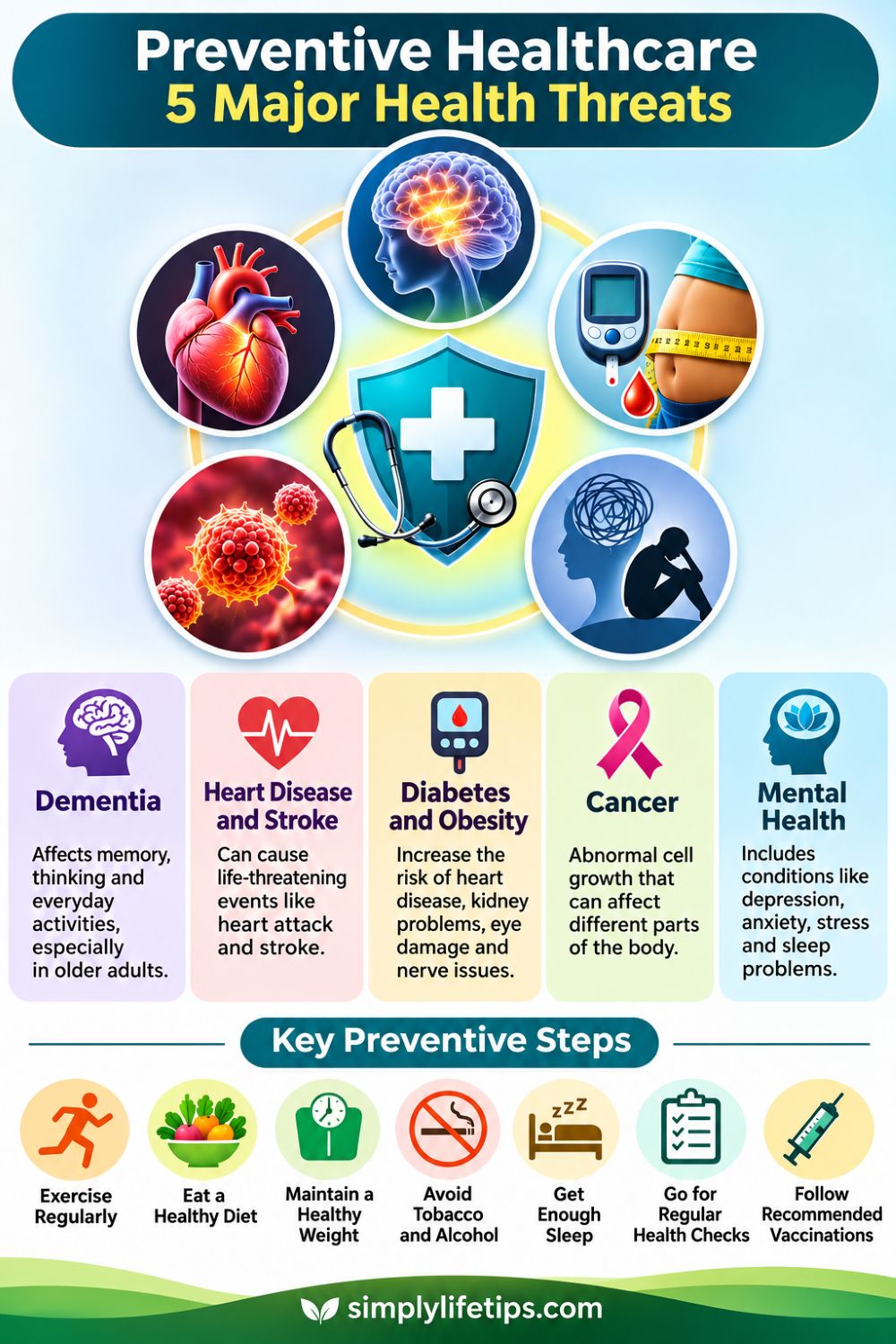
Five Major Health Threats We Should Prepare For
1. Dementia and Declining Brain Health
Dementia is becoming an important public health concern. The risk increases with age.
Dementia is not a single disease. It is a group of conditions that affect memory, thinking, behaviour and everyday activities. Alzheimer’s disease is its most common cause.
People with dementia may experience:
- Increasing forgetfulness.
- Difficulty recognising familiar people.
- Confusion about places and time.
- Problems with speaking and communication.
- Difficulty performing everyday tasks.
- Changes in mood and behaviour.
For example, an older person may repeatedly forget recent conversations. They may also struggle to manage familiar household activities.
These changes can affect the entire family. Caregivers may face emotional, physical and financial stress.
According to the World Health Organization’s dementia facts, dementia affects millions of people worldwide and creates significant challenges for families and healthcare systems.
How Can We Protect Brain Health?
Some healthy habits can support brain health:
- Stay physically active.
- Eat a balanced diet.
- Maintain healthy blood pressure and blood sugar.
- Read books and learn new skills.
- Maintain social relationships.
- Get enough sleep.
- Seek help for hearing problems and depression.
For example, reading, gardening, learning a musical instrument or playing board games can keep the mind active.
Music can also create meaningful moments for older adults and people living with dementia. Read our article on music and dementia to explore how familiar songs may support memory, mood and social connection.
Dementia is not an inevitable part of ageing. Early medical assessment is important when memory problems affect everyday life.
If someone in your family is living with dementia, read our guide to dementia care and practical tips for families and caregivers to learn how to provide safe, compassionate and respectful support.
2. Heart Disease and Stroke
Heart disease and stroke are among the leading causes of death worldwide.
Several lifestyle factors increase their risk. These include high blood pressure, diabetes, obesity, smoking, unhealthy eating and physical inactivity.
A heart attack occurs when blood flow to part of the heart is blocked. A stroke occurs when blood supply to part of the brain is interrupted or a blood vessel ruptures.
Both conditions require urgent medical attention.
Common risk factors include:
- High blood pressure.
- High cholesterol.
- Uncontrolled diabetes.
- Excess body weight.
- Smoking.
- Lack of exercise.
- Unhealthy food habits.
For example, a person with uncontrolled high blood pressure may have a higher risk of both heart attack and stroke.
A stroke can also cause long-term problems. Some survivors experience difficulty walking, speaking or performing daily activities.
The WHO provides further information about cardiovascular diseases, including their risk factors and prevention.
How Can We Reduce the Risk?
- Check blood pressure regularly.
- Control blood sugar and cholesterol.
- Exercise regularly.
- Avoid tobacco.
- Eat a balanced diet.
- Maintain a healthy weight.
- Follow medical advice.
Learn the warning signs of stroke. Sudden facial drooping, weakness in an arm or leg and difficulty speaking are important warning signs.
Read our detailed guide on brain stroke symptoms and warning signs to understand why early recognition is important.
Seek emergency medical care immediately if stroke symptoms appear. Do not wait for them to disappear.
3. Diabetes, Obesity and Metabolic Diseases
Diabetes and obesity are major health concerns. Their impact may increase as food habits and lifestyles change.
Excessive consumption of sugary drinks, processed foods and high-calorie meals can contribute to weight gain.
Physical inactivity and poor sleep can also increase metabolic health risks.
Type 2 diabetes is particularly concerning. It may develop gradually without obvious symptoms.
Uncontrolled diabetes can damage several organs.
- Kidneys: It can cause chronic kidney disease.
- Eyes: It can damage the blood vessels in the retina.
- Heart: It increases the risk of cardiovascular disease.
- Nerves: It can cause pain, numbness and loss of sensation.
- Blood vessels: It can lead to circulation problems.
For example, a person with poorly controlled diabetes may develop foot problems because of nerve damage and reduced blood circulation.
Obesity, particularly excess abdominal fat, can also increase the risk of diabetes and heart disease.
The WHO diabetes fact sheet explains the health effects of diabetes and the importance of prevention and proper management.
How Can We Prevent These Problems?
- Reduce sugary drinks and sweets.
- Eat more vegetables and fruits.
- Include whole grains and pulses in meals.
- Exercise regularly.
- Avoid prolonged sitting.
- Maintain a healthy weight.
- Check blood glucose when recommended.
Simple changes can make a difference. For example, replacing sugary drinks with water and walking for 30 minutes on most days are useful steps.
People at increased risk should discuss diabetes screening with their doctors.
4. Cancer and the Importance of Early Detection
Cancer will remain a major health challenge in the coming years.
Cancer develops when abnormal cells grow uncontrollably. Some cancers can spread to other parts of the body.
Ageing, tobacco use, harmful alcohol consumption, obesity, certain infections and environmental exposures can increase cancer risk.
Common cancers include:
- Breast cancer.
- Lung cancer.
- Colorectal cancer.
- Prostate cancer.
- Cervical cancer.
Early detection can improve treatment options and outcomes for several types of cancer.
For example, recommended breast and cervical cancer screening can help identify certain cancers or precancerous changes before they become more advanced.
The WHO cancer information page explains cancer risk factors, prevention and the importance of early diagnosis.
How Can We Reduce Cancer Risks?
- Avoid tobacco in all forms.
- Avoid alcohol for the lowest health risk.
- Maintain a healthy weight.
- Eat a balanced diet.
- Stay physically active.
- Follow recommended vaccination guidance.
- Discuss appropriate cancer screening with a doctor.
HPV vaccination helps prevent infections that can cause cervical cancer. Hepatitis B vaccination can reduce the risk of liver cancer associated with chronic hepatitis B infection.
Do not ignore unusual symptoms. Persistent lumps, unexplained bleeding and unexplained weight loss need medical evaluation.
Not every symptom indicates cancer. A medical assessment can help identify the cause.
5. Mental Health Problems
Mental health is just as important as physical health.
Depression, anxiety, substance dependence and sleep problems can affect people of all ages.
Modern life brings many opportunities. However, it also creates new pressures.
Some common contributing factors include:
- Financial difficulties.
- Workplace stress.
- Family responsibilities.
- Social isolation.
- Academic pressure.
- Excessive screen time.
- Poor sleep habits.
For example, a person facing continuous work pressure may experience anxiety and sleep difficulties. A young person who feels socially isolated may develop emotional problems.
Mental health conditions can affect relationships, education, work and everyday activities.
Unfortunately, many people hesitate to seek help because of social stigma.
The WHO information on mental disorders explains the importance of recognising and treating mental health conditions.
How Can We Protect Mental Health?
- Maintain supportive relationships.
- Exercise regularly.
- Get sufficient sleep.
- Take breaks from digital devices.
- Develop healthy ways to manage stress.
- Spend time with family and friends.
- Seek professional help when needed.
For example, a daily walk, meaningful conversations and regular sleep habits can support emotional well-being.
You can also read about mental fatigue and its symptoms to understand how prolonged mental exhaustion can affect everyday life.
Certain anxiety-related conditions can also interfere with daily activities. Learn more about acrophobia and the fear of heights.
Persistent sadness, loss of interest and hopelessness should not be ignored. Mental health conditions are treatable. Early professional support can help.
How to Practise Preventive Healthcare Every Day
Preventive healthcare does not always require expensive treatments or complicated routines. Many useful steps are simple and practical.
1. Exercise Regularly
Physical activity supports heart health, brain health and healthy body weight.
Adults should aim for at least 150–300 minutes of moderate-intensity physical activity each week.
Walking, cycling, swimming and dancing are good options.
For example, a 30-minute brisk walk on most days can help improve fitness.
Adults should also include muscle-strengthening activities at least two days a week.
Follow the WHO physical activity recommendations for further guidance.
2. Eat Healthy Food
A balanced diet provides the nutrients your body needs.
Include:
- Fresh vegetables and fruits.
- Whole grains.
- Pulses and beans.
- Nuts and seeds.
- Suitable protein sources.
Limit excessive salt, sugar and saturated fat.
For example, replace frequent fried snacks with fruits, nuts or other healthier options.
3. Maintain a Healthy Weight
Excess body weight can increase the risk of diabetes, heart disease and certain cancers.
Focus on balanced meals and regular activity. Avoid crash diets and extreme weight-loss methods.
4. Avoid Tobacco and Alcohol
Tobacco increases the risk of cancer, heart disease and respiratory diseases.
Avoid smoking and smokeless tobacco.
Not drinking alcohol is the safest option for health. Alcohol consumption can increase the risk of several diseases.
5. Get Enough Sleep
Most adults need at least seven hours of sleep each night.
Maintain a regular sleeping schedule. Reduce screen use before bedtime and create a comfortable sleeping environment.
Do not ignore persistent snoring, breathing interruptions during sleep or excessive daytime sleepiness. These may require medical evaluation.
6. Go for Regular Health Checks
Do not wait until you become ill to check your health.
Discuss appropriate screening and health checks with your doctor.
These may include:
- Blood pressure.
- Blood glucose.
- Cholesterol.
- Kidney function, when indicated.
- Age-appropriate cancer screening.
The tests and their frequency depend on your age, medical history and individual risk factors.
7. Follow Recommended Vaccinations
Vaccination can prevent several infectious diseases and related complications.
For example, HPV vaccination helps protect against infections that can cause cervical cancer.
Hepatitis B vaccination helps prevent hepatitis B infection and reduces the associated risk of liver cancer.
Discuss suitable vaccinations with your healthcare professional.
8. Keep Your Brain Active
Mental stimulation and social interaction are important throughout life.
Read books, learn new skills and participate in activities you enjoy.
For example, learning a new language, gardening or joining a community group can provide mental and social stimulation.
Also seek treatment for hearing difficulties, depression and other health problems.
Five Health Warning Signs You Should Never Ignore
Some symptoms need prompt medical attention.
Watch out for these warning signs:
- Memory problems: Increasing forgetfulness that affects daily activities.
- Possible heart attack or stroke: Chest pain, sudden facial drooping, weakness or difficulty speaking.
- Possible diabetes: Excessive thirst, frequent urination and unexplained weight loss.
- Possible cancer: Unusual bleeding, persistent lumps or unexplained weight loss.
- Mental health problems: Persistent sadness, loss of interest and emotional difficulties that affect daily life.
These symptoms do not always indicate serious disease. However, they need appropriate medical evaluation.
Some chronic diseases may develop without noticeable symptoms. Therefore, do not depend only on warning signs. Follow health screening advice based on your individual risk.
Important: Suspected heart attack or sudden stroke symptoms require immediate emergency care. Do not delay treatment.
A Message to Families in Kerala
Preventing disease is often better than managing serious complications later.
Families work hard to provide children with good education and financial security. But how much attention do we give to teaching them healthy habits?
Consider some common situations:
- Children spending hours on mobile phones instead of playing outdoors.
- Adults sitting for long periods without exercise.
- Families consuming too many processed foods.
- People ignoring high blood pressure because they feel healthy.
- Older family members experiencing memory problems without seeking medical advice.
These habits deserve attention.
The next generation needs more than money and education. They also need the knowledge to protect their health.
Kerala has made important progress in healthcare and education. We must also give greater attention to preventive healthcare, healthy ageing and mental well-being.
Parents can encourage children to play outdoors and eat healthy food. Adults can make walking and regular health checks part of their routine. Families can also support older members who need medical attention.
Small changes can have long-term benefits.
A healthy habit adopted today may reduce the risk of serious illness tomorrow. Sharing accurate health information may even help save a life.
Conclusion
Dementia, heart disease, stroke, diabetes, cancer and mental health problems are important health challenges.
Their impact may grow over the coming years. However, we do not have to wait for disease to take action.
Preventive healthcare begins with everyday decisions. Eat well, stay active, sleep properly and avoid harmful habits. Check your health regularly and seek medical advice when needed.
Not every disease can be prevented. But many health risks can be reduced through informed choices and timely care.
Your health is one of your family’s greatest assets. Are you taking the right steps to protect it today?
Frequently Asked Questions (FAQs)
1. What is preventive healthcare?
Preventive healthcare means taking steps to prevent diseases or identify health problems early. It includes healthy lifestyle habits, vaccinations, medical check-ups and recommended screening tests.
2. What are some examples of preventive healthcare?
Examples include regular exercise, balanced eating, blood pressure checks, diabetes screening, vaccinations and age-appropriate cancer screening.
3. What are the five major health threats for the future?
Five important health challenges are dementia, heart disease and stroke, diabetes and obesity, cancer, and mental health disorders. Their impact may increase as populations age and lifestyle patterns change.
4. How can I prevent lifestyle diseases?
Maintain a healthy weight, exercise regularly, eat balanced meals, avoid tobacco and get sufficient sleep. Monitor blood pressure, blood glucose and cholesterol when recommended.
5. Why is early detection important?
Early detection can identify certain diseases before serious complications develop. It can also improve treatment options and outcomes. Regular health checks should be based on individual risk factors and medical advice.
Medical Disclaimer
This article is intended for general health education and awareness. It does not replace professional medical advice, diagnosis or treatment. Consult a qualified healthcare professional for personal medical concerns.
Attribution: Adapted from an original Malayalam health-awareness Facebook post by Dr Arun Oommen, Neurosurgeon. English adaptation, additional explanations and editorial development by Simply Life Tips.

Mathukutty P. V. is the founder of Simply Life Tips. He shares practical advice and useful insights on personal growth, health, well-being, technology, and everyday living. His goal is to help readers build positive habits and make informed decisions. He believes in continuous learning and sharing knowledge to help people live healthier, happier, and more meaningful lives.


