
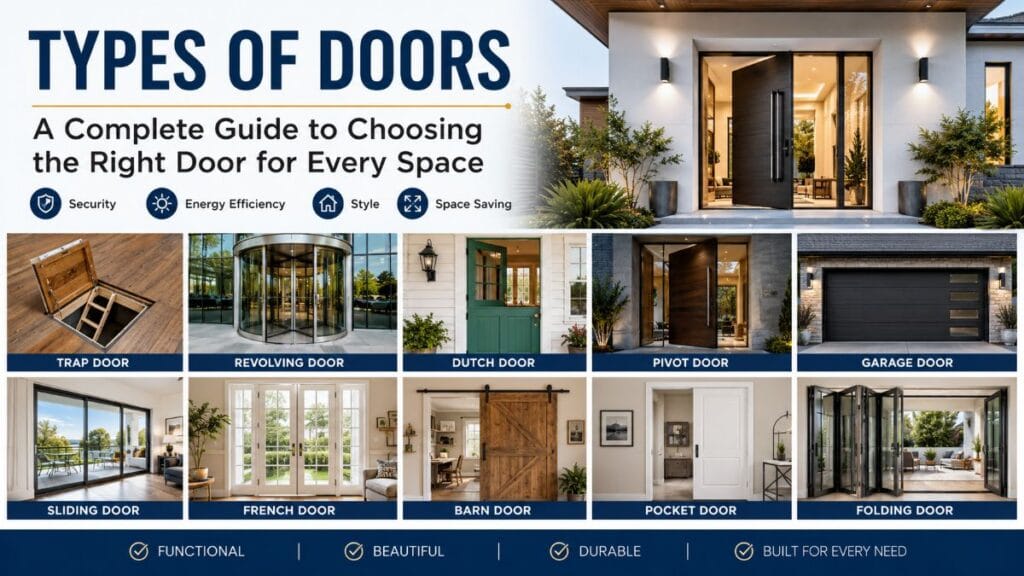
Types of doors play a vital role in both residential and commercial buildings. They do much more than separate rooms—they improve security, increase energy efficiency, enhance privacy, and elevate the overall style of a property.
From space-saving pocket doors to elegant French doors and practical garage doors, every design serves a specific purpose. Choosing the right one depends on your available space, budget, architectural style, and daily needs.
This comprehensive guide explains the most popular types of doors, their advantages, disadvantages, common materials, ideal locations, maintenance requirements, and buying tips so you can confidently choose the right door for your project.
Importance of Choosing the Right Door
Choosing the right door can dramatically improve your home’s appearance, functionality, and value. With so many types of doors available, it can be challenging to know which one is best for your space. From elegant French doors to space-saving pocket doors and modern pivot doors, each style has its own advantages. Save this guide for future reference and discover the perfect door for every room and entrance.
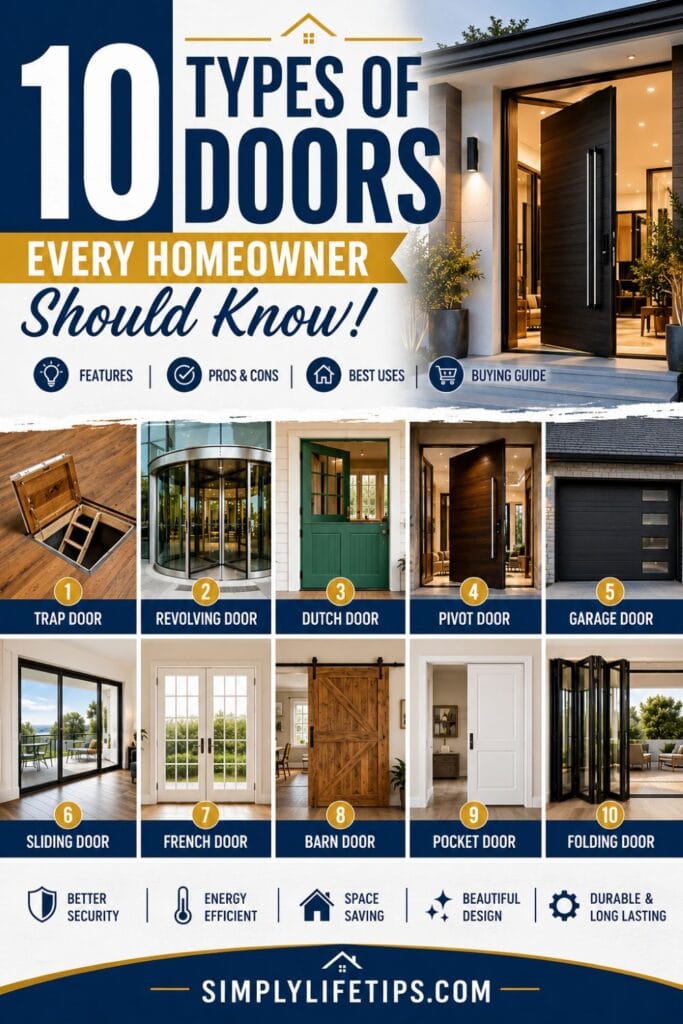
Whether you’re building a new home, renovating, or simply replacing an old door, understanding the different types of doors helps you make a smarter investment. Pin this guide so you can easily compare door styles whenever you need inspiration.
The right door contributes significantly to the comfort and functionality of a home. A poorly chosen door can waste valuable space, reduce energy efficiency, compromise security, or clash with your home’s design.
Benefits of selecting the appropriate door include:
- Better security
- Improved insulation
- Increased property value
- Enhanced aesthetics
- Efficient use of available space
- Reduced maintenance costs
- Better natural lighting
- Improved accessibility
For example, a pocket door works well in a compact bathroom where a swinging door would occupy too much floor space, while French doors are perfect for opening a living room to a garden or patio.
Trap Door

A trap door is a horizontal door installed in floors or ceilings, providing access to hidden spaces such as basements, attics, storage areas, or utility rooms.
Advantages
- Saves space
- Conceals storage areas
- Provides secure hidden access
- Suitable for emergency exits
Disadvantages
- Not suitable for everyday access
- Requires careful installation
- May present safety concerns without secure locking
Best Uses
- Wine cellars
- Hidden storage
- Underground shelters
- Maintenance access
Revolving Door
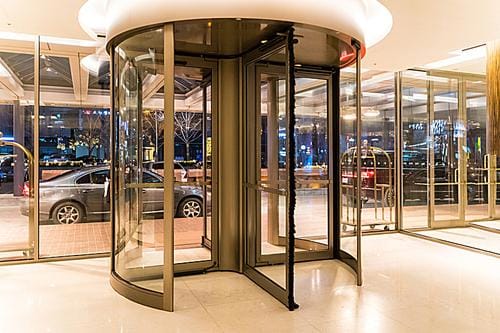
Revolving doors rotate around a central shaft, allowing continuous entry and exit while minimizing air exchange.
Advantages
- Excellent energy efficiency
- Handles heavy pedestrian traffic
- Reduces outside noise
- Enhances security
Disadvantages
- Expensive installation
- Requires maintenance
- Unsuitable for moving large furniture
Best Uses
- Hotels
- Airports
- Shopping malls
- Office buildings
Dutch Door
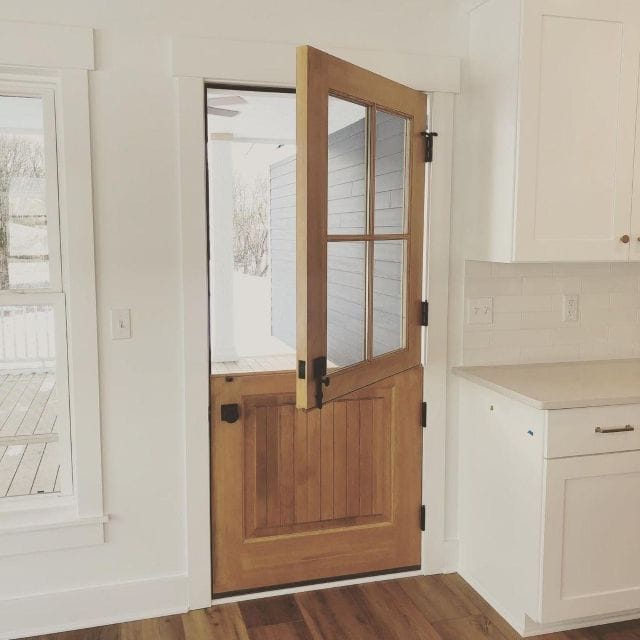
Dutch doors are divided horizontally into two independently operated sections.
Advantages
- Improved ventilation
- Keeps children and pets contained
- Charming farmhouse appearance
Disadvantages
- Higher installation cost
- Weather sealing requires precision
Best Uses
- Kitchens
- Farmhouses
- Nurseries
- Back entrances
Pivot Door
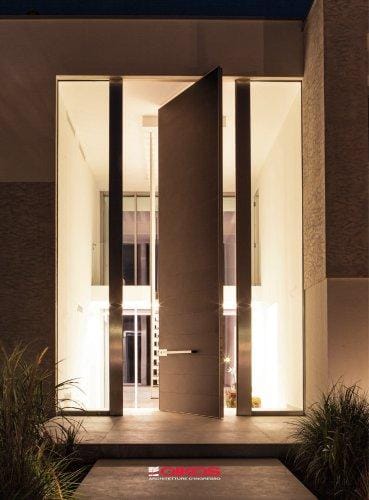
Pivot doors rotate on pivot hinges instead of traditional side hinges, creating a striking architectural statement.
Advantages
- Contemporary appearance
- Supports oversized doors
- Smooth operation
- Premium aesthetic
Disadvantages
- High cost
- Professional installation required
Best Uses
- Luxury homes
- Modern villas
- Corporate entrances
Garage Door
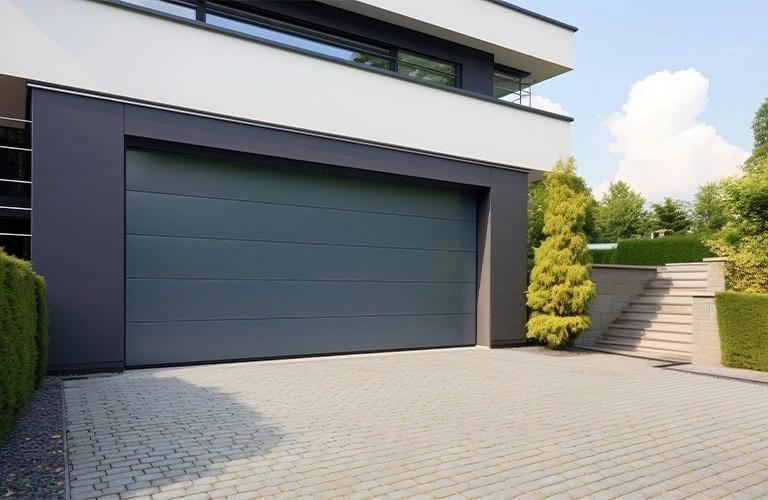
Garage doors protect vehicles while providing secure access to garages.
Common Types
- Sectional
- Roll-up
- Side-hinged
- Tilt-up
Advantages
- High security
- Insulated options available
- Remote operation
Disadvantages
- Mechanical parts require maintenance
- Automatic systems increase costs
Sliding Door
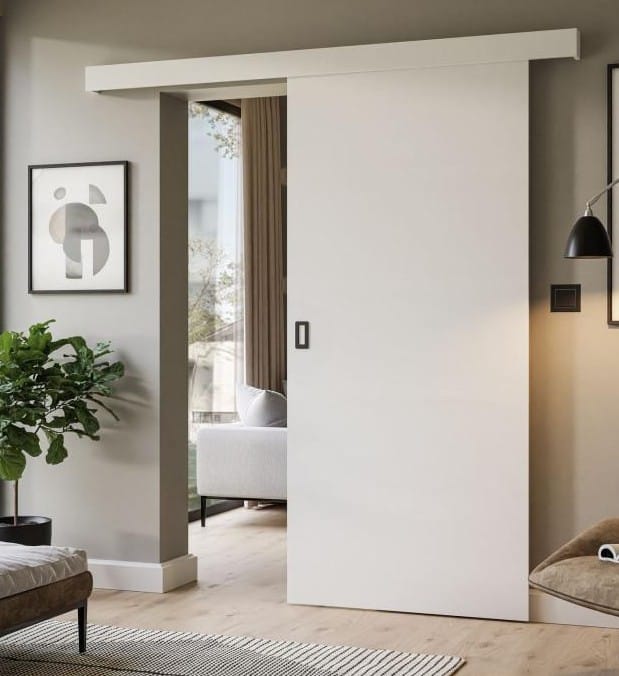
Sliding doors move horizontally along tracks rather than swinging open.
Advantages
- Saves floor space
- Allows abundant natural light
- Modern appearance
Disadvantages
- Track cleaning required
- Lower sound insulation than hinged doors
Best Uses
- Patios
- Balconies
- Closets
- Offices
French Door
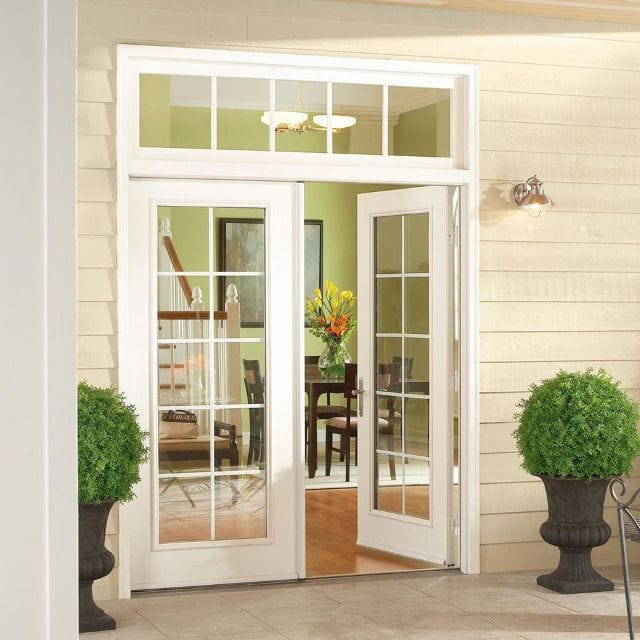
French doors feature two hinged panels, often fitted with large glass panes that maximize daylight.
Advantages
- Elegant appearance
- Excellent natural lighting
- Increases visual openness
Disadvantages
- Requires swing clearance
- Glass requires regular cleaning
Best Uses
- Dining rooms
- Patios
- Living rooms
- Gardens
Barn Door
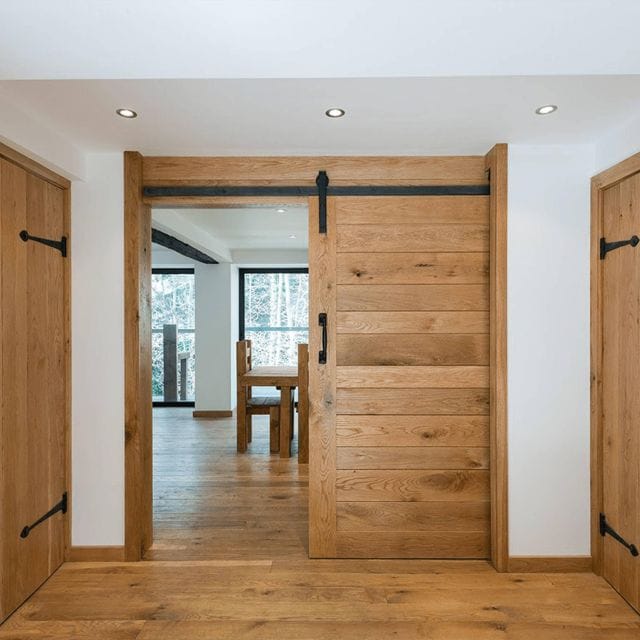
Barn doors slide along an exposed track mounted above the doorway, combining functionality with rustic style.
Advantages
- Saves space
- Attractive design
- Easy installation
Disadvantages
- Limited sound privacy
- Wall space required
Best Uses
- Bedrooms
- Bathrooms
- Home offices
- Farmhouse interiors
Pocket Door
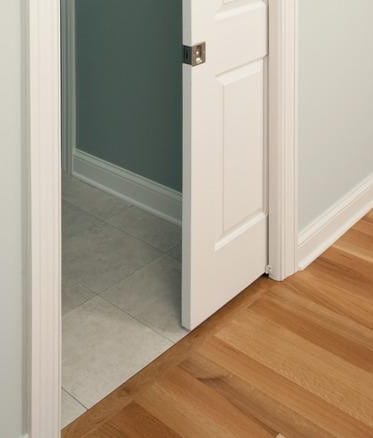
Pocket doors slide completely inside the wall, disappearing when opened.
Advantages
- Maximum space savings
- Clean appearance
- Excellent for small rooms
Disadvantages
- Complex installation
- Difficult repairs after wall completion
Best Uses
- Bathrooms
- Closets
- Small apartments
- Utility rooms
Folding Door
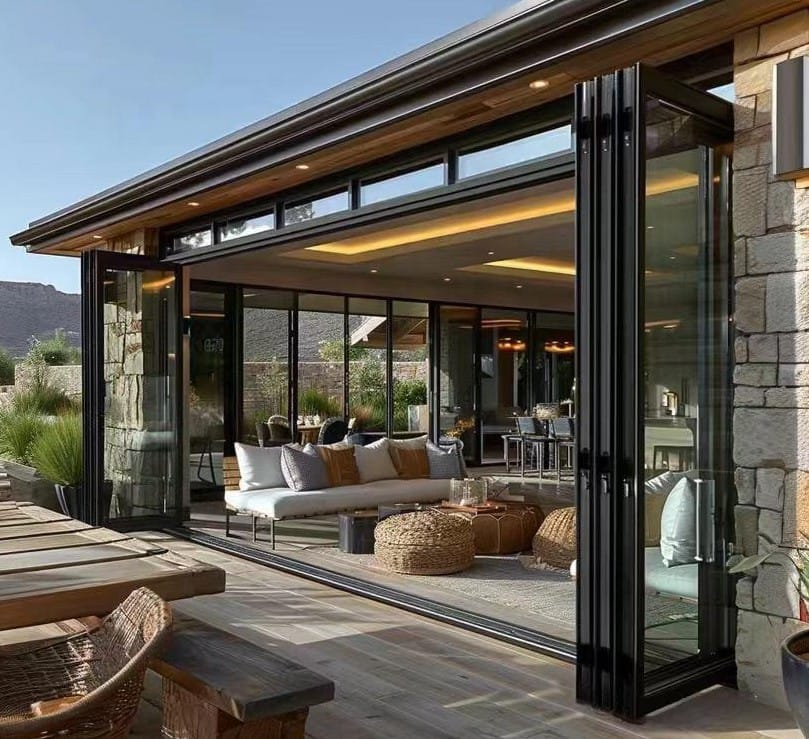
Folding doors consist of multiple panels that fold neatly to one side.
Advantages
- Wide openings
- Space efficient
- Flexible room separation
Disadvantages
- Multiple hinges require maintenance
- Higher cost than standard doors
Best Uses
- Patios
- Conference rooms
- Closets
- Balconies
Comparison of Popular Types of Doors
| Door Type | Space Saving | Natural Light | Security | Best For |
|---|---|---|---|---|
| Trap Door | ★★★★★ | Low | High | Hidden access |
| Revolving Door | ★★☆☆☆ | High | High | Commercial buildings |
| Dutch Door | ★★★☆☆ | Medium | Medium | Kitchens |
| Pivot Door | ★★★☆☆ | Medium | High | Luxury entrances |
| Garage Door | ★★★☆☆ | Low | High | Garages |
| Sliding Door | ★★★★★ | Excellent | Medium | Patios |
| French Door | ★★☆☆☆ | Excellent | High | Living rooms |
| Barn Door | ★★★★☆ | Medium | Low | Bedrooms |
| Pocket Door | ★★★★★ | Medium | Medium | Small spaces |
| Folding Door | ★★★★☆ | High | Medium | Large openings |
Factors to Consider Before Buying a Door
When selecting from the many types of doors, evaluate:
- Available floor space
- Door material
- Climate conditions
- Maintenance requirements
- Security needs
- Insulation performance
- Budget
- Interior design style
- Accessibility requirements
- Expected lifespan
For example, aluminum and fiberglass doors resist moisture well in humid climates, while solid wood doors provide a timeless appearance but require more maintenance.
Conclusion
Understanding the different types of doors makes it easier to choose the perfect solution for every part of your home or business. Whether you prefer the elegance of French doors, the space-saving convenience of pocket doors, the modern appeal of pivot doors, or the practicality of garage doors, each style offers distinct advantages.
Evaluate your available space, security requirements, maintenance expectations, and architectural style before making a decision. Investing in the right door improves functionality, enhances curb appeal, and adds lasting value to your property.
Related Articles
- Different Types of Watches | A Complete Guide to Watch Styles and Their Uses
- Types of Shoes | The Ultimate Guide to Popular Shoe Styles and Their Uses
- Types of Bridges | 5 Amazing Bridge Designs and How They Work
Frequently Asked Questions
Which type of door is best for small rooms?
Pocket doors and sliding doors are ideal because they don’t require swing space.
Are pivot doors stronger than traditional hinged doors?
Pivot doors can support larger and heavier panels, making them an excellent choice for oversized entrances.
What is the most energy-efficient commercial door?
Revolving doors are among the most energy-efficient because they reduce air exchange between indoor and outdoor environments.
Which door style adds the most natural light?
French doors and large glass sliding doors provide the highest levels of natural lighting.
Which door requires the least maintenance?
Fiberglass and aluminum sliding doors generally require less maintenance than solid wood doors.
Thanks for reading! Stay healthy, stay active, and keep learning with Simply Life Tips
— PVM

Mathukutty P V is a Blogger, YouTuber, and Content Writer and the founder of Simply Life Tips. After taking voluntary retirement in 2017, he embraced a free lifestyle focused on learning, personal growth, and sharing practical wisdom to help others live with more purpose and positivity.



