
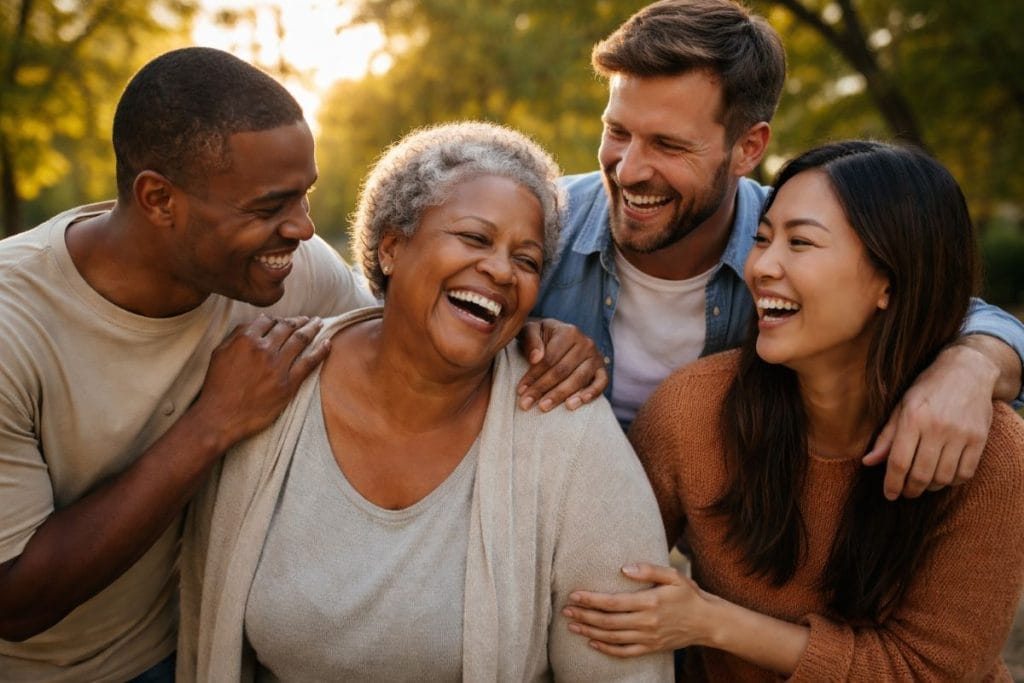
Sharing love is a timeless value that has the power to make the world kinder, lighter, and more humane. In a fast-paced world driven by competition, personal ambition, and constant digital interaction, genuine love and human connection often take a back seat. Yet, it is love—expressed through empathy, compassion, patience, and kindness—that sustains relationships, heals emotional wounds, and gives life deeper meaning. When we consciously choose to share love, we remind ourselves and others that no one is alone, that every life matters, and that goodness still exists even in difficult times. Love is not merely an emotion felt internally; it is a deliberate action that shapes families, communities, workplaces, and society at large.
Importance of Sharing Love
Sharing love is essential because it forms the foundation of healthy human relationships and social harmony. At its core, love creates emotional safety—a space where people feel accepted, valued, and understood without fear of judgment. In families, love nurtures trust and openness, allowing individuals to express their feelings freely. For example, when parents consistently show affection, patience, and encouragement, children grow up with emotional stability and confidence, which positively influences their future relationships and decision-making.
In friendships, love strengthens bonds by fostering loyalty and mutual support. Friends who share love stand by each other during failures, celebrate successes sincerely, and provide honest guidance when needed. In romantic relationships, love becomes the glue that holds partners together during disagreements and life transitions, transforming conflicts into opportunities for growth rather than division.
On a broader scale, sharing love contributes to social peace and unity. Societies divided by differences in opinions, beliefs, or backgrounds often suffer from misunderstanding and hostility. Love expressed through respect, empathy, and compassion reduces these divisions by encouraging people to see each other as human beings first. Acts of love—such as helping strangers, supporting vulnerable groups, or standing up for fairness—build trust and cooperation within communities. In times of crisis, whether caused by natural disasters, economic hardship, or personal loss, love becomes a powerful force that brings people together, reinforcing the idea that collective care is stronger than individual struggle.
Practising Love in Real Life: The Power That Transforms Hearts and Lives
Benefits of Sharing Love
Emotional Well-Being and Inner Peace
One of the most significant benefits of sharing love is improved emotional well-being. Love reduces feelings of loneliness, anxiety, and emotional isolation by creating meaningful connections. When people feel loved and appreciated, their emotional resilience increases, enabling them to cope better with stress and uncertainty. For instance, a person who receives consistent emotional support from loved ones during challenging times is more likely to maintain hope and mental balance. Sharing love also nurtures inner peace, as acts of kindness and compassion create a sense of fulfilment that material achievements alone cannot provide.
Stronger and Healthier Relationships
Love strengthens relationships by promoting trust, honesty, and mutual respect. When love is expressed openly, communication improves, misunderstandings decrease, and emotional intimacy deepens. For example, expressing appreciation to a spouse for everyday efforts can significantly enhance marital satisfaction. Similarly, in professional environments, leaders who show genuine care for their teams foster loyalty, motivation, and collaboration. Love-based relationships are more resilient because they are built on understanding rather than control or obligation.
How to Express Love: Importance, Benefits, and Meaningful Ways to Show It
Personal Growth and Character Development
Sharing love contributes to personal growth by cultivating qualities such as empathy, patience, forgiveness, and humility. When individuals practice love intentionally, they become more aware of others’ feelings and perspectives. For example, forgiving someone who has made a mistake requires emotional maturity and self-awareness, both of which strengthen character. Over time, these qualities shape individuals into more compassionate, balanced, and emotionally intelligent human beings. Love encourages self-reflection and growth, helping people become better versions of themselves.
Positive Impact on Physical and Mental Health
Love has a measurable impact on physical and mental health. Emotional support and affectionate relationships are linked to reduced stress levels, lower blood pressure, and improved immune function. For instance, individuals who feel emotionally connected and supported are less likely to experience chronic stress-related conditions. Love also plays a crucial role in mental health by providing reassurance and stability during emotional turbulence. Knowing that someone genuinely cares can alleviate feelings of despair and hopelessness, offering a sense of security that promotes overall well-being.
Social Harmony and Community Strength
Sharing love strengthens communities by fostering cooperation, generosity, and mutual care. Communities rooted in love and compassion are more resilient in the face of challenges because members support each other rather than compete destructively. For example, neighbourhoods where people regularly help one another—by sharing resources, offering emotional support, or volunteering—create a culture of trust and safety. Love-driven communities encourage inclusivity and reduce social alienation, ensuring that even the most vulnerable individuals feel valued and protected.
Inspiration and the Ripple Effect of Goodness
Love has a ripple effect that extends far beyond the initial act. When someone experiences love, they are more likely to express it toward others, creating a chain reaction of kindness and goodwill. For instance, a simple act such as helping a stranger can inspire them to help someone else, multiplying the impact of love across society. This ripple effect transforms environments, making workplaces more humane, families more nurturing, and communities more compassionate. Love inspires goodness not through force, but through example, proving that positive change often begins with small, sincere actions.
Examples of Sharing Love in Everyday Life
Sharing love does not require extraordinary circumstances or grand gestures; it is often expressed through simple, consistent actions. Listening attentively to someone without interrupting shows respect and care. Offering encouragement to a colleague struggling with self-doubt can restore their confidence. Helping an elderly neighbour with daily chores demonstrates compassion and responsibility. In families, spending quality time together without distractions strengthens emotional bonds. In workplaces, acknowledging effort and showing empathy during personal challenges creates trust and loyalty. These everyday expressions of love collectively contribute to a kinder and more supportive world.

Practical Tips to Share Love More Consistently
Sharing love can become a natural habit through conscious practice. Begin by expressing gratitude regularly, as appreciation reinforces positive emotions and strengthens relationships. Practice active listening, giving full attention without judgment or distraction. Choose kindness in words and actions, especially during disagreements, to prevent unnecessary emotional harm. Offer help freely, without expecting recognition or reward, because selfless love builds genuine connections. Finally, practice forgiveness to release resentment, as forgiveness is one of the most powerful expressions of love and emotional freedom.
Sharing love begins with simple, intentional actions that communicate care, respect, and understanding in everyday life. To share love effectively, start by listening attentively, speaking kindly, offering help without expecting anything in return, and showing appreciation for both small and significant efforts, because love is most powerful when it is expressed consistently rather than occasionally.
For example, a genuine compliment can uplift a discouraged colleague, a few minutes of undivided attention can strengthen family bonds, and a forgiving attitude can heal strained relationships. When love is shared through empathy, patience, and selfless service, it creates trust, deepens connections, and spreads positivity far beyond the immediate moment, making both the giver and receiver feel valued and supported.
Wise Quotes on Love
“Love is not something you feel; it is something you do every day through kindness and compassion.”
Conclusion
Sharing love is not merely a moral ideal; it is a practical necessity for emotional well-being, healthy relationships, and social harmony. Love unites people where there is division, brings hope where there is pain, and provides strength where there is weakness. It heals wounds, inspires goodness, and creates peace within individuals and communities. When love is shared sincerely, it always returns multiplied—through deeper connections, inner peace, and a more compassionate world. Make a conscious choice to share love with those who deserve it, because love given generously is one of the greatest contributions you can make to humanity.
Are you consciously sharing love through your daily words and actions?
FAQs about Share Love
1: What does it mean to share love with others?
Sharing love means expressing care, respect, and compassion through words and actions. It involves understanding others’ emotions and responding with empathy. Love is shared when intentions are sincere and selfless. Even small gestures can communicate deep affection and concern.
2: Why is sharing love important in daily life?
Sharing love strengthens relationships and builds emotional trust. It creates a positive environment where people feel valued and supported. Love reduces conflict by encouraging patience and understanding. Over time, it contributes to emotional well-being and inner peace.
3: How can love be shared without words?
Love can be shared through attentive listening and supportive actions. Helping someone in need demonstrates genuine care. Respecting boundaries is also a powerful expression of love. Consistent presence often speaks louder than verbal expressions.
4: Can sharing love improve mental and emotional health?
Yes, sharing love positively impacts mental and emotional health. It reduces stress by fostering connection and belonging. Acts of love release positive emotions such as joy and gratitude. Both the giver and receiver experience emotional fulfilment.
5: How can one practice sharing love every day?
Sharing love daily begins with mindfulness and intention. Simple habits like gratitude, kindness, and patience make a difference. Choosing forgiveness over resentment sustains loving relationships. Consistency turns loving actions into a natural way of life.
Thank you for taking the time to explore this post. I sincerely hope you found the insights valuable and actionable. If this content resonated with you, please consider sharing it. Your support enables me to share knowledge and inspiration with others in our community.
PVM

Mathukutty P V is a Blogger, YouTuber, and Content Writer and the founder of Simply Life Tips. After taking voluntary retirement in 2017, he embraced a free lifestyle focused on learning, personal growth, and sharing practical wisdom to help others live with more purpose and positivity.