Exercises for seniors play an essential role in maintaining strength, balance, and independence as people grow older. While aging naturally leads to changes such as reduced muscle mass, slower mobility, and joint stiffness, regular physical activity can significantly slow these effects. In fact, simple daily exercises can help seniors remain active, confident, and able to perform everyday activities without assistance.
Around the world, some of the healthiest elderly populations remain physically active well into their later years. In Japan, particularly in regions such as Okinawa, many people live beyond 90 or even 100 years while still maintaining mobility and independence. Researchers studying longevity have found that regular movement and simple strengthening exercises are key to maintaining physical health throughout life.
Many of these exercises for seniors are simple functional movements that strengthen the legs, improve circulation, and enhance balance. The best part is that they require no expensive equipment or gym memberships. Most can be performed at home in just a few minutes each day.
In this article, we explore six effective exercises for seniors that help strengthen the lower body, improve stability, and support healthy aging.
What Are the Best Exercises for Seniors?
The best exercises for seniors are simple movements that improve strength, balance, flexibility, and mobility without placing excessive stress on the joints. As people age, maintaining muscle strength and stability becomes essential for everyday activities such as walking, climbing stairs, and standing up from a chair.
Health experts often recommend exercises that target the lower body because strong leg muscles play a major role in maintaining independence. Balance exercises are also important because they help reduce the risk of falls.
Some of the most effective exercises for seniors include:
• Heel raises to strengthen calf muscles
• Hip circles to improve mobility
• Seated leg extensions for quadriceps strength
• Modified squats for functional movement
• Single-leg balance exercises for stability
• Sit-to-stand movements to strengthen the entire lower body
These exercises are simple, safe, and can usually be performed at home without special equipment. When practiced consistently, they can help seniors maintain strength, improve balance, and stay active throughout later life.
Why are Exercises for Seniors Important?
Preventing Muscle Loss
As people age, muscle strength naturally declines in a process known as sarcopenia. Research shows that adults can lose around 3–5% of muscle strength per year after age 60 if they remain inactive. This gradual loss of muscle makes everyday tasks more difficult over time.
Regular strength exercises help slow this process and maintain functional ability.
Reducing the Risk of Falls
Falls are one of the most common causes of injuries among older adults. Balance training and leg-strengthening exercises help improve coordination and stability, reducing the risk of falls.
According to the National Institute on Aging, regular physical activity helps older adults maintain mobility and independence.
Supporting Independence
Strong legs and good balance allow seniors to perform daily activities such as climbing stairs, walking, standing from chairs, and carrying groceries. Maintaining these abilities helps older adults remain independent and confident in their daily lives.
Why Japanese Seniors Remain Physically Active?
Japan is home to some of the longest-living populations in the world. One reason for this longevity is the integration of physical activity into daily life.
Many Japanese seniors regularly walk, garden, and perform household tasks that keep their bodies moving throughout the day. Simple functional movements such as squatting, standing, and balancing help maintain muscle strength and joint flexibility.
Research has shown that consistent physical activity can significantly improve health and longevity. The World Health Organization recommends that older adults engage in regular strength and balance exercises to maintain mobility.
By adopting similar habits, seniors around the world can benefit from improved strength and mobility.
Why Leg Strength Is Crucial After Age 60?
Leg strength is one of the most important factors for maintaining independence as people age. Many daily activities rely heavily on strong leg muscles.
Examples include:
• Standing up from a chair
• Walking long distances
• Climbing stairs
• Carrying groceries
• Maintaining balance while moving
As people age, leg muscles tend to weaken faster than those in other parts of the body. This decline can lead to reduced mobility and an increased risk of falls.
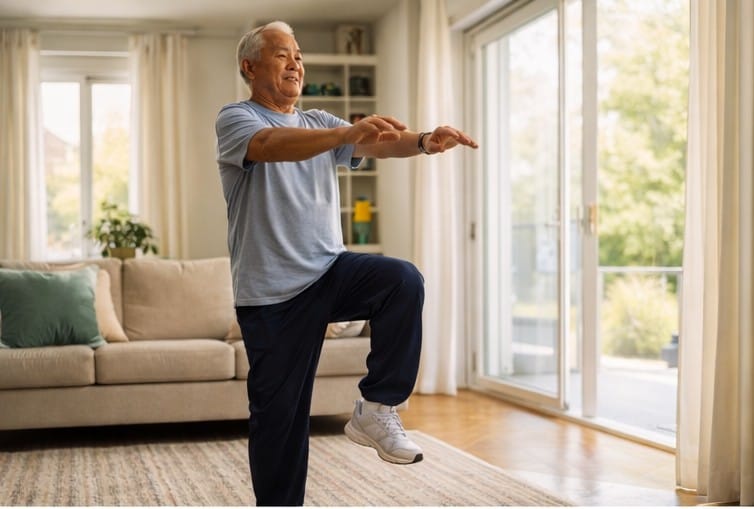
Strengthening the legs helps maintain stability and supports healthy movement patterns. Exercises for seniors, such as squats, leg extensions, and sit-to-stand movements, directly target the muscles responsible for everyday mobility.
Even a short daily exercise routine can help maintain leg strength and prevent mobility issues later in life.
Strength exercises for seniors help maintain muscle, balance, and independence. Learn simple strength workouts that older adults can safely practice at home.
1. Heel Raises for Calf Strength
Why Heel Raises Are Beneficial
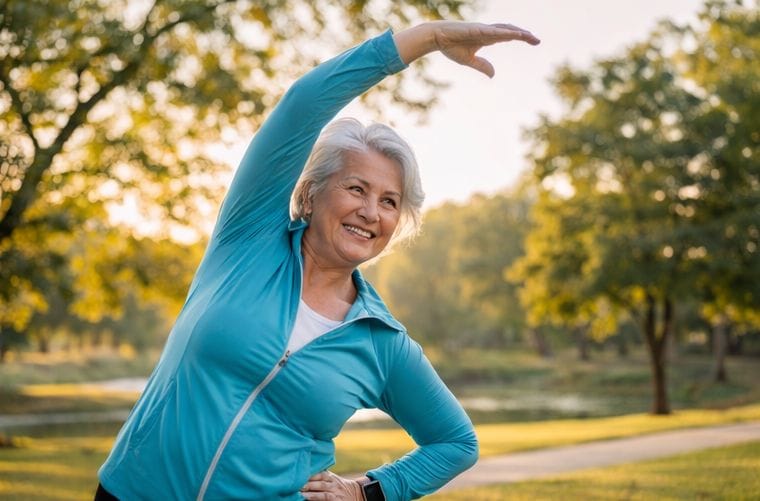
Heel raises strengthen the calf muscles, which play an important role in circulation and walking ability. The calf muscles help pump blood from the lower legs back to the heart, supporting healthy circulation.
Strong calf muscles also improve walking speed and ankle stability.
How to Perform Heel Raises
Stand facing a wall or chair for support.
Keep your feet hip-width apart.
Slowly raise your heels until you are standing on the balls of your feet.
Hold the position for two seconds.
Lower your heels slowly back to the floor.
Perform 15–20 repetitions.
2. Sumo Stance Hip Circles for Hip Mobility
Why Hip Strength Matters
The hips act as the foundation of the lower body. Strong hip muscles support balance, walking, and posture. Weak hips can increase stress on the knees and lower back.
How to Perform Hip Circles
Stand with your feet wider than shoulder-width apart.
Turn your toes slightly outward.
Place your hands on your thighs for support.
Bend your knees slightly.
Make slow circular movements with your hips.
Complete 10 circles in one direction, then repeat in the opposite direction.
3. Seated Leg Extensions for Quadriceps Strength
Importance of Quadriceps Strength
The quadriceps muscles at the front of the thigh are essential for standing, climbing stairs, and maintaining balance. Strengthening these muscles helps seniors remain independent.
How to Perform Leg Extensions
Sit on a sturdy chair with your back straight.
Keep your feet flat on the floor.
Slowly extend one leg until it is straight.
Hold for two seconds.
Lower the leg slowly.
Repeat 10–15 times per leg.
4. Modified Squats for Functional Strength
Why Squats Are Important
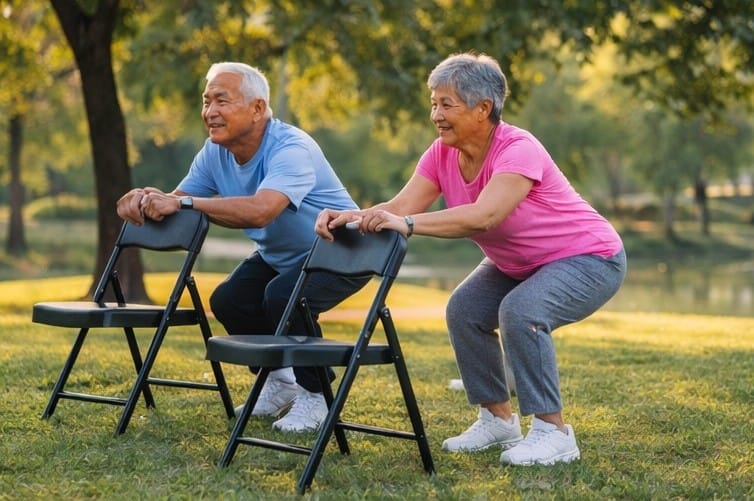
Squats strengthen the legs and improve the ability to sit and stand comfortably. They also improve flexibility and balance.
How to Perform Modified Squats
Stand near a chair or table for support.
Keep your feet shoulder-width apart.
Slowly bend your knees and lower your body slightly, as if you were sitting down.
Pause briefly.
Return to the standing position.
Begin with 5 repetitions and gradually increase to 15 repetitions.
5. Single-Leg Balance Exercise
Benefits of Balance Training
Balance exercises strengthen stabilizing muscles and improve coordination. Practicing balance regularly can reduce fall risk and improve overall mobility.
How to Perform the Exercise
Stand near a wall or chair.
Shift your weight onto one foot.
Lift the other foot slightly off the ground.
Hold your balance for 10–30 seconds.
Switch legs and repeat.
6. Sit-to-Stand Exercise for Leg Strength
Why This Exercise Is Powerful
The sit-to-stand movement strengthens multiple muscle groups, including the quadriceps, hamstrings, and hips. It also improves the functional strength needed for daily activities.
How to Perform the Sit-to-Stand Exercise?
Sit in a sturdy chair with your feet flat on the floor.
Cross your arms over your chest.
Lean slightly forward and stand up slowly.
Pause briefly at the top.
Slowly sit back down.
Start with 10 repetitions and gradually increase.
How These Exercises for Seniors Help Prevent Falls
One of the biggest health risks for older adults is falling. According to research from the Centers for Disease Control and Prevention (CDC), millions of seniors experience falls each year, and many of these incidents lead to serious injuries such as fractures or head trauma.
The good news is that many falls can be prevented with regular physical activity. Exercises that strengthen the legs and improve balance play a crucial role in fall prevention.
The exercises discussed in this article focus on three important areas:
• Leg strength – Strong leg muscles support walking and standing
• Balance – Good balance reduces the likelihood of losing stability
• Coordination – Improved coordination helps maintain control during movement
When seniors practice these movements consistently, they develop better control over their body movements. This can significantly reduce the likelihood of losing balance during everyday activities such as walking, climbing stairs, or getting out of a chair.
Sample Daily Exercise Routine for Seniors
Creating a daily routine makes it easier to stay consistent.
Morning
• Heel raises – 20 repetitions
• Hip circles – 10 each direction
• Balance exercise – 30 seconds per leg
Afternoon
• Seated leg extensions – 15 per leg
• Modified squats – 10 repetitions
Evening
• Sit-to-stand exercise – 15 repetitions
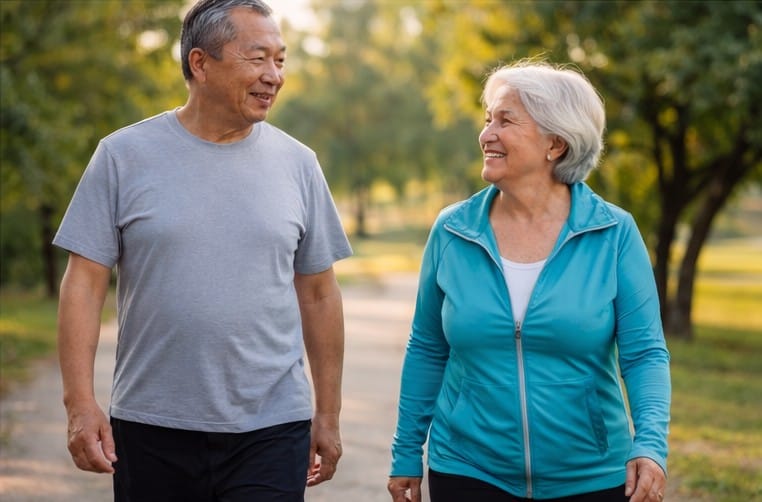
• Gentle stretching or walking
This routine takes less than 20 minutes per day.
How Long Should Seniors Exercise Each Day?
Many seniors believe they need long workout sessions to see results. However, research suggests that consistency is more important than duration.
A daily exercise routine of 15–20 minutes can provide significant benefits for strength and balance.
For example, a simple routine might include:
• 5 minutes of strength exercises
• 5 minutes of balance exercises
• 5 minutes of gentle stretching or walking
Short sessions spread throughout the day can also be effective. Some seniors prefer to exercise in the morning and evening rather than completing everything at once.
The key is to remain consistent and gradually increase intensity as strength improves.
Safety Tips Before Starting Senior Exercises
Before beginning any exercise program, seniors should consider a few important safety guidelines.
Consult a Healthcare Professional
Older adults with medical conditions should consult their doctor before starting a new exercise routine. A healthcare professional can recommend safe activities based on individual health needs.
Choose a Safe Environment
Exercises should be performed in a safe space with enough room to move comfortably. A sturdy chair, wall, or countertop can provide additional support during balance exercises.
Wear Comfortable Shoes
Proper footwear helps maintain stability and reduces the risk of slipping.
Stay Hydrated
Even light exercise can lead to dehydration, especially for older adults. Drinking water before and after exercise helps maintain hydration.
Listen to Your Body
Exercise should feel challenging but not painful. If any movement causes discomfort, it is best to stop and adjust the exercise.
What Are Common Exercise Mistakes Seniors Should Avoid?
Many seniors start exercising to improve their health, but certain mistakes can reduce the effectiveness of workouts or even lead to injuries. Understanding these common mistakes can help older adults exercise more safely and get better results from their routines.
Skipping Warm-Ups
Many seniors begin exercising without warming up their muscles. Gentle warm-up movements prepare the body for physical activity and reduce joint stiffness. A short warm-up, such as light stretching exercises for seniors or a few minutes of slow walking, can help prevent injuries and make exercises more comfortable.
Moving Too Quickly
Exercises should always be performed slowly and with control. Fast movements can reduce the effectiveness of the exercise and increase the risk of losing balance. Slow, controlled repetitions allow muscles to activate properly and help improve strength safely.
Ignoring Balance Support
Balance support is important when performing exercises that involve standing or shifting weight. Using a chair, wall, or countertop for support can prevent falls and provide stability. Seniors should always prioritize safety while practicing balance exercises.
Doing Too Much Too Soon
Some people try to do too many repetitions when starting a new exercise routine. However, the body needs time to adapt to new movements. It is better to begin with a small number of repetitions and gradually increase them as strength and confidence improve.
Additional Healthy Aging Habits
Exercise works best when combined with other healthy habits such as balanced nutrition, adequate sleep, and regular physical activity throughout the day.
You may also benefit from practicing positive mental habits such as affirmations for happiness, which can improve emotional well-being and motivation.
Strong relationships and emotional support also contribute to healthy aging. Building meaningful connections and maintaining a sense of togetherness in relationships can improve both mental and physical health.
Long-Term Benefits of Staying Physically Active
Maintaining a regular exercise routine offers many long-term health benefits for seniors. Even light physical activity practiced consistently can improve mobility, strengthen muscles, and support overall well-being. Staying active not only helps the body remain strong but also improves mental health and confidence in daily life.
Better Mobility
Regular exercise helps preserve the ability to move freely and comfortably throughout the day. Strong muscles and flexible joints make activities such as walking, climbing stairs, and standing up from a chair much easier. Maintaining mobility allows seniors to remain independent and continue performing everyday tasks without assistance.
Improved Confidence
As strength and balance improve, many seniors feel more confident performing daily activities independently. When people know their bodies can move safely and comfortably, they are more likely to remain active and participate in social or outdoor activities.
Reduced Risk of Chronic Disease
Regular physical activity can reduce the risk of several long-term health conditions, including heart disease, diabetes, and osteoporosis. Exercise improves blood circulation, supports healthy metabolism, and helps maintain strong bones.
Better Mental Health
Exercise releases natural chemicals in the brain called endorphins, which help improve mood and reduce stress. Many seniors also find that staying physically active improves sleep quality and helps them maintain a more positive outlook on life.
Building a Consistent Exercise Habit
The most effective exercise routine is one that can be maintained consistently.
Here are some tips to help seniors build a sustainable habit:
• Start with small goals
• Exercise at the same time each day
• Track progress and improvements
• Combine exercise with enjoyable activities such as walking outdoors
Consistency over time leads to stronger muscles, better balance, and improved overall health.
Healthy Natural Powders to Enhance Coffee: Benefits for Seniors Over 60
Beginner-Friendly Exercise Plan for Seniors
Starting an exercise routine may feel challenging for seniors who have not been physically active for a long time. The best approach is to begin with simple movements and gradually increase intensity as strength and confidence improve. Consistency is more important than performing difficult exercises.
Below is a beginner-friendly weekly exercise plan that focuses on strength, balance, and mobility.
Week 1–2: Getting Started
During the first two weeks, the goal is to introduce the body to gentle movement.
Daily routine:
• Heel raises – 10 repetitions
• Seated leg extensions – 10 repetitions per leg
• Single-leg balance – 10 seconds per leg
• Light walking – 5–10 minutes
These exercises help activate leg muscles and improve circulation without putting too much strain on the body.
Week 3–4: Building Strength
Once the body is comfortable with basic movements, seniors can increase repetitions and add more exercises.
Daily routine:
• Heel raises – 15 repetitions
• Seated leg extensions – 12 repetitions per leg
• Modified squats – 8 repetitions
• Single-leg balance – 15 seconds per leg
• Walking – 10–15 minutes
At this stage, muscles begin adapting to the exercises, leading to improved strength and stability.
Week 5 and Beyond: Improving Balance and Endurance
Once basic strength is established, seniors can gradually increase exercise intensity and duration.
Daily routine:
• Heel raises – 20 repetitions
• Modified squats – 10–12 repetitions
• Sit-to-stand exercise – 15 repetitions
• Single-leg balance – 20–30 seconds per leg
• Walking – 15–20 minutes
This routine helps improve endurance, balance, and overall mobility.
Tips for Staying Consistent
• Start slowly and increase intensity gradually
• Exercise at the same time each day
• Combine exercise with enjoyable activities such as walking outdoors
• Track progress to stay motivated
Over time, even small improvements in strength and balance can make daily activities easier and safer for seniors.
A well-structured morning routine for seniors can support natural healing, slow aging, and improve strength, balance, and memory.
FAQs – Exercises for Seniors
How often should seniors exercise?
Most experts recommend that seniors engage in moderate physical activity at least 3–5 days per week, including strength and balance exercises.
Are these exercises safe for seniors over 70?
Yes, these exercises are generally safe when performed slowly and with support. Seniors with medical conditions should consult a healthcare professional before starting a new routine.
Do seniors need special equipment for these exercises?
No. Most of these exercises can be performed at home using only a chair or wall for support.
How long does it take to see results?
Many seniors notice improvements in strength and balance within 4–8 weeks of regular exercise.
Can exercises for seniors really help prevent falls?
Yes. Strength and balance exercises are among the most effective ways to reduce fall risk in older adults.
Conclusion
Exercises for seniors are among the most effective ways to maintain strength, balance, and independence as they age. Simple daily movements such as heel raises, hip circles, leg extensions, squats, balance training, and sit-to-stand exercises strengthen the muscles that support everyday activities.
These exercises require minimal equipment and can be performed safely at home. When practiced regularly, they can improve mobility, reduce fall risk, and help seniors remain active for many years.
Healthy aging is not about intense workouts or complicated routines. It is about consistent movement, balanced habits, and staying active every day. Even a few minutes of exercise can make a meaningful difference in maintaining strength and quality of life.
If this resonated with you, share it with someone who needs it.
PVM

Mathukutty P V is a Blogger, YouTuber, and Content Writer and the founder of Simply Life Tips. After taking voluntary retirement in 2017, he embraced a free lifestyle focused on learning, personal growth, and sharing practical wisdom to help others live with more purpose and positivity.