
Emotional maturity is not about age; it is about how well a person understands, manages, and expresses their emotions in real-life situations. Many people grow older, but only a few truly grow emotionally.
Emotional maturity plays a key role in building healthy bonds, especially when combined with a strong sense of togetherness in relationships that keeps connections meaningful and lasting.
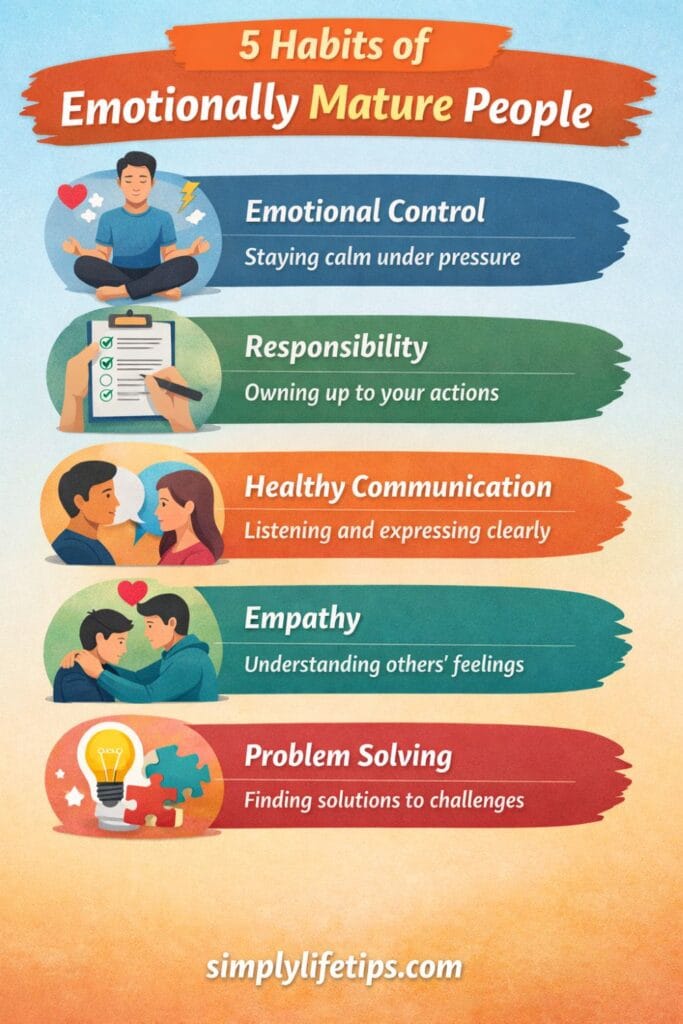
A person with emotional maturity can stay calm under pressure, handle conflicts wisely, and take responsibility for their actions. This ability directly influences relationships, career growth, and overall happiness.
For example, when faced with criticism, an emotionally immature person reacts defensively or angrily. In contrast, a mature person listens, reflects, and responds thoughtfully.
In today’s fast-paced world, emotional maturity has become one of the most important life skills for maintaining balance and peace.
What is emotional maturity in simple terms?
Emotional maturity is the ability to understand your emotions, control your reactions, and behave responsibly even in difficult situations.
It includes:
- Being aware of your feelings
- Managing emotional responses
- Respecting others’ perspectives
- Making thoughtful decisions
For instance, instead of shouting during an argument, an emotionally mature person chooses to pause, understand the situation, and respond calmly.
It is not about suppressing emotions but expressing them in a healthy and constructive way.
Signs of emotional maturity
1. Self-awareness and understanding emotions
Emotionally mature individuals are aware of what they feel and why they feel it. They do not blame others blindly but reflect on their inner state. For example, instead of saying “You made me angry,” they recognize “I feel hurt because of what happened.”
2. Ability to control reactions
They do not react impulsively. Even in stressful situations, they pause before responding. This prevents unnecessary conflicts and misunderstandings.
3. Taking responsibility for actions
A mature person does not shift blame. They accept mistakes and learn from them. For example, admitting “I was wrong” is a strong sign of emotional maturity.
4. Empathy towards others
They try to understand others’ feelings and perspectives. This strengthens relationships and builds trust.
5. Healthy communication
Instead of shouting or avoiding issues, they communicate clearly and respectfully. They express their needs without hurting others. Healthy communication is essential, and many people struggle with it, as explained in communication problems in marriage
Benefits of emotional maturity in life
Stronger relationships
Emotionally mature people build deeper and more meaningful relationships because they communicate openly, listen actively, and express their thoughts without hurting others. They approach conflicts with patience and understanding, focusing on resolving the issue rather than winning the argument. This ability to handle disagreements calmly and respectfully strengthens trust, emotional connection, and long-term stability in relationships.
Emotionally mature individuals often display qualities discussed in behaviors that earn respect, which naturally strengthen relationships.
Better decision-making
They do not let temporary emotions control their decisions, especially in stressful or heated situations. Instead, they pause, evaluate the situation logically, and consider how their choices will impact the future. This thoughtful approach helps them avoid regret and make decisions that lead to long-term stability and success.
Studies show that emotional intelligence improves workplace performance, as highlighted by Harvard Business Review
Reduced stress and anxiety
Since they manage their emotions effectively, they are less likely to feel overwhelmed by stress or negative situations. They understand how to process feelings in a healthy way, which prevents emotional buildup and inner conflict. This ability allows them to stay calm, maintain clarity, and handle challenges with greater ease.
Improved career growth
Workplaces highly value individuals who remain calm under pressure, as they can think clearly and make better decisions even in challenging situations. They handle feedback positively by seeing it as an opportunity to learn and improve rather than taking it personally. Their ability to collaborate effectively with others helps build a supportive work environment and leads to higher team productivity and success.
Inner peace and happiness
Emotional maturity leads to stability and contentment because individuals are not easily shaken by external negativity or opinions. They maintain inner balance by focusing on what they can control rather than reacting to every situation around them. This mindset helps them stay peaceful, confident, and emotionally strong even during difficult times.
They also maintain a positive mindset, similar to practices shared in affirmations for happiness.
Emotional maturity vs emotional immaturity
Emotional maturity
- Thinks before reacting
- Accepts responsibility
- Communicates respectfully
- Learns from mistakes
- Handles criticism positively
Emotional immaturity
- Reacts impulsively
- Blames others
- Avoids responsibility
- Repeats mistakes
- Gets defensive easily
For example, during a disagreement, an immature person may shout or walk away, while a mature person discusses the issue calmly and seeks resolution.
How to develop emotional maturity step by step?
Practice self-awareness daily
Take time to understand your emotions by pausing and reflecting on what you are truly feeling in different situations. Asking yourself questions like “Why am I feeling this way?” helps uncover the root cause instead of reacting blindly. Journaling regularly allows you to track emotional patterns, making it easier to recognize triggers and respond more thoughtfully over time.
Journaling and self-reflection are also widely encouraged in personal growth research shared by Verywell Mind
Pause before reacting
Develop the habit of taking a few seconds before responding, especially when emotions are high or situations feel tense. This brief pause gives you time to think clearly instead of reacting impulsively. By doing so, you can choose your words wisely and prevent misunderstandings or unnecessary conflicts.
Learn to accept feedback
Instead of taking criticism personally, try to see it as valuable feedback that can help you improve. Reflect on what has been said and identify any areas where you can grow or make changes. This mindset not only strengthens your skills but also builds resilience and emotional strength over time. Developing the right mindset can be supported by tools like affirmations for career success, especially in professional environments.
Improve communication skills
Express your thoughts clearly and respectfully so others can understand your perspective without feeling attacked. Using “I feel” statements helps you take ownership of your emotions rather than placing blame on others. This approach encourages open dialogue, reduces defensiveness, and leads to healthier, more productive conversations.
Develop empathy
Try to understand situations from others’ perspectives by putting yourself in their place and considering their feelings and experiences. This helps you respond with empathy rather than judgment, reducing the chances of misunderstandings. As a result, it builds stronger connections, trust, and healthier relationships over time. Practicing empathy and calm communication also aligns with principles of kindness in the workplace.
Let go of ego
Emotional maturity requires humility, which means being honest about your flaws and willing to grow from them. Accepting mistakes without defensiveness shows self-awareness and a genuine desire to improve. Apologizing when needed reflects strength and integrity, helping to rebuild trust and maintain healthy relationships.
Focus on solutions, not problems
Instead of dwelling on problems, shift your focus toward identifying practical solutions and next steps. This proactive approach keeps you from getting stuck in negativity and helps you take control of the situation. Over time, this mindset builds resilience, encourages continuous improvement, and drives meaningful growth and progress.
Common mistakes people make while trying to be emotionally mature
Many people misunderstand emotional maturity and make mistakes such as:
- Suppressing emotions instead of expressing them
- Avoiding conflicts completely
- Pretending to be calm while feeling overwhelmed
- Trying to please everyone
True emotional maturity is about balance, not perfection. It involves expressing emotions honestly while maintaining control.
Real-life example of emotional maturity
Consider a workplace scenario where a manager criticizes an employee in front of others.
An emotionally immature response would be reacting angrily or feeling deeply offended and quitting impulsively.
An emotionally mature response would be staying calm, understanding the feedback, and later discussing concerns privately with the manager.
This approach not only protects relationships but also enhances professional growth.
FAQs
What is emotional maturity in one sentence?
Emotional maturity is the ability to understand, manage, and express emotions responsibly in all situations.
Can emotional maturity be learned?
Yes, emotional maturity is a skill that can be developed through self-awareness, practice, and conscious effort.
At what age does emotional maturity develop?
There is no fixed age; it depends on personal experiences, mindset, and willingness to grow.
Why is emotional maturity important in relationships?
It helps in better communication, conflict resolution, and building trust, leading to stronger relationships.
How can I test my emotional maturity?
Observe how you react in stressful situations, handle criticism, and manage conflicts—these reveal your level of emotional maturity.
Conclusion
Emotional maturity is one of the most valuable qualities a person can develop for a balanced and successful life. It shapes how we respond to challenges, interact with others, and grow as individuals. By practicing self-awareness, controlling reactions, and communicating effectively, anyone can develop emotional maturity over time and experience deeper relationships, better decisions, and lasting inner peace.
Are you responding to life emotionally—or handling it with true emotional maturity?
If this resonated with you, share it with someone who needs it.
PVM

Mathukutty P V is a Blogger, YouTuber, and Content Writer and the founder of Simply Life Tips. After taking voluntary retirement in 2017, he embraced a free lifestyle focused on learning, personal growth, and sharing practical wisdom to help others live with more purpose and positivity.