
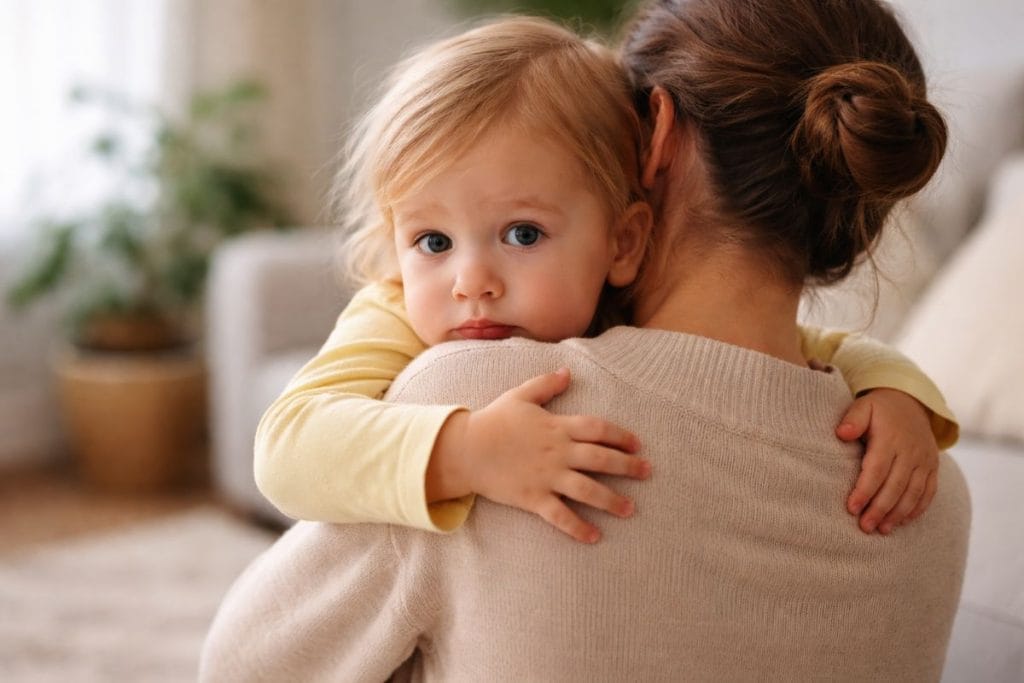
Almost every parent experiences clingy toddler behavior. This is especially true when a child follows you everywhere or cries the moment you step away. While this phase can feel overwhelming, it is a normal part of emotional development. It reflects a toddler’s need for safety and reassurance. In this blog, you will understand why clinginess happens. It will explain how gentle routines and calm responses can help your toddler grow secure. These strategies will also help them become confident.
What Does a Clingy Toddler Really Mean?
A clingy toddler is a child who seeks constant proximity, reassurance, or physical contact with a caregiver. They often follow caregivers everywhere and resist separation. A toddler becomes upset when the parent steps away. This behaviour reflects healthy attachment development rather than manipulation. Toddlers do not have the emotional ability to self-soothe or understand time. They rely on parents as their emotional anchor for safety and regulation. Thus, a toddler crying when a parent goes to the bathroom is not misbehaviour. It is a fear-based response to perceived separation.
Why Toddlers Become Clingy?
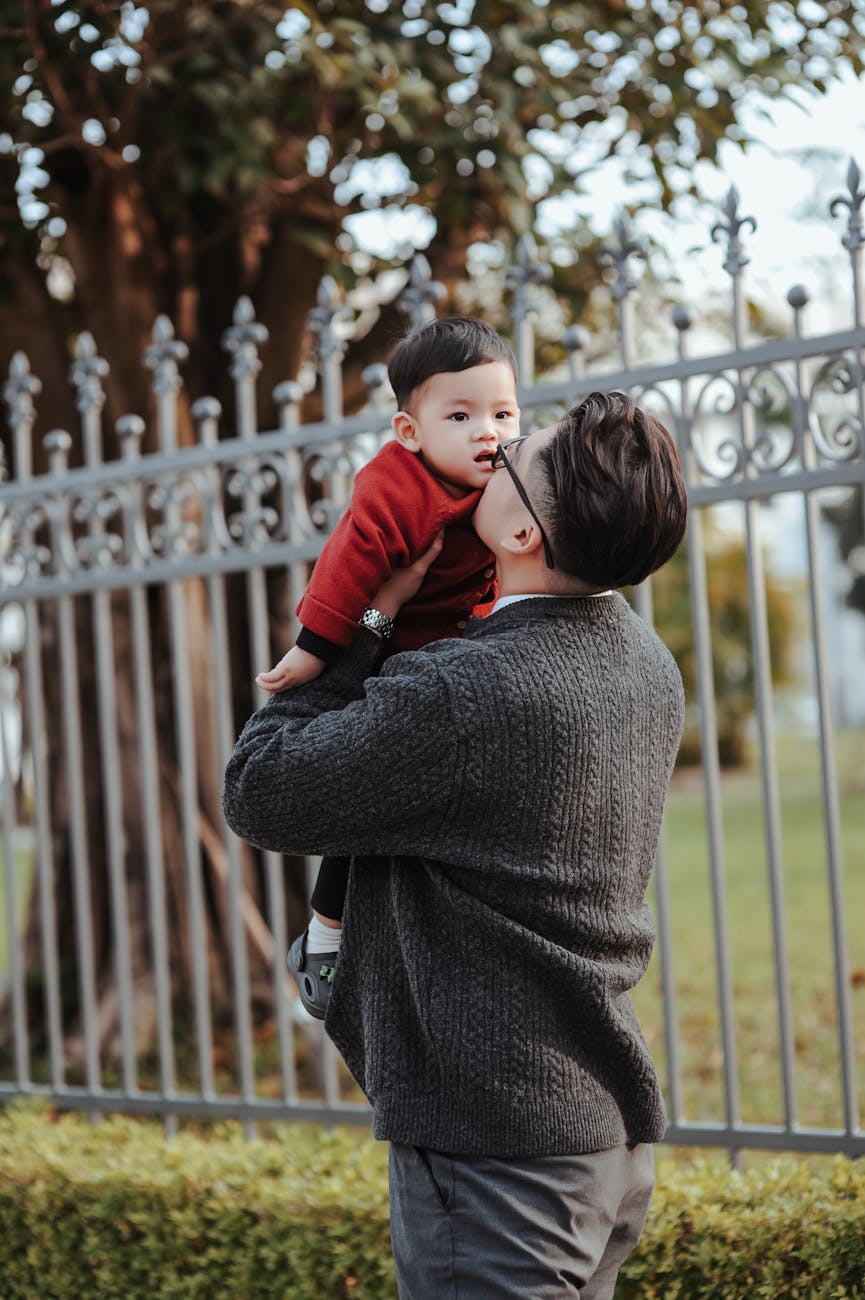
Toddlers become clingy due to the rapid development of the brain. They have growing emotional awareness and limited coping skills. Their imagination develops faster than their ability to manage fear. This makes them more sensitive to changes, like starting daycare, illness, or the arrival of a new sibling. Travel or even sensing parental stress can also affect them. For example, a formerly independent toddler suddenly becomes clingy after a short hospital visit. This happens because their sense of safety was temporarily shaken.
Clingy Toddler and Separation Anxiety
Clinginess is closely linked to separation anxiety. It is a normal developmental phase where toddlers understand that parents can leave. Still, they can’t yet fully trust that they will always return. This anxiety commonly peaks between one and three years of age. This shows as crying, tantrums, or refusal to stay with other caregivers. A toddler clings tightly at preschool drop-off despite enjoying school once the parent leaves.
Is a Clingy Toddler a Sign of Spoiling?
A clingy toddler is not spoiled. Emotional dependence at this age is a natural part of brain and attachment development. Studies show that children who get consistent comfort often grow into independent and confident individuals more quickly over time. Pushing independence too early can increase anxiety. For example, a child who is comforted when afraid learns trust and emotional security. In contrast, a child who feels dismissed or unsupported clings more intensely in later stages.
How to Respond Calmly to a Clingy Toddler?
Responding calmly means acknowledging the toddler’s emotions while gently encouraging independence. Narrate your actions before stepping away. Practice brief separations and always return as promised. This predictability builds trust. For example, say “I am going to the kitchen.” Then add, “I will be back in two minutes.” Keep that promise. This helps the toddler feel secure and reduces panic-driven clinginess over time.
Practical Strategies That Help a Clingy Toddler Feel Secure
Creating routines gives toddlers a sense of control and predictability. Consistent sleep times, meals, and transitions reduce anxiety. Encouraging independent play in short, manageable bursts builds confidence without forcing separation. Offering simple choices, like which toy to play with, supports emotional empowerment. Staying emotionally available even when physically busy reassures the child. Praising brave behaviour reinforces growth. For instance, praising a toddler for playing alone for two minutes helps them associate independence with positive feelings. This helps them feel positive rather than fearful.
Toddler Parenting: Navigating the Toddler Terrain
When Clinginess Becomes More Intense
Clinginess increases during illness, developmental leaps, family stress, or major life changes. During these periods, toddlers need extra reassurance rather than correction. Responding with patience prevents long-term anxiety patterns. For instance, a toddler recovering from a fever temporarily refuses to sleep alone. Their bodies associate rest with vulnerability and seek comfort for regulation.
Long-Term Effects of Handling a Clingy Toddler Gently
Children whose clinginess is met with empathy and consistency often grow into emotionally secure individuals. They trust relationships and manage stress better. Early emotional safety teaches the nervous system that support exists. This creates a strong foundation that allows children to explore the world with confidence later. This is clear in toddlers who feel safe clinging when needed. They later show greater independence during school years.
Toddler Regression: A Guide To Supporting Your Toddler
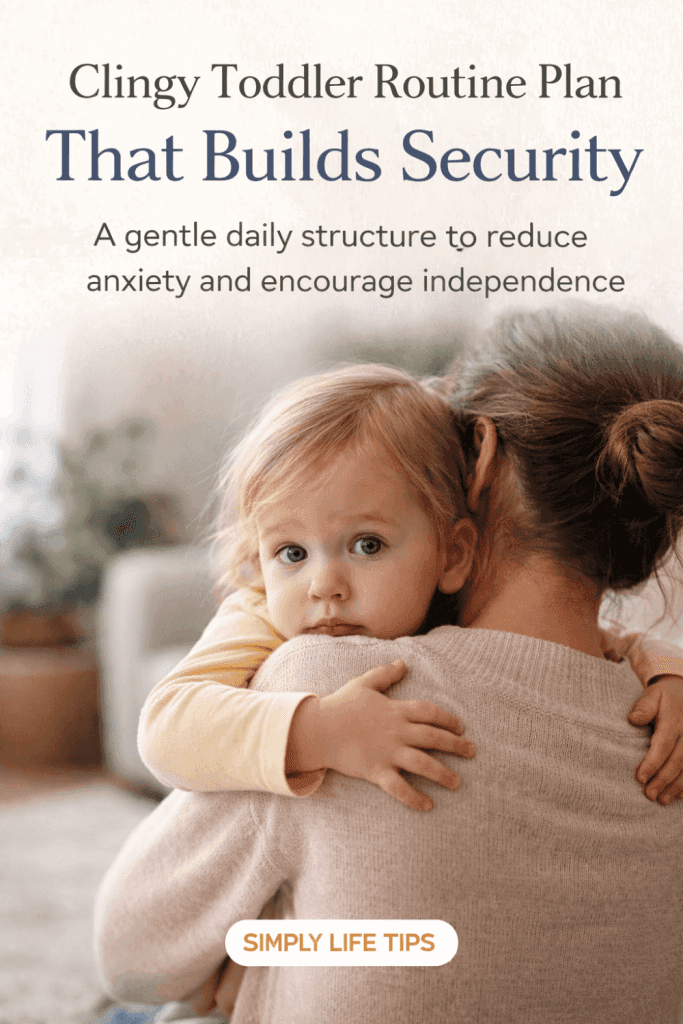
Clingy Toddler Routine Plan (Daily Structure That Builds Security)
A clingy toddler routine plan works best when the day feels predictable and emotionally safe. The routine should be gently repetitive. Toddlers feel calmer when they know what comes next. They trust that the connection will not suddenly disappear.
Morning Connection Routine
Start the day with ten to fifteen minutes of uninterrupted connection through cuddling, talking, or floor play. This fills the toddler’s emotional cup early and reduces clinginess later. For example, sitting together after waking up and calmly explaining the day ahead helps the child feel secure. This should be done before any separation begins.
Predictable Morning Tasks
Follow the same order every morning. Start with brushing teeth, getting dressed, having breakfast, and enjoying light play. This consistency helps lower anxiety. Narrating actions like “After breakfast, mama will wash dishes while you play” prepares the toddler emotionally. It prevents sudden surprises that can trigger clinginess.
Independent Play With Presence
Plan short independent play sessions while staying nearby. Start with two to five minutes and slowly increase the time. Toddlers gain confidence when independence is introduced gently. For example, letting a child play with blocks while you fold clothes close by builds trust without forcing separation.
Transition Warnings
Always give clear time warnings before moving away or changing activities. Sudden changes trigger clinginess. Saying “I will step into the kitchen after this song” allows the toddler time to prepare emotionally rather than panic.
Midday Reassurance Window
Before naps or outings, reconnect through hugs, eye contact, or calm words. Emotional regulation improves after connection. For example, reading the same short book before nap each day becomes a safety signal for the toddler’s nervous system.
Nap and Quiet Time Routine
Use the same nap routine daily. This includes dim lights, gentle music, a short story, and a comfort object. Repetition signals safety. Reassure verbally by saying when you will return. This way, the toddler learns that separation is temporary.
Afternoon Exploration With Check-Ins
Encourage active or outdoor play with brief reassurance check-ins. When children know they can return for comfort, it reduces constant clinging. For example, a toddler will explore more freely when they know you are emotionally available.
Evening Wind-Down Connection
Slow down evenings with predictable calming activities. Try bath time, story reading, and quiet play. Overtired toddlers become more clingy. Focused attention before bedtime prevents emotional buildup.
Bedtime Security Routine
End the day with the same bedtime steps every night. Include a comforting phrase like “You are safe, I am close.” Consistency builds long-term emotional security. Leaving calmly rather than sneaking away teaches trust.
Weekly Stability Tips
Keep consistent wake-up times, meals, and sleep schedules throughout the week. Irregular routines increase anxiety. Limit sudden caregiver changes when possible. During illness or major transitions, extra clinginess indicates that the routine requires more connection, not stricter separation.
How To Handle Toddler Temper Tantrums
Conclusion
A clingy toddler routine plan is not meant to remove closeness. Its purpose is to strike a balance between connection and independence. This helps the child feel emotionally safe enough to grow confident naturally. When parents stay calm, predictable, and responsive, clinginess slowly transforms into secure independence.
- How To Prepare A Toddler For Preschool Adventure
- How to Manage Toddler Tantrums in a Small Apartment Effectively
FAQs – Clingy Toddler
1. Is it normal for a toddler to be clingy every day?
Yes, it is completely normal for a toddler to be clingy regularly. This is especially true between the age of one and three. During this time, emotional attachment strengthens. Toddlers rely heavily on parents for safety and reassurance. They are still learning to manage fear and separation.
2. Will comforting a clingy toddler make them more dependent?
No, comforting a clingy toddler does not create dependency. Consistent emotional reassurance actually builds trust and security. This approach helps children develop independence naturally over time rather than increasing clingy behaviour.
3. How long does the clingy toddler phase usually last?
The clingy toddler phase varies for each individual child. Most toddlers gradually outgrow it as their emotional regulation, confidence, and understanding of separation improve. These improvements occur with age, routine, and repeated reassurance.
4. Can a daily routine really reduce clingy toddler behaviour?
Yes, a predictable daily routine can significantly reduce clingy toddler behaviour. Routines create a sense of safety and control. They help toddlers know what to expect and feel less anxious about transitions or separation.
5. When should parents worry about clingy toddler behaviour?
Parents should consider seeking guidance if clinginess is extreme. They should also seek help if it persists well beyond early childhood or is accompanied by developmental delays. Intense distress that interferes with daily functioning is another reason to seek guidance.
Thank you for taking the time to explore this post. I sincerely hope you found the insights valuable and actionable. If this content resonated with you, please consider sharing it. Your support enables me to share knowledge and inspiration with others in our community.
PVM

Mathukutty P V is a Blogger, YouTuber, and Content Writer and the founder of Simply Life Tips. After taking voluntary retirement in 2017, he embraced a free lifestyle focused on learning, personal growth, and sharing practical wisdom to help others live with more purpose and positivity.



