Etiquette rules in India are not just about manners—they reflect your values, upbringing, and respect for others. In a society where relationships and social harmony are deeply valued, even small behaviors can leave a lasting impression. While these rules are strongly rooted in Indian culture, they are equally relevant across the world where respect and emotional intelligence matter. Many modern conflicts arise not from major issues, but from a lack of basic courtesy. Practicing simple etiquette rules in India can improve your personal life, professional image, and social acceptance anywhere.

13 Important Etiquette Rules in India
Etiquette rules in India are deeply rooted in respect, relationships, and cultural values that shape everyday interactions. From greeting elders with humility to showing hospitality to guests, these practices reflect not just manners but a person’s character and upbringing. In a diverse society like India, where traditions and modern lifestyles coexist, understanding etiquette helps maintain harmony and avoid misunderstandings. These rules are not rigid—they evolve with time while still preserving the essence of respect and consideration. By practicing simple etiquette in daily life, you naturally build trust, improve relationships, and earn lasting respect in any social or professional setting.
1. Respecting Elders Is Non-Negotiable
Respecting elders is a core value in Indian culture and is often seen as a reflection of one’s character. Simple actions like greeting them properly, listening attentively, and speaking politely create strong family bonds. Even when opinions differ, maintaining a respectful tone helps avoid unnecessary conflict. In many cultures globally, respecting experience and age is equally valued and builds trust. This habit shows maturity and earns long-term respect in both personal and social circles.
2. Learn the Art of Greeting Properly
Greeting someone appropriately sets the tone for the entire interaction and shows acknowledgment. In India, greetings vary based on context, such as “Namaste” for elders or a friendly “Hello” for peers. A warm smile and eye contact can instantly create comfort and connection. Globally, proper greetings are considered a sign of confidence and social awareness. Ignoring greetings can make you appear distant or disrespectful, even unintentionally.
3. Guest Is God – Hospitality Etiquette

Hospitality holds a special place in Indian culture, where guests are treated with warmth and care. Offering water, tea, or simply giving attention makes visitors feel comfortable and valued. It is not about expensive arrangements but about genuine intention and respect. Across the world, good hosts are remembered for how they make others feel, not what they serve. Practicing hospitality strengthens relationships and creates lasting impressions.
4. Respect Personal Space (Modern Etiquette)
As society evolves, respecting personal boundaries has become essential in India and beyond. Asking intrusive questions or offering unsolicited advice can make others uncomfortable. Not everyone is open to discussing personal topics like income, marriage, or private life. Globally, respecting boundaries is seen as a sign of emotional intelligence and awareness. Being mindful of limits helps build trust and healthier relationships.
5. Be Punctual – Time Is Respect

Punctuality is a simple yet powerful way to show respect for others’ time. In India, being late is sometimes normalized, but it can still create frustration and inconvenience. Arriving on time reflects discipline, reliability, and professionalism. Across the world, punctuality is strongly associated with credibility and respect. Informing others in advance if you are delayed is a small gesture that makes a big difference.
6. Practice Politeness in Communication
Practicing healthy behaviors that earn respect helps build stronger and more meaningful relationships
The way you communicate can strengthen or damage relationships instantly. Using polite words and maintaining a calm tone creates a positive environment. Interrupting others or speaking harshly can lead to misunderstandings and conflict. Globally, effective communication is considered a key life skill. Practicing politeness helps you become more approachable and respected in any setting.
The concept of hospitality in India is deeply rooted in the Atithi Devo Bhava cultural value in India, which emphasizes treating guests with utmost respect:
7. Dining Etiquette Matters
Dining etiquette reflects your awareness and respect in social situations. In Indian settings, sharing food is common, making it important to be considerate. Simple habits like eating neatly and waiting for others show good manners. Using phones excessively during meals can make others feel ignored. Across cultures, dining etiquette plays a role in social bonding and impressions.
8. Digital Etiquette in Modern Life
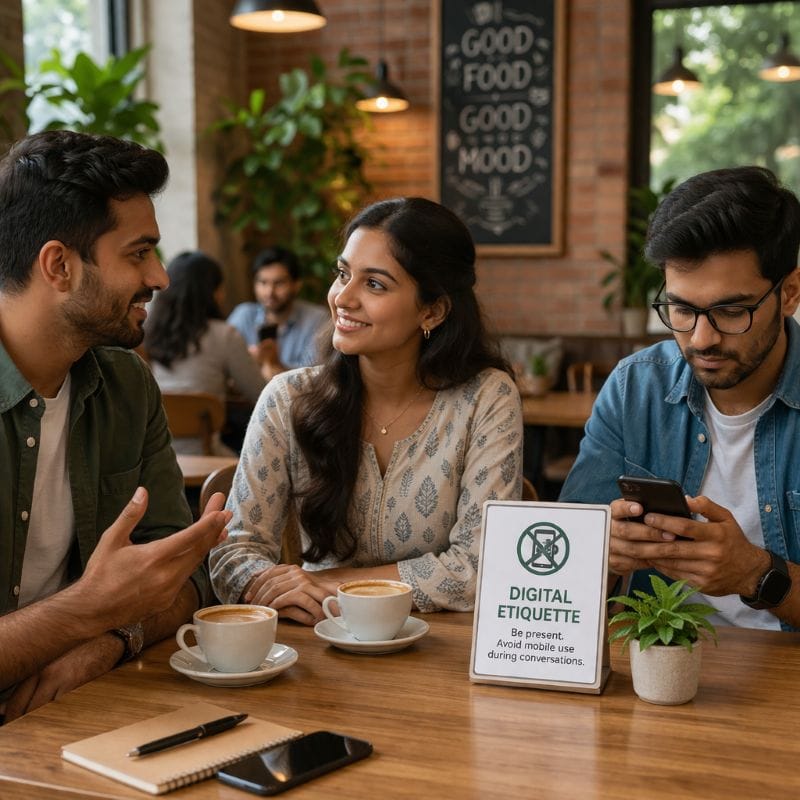
In today’s connected world, online behavior is just as important as offline conduct. Sending messages at appropriate times and responding respectfully shows consideration. Using aggressive language or ignoring messages can harm relationships. Globally, digital etiquette is becoming a critical part of personal and professional communication. Maintaining respectful online behavior builds trust and credibility.
9. Avoid Gossip and Negative Talk
Gossip may seem harmless, but it often damages trust and relationships. Speaking negatively about others can create a negative impression about you. People tend to avoid those who spread negativity. Choosing to stay neutral or positive reflects maturity and integrity. Across cultures, being known as trustworthy and respectful enhances your reputation.
10. Dress Appropriately for the Occasion
Dressing appropriately shows respect for the occasion and the people around you. In India, attire varies based on context such as festivals, workplaces, or religious settings. Wearing suitable clothes helps you feel confident and accepted. Globally, appearance plays a role in first impressions and social perception. Being mindful of dress reflects awareness and professionalism.
11. Be Helpful and Considerate
Helping others in small ways reflects strong character and values. In Indian society, kindness and support are highly appreciated traits. Simple actions like offering help or showing concern create positive impressions. These gestures may seem small but have a lasting impact on relationships. Across the world, considerate behavior is universally respected.
12. Respect Public Spaces and Cleanliness
Maintaining cleanliness in public spaces reflects civic responsibility and awareness. Avoiding littering and respecting shared environments benefits everyone. Following rules and maintaining order shows discipline and respect for society. In India, improving public etiquette can create better living conditions for all. Globally, civic sense is a key indicator of a responsible individual.
13. Respect All Religions and Beliefs
India is home to diverse religions and cultural practices, making mutual respect essential for social harmony. Being mindful of others’ beliefs, festivals, and traditions shows maturity and awareness. Avoid making insensitive comments or jokes about any religion, even casually. In global contexts too, respecting different beliefs helps build stronger and more respectful relationships. Practicing this etiquette creates an inclusive environment where everyone feels valued and accepted.
Why Etiquette Still Matters in Modern Life?
In today’s fast-paced world, many people overlook basic etiquette in the name of convenience or informality. However, good manners remain a powerful tool for building trust and meaningful relationships. Whether in India or anywhere else, people naturally gravitate toward those who are respectful and considerate. Etiquette also reduces misunderstandings and unnecessary conflicts. In the long run, it enhances both personal happiness and professional success.
FAQs
What are basic etiquette rules everyone should follow?
Basic etiquette includes respecting others, communicating politely, and being mindful of behavior. These habits create a positive impression in any environment. They are simple but highly effective in improving relationships. Practicing them consistently makes them natural. Over time, they become part of your personality.
Why is etiquette important in Indian culture?
Etiquette is important in India because it reflects respect, family values, and social harmony. People are often judged by how they behave in social situations. Good manners help maintain strong relationships and avoid conflicts. It also builds a positive reputation. These values are deeply rooted in tradition.
Can etiquette improve relationships?
Yes, etiquette helps improve relationships by creating mutual respect and understanding. Polite behavior reduces misunderstandings and builds trust. People feel valued when treated with respect. This strengthens emotional connections. Over time, it leads to healthier relationships.
Is etiquette different in different countries?
Yes, etiquette helps improve relationships by creating mutual respect and understanding. Polite behavior reduces misunderstandings and builds trust. People feel valued when treated with respect. This strengthens emotional connections. Over time, it leads to healthier relationships.
How can I improve my etiquette quickly?
Start by being more aware of your actions and how they affect others. Practice simple habits like greeting, listening, and being polite. Observe respectful people and learn from them. Small changes can make a big impact. Consistency is the key to improvement.
📌 Save this for later

Conclusion
Etiquette rules in India are not about being perfect—they are about being mindful, respectful, and considerate in everyday life. While deeply rooted in Indian culture, these habits are universally valued across the world. By practicing simple etiquette, you improve not only your social image but also your relationships and self-awareness. Over time, these small actions shape your personality and how others perceive you.
Which etiquette rules in India do you think people ignore the most today?
If this resonated with you, share it with someone who needs it.
PVM

Mathukutty P V is a Blogger, YouTuber, and Content Writer and the founder of Simply Life Tips. After taking voluntary retirement in 2017, he embraced a free lifestyle focused on learning, personal growth, and sharing practical wisdom to help others live with more purpose and positivity.