
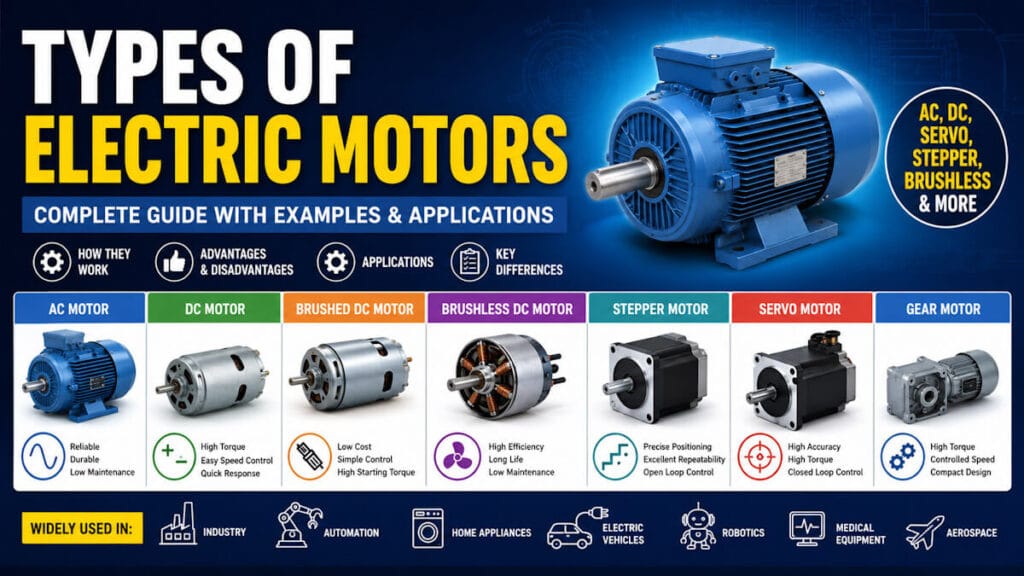
Types of electric motors are among the most important topics in electrical engineering because electric motors power everything from household appliances to industrial machinery, electric vehicles, robotics, and automation systems. Understanding the different types of electric motors helps students choose the right motor for a specific application.
In this comprehensive guide, you’ll learn how each type of electric motor works, its advantages, disadvantages, applications, and the differences between them.
15 Types of Electric Motors Infographic
Electric motors are everywhere, powering everything from ceiling fans and refrigerators to robots, electric vehicles, and massive industrial machines. Although all electric motors convert electrical energy into mechanical motion, each type is designed for specific performance, efficiency, speed, and torque requirements.
The infographic below provides a quick visual comparison of the most common types of electric motors, including AC motors, DC motors, induction motors, synchronous motors, brushless DC motors, brushed motors, stepper motors, servo motors, gear motors, universal motors, and shunt motors. It’s an excellent reference for students, engineers, technicians, and anyone interested in electrical engineering or automation.
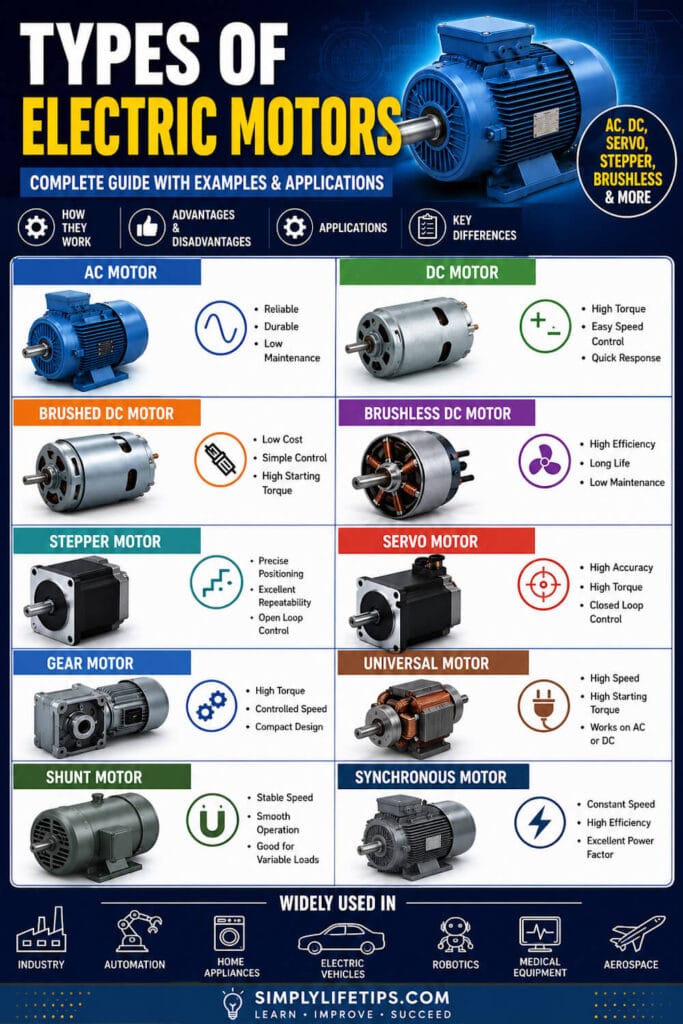
This infographic offers a simplified overview of the different types of electric motors and their primary applications. While AC motors are widely used in industrial equipment and household appliances, DC motors provide superior speed control for battery-powered devices. Brushless DC motors have become the preferred choice for electric vehicles, drones, and robotics because of their high efficiency and long lifespan.
For precision positioning, stepper and servo motors are widely used in CNC machines, 3D printers, and automated manufacturing systems. Gear motors deliver high torque at reduced speeds, making them ideal for conveyors and lifting equipment, while universal motors are commonly found in portable power tools and household appliances.
If you’re selecting an electric motor for a project or simply learning how motors work, understanding the strengths and limitations of each type will help you choose the most suitable motor for your specific application. Refer to this guide whenever you need a quick comparison of the most commonly used electric motors in modern engineering and industry.
What Is an Electric Motor?
An electric motor is an electromechanical device that converts electrical energy into mechanical energy through the interaction of magnetic fields.
The basic components include:
- Stator
- Rotor
- Bearings
- Shaft
- Windings
- Permanent magnets (in some motors)
- Commutator and brushes (in brushed DC motors)
Electric motors are used in:
- Ceiling fans
- Water pumps
- Washing machines
- Refrigerators
- Electric vehicles
- CNC machines
- Robots
- Drones
- Conveyor systems
- Industrial manufacturing equipment
Main Classification of Electric Motors
Electric motors are primarily classified according to their power source.
AC Motors
Operate using alternating current (AC).
Examples include:
- Induction Motor
- Synchronous Motor
- Universal Motor (can also operate on DC)
DC Motors
Operate using direct current (DC).
Examples include:
- Brushed DC Motor
- Brushless DC (BLDC) Motor
- Shunt Motor
- Series Motor
- Compound Motor
Special Purpose Motors
Designed for specific applications requiring precision or controlled motion.
Examples include:
- Stepper Motor
- Servo Motor
- Gear Motor
- Linear Motor
1. AC Motor
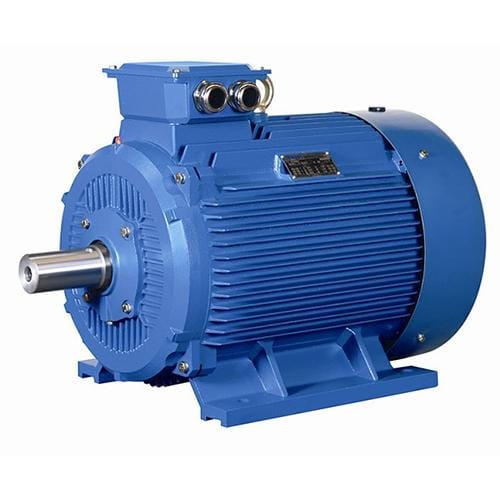
An AC motor converts alternating current into rotational mechanical energy. It is one of the most widely used motors because of its durability, low maintenance, and cost-effectiveness.
Working Principle
When AC flows through the stator windings, it creates a rotating magnetic field that induces current in the rotor, causing it to rotate.
Advantages
- Reliable
- Long lifespan
- Low maintenance
- Efficient
- Affordable
Disadvantages
- Speed control requires additional equipment
- Starting torque varies with design
Applications
- Pumps
- Fans
- Air conditioners
- Compressors
- Industrial machines
- Elevators
2. Induction Motor
An induction motor is the most common AC motor.
Types
Single-Phase Induction Motor
Used in homes where only single-phase electricity is available.
Applications:
- Ceiling fans
- Washing machines
- Water pumps
- Refrigerators
Three-Phase Induction Motor
Used in industries for heavy-duty operations.
Applications:
- Manufacturing plants
- Conveyor systems
- Compressors
- Cranes
- Textile machinery
Advantages
- Simple construction
- Rugged
- High efficiency
- Low maintenance
3. Synchronous Motor
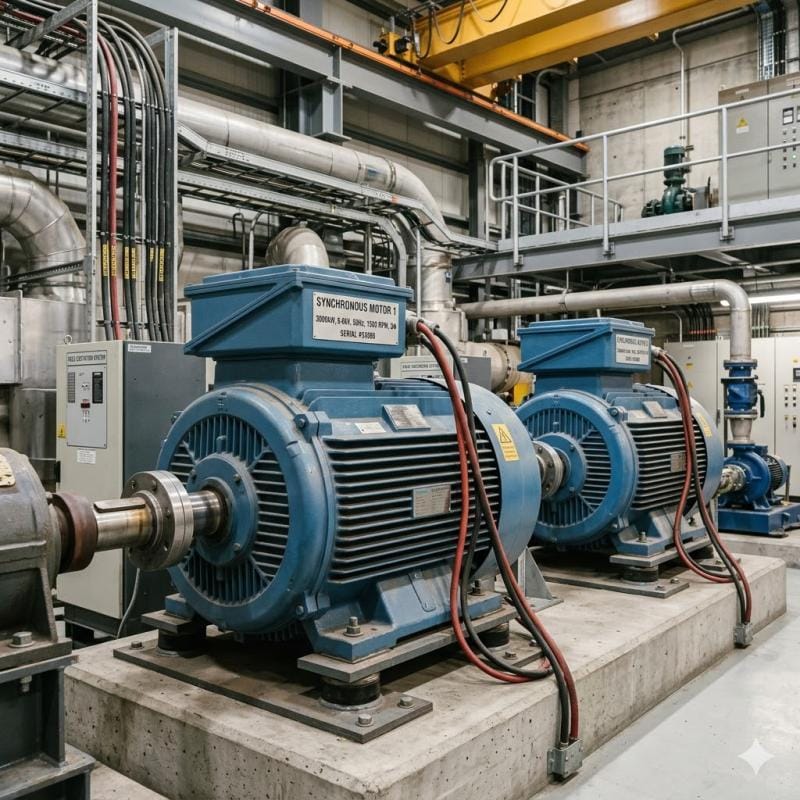
A synchronous motor rotates exactly at the speed of the rotating magnetic field.
Unlike induction motors, there is no slip.
Features
- Constant speed
- High efficiency
- Excellent power factor
Applications
- Power plants
- Precision machinery
- Large compressors
- Paper mills
4. DC Motor
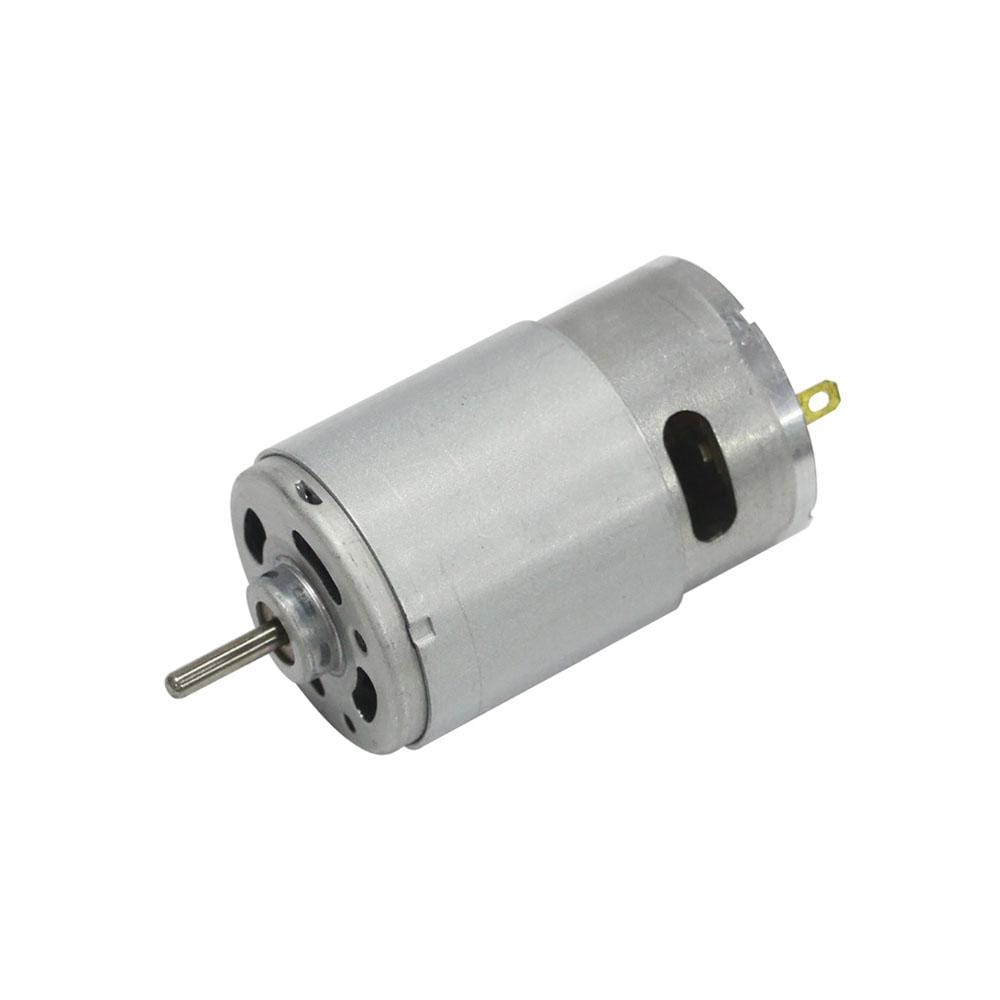
A DC motor converts direct current into mechanical rotation.
Working Principle
Current flows through armature windings while magnetic fields generate torque.
Advantages
- High starting torque
- Easy speed control
- Quick response
Disadvantages
- Brushes wear out
- Higher maintenance
Applications
- Toys
- Battery-operated devices
- Automotive systems
- Portable tools
5. Brushed DC Motor
Brushed motors use carbon brushes and a commutator to reverse current direction.
Advantages
- Low cost
- Simple control
- High starting torque
Disadvantages
- Brush wear
- Sparks
- Electrical noise
- Frequent maintenance
Applications
- Power tools
- Starter motors
- Small appliances
- Toys
6. Brushless DC (BLDC) Motor
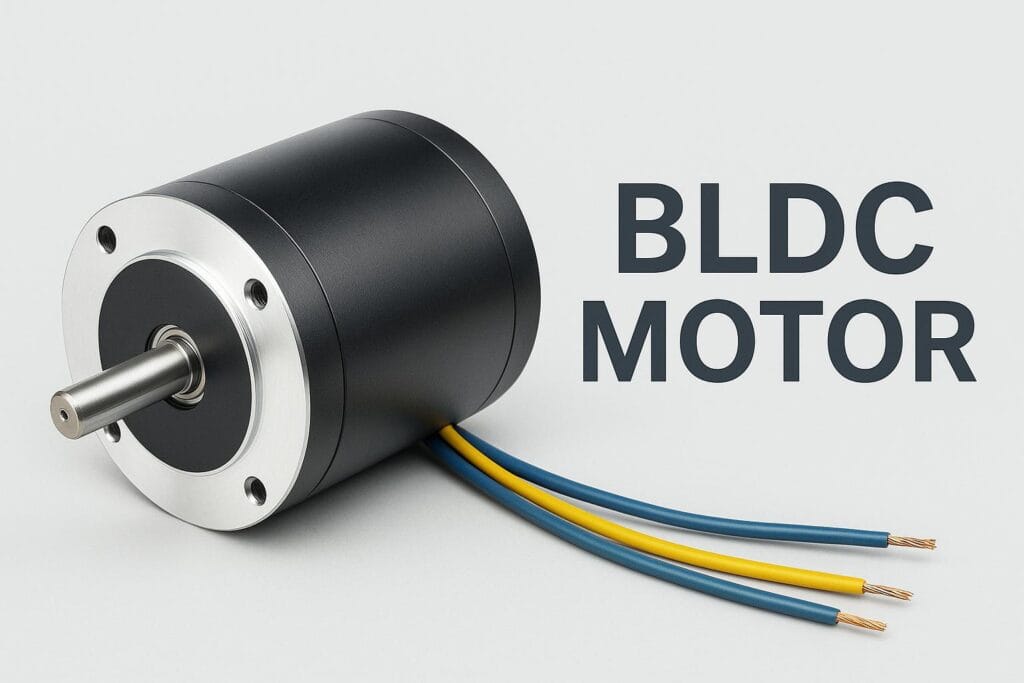
Brushless motors eliminate brushes by using electronic controllers.
Advantages
- Very efficient
- Quiet operation
- Long life
- Low maintenance
- High speed
Disadvantages
- Higher initial cost
- Requires an electronic controller
Applications
- Electric vehicles
- Drones
- Computer cooling fans
- Robotics
- Medical equipment
- Industrial automation
7. Stepper Motor
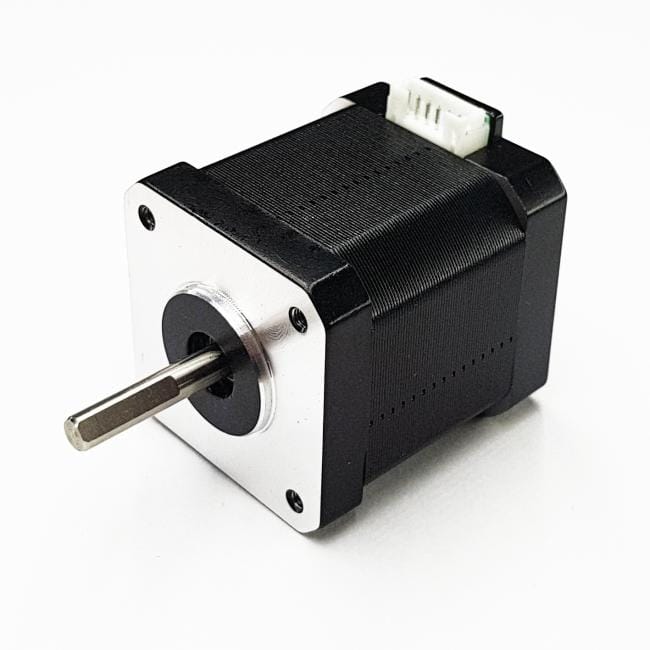
A stepper motor rotates in precise angular steps.
Instead of continuous rotation, movement occurs one step at a time.
Advantages
- Precise positioning
- Excellent repeatability
- No feedback is required for many applications
Disadvantages
- Limited speed
- Can lose steps under heavy loads
Applications
- 3D printers
- CNC machines
- Camera sliders
- Medical devices
- Automation
8. Servo Motor
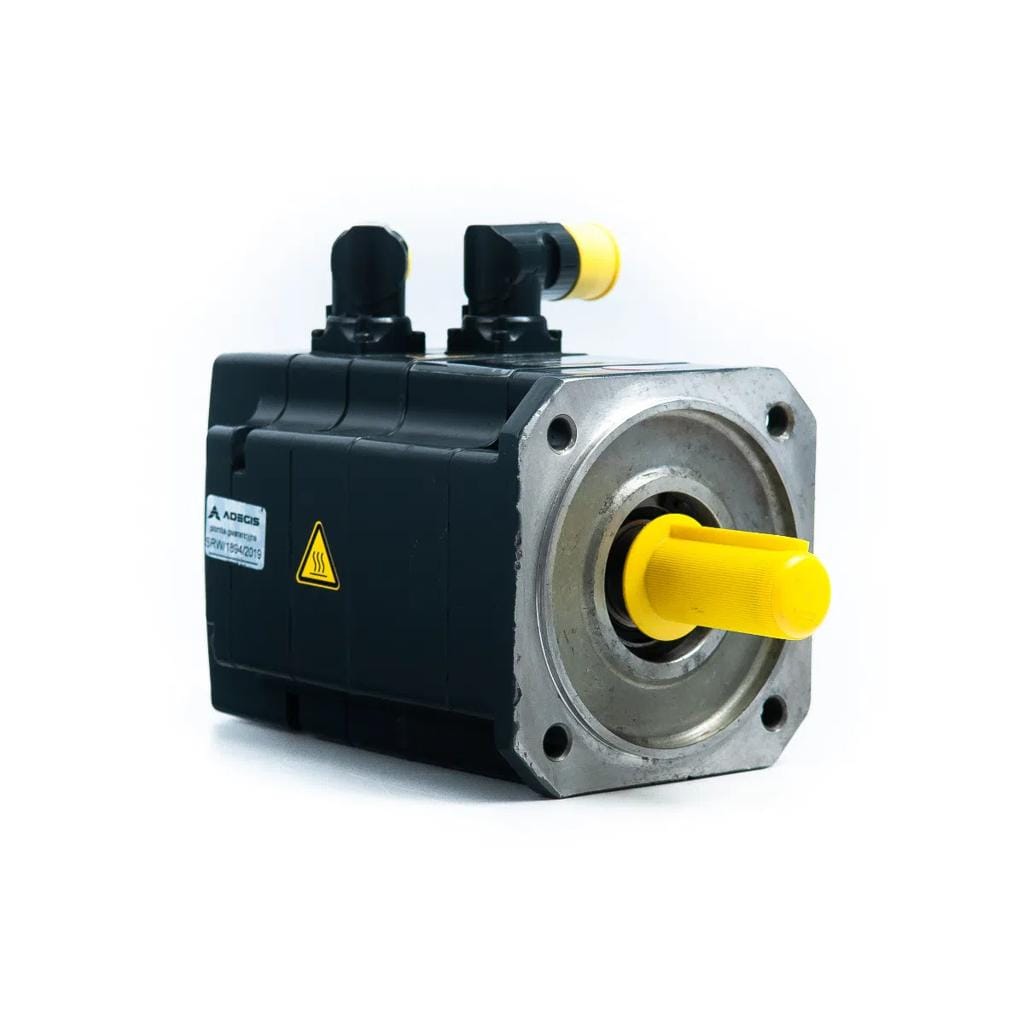
Servo motors provide highly accurate position, speed, and torque control.
They use feedback devices like encoders for closed-loop operation.
Advantages
- Extremely accurate
- High torque
- Fast response
- Smooth motion
Disadvantages
- Expensive
- Requires controller
Applications
- Robotics
- CNC machines
- Industrial automation
- Aerospace
- Packaging machines
9. Gear Motor
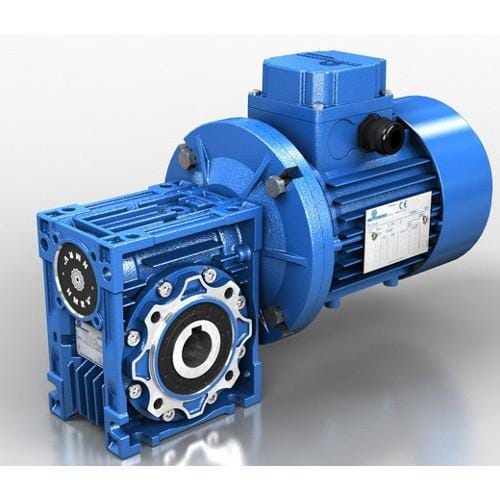
A gear motor combines an electric motor with a gearbox.
The gearbox reduces speed while increasing torque.
Advantages
- High torque
- Compact design
- Controlled speed
Disadvantages
- Lower speed
- Gear wear over time
Applications
- Conveyor belts
- Elevators
- Winches
- Food processing machines
- Packaging equipment
10. Universal Motor
A universal motor can operate on both AC and DC power supplies.
Advantages
- High speed
- Compact
- High starting torque
Disadvantages
- Noisy
- Brush maintenance
Applications
- Mixers
- Vacuum cleaners
- Drills
- Hair dryers
11. Shunt Motor
A shunt motor is a type of DC motor where the field winding is connected parallel to the armature.
Advantages
- Stable speed
- Smooth operation
Applications
- Lathes
- Blowers
- Printing presses
- Machine tools
Difference Between AC and DC Motors
| Feature | AC Motor | DC Motor |
|---|---|---|
| Power Supply | Alternating Current | Direct Current |
| Maintenance | Low | Moderate |
| Speed Control | Moderate | Excellent |
| Cost | Lower | Higher |
| Efficiency | High | High |
| Starting Torque | Moderate | High |
| Brushes | Usually No | Often Yes |
| Industrial Use | Very Common | Specialized |
Difference Between Brushed and Brushless Motors
| Feature | Brushed Motor | Brushless Motor |
|---|---|---|
| Brushes | Yes | No |
| Maintenance | High | Low |
| Efficiency | Lower | Higher |
| Noise | More | Less |
| Lifespan | Shorter | Longer |
| Cost | Lower | Higher |
Difference Between Servo and Stepper Motors
| Feature | Stepper Motor | Servo Motor |
|---|---|---|
| Accuracy | High | Very High |
| Feedback | Usually No | Yes |
| Speed | Moderate | High |
| Torque | Moderate | High |
| Cost | Lower | Higher |
How to Choose the Right Electric Motor?
Consider the following factors:
- Required torque
- Speed
- Power supply (AC or DC)
- Precision requirements
- Load type
- Operating environment
- Maintenance requirements
- Budget
- Energy efficiency
For example:
- Home water pump → Single-phase induction motor
- Factory conveyor → Three-phase induction motor
- Robot arm → Servo motor
- 3D printer → Stepper motor
- Electric scooter → Brushless DC motor
- Hand drill → Universal motor
Future of Electric Motors
Advancements in motor technology are driving:
- High-efficiency BLDC motors
- Smart motors with IoT connectivity
- AI-based predictive maintenance
- Rare-earth magnet optimization
- Energy-saving industrial motors
- Electric vehicle propulsion systems
- Compact high-torque designs
These innovations are improving efficiency, reducing energy consumption, and supporting the transition toward sustainable transportation and Industry 4.0.
Conclusion
Electric motors are the backbone of modern technology, powering everything from simple household appliances to advanced industrial automation and electric vehicles. Each motor type is designed for specific operating conditions and performance requirements. AC motors dominate industrial applications, DC motors provide excellent speed control, brushless motors offer high efficiency with minimal maintenance, while stepper and servo motors excel in precision motion control. Understanding their characteristics allows engineers, technicians, and enthusiasts to select the most suitable motor for reliable, efficient, and cost-effective performance.
- Types of Shoes | The Ultimate Guide to Popular Shoe Styles and Their Uses
- Types of Bridges | 5 Amazing Bridge Designs and How They Work
Frequently Asked Questions
Which electric motor is most commonly used?
The induction motor is the most widely used electric motor because it is reliable, efficient, and requires minimal maintenance.
What is the difference between a servo motor and a stepper motor?
A servo motor uses feedback for highly accurate control of speed and position, while a stepper motor moves in fixed increments and is often used without feedback.
Why are brushless motors better than brushed motors?
Brushless motors have no brushes to wear out, making them more efficient, quieter, longer-lasting, and requiring less maintenance.
Which motor is used in electric vehicles?
Most modern electric vehicles use brushless DC motors or permanent magnet synchronous motors due to their high efficiency, power density, and precise control.
Which motor is best for home appliances?
Single-phase induction motors are commonly used in fans, pumps, refrigerators, washing machines, and air conditioners because they are durable and cost-effective.
Thanks for reading! Stay healthy, stay active, and keep learning with Simply Life Tips
— PVM

Mathukutty P V is a Blogger, YouTuber, and Content Writer and the founder of Simply Life Tips. After taking voluntary retirement in 2017, he embraced a free lifestyle focused on learning, personal growth, and sharing practical wisdom to help others live with more purpose and positivity.



