
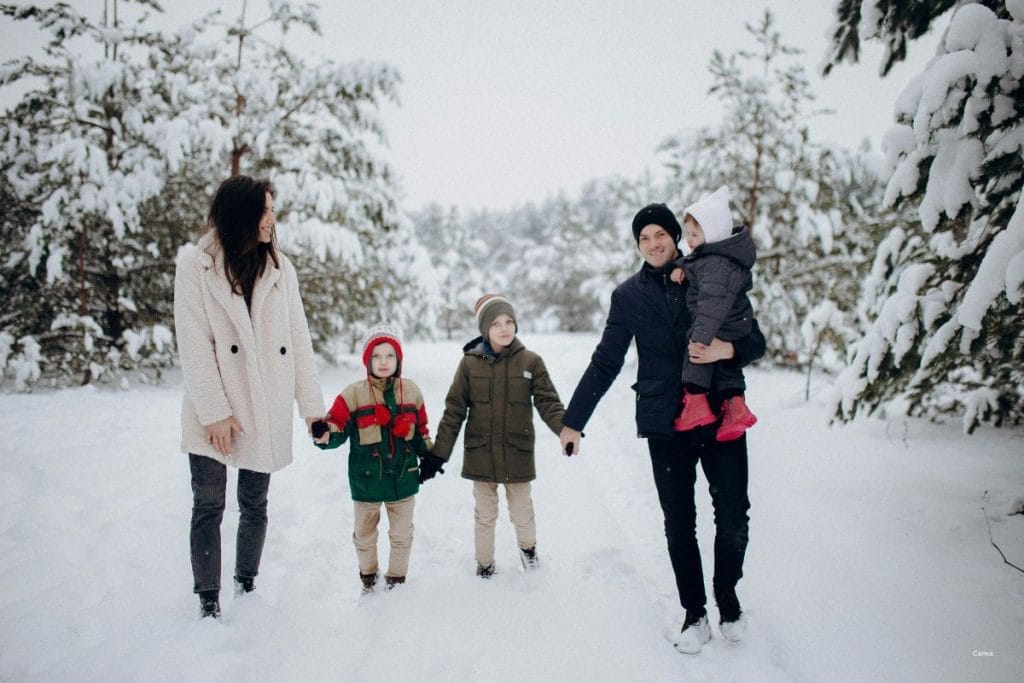
The importance of holidays for children is not found in decorations, gifts, or perfectly planned celebrations, but in how repeated family traditions quietly shape a child’s nervous system, emotional safety, and sense of belonging, and this blog explores why holidays become powerful emotional anchors that children carry for life. Children experience the world through rhythm and repetition. When something meaningful returns again and again, their brain learns safety. Holidays slow time just enough for a child to recognise patterns of warmth, connection, and predictability. A child may not remember every detail of a celebration, but their brain remembers how it felt to be together, to be seen, and to belong.
Importance of Holidays for Children
The importance of holidays for children lies in how repeated family traditions create emotional safety, strengthen identity, and support healthy brain development over time. Holidays provide predictable rhythms that help children regulate emotions, feel secure, and understand where they belong. When meaningful rituals return each year, the child’s nervous system learns stability, reducing stress and increasing resilience. These experiences quietly shape memory, attachment, and self-worth, proving that holidays are not extras in childhood but essential emotional anchors that influence how children feel, connect, and grow throughout life.
Why Holidays Shape a Child’s Nervous System?
Holidays influence children at a neurological level because the developing brain is constantly scanning the environment for signals of safety, stability, and meaning. A child’s nervous system is not focused on logic or explanation. It is focused on patterns. When the same experiences return again and again, the brain learns what to expect. Familiar routines tell the brain that the environment is safe. Predictability lowers stress responses. Repeated positive moments help organise emotional pathways. The brain begins to associate certain times of the year with warmth and connection. This sense of safety allows emotional regulation to develop more easily. Over time, these repeated signals shape how a child responds to change, stress, and relationships.

Rhythm and Repetition Create Emotional Safety
Children do not learn emotional safety through explanation. They learn it through repetition. When the same holiday routines return year after year, the nervous system recognises the pattern and relaxes. Familiar sequences such as decorating together, cooking a known dish, or gathering at the same time teach the brain that certain moments are predictable. This predictability reduces anxiety and allows the child to feel grounded rather than overwhelmed.
Predictability Helps Regulate Stress
A predictable holiday rhythm helps children manage emotional stimulation. Holidays often involve noise, people, and excitement, which can overwhelm a child’s nervous system. When these experiences are framed within familiar routines, the brain can process stimulation more calmly. Knowing what comes next helps the child feel in control, even during busy or emotionally intense moments.
Sensory Memory Anchors the Brain
Smell, sound, and visual cues play a powerful role in memory formation. The same food aromas, songs, or decorations activate emotional memory networks associated with warmth and connection. Over time, these sensory cues become emotional anchors that help regulate mood and provide comfort, even years later.
Holidays as Emotional Anchors in Childhood
Holidays become internal reference points that shape how children remember family, connection, and emotional safety. These moments are stored in the brain as emotional memories rather than detailed events. A child may forget what happened, but they remember how it felt. Repeated holidays create familiar emotional patterns. These patterns help children recognise warmth, closeness, and belonging. When life feels uncertain, the brain returns to these reference points. They provide comfort and grounding. Over time, these emotional landmarks influence how children understand relationships and safety.
Children Remember Feelings, Not Costs
A child does not remember how much money was spent or how elaborate a celebration was. They remember the emotional tone. Calm voices, shared laughter, and moments of togetherness are what get stored in memory. Emotional presence matters far more than perfection, and children are deeply sensitive to the emotional atmosphere around them.
Shared Moments Build Internal Security
When families slow down during holidays and genuinely notice each other, children internalise the experience as safety. These moments become emotional landmarks that the child carries into adolescence and adulthood. During stressful times later in life, these internalised memories often resurface as a sense of comfort and stability.
Consistency Builds Trust Over Time
When holidays feel emotionally consistent year after year, children learn that connection is reliable. This reliability builds trust not only in family relationships but also in the broader world. Children who trust that meaningful moments return develop stronger emotional resilience.
Family Traditions and Emotional Regulation
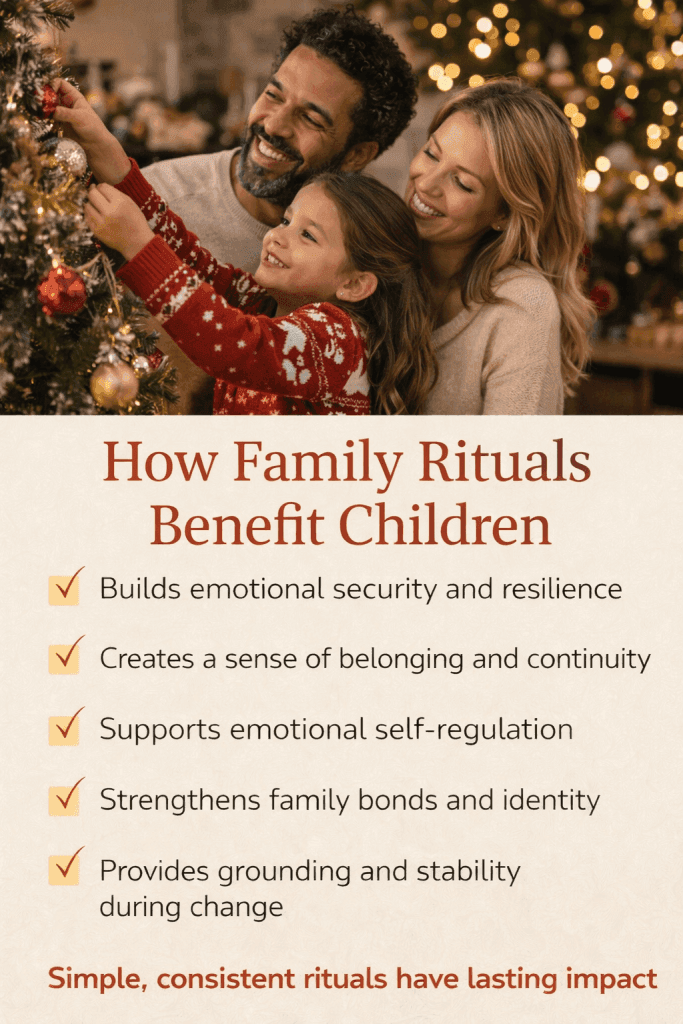
Repeated family rituals play a critical role in helping children manage emotions and develop self-regulation skills. Rituals provide structure to emotional experiences. They help children know what to expect. Predictability reduces emotional overwhelm. Familiar routines calm the nervous system. Children feel less anxious when events follow a known rhythm. Over time, these repeated patterns teach the brain how to settle after excitement or stress. This builds the foundation for emotional balance and self-control.
Rituals Organise Emotional Experience
Rituals provide structure to emotional experiences. Anticipation, excitement, and even disappointment are easier to manage when children understand the rhythm of events. Structured traditions help children process emotions in a contained and supportive way rather than feeling emotionally scattered.
Calm Traditions Support Nervous System Balance
Quiet traditions such as shared meals, storytelling, or reflective moments help balance emotional stimulation. These calming rituals counteract the fast pace of daily life and allow the child’s nervous system to reset. Over time, this balance supports emotional stability and self-soothing abilities.
Emotional Safety Encourages Expression
When traditions feel safe and familiar, children feel more comfortable expressing emotions. They learn that feelings are welcome within predictable family structures. This openness supports emotional intelligence and strengthens communication skills as children grow.
Attachment and the Importance of Holidays for Children
Holidays strengthen attachment by reinforcing connection, presence, and shared meaning. They bring families together in predictable ways. Shared time creates emotional closeness. Familiar rituals signal safety and care. Children feel seen and valued during these moments. Consistent presence builds trust. Over time, these repeated experiences deepen emotional bonds. This strengthens a child’s sense of security in relationships.
Repeated Togetherness Strengthens Bonds
Attachment grows through repeated experiences of closeness. Holidays naturally create opportunities for togetherness without pressure. Sitting together, sharing food, and engaging in familiar rituals reinforce emotional bonds through simple presence.
Presence Matters More Than Perfection
Children are highly sensitive to emotional availability. A calm, attentive parent communicates safety far more effectively than a perfect celebration filled with stress. Holidays offer a chance to prioritise presence, which strengthens attachment and emotional trust.
Rituals Communicate Belonging
Traditions quietly communicate inclusion. Participation signals that the child belongs. Familiar rituals feel welcoming and safe. Children sense that they are part of something ongoing. This message strengthens belonging. Belonging builds emotional confidence. Over time, this security supports healthy relationships.
Identity Formation Through Family Traditions
Holidays play a powerful role in shaping a child’s identity by creating continuity and shared meaning. Repeated traditions help children understand who they are within their family. Familiar rituals connect past, present, and future. This creates a sense of stability over time. Children learn what their family values through shared celebrations. These experiences become part of their personal story. Over time, this shared meaning supports confidence and a clear sense of belonging.
Traditions Create a Sense of “Us”
Family traditions create a shared identity that children absorb over time. Repeated rituals communicate who the family is. Children learn shared values through participation. Belonging becomes familiar and secure. This sense of “us” strengthens emotional grounding. It helps children understand themselves within relationships. Over time, this shared identity supports confidence and stability.
Continuity Across Time Builds Stability
Children experience time differently, and holidays help connect past, present, and future. Repeated traditions link memories across years. This creates a sense of continuity. Continuity reassures children during change. Familiar rituals remain steady when other things shift. These emotional constants provide grounding. Stability helps children feel safe and secure.
Shared Meaning Strengthens Self-Worth
Feeling included in meaningful family rituals reinforces a child’s sense of value. Inclusion communicates that the child matters. Being trusted with small roles builds confidence. Responsibility signals respect. Children feel capable and important. These experiences strengthen self-esteem. Over time, this sense of competence becomes part of how they see themselves.
Meaningful Traditions Over Elaborate Celebrations
The importance of holidays for children is not about doing more, but about doing what matters. Children do not need constant excitement. They need emotional connection. Simple traditions are easier to repeat and remember. Meaning grows through consistency, not effort. Presence matters more than perfection. When families slow down and connect, children feel safe and valued. These moments create lasting emotional impact.
Simplicity Enhances Emotional Connection
Simple traditions are easier to repeat consistently, which makes them more powerful. Consistency creates emotional safety. Familiar actions reduce uncertainty. Baking the same recipe each year creates anticipation. Telling the same story builds comfort and connection. The child knows what is coming next. This predictability calms the nervous system. Familiarity deepens emotional meaning over time.
Presence Creates Lasting Impact
Children need emotional presence more than stimulation. Emotional availability signals safety. Slowing down helps children feel noticed. Listening communicates value and respect. Shared attention builds connection. These moments regulate the nervous system. The feeling of being seen lasts longer than the event itself. Over time, presence becomes the strongest memory children carry.
Meaning Grows Through Consistency
Meaning is built over time. Repetition turns moments into memories. Care and intention add emotional weight. Each repeated tradition deepens familiarity. Familiarity builds trust and comfort. Over time, these experiences become emotionally rich. The bond grows stronger with each shared year.
Long-Term Benefits of Holiday Traditions
The emotional impact of holidays extends far beyond childhood. Early experiences shape lifelong emotional patterns. Familiar traditions remain stored in memory. These memories resurface during stress or transition. They provide comfort and grounding in adulthood. Shared rituals influence how people create families later. The emotional imprint continues across generations.
Stronger Emotional Resilience
Children raised with consistent traditions tend to develop better emotional coping skills. Familiar rituals create a sense of safety. Safety allows the nervous system to stay regulated. When stress appears, the brain remembers calm patterns. This makes emotional recovery easier. Over time, children learn how to manage discomfort. These skills strengthen resilience throughout life.
Building Emotional Resilience in Children: Why Letting Kids Cry Builds Strength
Deeper Sense of Identity
Traditions help children understand who they are and where they come from. Repeated rituals create a clear sense of roots. Children learn family values through shared experiences. This builds a stable inner identity. Identity brings confidence. Confidence supports emotional balance. Over time, children carry this clarity into adulthood.
Lasting Family Connection
Shared traditions create emotional threads that connect family members across time. Repeated experiences strengthen emotional bonds. These bonds extend beyond childhood. Memories formed together remain emotionally alive. They resurface during important life moments. This connection supports closeness even across distance. Over time, traditions continue to hold meaning in adulthood.
Conclusion
The importance of holidays for children lies not in making celebrations magical, but in making them meaningful. Holidays are memory builders, identity markers, and emotional landmarks that quietly shape a child’s inner world. Through repetition, rhythm, and presence, traditions teach children that life can be predictable, relationships can be safe, and belonging is real. Years from now, a child may not remember every detail, but their brain will remember how it felt to be together, to be seen, and to be safe. One shared tradition, one familiar rhythm, and one deeply rooted childhood at a time, holidays shape who children become.
The importance of holidays for children lies in creating a sense of emotional safety and belonging. What small tradition could you repeat this year to help a child feel more grounded, seen, and secure?
- Summer Care For Kids: Keep Your Children Safe And Healthy
- Summer Activities For Kids: Refresh Mind And Improve Skills
FAQs – Importance of Holidays for Children
Why are holidays important for children’s emotional development?
Holidays provide predictable rituals that help regulate a child’s nervous system. Predictability calms emotional responses. Familiar routines reduce stress. Repeated positive experiences build emotional security. Secure experiences strengthen attachment. Over time, children learn to manage emotions more effectively. This supports resilience and self-regulation.
Do children need elaborate holiday celebrations?
No. Children benefit more from meaningful and consistent traditions than elaborate events. Meaning builds through repetition. Consistency creates emotional safety. Familiar moments feel comforting. Emotional presence matters more than appearance. Perfection is not required. What lasts is how children feel.
How do family traditions affect a child’s identity?
Family traditions create a sense of belonging and continuity. Repeated rituals make belonging feel secure. Children absorb these experiences naturally. Shared traditions become part of identity. Identity supports confidence. Confidence strengthens emotional stability. Over time, children carry this sense of belonging within themselves.
Can small traditions really make a difference?
Yes. Simple, repeated rituals often have the strongest emotional impact. Simplicity makes repetition easier. Repetition creates familiarity. Familiarity builds safety. Each repeated experience adds emotional depth. Over time, consistency turns moments into meaning. This accumulated meaning strengthens emotional bonds.
What if a family is busy or stressed during the holidays?
Even small moments of presence can be powerful. Presence does not require long periods of time. A brief pause creates a connection. Eye contact signals attention. Listening without distraction builds trust. These small moments calm the nervous system. Children feel noticed and valued. This sense of grounding supports emotional security.
Thank you for taking the time to explore this post. I sincerely hope you found the insights valuable and actionable. If this content resonated with you, please consider sharing it. Your support enables me to share knowledge and inspiration with others in our community.
PVM

Mathukutty P V is a Blogger, YouTuber, and Content Writer and the founder of Simply Life Tips. After taking voluntary retirement in 2017, he embraced a free lifestyle focused on learning, personal growth, and sharing practical wisdom to help others live with more purpose and positivity.



