

Vitamin B12 deficiency symptoms can affect more than your energy levels. Persistent tiredness, numbness in the hands and feet, tingling sensations, memory problems, and difficulty maintaining balance may sometimes indicate that your body is not getting enough of this essential vitamin.
Have you ever experienced burning sensations in your feet, pins and needles in your fingers, unexplained weakness or difficulty concentrating? Many people dismiss these problems as signs of ageing, stress or everyday tiredness. However, vitamin B12 deficiency is another possible cause that deserves attention.
Vitamin B12 plays an important role in red blood cell production, brain function and nerve health. If a deficiency remains untreated, it can cause serious neurological complications, some of which may become permanent.
Understanding the early warning signs, identifying the underlying causes and seeking appropriate treatment can help protect your long-term health.
Understanding vitamin B12 deficiency symptoms early can help people seek medical attention before complications develop.
Let’s explore the symptoms, causes, risk factors, food sources, diagnosis and treatment of vitamin B12 deficiency.
What Is Vitamin B12 and Why Is It Important?
Vitamin B12, also known as cobalamin, is an essential water-soluble vitamin that supports several important functions in the human body.
It is particularly important for:
- Red blood cell production: Vitamin B12 helps produce healthy red blood cells that carry oxygen throughout the body.
- Nerve health: It supports the normal functioning of the nervous system and helps maintain the protective myelin covering around nerves.
- Brain function: It contributes to normal neurological function, memory and cognitive processes.
- DNA production: It plays an essential role in DNA synthesis and normal cell development.
Without sufficient vitamin B12, the body may struggle to produce healthy blood cells and maintain normal nerve function.
A prolonged deficiency can affect both physical and mental well-being.
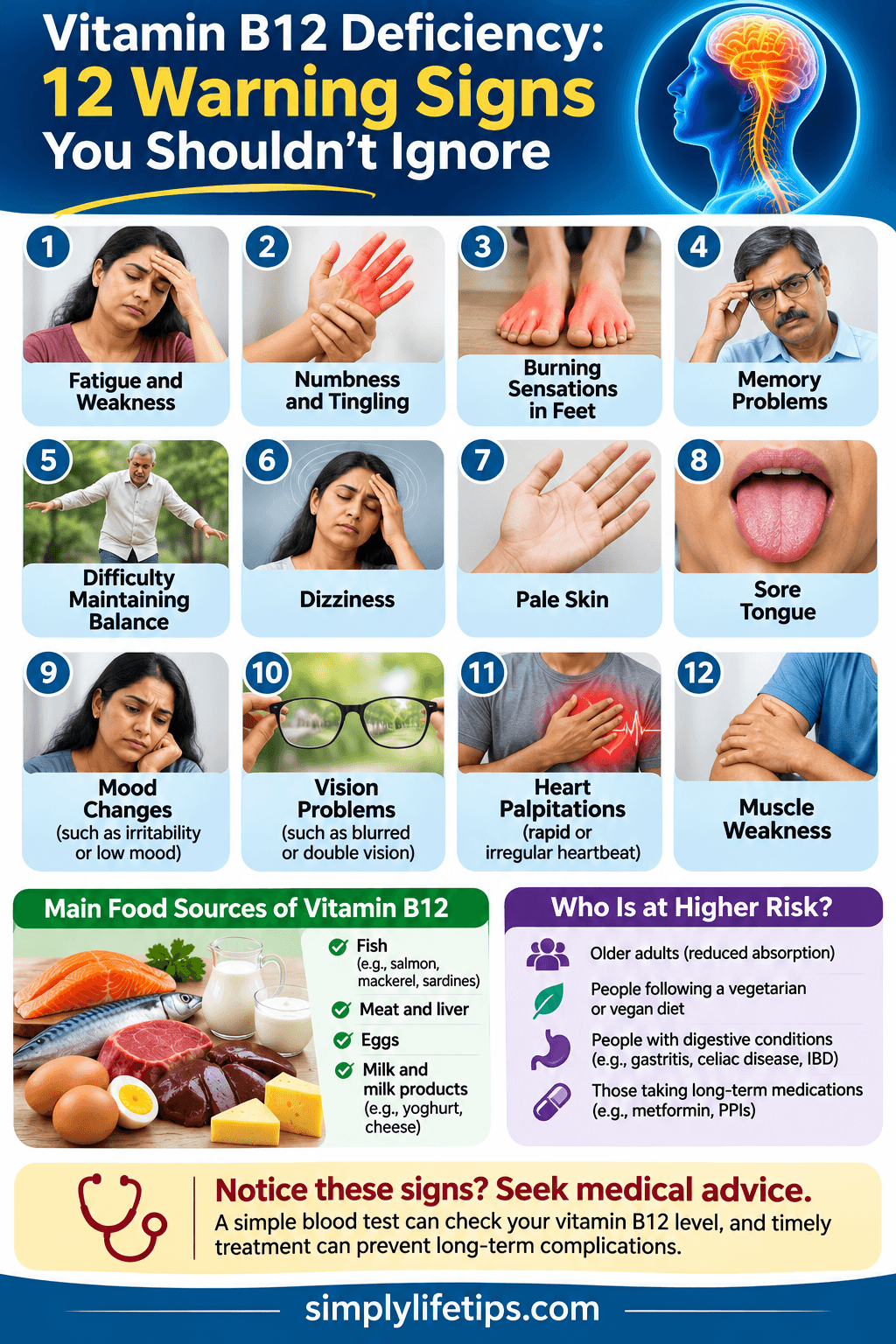
12 Common Vitamin B12 Deficiency Symptoms
Vitamin B12 deficiency symptoms can develop gradually. Some people initially experience general tiredness, while others develop neurological problems.
Here are 12 warning signs worth recognising.
1. Persistent Fatigue and Weakness
Unexplained tiredness is a common symptom of vitamin B12 deficiency.

When B12 levels become too low, the body may produce abnormally large red blood cells that cannot function properly. This can lead to megaloblastic anaemia and reduced oxygen delivery to tissues.
You may experience:
- Constant tiredness despite adequate sleep.
- General weakness.
- Reduced physical stamina.
- Difficulty completing everyday activities.
- Shortness of breath during physical activity.
For example, someone who previously enjoyed walking may begin feeling unusually exhausted after a short distance.
However, fatigue has many possible causes, including iron deficiency, thyroid disorders, sleep problems and other medical conditions.
Persistent tiredness and difficulty concentrating can also be associated with mental fatigue. Read our guide to 10 Mental Fatigue Symptoms to understand other possible causes.
2. Numbness in Hands and Feet

Numbness is an important neurological symptom associated with vitamin B12 deficiency.
Some people experience reduced sensation in their fingers, toes, hands or feet.
This happens because insufficient vitamin B12 can interfere with normal nerve function.
You may notice:
- Reduced sensation in your fingertips.
- Numbness in your toes.
- Difficulty feeling the ground while walking.
- A sensation of heaviness in your feet.
Don’t ignore persistent or worsening numbness.
3. Tingling and Burning Sensations
A pins-and-needles sensation is another common neurological symptom.
Some people describe it as tiny electric shocks, while others experience burning or prickling sensations.
These feelings may occur in:
- Fingers and hands.
- Feet and toes.
- Legs.
- Other affected areas of the body.
The symptoms may initially appear occasionally but can become more persistent if the underlying deficiency remains untreated.
4. Memory Problems and Difficulty Concentrating
Vitamin B12 is essential for normal nervous system function.
When levels become deficient, some people experience cognitive difficulties, including:
- Forgetfulness.
- Poor concentration.
- Difficulty remembering recent information.
- Confusion.
- Difficulty organising thoughts.
For example, you may repeatedly forget where you placed everyday objects or struggle to remember information you recently learned.
These symptoms do not automatically indicate vitamin B12 deficiency. Sleep problems, stress, depression, thyroid disorders and other medical conditions can also affect memory.
Read our related article: How to Improve Memory.
5. Difficulty Maintaining Balance
Vitamin B12 deficiency can affect the nerves responsible for detecting body position and movement.
As a result, some people develop:
- Unsteady walking.
- Difficulty maintaining balance.
- Frequent stumbling.
- Reduced coordination.
- Increased risk of falls.
These problems may become more noticeable while walking in dimly lit surroundings or climbing stairs.
Balance difficulties deserve prompt medical attention, particularly when they develop alongside numbness or tingling.
6. Dizziness and Light-headedness
Some people with vitamin B12 deficiency experience dizziness or light-headedness.
When deficiency causes anaemia, reduced oxygen-carrying capacity may contribute to these symptoms.
However, dizziness can also result from dehydration, low blood pressure, inner ear disorders and other medical conditions.
Persistent dizziness should be medically evaluated rather than automatically attributed to vitamin deficiency.
7. Pale or Yellowish Skin
Vitamin B12 deficiency can interfere with normal red blood cell production.
When anaemia develops, the skin may appear unusually pale.
In some cases, the breakdown of abnormal red blood cells can also contribute to a slight yellowish appearance of the skin.
Noticeable changes in skin colour should be assessed by a healthcare professional.
8. A Red and Sore Tongue
A smooth, swollen, red and painful tongue is another possible symptom.
This condition is known as glossitis.
You may experience:
- Burning sensations on the tongue.
- Pain while eating spicy food.
- Difficulty enjoying certain foods.
- Mouth discomfort.
- Occasional mouth ulcers.
These symptoms can also occur with other nutritional deficiencies and oral health conditions.
9. Mood Changes and Depression
Vitamin B12 supports normal neurological function.
Some people with deficiency experience psychological or emotional changes, including:
- Irritability.
- Low mood.
- Anxiety.
- Difficulty concentrating.
- Unusual changes in behaviour.
These symptoms have many possible causes. A proper medical assessment is important before connecting them to vitamin B12 deficiency.
10. Vision Problems
In uncommon cases, severe vitamin B12 deficiency can affect the optic nerve.
Possible symptoms include:
- Blurred vision.
- Changes in visual perception.
- Reduced visual clarity.
- Other unexplained visual disturbances.
Sudden vision changes require urgent medical evaluation.
11. Heart Palpitations
When vitamin B12 deficiency causes anaemia, the heart may work harder to deliver sufficient oxygen throughout the body.
Some people experience:
- Noticeably rapid heartbeat.
- Heart palpitations.
- Shortness of breath.
- Unusual tiredness during physical activity.
Palpitations can have several causes, including heart rhythm problems, so they should not automatically be attributed to B12 deficiency.
12. Muscle Weakness
Vitamin B12 deficiency can affect the nerves responsible for normal muscle function and movement.
You may experience:
- Weakness in the legs.
- Difficulty climbing stairs.
- Reduced walking stability.
- Difficulty performing routine physical activities.
Severe neurological involvement can affect mobility and increase the risk of falls.
Important: Vitamin B12 deficiency can cause neurological symptoms even when a person does not have anaemia. A normal-looking blood count does not always rule out deficiency.
What Causes Vitamin B12 Deficiency?
Vitamin B12 deficiency symptoms develop when the body does not receive enough vitamin B12 or cannot absorb and use it properly.
The main causes include the following.
1. Insufficient Dietary Intake
Vitamin B12 occurs naturally mainly in animal-based foods.
People who avoid meat, fish, eggs and dairy products may have difficulty meeting their requirements unless they regularly consume fortified foods or appropriate supplements.
Strict vegans are particularly at risk if they do not obtain vitamin B12 from reliable alternative sources.
2. Problems With Vitamin B12 Absorption
Eating foods containing vitamin B12 does not guarantee that the body will absorb enough of it.
Vitamin B12 absorption involves several digestive processes.
A protein produced in the stomach, known as intrinsic factor, is necessary for normal absorption of vitamin B12 in the small intestine.
Conditions affecting the stomach or intestine can interfere with this process.
Examples include:
- Autoimmune gastritis.
- Pernicious anaemia.
- Coeliac disease.
- Certain intestinal disorders.
- Previous stomach or intestinal surgery.
3. Certain Medications
Long-term use of some medications can increase the risk of vitamin B12 deficiency.
Important examples include:
- Metformin, commonly prescribed for type 2 diabetes.
- Proton pump inhibitors (PPIs), such as omeprazole.
- Certain medicines that reduce stomach acid.
People taking these medications for extended periods may need assessment depending on their symptoms and individual risk factors.
Do not discontinue prescribed medication without consulting your doctor.
4. Increasing Age
As people grow older, changes in stomach function and digestive health may affect vitamin B12 absorption.
Some older adults may also have reduced dietary intake or underlying digestive conditions.
Therefore, unexplained fatigue, numbness, and memory problems in older people deserve appropriate medical evaluation.
Who Is at Higher Risk of Vitamin B12 Deficiency?
Certain groups are more likely to develop vitamin B12 deficiency. People in these high-risk groups should pay attention to possible vitamin B12 deficiency symptoms, particularly persistent fatigue and unusual nerve sensations.
They include:
- Vegetarians and vegans who do not consume fortified foods or supplements.
- Older adults.
- People with autoimmune gastritis or pernicious anaemia.
- Individuals with coeliac disease or other intestinal disorders.
- People who have undergone stomach or intestinal surgery.
- Individuals taking metformin for extended periods.
- People using certain acid-reducing medicines long-term.
- Individuals with conditions affecting nutrient absorption.
Recognising these risk factors can help identify deficiency before serious complications develop.
Can You Have Vitamin B12 Deficiency Even With a Healthy Diet?
Yes.
A person may consume enough vitamin B12 through food but still develop a deficiency because of poor absorption.
For example, someone who regularly eats fish, eggs and dairy products may still have low vitamin B12 levels due to autoimmune gastritis or other digestive problems.
The intrinsic factor produced in the stomach plays an essential role in vitamin B12 absorption.
If the body cannot produce enough intrinsic factor or the intestine cannot absorb the vitamin properly, dietary intake alone may not correct the problem.
This is why identifying the underlying cause is just as important as treating the deficiency.
Best Foods Rich in Vitamin B12
Food is an important source of vitamin B12.
Including suitable B12-rich foods in your regular diet can help maintain adequate intake.

Animal-Based Sources
Some good dietary sources include:
- Fish such as sardines, mackerel and salmon.
- Meat and poultry.
- Eggs.
- Milk.
- Yoghurt.
- Cheese.
- Liver.
For Indian readers, commonly available options include sardines (mathi), mackerel (ayala), eggs, milk and curd.
Fortified Foods
Some foods have vitamin B12 added during manufacturing.
Examples include:
- Fortified breakfast cereals.
- Fortified nutritional yeast.
- Certain fortified plant-based milk alternatives.
Always check the product label to confirm that vitamin B12 has actually been added.
Do Vegetables and Fruits Contain Vitamin B12?
Most ordinary fruits, vegetables, pulses, nuts and whole grains are not reliable natural sources of vitamin B12.
Plant-based diets therefore require special attention to fortified foods or suitable supplementation.
How Much Vitamin B12 Do You Need Daily?
The recommended daily intake varies according to age and life stage.
According to the US National Institutes of Health, the recommended amounts include:
| Age or Life Stage | Daily Requirement |
|---|---|
| Children 1–3 years | 0.9 mcg |
| Children 4–8 years | 1.2 mcg |
| Children 9–13 years | 1.8 mcg |
| Adults | 2.4 mcg |
| Pregnant women | 2.6 mcg |
| Breastfeeding women | 2.8 mcg |
These are dietary reference amounts for healthy individuals, not treatment doses for people with an established deficiency.
How Is Vitamin B12 Deficiency Diagnosed?
Symptoms alone cannot confirm vitamin B12 deficiency.
Recognising vitamin B12 deficiency symptoms and confirming the condition through appropriate blood tests are important steps towards effective treatment.
A healthcare professional may recommend blood tests based on your symptoms, medical history and risk factors.

Common investigations include:
1. Serum Vitamin B12 Test
This blood test measures the amount of vitamin B12 circulating in the blood.
Low levels may indicate deficiency, but laboratory reference ranges and clinical guidelines differ.
A borderline result may require additional investigation.
2. Complete Blood Count (CBC)
A CBC helps assess red blood cells, haemoglobin and other blood components.
Vitamin B12 deficiency may cause megaloblastic anaemia, in which red blood cells become larger than normal.
However, a normal CBC does not completely exclude neurological vitamin B12 deficiency.
3. Methylmalonic Acid (MMA)
Methylmalonic acid is a substance that can increase when vitamin B12 levels are insufficient.
Doctors may recommend this test when the initial vitamin B12 result is uncertain.
4. Homocysteine Test
Homocysteine levels may also increase with vitamin B12 deficiency.
However, other factors, including folate status and kidney function, can influence the result.
Additional tests may be required to identify the underlying cause of deficiency.
Vitamin B12 Tablets vs Injections: Which Is Better?
Both oral supplements and injections can be used to treat vitamin B12 deficiency.
The appropriate treatment depends on the cause, severity and presence of neurological symptoms.
Vitamin B12 Tablets
High-dose oral vitamin B12 supplements can be effective for many people.
They may be suitable when:
- Dietary intake is insufficient.
- The deficiency is related to inadequate food intake.
- Oral treatment is appropriate for the underlying condition.
Vitamin B12 Injections
Injections may be recommended in situations involving:
- Significant neurological symptoms.
- Severe deficiency.
- Certain absorption disorders.
- Conditions in which oral treatment may be unsuitable or inadequate.
The choice of treatment should be made by a healthcare professional.
Some people may require long-term or lifelong replacement, depending on the underlying cause.
How Long Does It Take to Recover From Vitamin B12 Deficiency?
Recovery varies considerably from person to person.
Some symptoms may begin improving within a few weeks of starting appropriate treatment. However, complete recovery can take longer, particularly when the nervous system has been affected.
Factors influencing recovery include:
- How severe the deficiency was.
- How long the deficiency remained untreated.
- Whether neurological damage has occurred.
- The underlying cause.
- Whether the treatment is appropriate and adequate.
Blood vitamin B12 levels may improve before neurological symptoms disappear.
If symptoms persist, worsen, or new problems develop during treatment, further medical assessment is important.
Can Vitamin B12 Deficiency Cause Permanent Nerve Damage?
Yes.
Prolonged and untreated vitamin B12 deficiency can damage peripheral nerves and parts of the spinal cord.
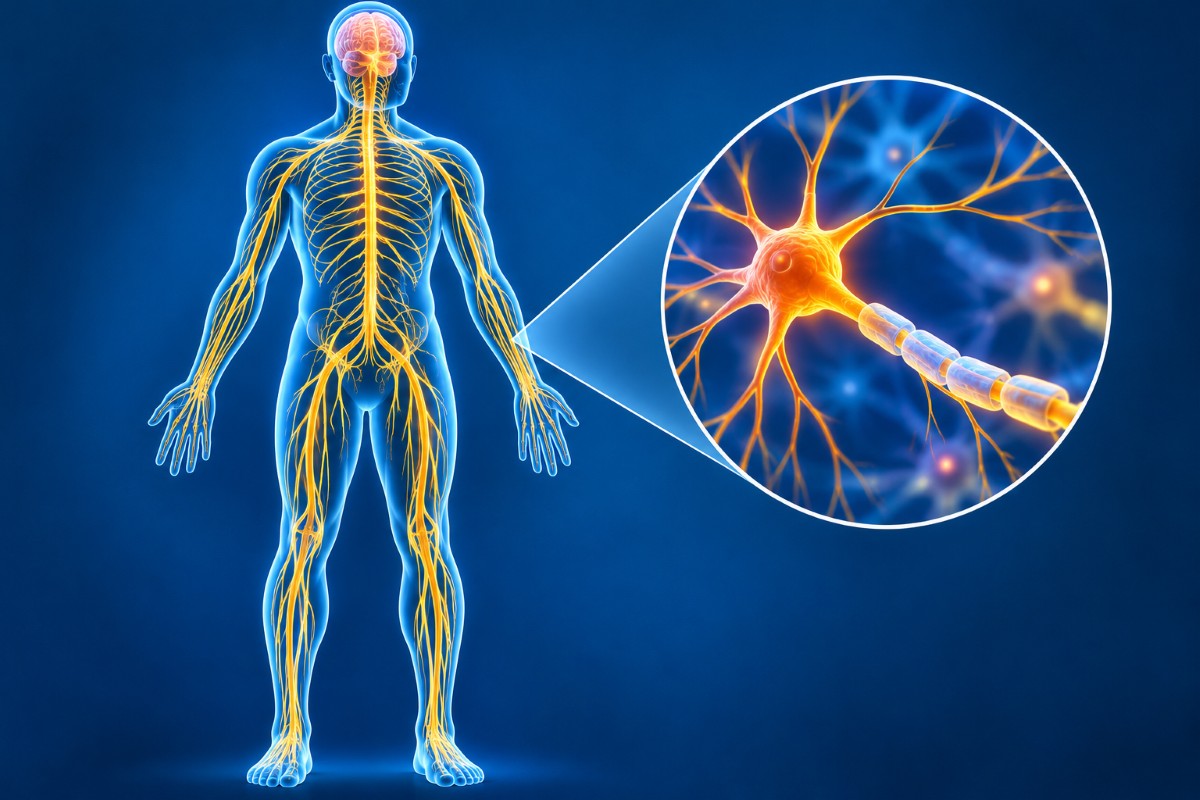
Possible complications include:
- Persistent numbness.
- Tingling and burning sensations.
- Difficulty walking.
- Poor balance and coordination.
- Muscle weakness.
- Cognitive difficulties.
Some neurological problems improve with timely treatment. However, severe or long-standing damage may not completely reverse.
This is why early diagnosis and appropriate treatment are important.
Maintaining overall neurological health is important. Explore How to Protect Your Brain: 10 Daily Habits for practical guidance.
Vitamin B12 Deficiency in Children
Children can also develop vitamin B12 deficiency.
Infants born to mothers with vitamin B12 deficiency may be particularly vulnerable, especially when their nutritional needs are not adequately met through breast milk or other appropriate sources.
Possible warning signs include:
- Poor growth.
- Feeding difficulties.
- Muscle weakness.
- Developmental delays.
- Reduced responsiveness.
Severe deficiency during infancy can affect brain development and neurological function.
Parents should seek prompt medical advice if they notice unusual developmental or feeding problems.
Vitamin B12 Deficiency in People With Diabetes
People with diabetes may experience numbness, tingling and burning sensations in their hands and feet.
These symptoms are often associated with diabetic peripheral neuropathy.
However, vitamin B12 deficiency is another possible explanation, particularly among people taking metformin for a long time.
Metformin use is associated with an increased risk of vitamin B12 deficiency.
Therefore, people taking metformin who develop unexplained neurological symptoms should discuss vitamin B12 testing with their healthcare professional.
Do not stop metformin without medical advice.
Can You Take Too Much Vitamin B12?
Vitamin B12 is generally considered to have a low risk of toxicity, and no tolerable upper intake level has been established.
However, taking large amounts without a diagnosed deficiency does not necessarily improve memory, increase energy or prevent neurological problems.
The right approach is to identify whether a deficiency exists and follow appropriate medical advice.
Avoid relying on supplements as a substitute for proper diagnosis.
Another important point is that taking folic acid alone may improve the blood abnormalities associated with vitamin B12 deficiency while leaving neurological damage untreated.
Therefore, vitamin B12 status should be assessed when clinically appropriate before treating suspected folate deficiency.
What Happens If Vitamin B12 Deficiency Is Left Untreated?
Untreated vitamin B12 deficiency can lead to several complications.
These may include:
- Megaloblastic anaemia.
- Persistent nerve damage.
- Spinal cord involvement.
- Difficulty walking.
- Balance and coordination problems.
- Memory and cognitive difficulties.
- Psychological and mood changes.
- Developmental problems in infants.
The severity of complications depends on the duration and extent of deficiency.
Although many problems improve with appropriate treatment, some neurological complications may become permanent if diagnosis and treatment are delayed.
When Should You See a Doctor?
Do not ignore persistent numbness, tingling, unexplained fatigue, memory difficulties or balance problems.
Consult a healthcare professional if you experience these symptoms, particularly when you also have risk factors for vitamin B12 deficiency.
Seek prompt medical assessment for progressive weakness, worsening balance problems or new neurological symptoms.
Sudden facial drooping, one-sided weakness, difficulty speaking or sudden loss of vision may indicate a stroke. These symptoms require immediate emergency medical attention and should never be attributed to vitamin deficiency without assessment.
Early recognition of vitamin B12 deficiency symptoms is particularly important because prolonged deficiency can sometimes cause lasting neurological damage.
Conclusion
Vitamin B12 deficiency symptoms can affect the blood, nerves, brain and overall quality of life.
Persistent fatigue, numbness, tingling, burning sensations, memory problems, and difficulty maintaining balance are warning signs that deserve attention.
A healthy diet can help prevent nutritional deficiency, but dietary intake alone may not be sufficient when the body has problems absorbing vitamin B12.
The good news is that vitamin B12 deficiency is usually treatable when identified appropriately. Early diagnosis and timely treatment can help prevent serious complications and protect neurological health.
Never dismiss persistent numbness, tingling or unexplained tiredness as normal ageing. Listen to your body, seek medical advice and take appropriate steps to protect your health.
Are you experiencing any of these vitamin B12 deficiency symptoms, or do you know someone who may benefit from this information?
Frequently Asked Questions About Vitamin B12 Deficiency Symptoms
1. What are the first signs of vitamin B12 deficiency?
Early symptoms may include fatigue, weakness, numbness, tingling in the hands and feet, poor concentration and memory difficulties. Symptoms vary between individuals.
2. Can vitamin B12 deficiency cause numbness in the feet?
Yes. Vitamin B12 deficiency can affect peripheral nerves, causing numbness, tingling, burning sensations and reduced sensation in the feet.
3. Can vitamin B12 deficiency affect memory?
Yes. Some people experience forgetfulness, difficulty concentrating, confusion and other cognitive changes. However, these symptoms can have several other causes.
4. Which foods are highest in vitamin B12?
Fish, meat, liver, eggs, milk, yoghurt and cheese are useful dietary sources. Fortified breakfast cereals and fortified nutritional yeast can provide vitamin B12 for people following plant-based diets.
5. Can vitamin B12 deficiency be cured?
In many cases, vitamin B12 deficiency can be corrected with appropriate dietary changes, supplements or injections. However, people with irreversible absorption problems may require lifelong treatment. Some neurological complications may not completely reverse if treatment is delayed.
References
- National Institutes of Health (NIH) – Vitamin B12: Fact Sheet for Health Professionals
- National Institute for Health and Care Excellence (NICE) – Vitamin B12 Deficiency: Diagnosis and Management
- NHS – Vitamin B12 or Folate Deficiency Anaemia: Symptoms
Medical Disclaimer: This article is intended for general educational purposes only. It is not a substitute for professional medical advice, diagnosis or treatment. Consult a qualified healthcare professional if you experience symptoms of vitamin B12 deficiency.
Content Inspiration: This article was inspired by a health-awareness Facebook post shared by Dr Arun Oommen, Neurosurgeon. It has been independently researched, written and expanded in English for Simply Life Tips, with additional explanations and references from recognised medical sources. It is not a direct reproduction of the original post, nor does it imply authorship, endorsement or medical review by Dr Arun Oommen.

Mathukutty P. V. is the founder of Simply Life Tips. He shares practical advice and useful insights on personal growth, health, well-being, technology, and everyday living. His goal is to help readers build positive habits and make informed decisions. He believes in continuous learning and sharing knowledge to help people live healthier, happier, and more meaningful lives.