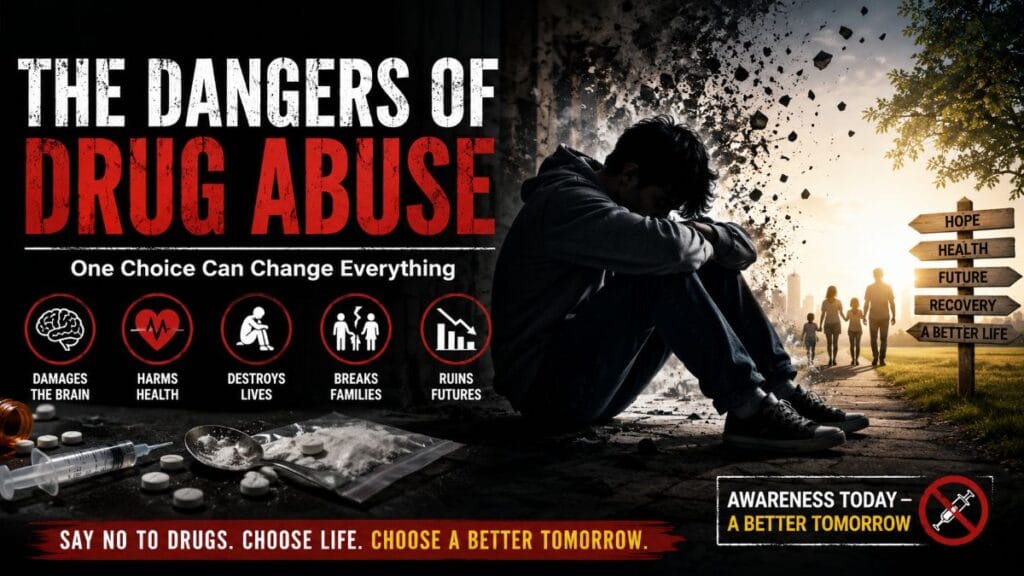
The dangers of drug abuse have become one of the most serious challenges facing modern society. Across India, and particularly in Kerala, the increasing availability of narcotic substances has created a growing public health and social crisis. News reports of students becoming addicted to drugs, youth engaging in criminal activities, and families being torn apart by substance abuse have become alarmingly common.
Drug abuse is no longer a problem affecting only a small section of society. It has evolved into a widespread issue that threatens the physical health, mental well-being, education, safety, and future of an entire generation. Crimes such as theft, assault, domestic violence, sexual abuse, and even murder are often linked to drug addiction. The consequences extend far beyond the individual user, affecting families, schools, workplaces, and communities.
What makes the situation even more concerning is that many young people begin using drugs without fully understanding the risks involved. They may believe that occasional use is harmless or that addiction only happens to others. Unfortunately, addiction often develops gradually and silently, trapping individuals before they realize the extent of the damage.
To effectively combat this growing menace, it is important to understand what drugs are, how addiction develops, the impact of substance abuse on the brain and body, and the steps that families and communities can take to prevent it.
What Are Drugs and the Dangers of Drug Abuse?
The rising trend of drug addiction among students is a serious concern, leading to campus violence, severe health issues, and even fatalities.
Drugs are substances that alter a person’s mental or physical state. They affect the way the brain functions and influence emotions, perceptions, behavior, judgment, and decision-making abilities. Depending on the type of substance, drugs may create feelings of pleasure, excitement, relaxation, or hallucinations.
However, these temporary effects often come at a high cost. Drugs interfere with the brain’s normal communication system and can disrupt the balance of chemicals responsible for regulating emotions and behavior. As a result, individuals may behave unpredictably, make poor decisions, and engage in risky activities that they would normally avoid.
The effects of drugs can be both short-term and long-term. Some substances may cause immediate impairment, while others gradually damage the body and brain over months or years. In many cases, repeated use leads to dependence and addiction.
One important fact that every individual should remember is that there is no completely safe level of illegal drug use. Even a single use can be harmful and may trigger a chain of events that eventually leads to addiction.
What Is Addiction, and How To Recover From Addiction?
Understanding the Real Dangers of Drug Abuse
Many individuals who experiment with drugs do not initially consider the long-term consequences. They may assume that because they are only occasional users, addiction will never become a problem. Unfortunately, this belief has led countless people into a cycle of dependence.
When a person uses drugs repeatedly, the brain gradually becomes accustomed to the substance. The same amount that once produced a strong effect may no longer provide the desired experience. This process is known as tolerance.
As tolerance increases, individuals often begin consuming larger amounts of the drug to achieve the same effect. What started as occasional experimentation can slowly become regular use, dependence, and eventually addiction.
Over time, drug abuse begins to affect nearly every area of life. Academic performance declines, workplace productivity suffers, relationships become strained, and physical and mental health deteriorate. Many individuals find themselves trapped in a cycle where obtaining and using drugs becomes their primary focus.
The reality is that drug abuse rarely remains under control for long. The progression from casual use to addiction can happen faster than most people expect.
Understanding Drug Dependence and Addiction
Drug dependence occurs when the body and brain adapt to the presence of a substance. Once dependence develops, the individual may experience uncomfortable or even dangerous withdrawal symptoms when attempting to stop using the drug.
Addiction goes a step further. It is a chronic disease characterized by compulsive drug seeking and continued use despite harmful consequences. Individuals struggling with addiction often recognize that their behavior is causing damage, yet they find it extremely difficult to stop.
Modern medical science recognizes addiction as a chronic brain disorder rather than simply a lack of self-control. Repeated exposure to drugs alters the brain’s structure and function, affecting areas responsible for judgment, impulse control, learning, and emotional regulation.
These changes explain why addiction is so difficult to overcome and why professional treatment is often necessary.
Drug Addiction is A Chronic Relapsing Brain Disease
One of the most important facts about addiction is that it is considered a chronic relapsing disease. This means that even after months or years of recovery, individuals may still experience cravings and remain vulnerable to relapse.
Repeated drug use causes long-lasting changes in brain chemistry. These changes can persist long after the substance has left the body. As a result, recovering individuals may find themselves tempted to use drugs again when exposed to stress, emotional difficulties, or environmental triggers associated with past drug use.
This does not mean recovery is impossible. Millions of people around the world have successfully overcome addiction and rebuilt their lives. However, it does highlight the importance of ongoing support, counseling, and lifestyle changes during recovery.
Understanding addiction as a medical condition rather than a moral failure helps reduce stigma and encourages people to seek treatment.
Risk Factors That Contribute to the Dangers of Drug Abuse
Not everyone who uses drugs becomes addicted. However, certain risk factors significantly increase the likelihood of developing substance abuse problems.
Biological Factors
Genetics plays an important role in addiction. Research suggests that some individuals may inherit a greater vulnerability to substance dependence. Family history of addiction can increase a person’s risk, although it does not guarantee that addiction will occur.
Mental Health Disorders
Individuals struggling with untreated mental health conditions are at a much higher risk of drug abuse. Disorders such as depression, anxiety, attention-deficit hyperactivity disorder (ADHD), bipolar disorder, and post-traumatic stress disorder can make individuals more vulnerable to addiction.
Many people use drugs in an attempt to self-medicate emotional pain. Unfortunately, this often worsens both the addiction and the underlying mental health condition.
Troubled Home Environment
Children raised in unstable or dysfunctional homes face greater risks. Constant conflict, neglect, abuse, lack of supervision, or parental substance abuse can contribute to emotional distress and unhealthy coping mechanisms.
A supportive and nurturing family environment, on the other hand, serves as one of the strongest protective factors against drug abuse.
Academic and Social Challenges
Difficulties at school, poor academic performance, bullying, social isolation, and problems forming healthy friendships can increase the likelihood of substance abuse.
Young people who feel disconnected or rejected may seek acceptance from peer groups that engage in risky behaviors, including drug use.
Association With Drug Users
The people we spend time with influence our decisions and behaviors. Individuals who regularly associate with friends or family members who use drugs are more likely to experiment with substances themselves.
Peer influence is particularly powerful during adolescence, making positive social environments essential.
Early Exposure to Drugs
The earlier a person begins using drugs, the greater the risk of developing addiction later in life. Adolescents have developing brains that are especially vulnerable to the effects of addictive substances.
Early drug use can interfere with normal brain development, increasing the likelihood of long-term dependence and mental health problems.
How Drug Abuse Affects the Brain?
The human brain is one of the most complex organs in the body, controlling everything from thoughts and emotions to movement and decision-making. Unfortunately, it is also the primary target of addictive substances.
All drugs, whether cannabis, cocaine, heroin, nicotine, methamphetamine, or synthetic narcotics, interfere with the brain’s communication network. They alter the way nerve cells send, receive, and process information. Over time, these changes can significantly affect a person’s behavior, judgment, emotions, and ability to make healthy decisions.
Initially, drug use is usually voluntary. However, repeated use changes the brain’s chemistry and structure. Eventually, the ability to control impulses weakens, making it increasingly difficult for individuals to stop using drugs even when they want to.
This is why addiction is considered a brain disease rather than simply a behavioral problem.
The Brain’s Reward System and Dopamine
To understand addiction, it is important to understand the role of dopamine.
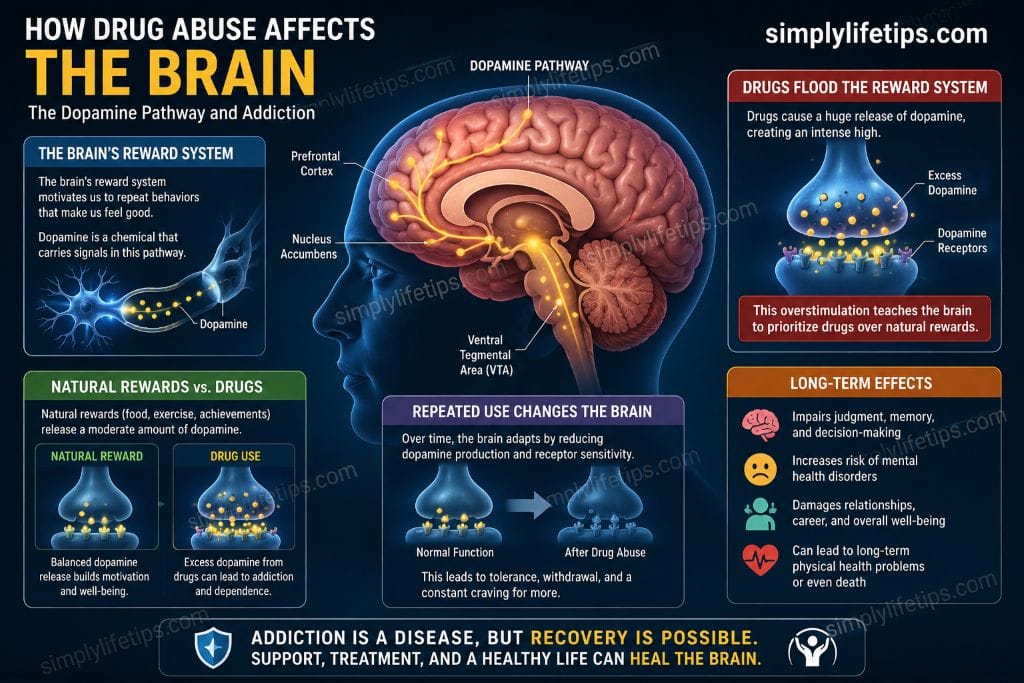
Dopamine is a neurotransmitter often referred to as the brain’s “feel-good chemical.” It plays a vital role in motivation, pleasure, learning, and reward. Under normal circumstances, dopamine is released when people engage in healthy activities such as eating, exercising, achieving goals, or spending time with loved ones.
Drugs artificially stimulate the brain’s reward system by causing massive releases of dopamine. The resulting sensation of pleasure can be far more intense than natural rewards.
The brain quickly learns to associate the drug with pleasure and begins encouraging repeated use. This process reinforces drug-seeking behavior and increases the likelihood of addiction.
As drug use continues, the brain adapts to the excessive dopamine levels. Eventually, normal activities become less enjoyable because they no longer produce sufficient dopamine responses. The individual becomes increasingly dependent on drugs simply to feel normal.
This disruption of the brain’s reward system is one of the primary reasons addiction develops and persists.
The Limbic System and Addiction
The limbic system is the part of the brain responsible for emotions, motivation, pleasure, and instinctive behaviors. Drug abuse directly affects this system.
When drugs repeatedly stimulate the limbic system, the brain begins prioritizing substance use over other essential activities. Education, family relationships, personal responsibilities, hobbies, and long-term goals become less important than obtaining and using drugs.
As addiction progresses, the individual’s ability to evaluate risks and consequences becomes impaired. This explains why many addicts continue using substances despite experiencing severe health problems, legal issues, and relationship difficulties.
Dangers of Drug Abuse Change the Brain
One of the most concerning aspects of drug abuse is that it physically changes the brain.
Repeated exposure to drugs affects areas responsible for:
- Decision-making
- Judgment
- Self-control
- Learning
- Memory
- Emotional regulation
- Motivation
Over time, these changes make it increasingly difficult for individuals to resist cravings. The brain essentially becomes “rewired” to prioritize drug use above other needs.
Even after stopping drug use, many of these changes can persist for months or years, which is why relapse remains a significant challenge during recovery.
MRI Studies and Brain Damage
Modern medical imaging techniques have provided valuable insights into the effects of drug abuse on the brain.
MRI scans of individuals with long-term addiction often reveal significant neurological damage. Researchers have observed reduced brain volume, neuronal deterioration, and abnormalities in regions responsible for memory, attention, and decision-making.
These changes are not merely temporary. In some cases, they can result in permanent neurological impairments that affect cognitive function for the rest of a person’s life.
The longer a person continues abusing drugs, the greater the likelihood of irreversible brain damage.
Major Types of Drugs and Their Effects
Although there are many different substances that people misuse, most drugs fall into three primary categories.
Depressants
Depressants slow down brain activity and reduce nervous system function. These substances often create feelings of relaxation, calmness, or drowsiness.
Examples include:
- Alcohol
- Heroin
- Certain prescription sedatives
- Tranquilizers
While depressants may temporarily reduce anxiety, excessive use can lead to slowed breathing, unconsciousness, coma, and even death.
Long-term use often results in dependence and severe withdrawal symptoms.
Stimulants
Stimulants increase activity within the brain and central nervous system.
Examples include:
- Cocaine
- Methamphetamine
- Amphetamines
- Certain prescription medications
Users may experience increased energy, alertness, and confidence. However, stimulants also place tremendous stress on the heart and brain.
Extended use can cause paranoia, aggression, heart disease, stroke, and severe psychological disorders.
Hallucinogens
Hallucinogens alter perception, thinking, and sensory experiences.
Examples include:
- LSD
- Certain synthetic drugs
- Some forms of cannabis, when used heavily
These substances can cause hallucinations, distorted reality, confusion, and unpredictable behavior.
In some cases, individuals may engage in dangerous actions because they are unable to distinguish reality from hallucinations.
How Drugs Enter the Body?
Many people mistakenly believe that certain methods of drug use are safer than others. In reality, all methods carry significant risks.
Once drugs enter the bloodstream, they travel throughout the body and affect multiple organs.
Swallowing Pills or Liquids
Many substances are consumed orally in tablet, capsule, or liquid form.
After entering the digestive system, the drug is absorbed into the bloodstream and transported throughout the body.
Although this method may seem less dangerous than injection, it can still result in addiction, overdose, and long-term health complications.
Smoking
Some drugs are smoked and inhaled into the lungs.
Because the lungs provide rapid access to the bloodstream, the effects often occur within seconds.
Smoking damages the respiratory system and increases the risk of chronic lung disease, infections, and cancer.
Snorting Through the Nose
Certain powdered drugs are inhaled through the nasal passages.
Repeated snorting can damage nasal tissues, cause chronic nosebleeds, and impair the sense of smell.
The drug is absorbed through the nasal membranes and quickly enters circulation.
Injection
Injecting drugs directly into the bloodstream produces an immediate effect.
However, this method carries some of the highest risks, including:
Sharing needles significantly increases these dangers.
Absorption Through the Skin
Certain drugs can be absorbed through patches or direct skin contact.
Although less common among illicit substances, this method still allows drugs to enter the bloodstream and affect the entire body.
Rectal or Vaginal Administration
Some substances are introduced into the body using suppositories.
These drugs are absorbed through mucous membranes and eventually reach the bloodstream.
Regardless of the method used, once drugs enter the body, they affect multiple organs and can lead to addiction and serious health complications.
Dangers of Drug Abuse – Physical Health Effects
Drug abuse affects nearly every system in the body.
Heart and Blood Vessel Damage
Many substances increase blood pressure and heart rate. Over time, this can result in heart disease, stroke, irregular heartbeat, and sudden cardiac arrest.
Even young individuals may suffer life-threatening cardiovascular complications due to prolonged drug use.
Respiratory Disorders
Smoking drugs damages lung tissue and weakens respiratory function.
Chronic cough, shortness of breath, bronchitis, pneumonia, and respiratory failure are common among long-term users.
Liver and Kidney Damage
The liver and kidneys work continuously to remove toxins from the body.
Repeated exposure to drugs places enormous strain on these organs and may eventually cause permanent damage or failure.
Increased Risk of Infectious Diseases
Individuals who inject drugs face elevated risks of blood-borne diseases, bacterial infections, and immune system complications.
Weakened Immunity
Substance abuse weakens the body’s natural defense mechanisms, making individuals more susceptible to illness and slower recovery from infections.
Dangers of Drug Abuse – Psychological and Emotional Consequences
The mental and emotional effects of addiction can be just as devastating as the physical damage.
Many users experience:
- Anxiety
- Depression
- Mood swings
- Irritability
- Aggression
- Paranoia
- Hallucinations
As addiction progresses, individuals often become emotionally unstable and socially withdrawn. They may lose interest in hobbies, education, relationships, and future goals.
In severe cases, drug abuse increases the risk of self-harm, suicidal thoughts, and suicide attempts.
These psychological consequences often continue long after drug use has stopped, making professional treatment and emotional support essential for recovery.
Dangers of Drug Abuse – Warning Signs
One of the greatest challenges in combating drug abuse is identifying the problem before it becomes severe. Many young people who use drugs try to hide their behavior from parents, teachers, and friends. However, substance abuse often leaves noticeable physical, emotional, and behavioral signs.
Recognizing these warning signs early can make a significant difference. Early intervention increases the chances of recovery and prevents addiction from causing long-term damage.
It is important to remember that the presence of one or two signs does not necessarily confirm drug abuse. Conditions such as depression, anxiety, stress, or other medical issues can produce similar symptoms. However, when multiple signs appear together, they should never be ignored.
Changes in Academic Performance
One of the earliest indicators of substance abuse among students is a sudden decline in academic performance.
A child who was previously attentive and motivated may begin struggling to complete assignments, lose interest in studies, or experience declining grades. Frequent absenteeism, difficulty concentrating during classes, and poor memory can become increasingly noticeable.
Teachers often observe these changes before parents do. Students who abuse drugs frequently lose focus on long-term goals and become less concerned about their educational future.
Changes in Friendships and Social Circles
Young people involved in substance abuse often change their social circles.
They may distance themselves from longtime friends and begin associating with individuals who encourage risky behaviors. These new friendships are often characterized by secrecy and avoidance of family interaction.
Parents may notice that their child becomes defensive when asked about new friends or refuses to discuss where they spend their time.
Such changes do not automatically indicate drug use, but they warrant careful attention and open communication.
Mood Swings and Personality Changes
Drug abuse frequently causes significant emotional instability.
A young person who was once cheerful and cooperative may become irritable, aggressive, anxious, or unusually withdrawn. Sudden mood swings may occur without any obvious reason.
Some individuals become overly suspicious, hostile, or emotionally detached. Others experience persistent sadness, hopelessness, or depression.
These personality changes often result from the effects of drugs on brain chemistry and emotional regulation.
Desire for Isolation
Many individuals who use drugs begin isolating themselves from family members and healthy social activities.
They may spend excessive time alone in their rooms, avoid family gatherings, and lose interest in activities they previously enjoyed.
Isolation often serves as a way to hide substance use and avoid questions about behavioral changes.
When a child consistently withdraws from family interactions, parents should seek to understand the underlying cause rather than dismissing it as a normal phase.
Difficulty Concentrating
Drug abuse significantly affects attention and cognitive functioning.
Students may struggle to focus during lessons, complete assignments, or participate in discussions. Teachers often observe declining classroom engagement and reduced academic productivity.
At home, parents may notice forgetfulness, poor decision-making, and difficulty following conversations.
These cognitive changes can worsen over time if substance abuse continues.
Excessive Sleep or Unusual Fatigue
Many drugs affect normal sleep patterns.
Some substances cause excessive drowsiness, while others lead to insomnia and sleep deprivation. Students may appear unusually tired, sleep for extended periods, or even fall asleep during classes.
Persistent fatigue can negatively impact academic performance, physical health, and emotional well-being.
Frequent Arguments and Aggressive Behavior
Drug abuse often contributes to increased irritability and aggression.
Individuals may become argumentative over minor issues, react defensively to questions, or display unusual hostility toward family members and friends.
These behavioral changes can strain relationships and create tension within the household.
Physical Warning Signs
Certain physical symptoms may indicate substance abuse.
Red or Bloodshot Eyes
Many drugs cause redness, swelling, or irritation of the eyes. Persistent bloodshot eyes without an obvious medical cause should not be ignored.
Sudden Weight Changes
Drug abuse can significantly affect appetite and metabolism.
Some individuals experience rapid weight loss due to reduced appetite, while others gain weight depending on the substance being used.
Persistent Coughing
Smoking drugs often causes chronic coughing and respiratory irritation.
A persistent cough without signs of illness may indicate substance use.
Frequent Runny Nose
Certain drugs are commonly inhaled through the nose. Repeated use can cause chronic nasal irritation and frequent runny noses.
Poor Personal Hygiene
As addiction progresses, individuals often neglect personal care.
Bathing, grooming, maintaining clean clothing, and other daily routines may become less important as obtaining and using drugs becomes the primary focus.
The Role of Childhood Experiences in Drug Abuse
Research has shown that childhood experiences play a major role in determining future substance abuse risk.
Many adults struggling with addiction experienced significant emotional difficulties during childhood. These may include neglect, abuse, family conflict, parental separation, or lack of emotional support.
Adverse childhood experiences can affect brain development, emotional regulation, and coping skills. As a result, some individuals become more vulnerable to addiction later in life.
This does not mean that every child facing adversity will develop substance abuse problems. However, it highlights the importance of creating supportive and nurturing environments during childhood.
Protective Factors That Reduce Drug Abuse
While certain risk factors increase vulnerability, protective factors can significantly reduce the likelihood of substance abuse.
Strong Parent-Child Relationships
A healthy relationship between parents and children is one of the most effective defenses against drug abuse.
Children who feel loved, supported, and understood are more likely to discuss challenges openly and seek guidance when faced with difficult situations.
Simple practices such as spending quality time together, listening without judgment, and maintaining open communication can have a lasting positive impact.
Positive Teacher-Student Relationships
Teachers play an important role in shaping young lives.
Students who feel supported by educators are often more engaged in school and less likely to engage in risky behaviors.
A caring teacher can sometimes identify early warning signs of emotional distress or substance abuse and connect students with appropriate support services.
Healthy Peer Groups
Friends have a powerful influence during adolescence.
Young people who associate with responsible, goal-oriented peers are generally less likely to experiment with drugs.
Encouraging participation in sports, arts, volunteer activities, and community organizations helps young people build positive social connections.
Major Teenage Problems With Solutions (For Teenagers And Parents)
Consequences of Drug Abuse Among Teenagers
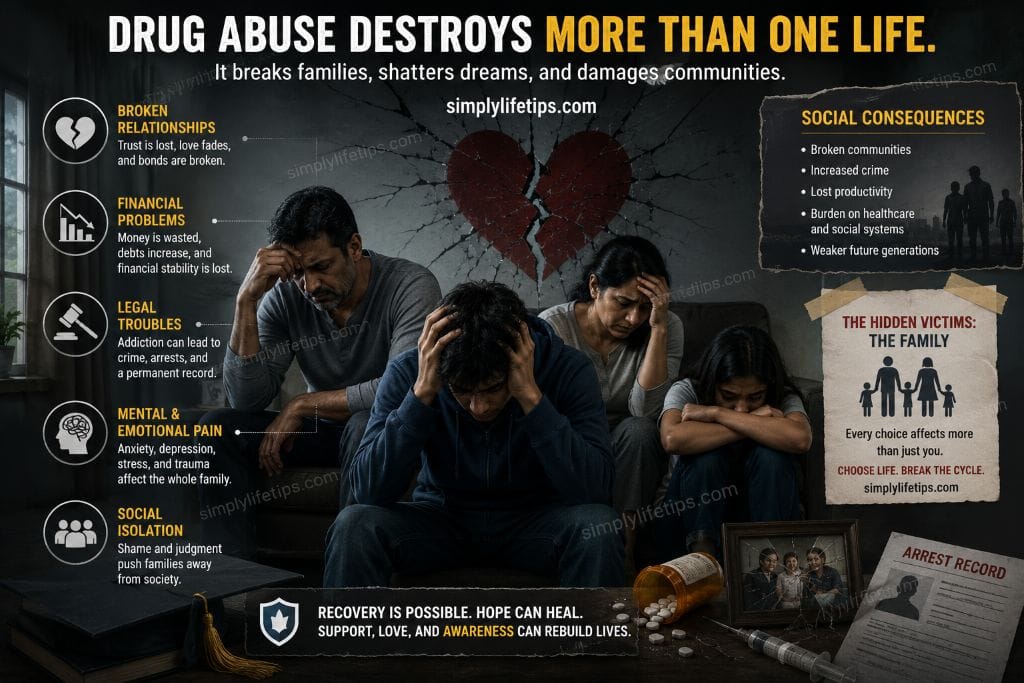
The effects of teenage substance abuse extend far beyond temporary intoxication.
Teenage Addictions | How To Deal With Your Teenage Children
Accidents and Injuries
Drug-impaired judgment increases the likelihood of accidents and injuries.
Teenagers under the influence may engage in reckless behavior, dangerous driving, or risky activities that result in serious harm.
Unsafe Sexual Behavior
Substance abuse often impairs decision-making and reduces self-control.
As a result, young people may engage in unsafe sexual activities that increase the risk of sexually transmitted infections and unintended pregnancies.
Violence and Crime
Drug abuse is frequently associated with aggressive behavior and criminal activity.
Some individuals commit theft, assault, or other crimes to obtain money for drugs. Others become involved in drug distribution networks that expose them to violence and legal consequences.
Suicide and Self-Harm
Mental health problems associated with substance abuse can increase the risk of self-harm and suicide.
Feelings of hopelessness, depression, and emotional instability often worsen as addiction progresses.
Drunk and Drug-Impaired Driving
Driving under the influence remains one of the leading causes of preventable deaths among young people.
Substances impair reaction time, judgment, coordination, and concentration, significantly increasing the risk of fatal accidents.
Why Teenagers Behave Differently? | Simple Reasons Explained with Examples and Solutions
Why Alcohol Remains a Major Concern?
Although illegal drugs receive significant attention, alcohol continues to pose a serious threat to adolescent health and safety.
Many young people underestimate the dangers of excessive alcohol consumption because it is legally available to adults.
However, alcohol-related accidents, injuries, violence, and health complications remain major concerns. In many cases, alcohol serves as a gateway to experimentation with other substances.
Preventing substance abuse, therefore, requires addressing both illegal drugs and alcohol misuse.
Recovery From Alcohol Addiction: What To Expect Before, During, And After Treatment
Blood-Borne Diseases and Other Serious Health Risks
One of the most dangerous consequences of drug abuse is the increased risk of infectious diseases, particularly among individuals who inject drugs. Sharing needles or using contaminated injection equipment can expose users to life-threatening infections that may affect them for the rest of their lives.
Diseases such as HIV/AIDS, Hepatitis B, and Hepatitis C are commonly spread through the sharing of needles. These illnesses can cause severe damage to the immune system and vital organs, significantly reducing quality of life and increasing healthcare costs.
Repeated injections can also lead to collapsed veins, painful abscesses, severe skin infections, and bacterial infections of the heart. Many drug users develop chronic medical conditions that require long-term treatment and monitoring.
In addition, substance abuse weakens the body’s immune system, making it harder to fight infections and recover from illness. What begins as experimentation with drugs can therefore lead to years of physical suffering and medical complications.
The Important Role of Schools in Drug Prevention
Schools are uniquely positioned to play a major role in preventing substance abuse among young people. Since students spend a significant portion of their time in educational institutions, teachers and school staff are often among the first to notice behavioral changes and warning signs.
A safe and supportive school environment can help reduce the likelihood of drug use. Schools can provide education about the dangers of substance abuse, teach healthy coping skills, and encourage positive decision-making.
Drug prevention programs are most effective when they involve collaboration among teachers, parents, healthcare professionals, and community organizations. When students receive consistent messages from multiple sources, they are more likely to understand the risks associated with drug use.
Educational institutions should not simply focus on punishment. Prevention, guidance, and support are often more effective than disciplinary action alone.
Drug Addiction In Youth: Help To Empower A Healthy Future
The Importance of Drug Awareness Programs
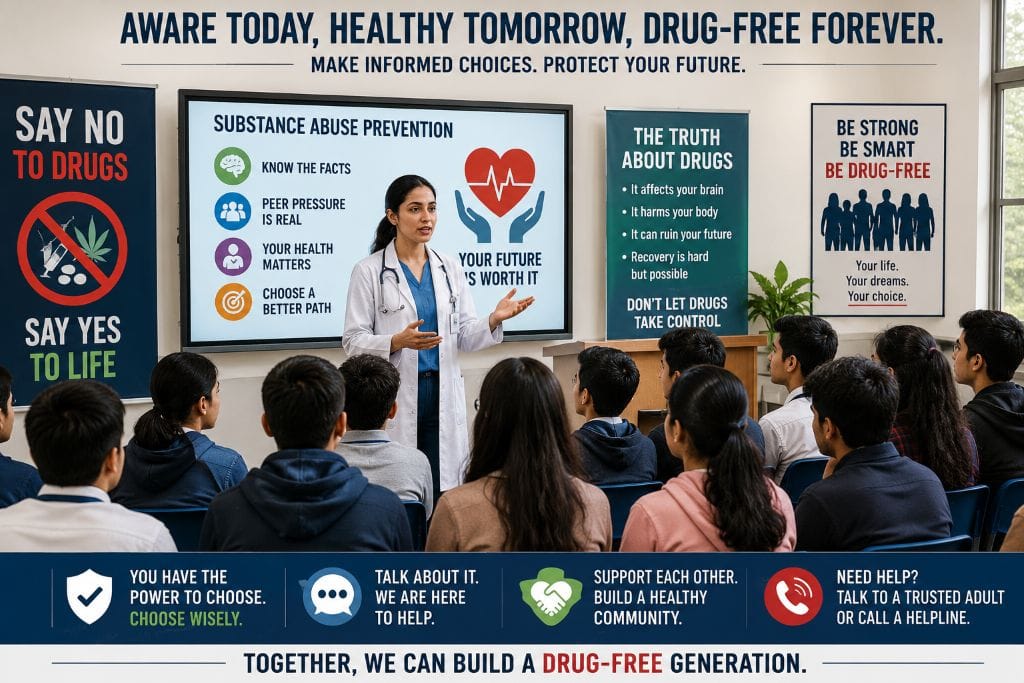
Drug awareness programs are among the most effective tools for preventing substance abuse and protecting future generations from addiction. While treatment and rehabilitation are essential for those already struggling with drug dependence, prevention remains the best solution. Educating people about the dangers of drugs before they are exposed to them can significantly reduce the likelihood of experimentation and addiction.
Many young people begin using drugs because they lack accurate information about the risks involved. Some believe that occasional drug use is harmless, while others are influenced by misinformation spread through peers, social media, or popular culture. Awareness programs help correct these misconceptions by providing factual information about how drugs affect the brain, body, relationships, education, and future opportunities.
School-Based Awareness Programs
Schools play a vital role in drug prevention because they have direct access to children and adolescents during their most formative years. Educational institutions can organize awareness classes, seminars, workshops, debates, poster competitions, and interactive sessions focused on substance abuse prevention.
Inviting healthcare professionals, psychologists, rehabilitation experts, law enforcement officers, and recovering addicts to share their experiences can have a powerful impact on students. Real-life stories often help young people understand that addiction is not a distant problem affecting only others but a genuine threat that can affect anyone.
Drug awareness education should not be limited to a single event each year. Instead, it should be incorporated into ongoing health education programs that teach students about healthy lifestyles, emotional resilience, decision-making skills, and strategies for resisting peer pressure.
The Role of Parents in Awareness and Prevention
Parents are a child’s first teachers and have a significant influence on their attitudes and behaviors. Open communication at home helps children develop a clear understanding of the dangers of drugs and alcohol.
Rather than relying solely on warnings or punishments, parents should encourage honest discussions about substance abuse. Children who feel comfortable talking to their parents about difficult topics are more likely to seek guidance when faced with peer pressure or risky situations.
Parents should also remain actively involved in their children’s lives by knowing their friends, monitoring behavioral changes, and creating an environment built on trust and support. Such involvement can greatly reduce the likelihood of substance abuse.
Community and Media Awareness Initiatives
Drug prevention is most successful when the entire community participates. Community organizations, youth clubs, religious institutions, local self-government bodies, and healthcare agencies can organize awareness campaigns that reach people of all ages.
Activities such as public seminars, awareness rallies, street plays, community meetings, and social media campaigns help spread important information about the dangers of drug abuse. These initiatives encourage citizens to remain vigilant and actively participate in protecting their communities.
The media also plays a powerful role in shaping public attitudes. Television, newspapers, radio stations, websites, and social media platforms can help raise awareness by sharing educational content, expert opinions, prevention strategies, and recovery stories. Responsible media coverage can discourage drug use while promoting healthier lifestyle choices.
Working Together for a Drug-Free Future
Drug abuse prevention cannot be achieved by a single institution working alone. Families, schools, healthcare professionals, community organizations, law enforcement agencies, and the media must work together to create a culture that discourages substance abuse and supports healthy decision-making.
Every awareness campaign, educational program, and community initiative contributes to building a safer society. By providing young people with accurate information, emotional support, and positive role models, we can reduce the risk of addiction and help create a future where fewer lives are destroyed by drugs.
Prevention begins with awareness, and awareness begins with education. The more informed people are about the dangers of drug abuse, the better equipped they will be to make responsible choices and protect themselves and those around them from addiction.
Identifying Students at Risk
Teachers frequently observe changes in student behavior that may indicate emotional distress or substance abuse.
A student who suddenly begins missing classes, displaying poor academic performance, isolating themselves from friends, or exhibiting dramatic personality changes may require additional support.
Schools should have systems in place to identify students who may be at risk and connect them with appropriate counseling and support services. Early intervention can prevent experimentation from developing into addiction.
Educators need to approach such situations with sensitivity and compassion rather than judgment. Many students struggling with substance abuse are also dealing with emotional, social, or family challenges.
Protecting Student Privacy
Students receiving treatment for substance abuse deserve dignity, respect, and privacy.
Information regarding a student’s treatment should only be shared with individuals directly involved in their care, such as parents, healthcare providers, and authorized school personnel.
Protecting confidentiality encourages students to seek help without fear of embarrassment or social stigma. When young people feel supported rather than judged, they are more likely to engage positively in treatment and recovery.
Treatment Options for Drug Addiction
One of the most encouraging facts about addiction is that it is treatable. Recovery is possible, even for individuals who have struggled with substance abuse for many years.
Successful treatment often involves a combination of medical care, counseling, psychological support, and lifestyle changes. Because addiction affects both the brain and behavior, treatment must address multiple aspects of a person’s life.
The earlier treatment begins, the greater the likelihood of successful recovery.
Individual Counseling
Counseling helps individuals understand the underlying causes of their addiction and develop healthier coping strategies.
Many people use drugs to escape emotional pain, trauma, stress, anxiety, or depression. Professional counseling helps individuals address these issues in a safe and supportive environment.
Therapists also teach skills that help individuals manage cravings, avoid triggers, and prevent relapse.
Family Therapy
Addiction affects entire families, making family involvement an important part of recovery.
Family therapy helps improve communication, rebuild trust, and address relationship problems that may contribute to substance abuse.
When family members work together to support recovery, treatment outcomes are often significantly improved.
Group Therapy
Group therapy allows individuals recovering from addiction to connect with others facing similar challenges.
Participants share experiences, provide encouragement, and learn from one another’s successes and setbacks.
Knowing that others understand their struggles can reduce feelings of isolation and strengthen motivation for recovery.
Medication-Assisted Treatment
For certain addictions, medications may be used alongside counseling and therapy.
These medications can help reduce withdrawal symptoms, decrease cravings, and support long-term recovery. In some cases, they help restore normal brain function that has been disrupted by prolonged substance abuse.
Medication-assisted treatment should always be provided under the supervision of qualified healthcare professionals.
Inpatient and Residential Rehabilitation
Some individuals require intensive treatment in a hospital or residential rehabilitation facility.
These programs provide structured environments where patients can focus entirely on recovery while receiving medical care, counseling, and support.
Residential treatment is particularly beneficial for individuals with severe addiction, multiple relapses, or co-occurring mental health disorders.
Treating Addiction and Mental Health Together
Substance abuse and mental health disorders often occur together.
Many individuals struggling with addiction also experience depression, anxiety, bipolar disorder, ADHD, or trauma-related conditions. Treating only the addiction while ignoring mental health issues often results in poor outcomes.
Integrated treatment that addresses both conditions simultaneously greatly improves the chances of long-term recovery.
Healthcare professionals increasingly recognize the importance of treating the whole person rather than focusing solely on substance use.
How Parents Can Protect Their Children from the Dangers of Drug Abuse?
Parents remain the strongest influence in a child’s life. Preventing drug abuse begins at home through love, trust, communication, and guidance.
Children who feel supported by their parents are generally more resilient when faced with peer pressure and other challenges.
Build Trust and Open Communication
Trust is one of the most valuable gifts parents can give their children.
Children should feel comfortable discussing their fears, mistakes, and concerns without fear of harsh judgment. When communication remains open, parents are more likely to recognize warning signs early and provide support when needed.
Teenage Behaviour: Why Silence Happens And How Parents Can Build Trust
Believe in Your Child
A child’s confidence often grows from knowing that their parents believe in them.
When parents express confidence in their child’s abilities and character, it strengthens self-esteem and encourages responsible decision-making.
Children who feel valued and respected are less likely to seek validation through risky behaviors.
Teach Children How to Say No
Many young people know that drugs are dangerous, but struggle to resist peer pressure.
Parents should actively teach children how to refuse offers of drugs confidently and respectfully. Practicing responses in advance can help children feel prepared when faced with real-life situations.
Correct With Love, Not Fear
Discipline is important, but it should always be balanced with compassion.
When children make mistakes, they need guidance rather than rejection. Loving correction helps children learn from their experiences while maintaining a strong relationship with their parents.
Fear-based approaches often push children away, making them less likely to seek help when they need it most.
Explain the Reasons Behind the Rules
Children are more likely to follow rules when they understand the reasons behind them.
Instead of simply saying “Don’t do this,” parents should explain why certain behaviors are harmful and how they can affect a person’s future.
Understanding the consequences of drug use empowers children to make informed decisions.
Operation Toofan – Kerala’s Fight Against Drugs
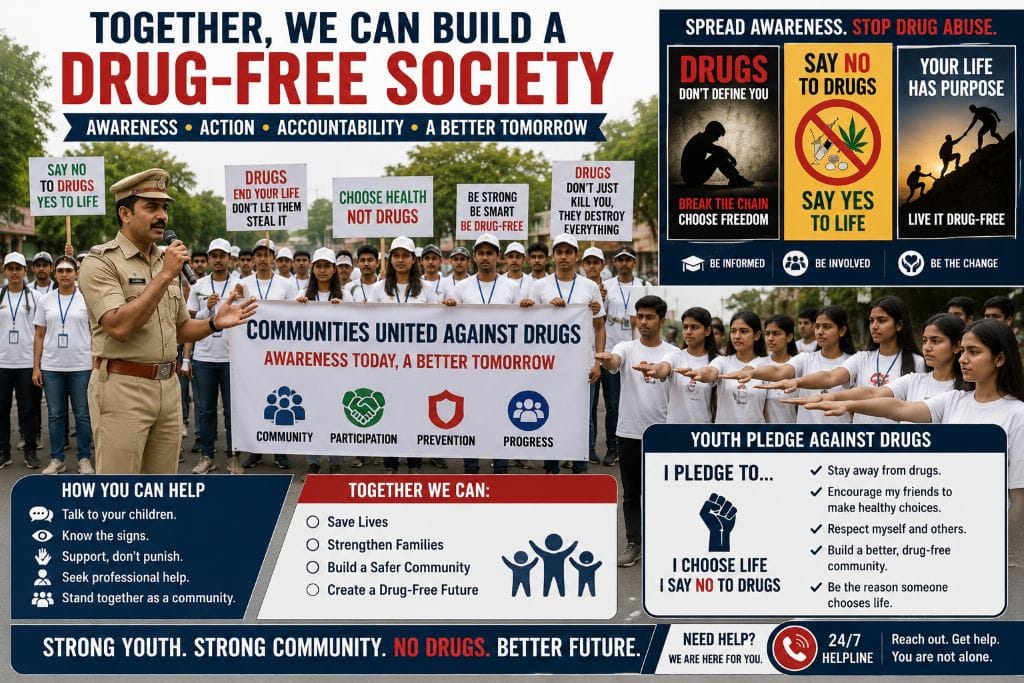
Recognizing the growing threat posed by narcotics, the Government of Kerala launched Operation Toofan – The Narco Hunt to identify drug traffickers, dismantle distribution networks, and reduce the availability of illegal substances throughout the state.
The initiative reflects the government’s commitment to protecting young people and strengthening community safety.
However, law enforcement alone cannot solve the problem. Public participation is essential.
Responsible citizens should report suspicious drug-related activities to the appropriate authorities. Community vigilance can prevent drugs from reaching schools, colleges, and neighborhoods.
Every report has the potential to save lives and protect future generations.
Building a Drug-Free Society
Drug abuse is not a problem that can be solved by governments, schools, or families alone. It requires a united effort from every member of society.
Parents must create nurturing home environments. Teachers must educate and support students. Healthcare professionals must provide effective treatment. Community leaders must promote awareness and prevention.
Most importantly, young people must be empowered with the knowledge and confidence needed to make healthy choices.
A society that ignores drug abuse risks becoming overwhelmed by crime, violence, emotional instability, and social disorder. Conversely, a society that invests in prevention, education, and rehabilitation creates opportunities for healthier and more productive lives.

FAQs – Dangers of Drug Abuse
1. What are the biggest dangers of drug abuse?
Drug abuse can lead to addiction, brain damage, mental illness, organ failure, family problems, crime, and even death.
2. Can a person recover from drug addiction?
Yes. With counseling, therapy, medical treatment, family support, and rehabilitation, many people successfully recover from addiction.
3. What are the early signs of drug abuse?
Common signs include poor academic performance, mood swings, social withdrawal, red eyes, weight changes, and declining personal hygiene.
4. Why are teenagers at higher risk of addiction?
Teenagers are more vulnerable because their brains are still developing, and they are often influenced by peer pressure, curiosity, and emotional challenges.
5. How can parents prevent drug abuse in children?
Parents can prevent drug abuse by building trust, maintaining open communication, teaching refusal skills, monitoring behavior, and providing emotional support.
Conclusion
The dangers of drug abuse extend far beyond the individual user. Substance abuse damages the brain, weakens the body, destroys relationships, disrupts education, fuels crime, and threatens the future of communities.
The rise of drug abuse among young people is a warning that cannot be ignored. Every parent, teacher, healthcare professional, policymaker, and citizen has a role to play in addressing this challenge.
Prevention begins with awareness. It grows through strong family relationships, supportive schools, healthy communities, and accessible treatment services. Recovery is possible, and countless individuals have rebuilt their lives after addiction.
Let us work together to create a future where children and young people are protected from the destructive influence of drugs. The choices we make today will determine the health, safety, and prosperity of future generations.
Remember, never surrender your life to anything that has the power to take it away from you—no matter how attractive it may appear.
Key Takeaways
- The dangers of drug abuse extend far beyond addiction, affecting physical health, mental well-being, education, relationships, and society as a whole.
- There is no safe level of illegal drug use. Even occasional experimentation can lead to harmful consequences, dependence, or addiction.
- Drug addiction is a chronic brain disease that alters brain chemistry, affects decision-making, and can lead to compulsive drug use despite serious consequences.
- Young people are particularly vulnerable to drug abuse due to peer pressure, curiosity, mental health challenges, family problems, and early exposure to substances.
- Drugs disrupt the brain’s reward system by triggering excessive dopamine release, making users increasingly dependent on substances for pleasure and emotional relief.
- Long-term drug abuse can cause permanent brain damage, including memory problems, poor concentration, impaired judgment, and neurological disorders.
- Substance abuse affects nearly every organ in the body, increasing the risk of heart disease, respiratory problems, liver damage, kidney failure, and infectious diseases.
- Early warning signs of drug abuse include declining academic performance, mood swings, social withdrawal, poor hygiene, red eyes, unexplained weight changes, and behavioral changes.
- Strong parent-child and teacher-student relationships act as powerful protective factors that can reduce the risk of drug abuse among adolescents.
- Drug awareness programs in schools, families, communities, and media platforms play a vital role in preventing substance abuse and educating young people about its dangers.
- Treatment and recovery are possible through counseling, family therapy, rehabilitation programs, medication-assisted treatment, and ongoing support.
- Operation Toofan – The Narco Hunt is Kerala’s initiative to combat drug trafficking and protect communities from the growing drug menace.
- Preventing drug abuse requires collective action from parents, educators, healthcare professionals, law enforcement agencies, community leaders, and responsible citizens.
- Creating a drug-free society begins with awareness, education, early intervention, and strong support systems that empower young people to make healthy choices.
This article is based on information and awareness content shared by Dr. Arun Oommen, Neurosurgeon. The content has been rewritten and expanded for educational purposes.
If this inspired you, pass it on to someone who could benefit from it.
PVM

Mathukutty P V is a Blogger, YouTuber, and Content Writer and the founder of Simply Life Tips. After taking voluntary retirement in 2017, he embraced a free lifestyle focused on learning, personal growth, and sharing practical wisdom to help others live with more purpose and positivity.