Have you ever wondered why ending toxic relationships feels so painful, even when you know they are hurting you? Ending toxic relationships is essential for protecting your peace, mental health, and self-worth in a world full of complex emotional connections. We all experience different kinds of relationships—some uplift us, while others slowly drain our energy and happiness. The hardest truth to accept is that not every relationship is meant to last forever.
Many people stay in toxic relationships believing that tolerance, compromise, and forgiveness are the keys to sustaining love. While these values are important, they should never force you to lose yourself. A relationship that constantly creates pain, confusion, emotional exhaustion, or trauma is not one you are meant to carry—it is one you are meant to release.
Letting go is not about giving up on someone; it is about choosing yourself. However, the process of ending such relationships must be handled with clarity, maturity, and respect to avoid unnecessary damage to both individuals.
Many couples experience a quiet drift in their marriage as life’s pressures take over. This guide shares 7 meaningful strategies to help reclaim lost love and rebuild a deep, lasting connection.
Ending Toxic Relationships – Signs of a Toxic Relationship
Recognizing the signs of a toxic relationship is the first step toward protecting your emotional well-being. Toxicity does not always appear in obvious ways—it often develops gradually through patterns of behavior that leave you feeling drained, confused, or unvalued. Understanding these signs helps you make informed decisions instead of staying stuck in unhealthy cycles.
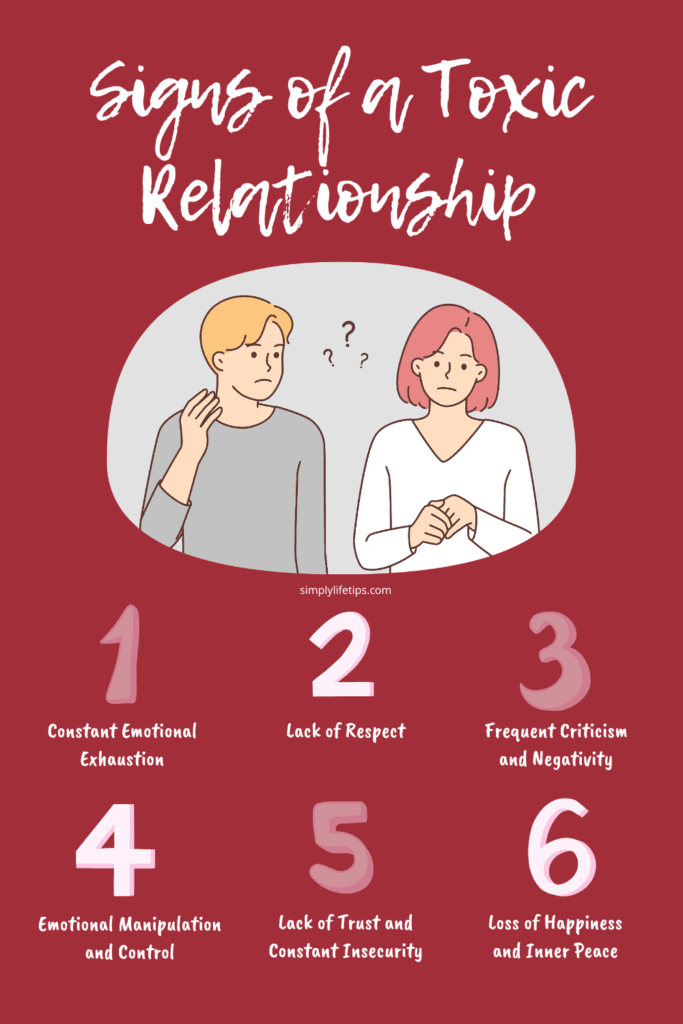
Constant Emotional Exhaustion
One of the clearest signs is feeling mentally and emotionally drained after interactions. Instead of comfort, the relationship brings stress, anxiety, or fatigue. For example, frequent arguments or unresolved tension can leave you feeling overwhelmed.
Lack of Respect
A toxic relationship often includes disrespectful behavior, such as dismissing your opinions, interrupting you, or making you feel unimportant. Healthy relationships are built on mutual respect, not dominance.
Frequent Criticism and Negativity
Constantly being criticized, judged, or belittled can damage your self-esteem and confidence. If appreciation is rare and negativity is constant, the relationship becomes emotionally harmful.
Learn things that silently destroy relationships and how to fix them before it’s too late.
Emotional Manipulation and Control
Toxic partners may use guilt, pressure, or control tactics to influence your decisions. Statements like “If you cared, you would…” are signs of manipulation rather than genuine communication.
Lack of Trust and Constant Insecurity
Ongoing jealousy, suspicion, or dishonesty creates an environment of instability and fear. Without trust, a relationship cannot provide emotional safety.
Loss of Happiness and Inner Peace
The strongest sign is when you notice a decline in your overall happiness. If you feel unlike yourself—less confident, less joyful, and constantly stressed—it indicates the relationship is affecting your well-being negatively.
Identifying these signs early can help you take the necessary steps toward change, whether that means improving the relationship or making the difficult but important decision to let go.
How Can Ending Toxic Relationships Help You Reclaim Your Peace?
Ending toxic relationships is a powerful step toward reclaiming your emotional freedom, self-respect, and inner peace. In a world filled with different types of relationships, not all are meant to nurture or support us. Some relationships slowly drain our energy, create emotional confusion, and leave lasting wounds. While many people believe in holding on through compromise and sacrifice, it is equally important to recognize when a relationship becomes harmful rather than helpful. Choosing to walk away is not an act of failure—it is an act of courage, clarity, and self-worth that opens the door to healing and a healthier future.
Gain Clarity in Your Mind Before Ending
Before making the decision to walk away, it is crucial to develop clear emotional awareness. Many people end relationships impulsively during moments of anger, sadness, or misunderstanding. This often leads to regret and confusion later.
Instead, ask yourself deeper questions:
- Am I consistently unhappy in this relationship?
- Do our values, goals, and expectations align?
- Is this relationship affecting my mental health negatively?
For example, imagine someone who frequently feels anxious, unappreciated, or emotionally drained after every interaction. This is not a temporary issue—it is a pattern, and patterns reveal truth.
Clarity ensures that your decision is not driven by emotion alone, but by self-awareness and long-term well-being. When you are clear in your mind, you avoid guilt and stand firm in your decision.
Choose the Right Time and Place
The way you end a relationship matters just as much as the decision itself. Choosing the wrong setting can make the situation more painful and chaotic.
Avoid:
- Public places where emotions may escalate
- Ending things over text or phone without context
- Situations where the other person feels disrespected
Instead, choose a calm, private, and neutral environment where both individuals can express themselves freely.
For instance, a quiet conversation at home or in a peaceful setting allows both people to process emotions without external pressure. Ending a relationship over a text message may seem easier, but it often leaves the other person feeling confused, hurt, and disrespected.
The goal is not just to end the relationship—but to do so with dignity and emotional responsibility.
Speak Honestly Without Blame
Honesty is essential, but it must be delivered with kindness and emotional intelligence. Avoid turning the conversation into a blame game. Statements filled with accusations only increase pain and defensiveness.
Instead of saying:
- “You never understood me.”
- “You ruined everything.”
Try expressing your feelings in a balanced way:
- “I feel that we are not compatible in the long run.”
- “We are both good people, but this relationship is not working for me anymore.”
This approach reduces conflict and keeps the conversation respectful.
For example, if someone feels emotionally neglected, instead of attacking the other person, they can explain how they feel and why continuing the relationship is no longer healthy.
Speaking honestly without blame shows maturity, empathy, and self-respect.
Be Ready to Listen with Patience
Ending a relationship is not a one-sided event—it affects both individuals deeply. Once you communicate your decision, the other person will naturally respond with questions, emotions, or even resistance.
They may feel:
- Angry
- Hurt
- Confused
- Heartbroken
At this stage, your role is not to argue but to listen with patience and understanding.
For example, if the other person asks, “Why didn’t you tell me earlier?” respond calmly instead of becoming defensive. Provide honest answers without escalating the situation.
Listening does not mean changing your decision—it means giving the other person closure and respect.
When people feel heard, they are more likely to accept the situation peacefully over time.
Maintain Kindness and Respect Until the End
The final moments of a relationship often leave the strongest emotional impact. Ending things harshly can turn even good memories into painful ones. Respect matters more than love in any relationship, as it builds the foundation for trust, mutual understanding, and lasting stability.
Instead, aim to preserve dignity by expressing:
- Gratitude for the time shared
- Respect for the other person
- Good wishes for their future
Simple statements like:
- “I will always respect you.”
- “I truly wish you happiness and success.”
can soften the emotional blow.
For example, a couple who shared meaningful experiences can part ways in a way that honors those memories rather than destroying them with anger.
Kindness does not mean weakness—it reflects emotional strength and character.
Take Responsibility for Your Healing
Ending toxic relationships is only the beginning. Healing comes next, and it requires conscious effort.
After the breakup:
- Allow yourself to process emotions
- Avoid rushing into another relationship
- Focus on self-growth and emotional recovery
For instance, engaging in activities like journaling, spending time with supportive people, or pursuing personal goals can help rebuild your identity.
Remember, letting go creates space for healthier, more fulfilling relationships in the future.
A toxic relationship can make you feel unsupported, misunderstood, or demeaned.
FAQs – Ending Toxic Relationships
What are the signs of a toxic relationship?
A toxic relationship often includes constant negativity, lack of respect, emotional manipulation, and feeling drained rather than supported.
Is it wrong to leave a relationship even if the person is good?
No, sometimes two good people are simply not compatible. Compatibility matters as much as character.
How do I stop feeling guilty after ending a relationship?
Remind yourself that choosing your mental health is not selfish. Guilt fades when you understand your reasons clearly.
Should I stay friends after ending a toxic relationship?
It depends on the situation. In most cases, taking space first is necessary for proper emotional healing.
How long does it take to heal after a breakup?
Healing varies for each person. It depends on emotional attachment, duration of the relationship, and personal resilience.
Conclusion
Ending toxic relationships is not about giving up—it is about choosing a life of peace, clarity, and self-respect. Holding on to something that continuously hurts you only delays your growth and happiness.
By gaining clarity, communicating respectfully, and maintaining kindness, you can walk away without carrying unnecessary emotional damage. Every ending is also a beginning—a chance to rediscover yourself and build healthier connections in the future.
How Do You End Toxic Relationships Without Guilt?
If this resonated with you, share it with someone who needs it.
PVM

Mathukutty P V is a Blogger, YouTuber, and Content Writer and the founder of Simply Life Tips. After taking voluntary retirement in 2017, he embraced a free lifestyle focused on learning, personal growth, and sharing practical wisdom to help others live with more purpose and positivity.