

Wise Parenting means choosing love over ego and peace over power. It’s not about controlling children but guiding them with patience and understanding. A wise parent knows when to speak and when to stay silent. Not every disagreement needs to become a battle. When you lead with love, you build an atmosphere of safety and trust.
Children learn more from what they see than what they hear. When you handle stress calmly, your child learns self-control. When you admit mistakes, you learn humility. Wise parenting is about modelling the qualities you wish to see in your children—kindness, respect, and emotional balance.
When your home is calm, your children grow emotionally strong. They feel safe to express themselves and learn to handle problems peacefully. This blog explores the importance, benefits, and simple ways to practice wise parenting for a happy, harmonious home.
What is Wise Parenting?
Wise parenting is the practice of raising children with love, patience, and understanding rather than control or constant criticism. It focuses on guiding instead of commanding, listening instead of lecturing, and teaching through example rather than fear. A wise parent knows when to be firm and when to be gentle, creating a balance between discipline and compassion. This approach helps children feel secure, respected, and valued, fostering emotional intelligence and trust within the family. In essence, wise parenting means choosing connection over correction and peace over ego to build a harmonious home.
Importance
Wise parenting shapes who your child becomes. It influences their confidence, emotional health, and how they treat others. The words you use, the tone you speak in, and the actions you take all leave deep impressions.
For example, if your child breaks something accidentally and you shout, they feel fear instead of learning responsibility. But if you calmly say, “It’s okay, let’s clean it up together,” you teach accountability with love. That one moment can shape how they respond to mistakes for life.
Wise parents don’t react instantly. They pause. They think before speaking. That small pause can prevent harsh words that hurt a child’s heart. Remember, your child is always watching how you deal with anger, disappointment, or stress. Your behaviour becomes their inner voice.
Choosing love over ego is another pillar of wise parenting. When parents insist on being right all the time, children stop expressing themselves. They fear judgment or rejection. But when you listen with empathy, you show them that respect is mutual. For instance, if your teenager argues about curfew, instead of saying, “Because I said so,” try, “Let’s talk about why I’m concerned.” This simple shift from command to conversation opens trust and communication.
Wise parenting is also important because it teaches children emotional intelligence. They learn how to manage frustration, express feelings, and respect boundaries. These skills are far more valuable than mere obedience—they shape future relationships and success in life.
How to Raise Sons Who Respect Women (and Everyone Else)
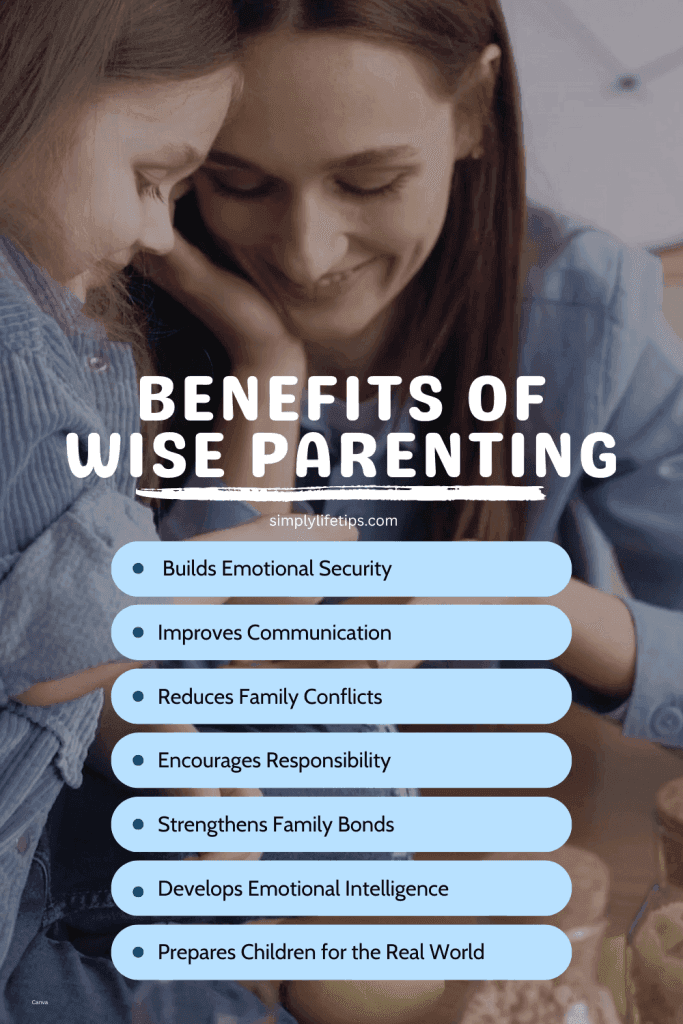
Benefits
A wise parent creates a peaceful home where everyone feels valued. When love, patience, and respect replace anger and ego, the entire family flourishes.
1. Builds Emotional Security
Children raised by calm, understanding parents feel safe to share their thoughts. They don’t hide mistakes or emotions. This emotional safety helps them grow confident and honest. For example, a child who feels secure will openly tell you if they failed a test instead of lying about it.
2. Improves Communication
When you listen more and shout less, communication strengthens. Your child feels heard. Instead of one-way orders, you create two-way trust. Tip: Make eye contact and listen fully when your child speaks. Avoid interrupting. That shows respect.
3. Reduces Family Conflicts
Wise parenting turns arguments into learning moments. When you stay calm, tempers cool faster. The home atmosphere stays peaceful. For example, during sibling fights, guide them to solve it themselves. Ask, “What do you think would be fair?” It builds cooperation instead of competition.
4. Encourages Responsibility
Children imitate what they see. If they see you owning your mistakes, they’ll do the same. A wise parent doesn’t punish immediately. They ask questions: “What happened?” “What can we do next time?” This turns every mistake into a lesson, not a fear.
5. Strengthens Family Bonds
A peaceful home is built on small acts of love. Eating together, laughing together, and spending time without screens create closeness. Children remember these moments for life. Tip: End each day with gratitude. Ask everyone to share one good thing about their day. It fills the home with positivity.
6. Develops Emotional Intelligence
Wise parenting teaches children how to understand their own emotions and those of others. They learn to stay calm, manage frustration, and express feelings with respect. These are skills that help them succeed in friendships, school, and later in work life.
7. Prepares Children for the Real World
A wise parent balances kindness with firmness. Life is not always easy, and children must learn that. When you guide them with patience but hold them accountable, they grow strong and resilient. For example, if your child forgets homework, don’t rush to rescue them. Let them face the consequence once. It teaches responsibility and problem-solving.
How Inspiration Shapes Smart and Creative Kids
How to Practice Wise Parenting Every Day?
Wise parenting is not a one-time effort. It’s built through small daily actions.
- Pause Before Reacting: When angry, count to five before speaking. It helps you respond calmly.
- Use Positive Words: Replace “Don’t shout!” with “Let’s speak softly.” Positive phrasing encourages cooperation.
- Show Empathy: Try to see things from your child’s perspective. Ask, “How do you feel about this?”
- Model Respect: Speak respectfully even when correcting. Children learn tone from you.
- Create Routines: Consistency builds security. A predictable schedule helps children feel safe.
- Be Present: Put away your phone when spending time together. Children value your attention more than anything.
Example: A parent who listens when their child shares a small story from school teaches the child that their voice matters. That same child will later come to them with bigger issues—because trust has been built over time.
Conclusion
Wise parenting is not about perfection. It’s about presence. It’s about choosing peace over pride and connection over control. When you raise your children with patience, they grow into adults who spread peace wherever they go. What you model today becomes their emotional foundation tomorrow.
When you practice wise parenting, your home becomes more than a shelter—it becomes a sanctuary of love, learning, and respect. Remember, children may forget what you say, but they will never forget how you made them feel. Choose love, stay calm, and be the peaceful example they will carry for life.
Are you ready to practice wise parenting and create a peaceful home filled with love, patience, and understanding?
FAQs – Wise Parenting
1. What is the main idea behind wise parenting?
Wise parenting is about raising children with understanding, empathy, and patience instead of control or anger.
2. How can I stay calm when my child misbehaves?
Take a deep breath, pause, and speak after emotions have settled. Reacting in anger often worsens the situation.
3. Does wise parenting mean being too soft?
No. It means balancing love with discipline. Set limits kindly but firmly.
4. How can both parents practice wise parenting together?
Communicate openly, agree on common rules, and avoid blaming each other in front of children.
5. What long-term benefits come from wise parenting?
Children grow up emotionally strong, confident, and respectful. They handle life’s challenges with balance and kindness.
PVM

Mathukutty P V is a Blogger, YouTuber, and Content Writer and the founder of Simply Life Tips. After taking voluntary retirement in 2017, he embraced a free lifestyle focused on learning, personal growth, and sharing practical wisdom to help others live with more purpose and positivity.