

Exam Preparation Tips can make all the difference between stress and success when it comes to academic performance. In today’s fast-paced educational environment, students often find themselves overwhelmed by the sheer volume of subjects, deadlines, and expectations. But with the right strategies, preparing for exams doesn’t have to be a nightmare. Whether you’re a school student facing board exams, a college student tackling semester finals, or a competitive exam aspirant, the key lies in smart, consistent, and well-planned preparation. Let’s dive into practical techniques and proven methods that can boost your confidence and performance when it matters most.
Easy Exam Preparation Tips
Instead of encouraging their children, some parents unintentionally increase stress by pressuring them to study for long hours. Frequently comparing their child to others can damage the child’s self-confidence and make it even more difficult to focus on their studies.
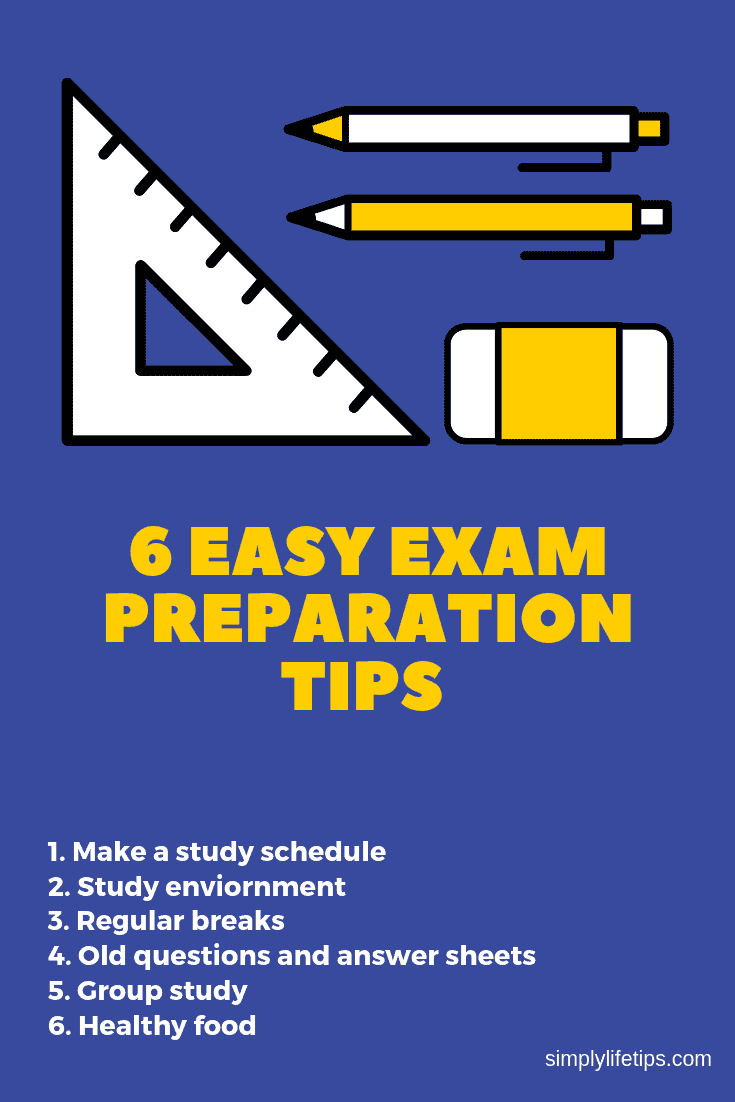
1. Make a study schedule
Many students avoid regular study and rely on last-minute cramming, but this approach is not effective for exam preparation. It often leads to stress, anxiety, and poor retention of information.
What is the best method?
The best approach is to create a study schedule that suits your personal learning style and daily routine. Start by listing your exam dates, the number of days available before each exam, and break down the subjects into specific topics and page numbers. Estimate how much time you’ll need for each topic, including time for thorough revision.
With this kind of organised planning, you can cover your syllabus efficiently and with confidence. Avoid leaving anything to the last minute. Stick to your schedule and study consistently at the designated times to reduce pressure and improve performance.
2. Study environment

Background vector created by vectorpocket – www.freepik.com
Choose a study environment that supports focus and comfort, not luxury. A good study space doesn’t require air-conditioning or expensive furniture. What truly matters is that the room is well-lit, ventilated with fresh air, and free from noise and distractions. A calm and clean atmosphere helps the brain stay alert and focused.
Make sure your study table has enough space to keep textbooks, notebooks, and other essential materials organised and within reach. Avoid keeping entertainment devices like televisions or game consoles in your study area. Refrain from using smartphones while studying, as notifications and social media can quickly break concentration.
The main goal is to create a setting where your mind can stay fully engaged with the study material. It’s not necessary to study in a closed room. You can follow the traditional method of learning under a tree in a peaceful outdoor setting, which many ancient scholars practised effectively.
The key is to make your study space welcoming and focused, so concentration comes naturally. Also, while discussing study environments, we must remember and empathise with children living in small houses or single rooms, where finding a quiet space can be a challenge. In such cases, even a small corner or a quiet hour in the day can become a dedicated study zone with a bit of creativity and family support. Find Easy Ways To Improve Concentration On Study
3. Regular breaks
Regular breaks are essential for effective learning and better memory retention. Studying continuously for long hours may seem productive, but it reduces the brain’s ability to absorb and retain information over time. When the mind is overloaded without rest, concentration weakens, and fatigue sets in, making study sessions less efficient.
Unfortunately, some parents push their children to study nonstop during exam periods, believing it will lead to better results. However, they often overlook the fact that the brain, like the body, needs rest to recover and refocus.
Encouraging regular short breaks between study sessions allows the brain to process what it has learned, improve understanding, and return to the next session refreshed and ready to absorb more. A simple method like the Pomodoro Technique—25 minutes of focused study followed by a 5-minute break—can work wonders for productivity.
Incorporate activities like stretching, walking, deep breathing, or even a few minutes of light music during breaks to relax the mind. With balanced study and rest, students are more likely to stay motivated, alert, and successful in their exam preparation.
4. Old questions and answer sheets
Practising with previous years’ question papers is one of the smartest and most effective exam preparation strategies. Yet, many students overlook this method, not realising how valuable it can be in understanding the exam pattern, question styles, and important topics.
By going through old examination papers, you gain insights into how questions are framed and what areas are frequently tested. If you have access to answer sheets or marking schemes, it becomes even more beneficial, as you learn how to frame accurate answers and score answers. Reach out to your subject teachers and request their guidance in solving past papers, especially if you have doubts about certain topics.
Don’t just passively read the questions—actively write the answers under exam-like conditions. This approach simulates the real test environment and helps you practice time management, which is crucial during the actual exam. Writing practice also improves speed, clarity of expression, and confidence.
Regular use of past papers as a study tool will sharpen your understanding, reduce fear of the unknown, and prepare you mentally for the examination hall.
5. Group study

Group discussion is a powerful and engaging method to deepen understanding and boost exam preparation. When students come together with a shared goal, they can explain concepts to one another, clarify doubts, and reinforce their learning through discussion. However, the effectiveness of group study depends entirely on the focus and commitment of its members.
It is important to choose group members who are serious about studying and not easily distracted by casual talk, phones, or unrelated topics. A focused study group creates a productive learning atmosphere where each participant contributes and benefits equally.
You can also extend your discussions beyond study groups—talking to family members, friends, or even siblings can help clarify concepts. Sometimes, explaining a topic to someone else is the best way to understand it better yourself. If you’re comfortable, ask a parent or elder sibling to quiz you or test your knowledge.
Sharing knowledge not only helps you remember better but also builds confidence and improves communication skills. Whether it’s solving a tough math problem together or discussing a historical event, learning through collaboration often leaves a lasting impact.
6. Healthy food
Healthy eating plays a crucial role in effective exam preparation by boosting brain power, concentration, and memory. Avoid junk food, sugary snacks, and processed items that may give you a quick burst of energy but eventually lead to fatigue and poor focus. Instead, choose fresh, natural, and vitamin-rich foods like fruits, vegetables, nuts, whole grains, and dairy products that nourish your brain and keep you mentally alert.
Include foods rich in omega-3 fatty acids, such as walnuts and fish, which are known to support cognitive function. Iron-rich foods like spinach and beetroot can enhance oxygen flow to the brain, improving mental performance.
Staying hydrated is just as important. Drinking plenty of water throughout the day keeps your body and brain functioning optimally. Dehydration can lead to tiredness, headaches, and reduced concentration. Make it a habit to keep a water bottle nearby while studying.
By eating mindfully and keeping yourself hydrated, you not only support your physical health but also create the best internal environment for academic success. A well-nourished brain is sharper, more focused, and better prepared to absorb and retain information during exam season.
Easy exam preparation tips
- Sleep well at night before the examination day
- Do not panic. Just relax
- No new topic on the day of the examination
- Have a healthy breakfast
- Eat chocolates and glucose
- Carry documents and materials required for the examination
- Do not carry cheats
- Reach the examination halls well before the time
- Avoid taking breaks during the exam
- Concentrate and relax
- Avoid conversation inside the exam hall
- Read the instructions on the question booklet
- Tick mark questions for which you know the answers
- Start with answers you know well
- Do not spend excessive time on a question
- Ask the invigilator for any queries
- A good presentation can fetch you extra marks
- Write neatly with good handwriting
- Draw lines to separate answers
- Prefer writing in points rather than paragraphs
- Draw a neat and labelled diagram
- Avoid grammatical errors and spelling mistakes
- Revise before you submit the answer sheet
How To Solve Study Problems Without Help
Conclusion
Effective exam preparation is not just about studying hard—it’s about studying smart with the right strategies and a balanced approach. From creating a personalised study schedule, maintaining a healthy study environment, taking regular breaks, and practising with past question papers to engaging in focused group discussions and following a nutritious diet, each step plays a vital role in building confidence and achieving academic success. Parents should encourage rather than pressure, and students should focus on consistency over last-minute efforts. With the right mindset, discipline, and support system, exam stress can be transformed into exam success.
Read How To Overcome Laziness While Studying
Thanks for spreading the love with others by sharing the post on your network. Remember ” Sharing is Caring!”
Your valuable suggestions and comments will help to make my effort on this small blog a success.
Featured Image vector School photo created by freepik – www.freepik.com

Mathukutty P V is a Blogger, YouTuber, and Content Writer and the founder of Simply Life Tips. After taking voluntary retirement in 2017, he embraced a free lifestyle focused on learning, personal growth, and sharing practical wisdom to help others live with more purpose and positivity.