
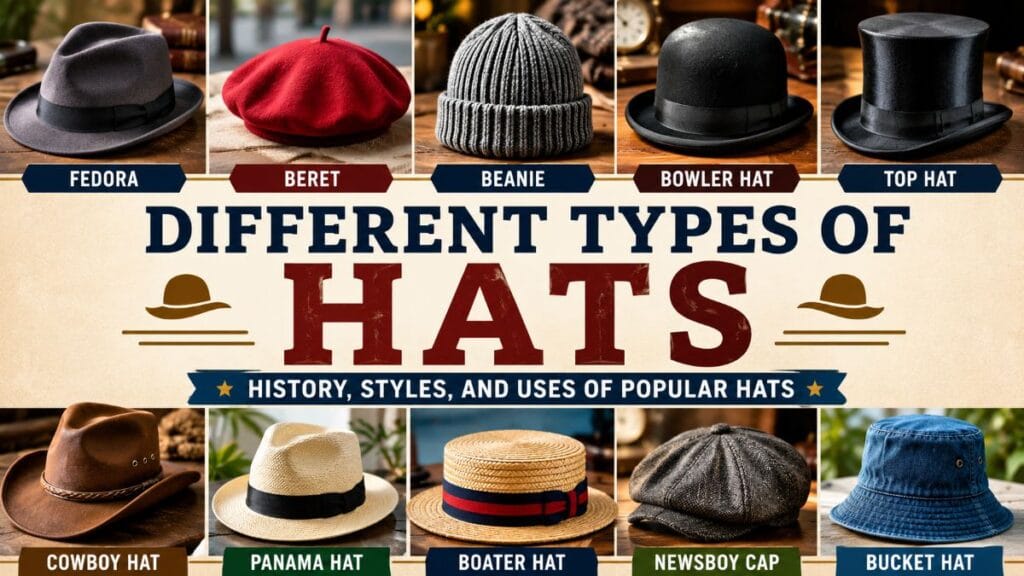
Different types of hats have been an important part of human culture, fashion, and daily life for centuries. From protecting people from harsh weather conditions to serving as symbols of status, profession, and personal style, hats have evolved into some of the most recognizable accessories in the world. Today, hats are worn for practical purposes, cultural traditions, sports, religious observances, and fashion statements.
Whether it is a stylish Fedora, a warm Beanie, or a classic Top Hat, every hat has its own story, purpose, and unique design. Learning about different types of hats helps us understand fashion history, cultural traditions, and how clothing has changed over time.
What Is a Hat?
A hat is a head covering designed to provide protection, decoration, or identification. Throughout history, people have worn hats to shield themselves from sunlight, rain, cold weather, and dust. In many societies, hats have also represented social status, occupation, military rank, or cultural identity.
For example, construction workers wear safety helmets for protection, while chefs wear distinctive hats as part of their professional uniforms. At the same time, many people wear fashionable hats simply to enhance their appearance and express their personality.
Today, hats remain popular because they combine functionality with style. They can complete an outfit, provide comfort in changing weather conditions, and even communicate something about the wearer’s interests or lifestyle.
The History of Hats
The history of different types of hats stretches back thousands of years. Archaeological evidence suggests that ancient civilizations such as Egypt, Greece, and Rome used various forms of head coverings for both practical and ceremonial purposes.
In ancient Egypt, head coverings helped protect people from the intense desert sun. Wealthy individuals often wore decorative headdresses to symbolize power and status. Ancient Greeks and Romans used hats during travel and outdoor activities, particularly to shield themselves from the elements.
During the Middle Ages, hats became important indicators of social class and profession. Nobles often wore elaborate headwear decorated with expensive materials, while workers wore simple, practical hats suited to their occupations.
The Industrial Revolution brought significant changes to hat production. Improved manufacturing techniques made hats more affordable, allowing a wider range of people to own fashionable headwear. During the 19th and early 20th centuries, it was uncommon for adults to leave their homes without wearing some form of hat.
Although hats became less essential during the latter half of the 20th century, they never disappeared. Today, many traditional styles continue to thrive alongside modern designs, proving that hats remain a timeless part of fashion and culture.
10 Different Types of Hats at a Glance
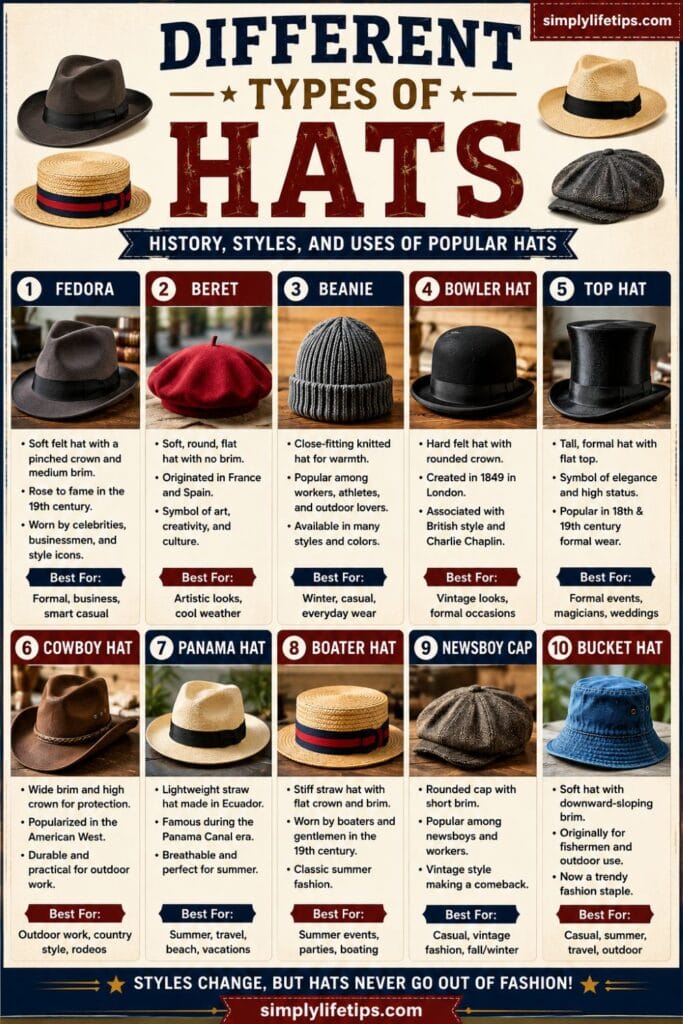
Hats have been part of human fashion and culture for centuries. While some hat styles were originally designed for protection from weather conditions, others became symbols of status, profession, or personal style. Today, hats remain popular because they combine practicality with fashion. The infographic below highlights 10 of the most recognizable hat styles and provides a quick overview of their unique characteristics.
Understanding the Most Popular Hat Styles
From the sophisticated Fedora and elegant Top Hat to the practical Beanie and trendy Bucket Hat, each hat serves a different purpose. Some styles, such as the Cowboy Hat and Panama Hat, were created for outdoor use and sun protection, while others, like the Beret and Newsboy Cap, became cultural and fashion icons. Learning about these hat styles helps us appreciate their history, design, and continuing influence on modern fashion.
The following sections explore each hat type in greater detail, including its origins, features, materials, and best uses.
Fedora Hat
What Is a Fedora?
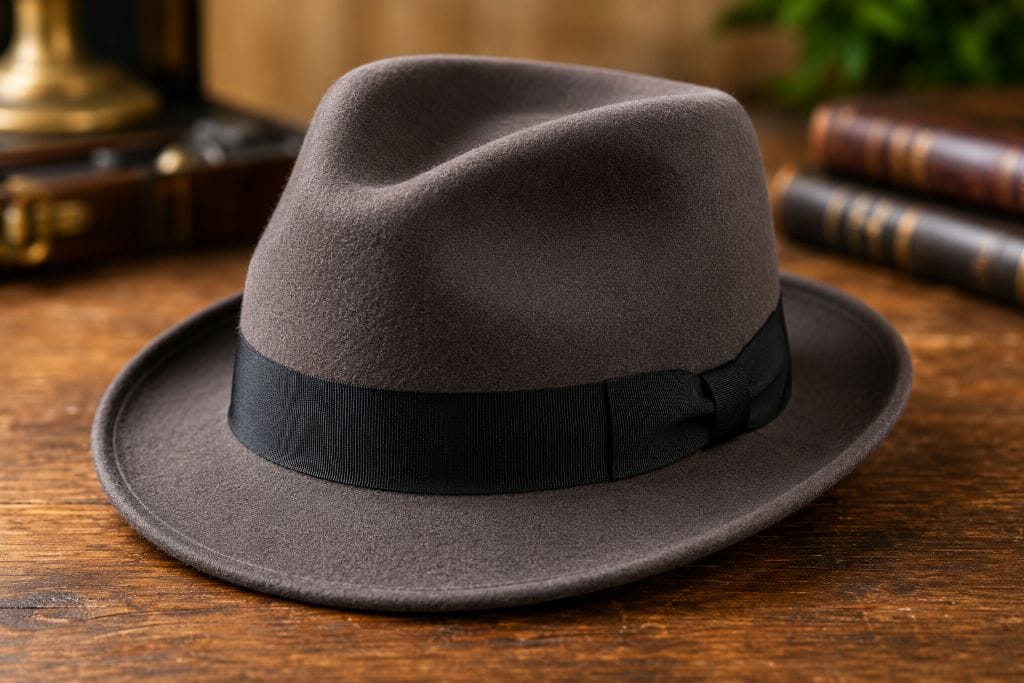
Among the many different types of hats, the Fedora remains one of the most recognizable and stylish choices. It is characterized by a soft crown with a pinched front and a medium-sized brim that can be worn up or down depending on personal preference.
History of the Fedora
The Fedora gained popularity after the 1882 French play Fédora, in which the lead character wore a distinctive hat. Over time, the style became associated with sophistication, confidence, and elegance.
During the early 20th century, Fedora hats were commonly worn by businessmen, politicians, entertainers, and public figures. The hat became especially popular in Hollywood films, where detectives, journalists, and leading actors frequently appeared wearing Fedoras.
Materials Used
Traditional Fedoras are often made from felt, wool, rabbit fur, or other soft materials. Modern versions may also be made from straw, making them suitable for warm weather.
When to Wear a Fedora
The Fedora works well with formal, business, and smart-casual outfits. It can add a touch of sophistication to a suit, blazer, or even a stylish casual ensemble.
Fedora vs. Trilby
Many people confuse the Fedora with the Trilby. However, a Trilby typically has a narrower brim and a slightly different crown shape. Fedoras generally offer better sun protection due to their wider brims.
Modern Popularity
Today, the Fedora hat remains popular among fashion enthusiasts who appreciate classic style and timeless elegance.
Beret
What Is a Beret?
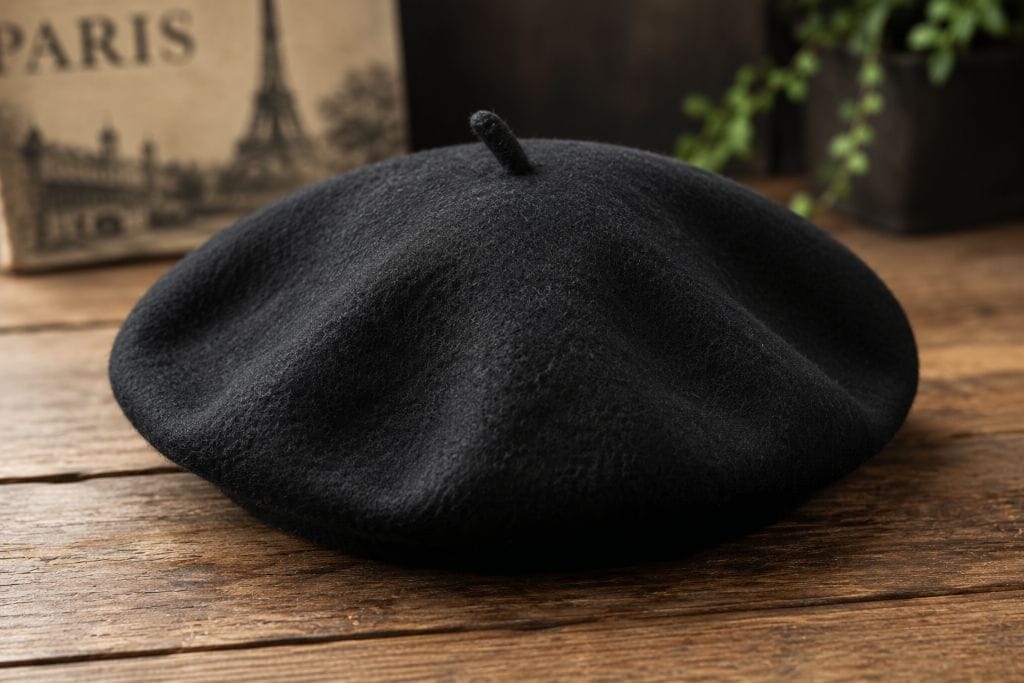
The Beret is a soft, round, flat-crowned hat traditionally made from wool. Unlike many other hats, it has no brim and can be worn in a variety of positions on the head.
Origins and History
The Beret has a long history in Europe, particularly in France and Spain. It became closely associated with French culture and has often been worn by artists, writers, and intellectuals.
Military organizations around the world also adopted the Beret as part of their uniforms. Different colors often indicate different units or specializations.
Features of a Beret
- Soft and lightweight
- Comfortable to wear
- Easy to fold and carry
- Distinctive artistic appearance
Cultural Significance
The Beret has become a symbol of creativity, independence, and cultural identity. It has been worn by famous artists such as Pablo Picasso and has appeared in countless films and photographs.
Modern Fashion
Today, Berets are available in a variety of colors and materials. They remain popular among people who appreciate vintage fashion and European-inspired style.
Beanie
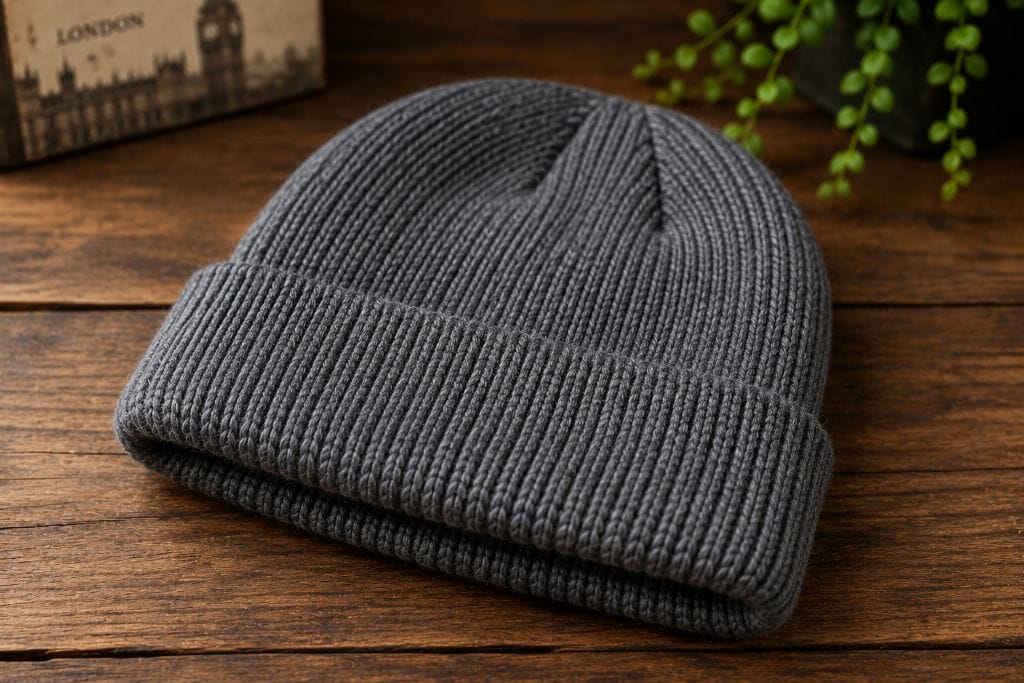
What Is a Beanie?
A Beanie is a close-fitting knitted cap designed primarily to provide warmth during cold weather. It is one of the most practical and widely used hat styles in the world.
History of the Beanie
Beanies have been worn for generations by workers, sailors, athletes, and outdoor enthusiasts. Their simple design makes them highly effective at retaining body heat.
As fashion evolved, Beanies moved beyond their practical roots and became popular accessories among students, musicians, athletes, and fashion-conscious individuals.
Materials Used
Beanies are commonly made from:
- Wool
- Acrylic
- Cotton
- Fleece
- Blended fabrics
Each material offers different levels of warmth, comfort, and durability.
Benefits of Wearing a Beanie
One of the main advantages of a Beanie is its ability to keep the head and ears warm during cold weather. Since a significant amount of body heat can escape through the head, a Beanie helps maintain comfort in low temperatures.
Popular Styles
Modern Beanies come in many variations, including:
- Cuffed Beanies
- Slouch Beanies
- Pom-Pom Beanies
- Ribbed Knit Beanies
Modern Popularity
Today, Beanies are worn by people of all ages. They are especially popular among students, travelers, hikers, and winter sports enthusiasts.
Bowler Hat
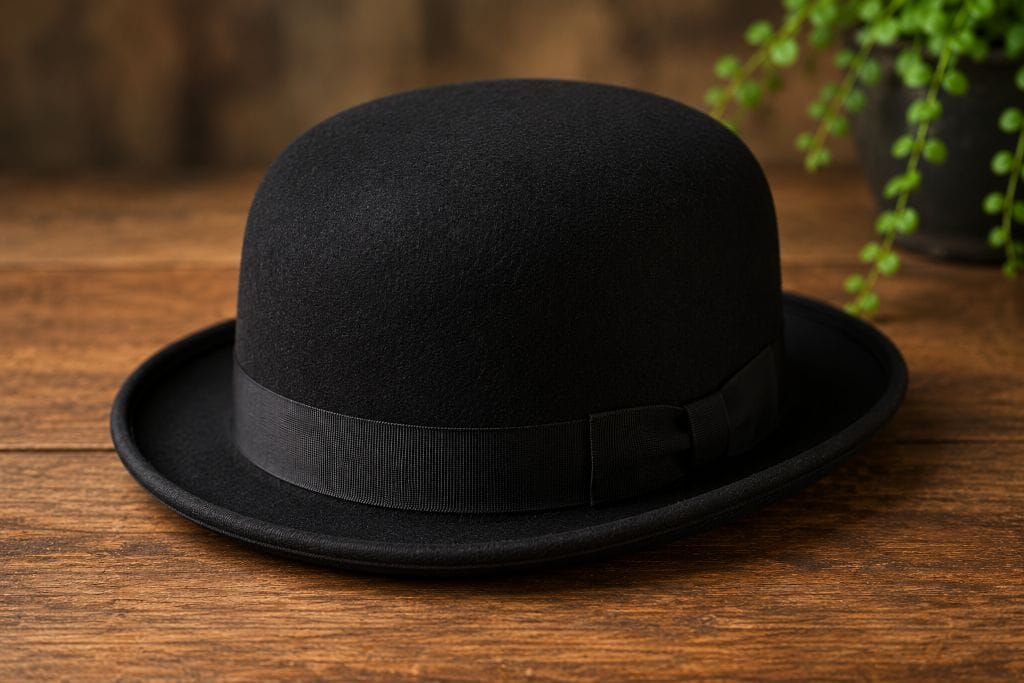
What Is a Bowler Hat?
The Bowler Hat is a hard felt hat with a rounded crown and a narrow brim. It is one of the most recognizable symbols of British fashion.
History of the Bowler Hat
The Bowler Hat was created in London during the mid-19th century. It was originally designed for horse riders who needed a hat that would stay securely on their heads while riding.
The design quickly gained popularity among businessmen, bankers, and government officials. By the late 1800s, the Bowler Hat had become a symbol of professionalism and respectability.
Features
- Rounded crown
- Stiff felt construction
- Narrow brim
- Durable design
Famous Wearers
One of the most famous wearers of the Bowler Hat was comedian Charlie Chaplin, whose iconic character helped make the hat recognizable around the world.
Cultural Impact
The Bowler Hat became closely associated with British business culture and remains an important symbol in fashion history.
Modern Use
Although less common today, Bowler Hats are still worn for formal occasions, theatrical performances, and vintage-inspired fashion.
Top Hat
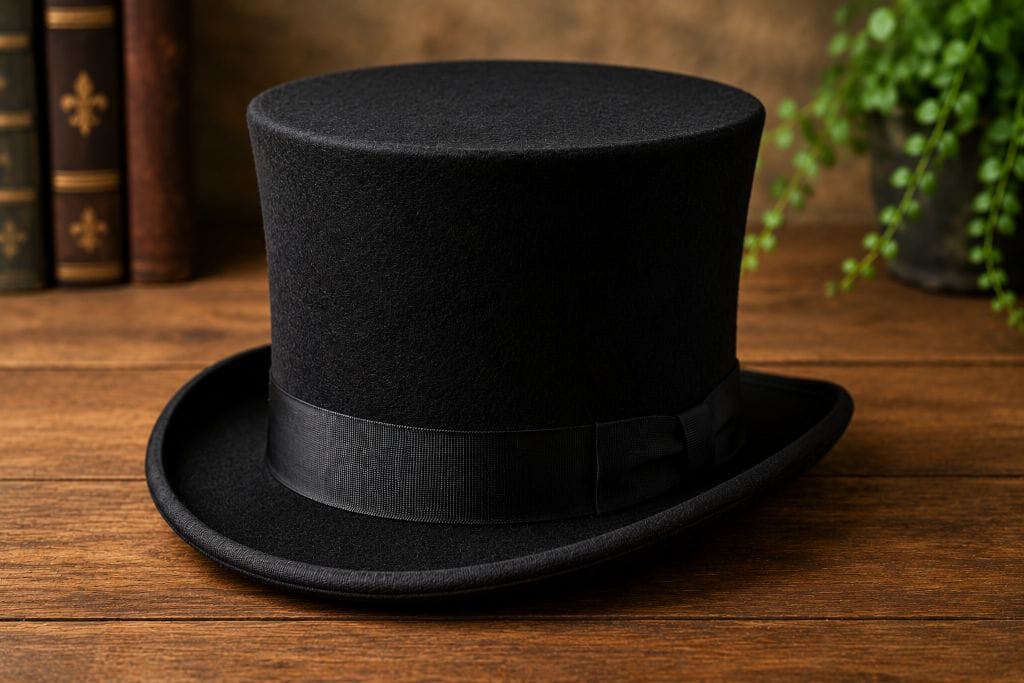
What Is a Top Hat?
The Top Hat is perhaps the most formal hat ever created. It features a tall, cylindrical crown and a flat top, giving it a distinctive and elegant appearance.
Historical Background
Top Hats became fashionable during the late 18th century and remained popular throughout much of the 19th century. They were strongly associated with wealth, status, and sophistication.
Business leaders, politicians, aristocrats, and wealthy gentlemen frequently wore Top Hats as part of formal attire. In many societies, owning a Top Hat was considered a sign of prestige.
Materials Used
Traditional Top Hats were often made from:
- Silk
- Felt
- Wool
- Fur-based materials
High-quality Top Hats were carefully crafted by skilled hat makers and could be quite expensive.
Occasions for Wearing a Top Hat
Top Hats were traditionally worn during:
- Formal ceremonies
- Weddings
- State events
- Horse racing events
- Theatrical performances
Top Hat in Popular Culture
Magicians have helped keep the Top Hat alive in popular culture. The image of a magician pulling a rabbit from a Top Hat remains one of the most recognizable visual symbols in entertainment.
Why the Top Hat Remains Iconic
Although it is no longer common in everyday life, the Top Hat continues to represent elegance, formality, and tradition. Its distinctive shape makes it one of the most memorable hat styles ever created.
Cowboy Hat
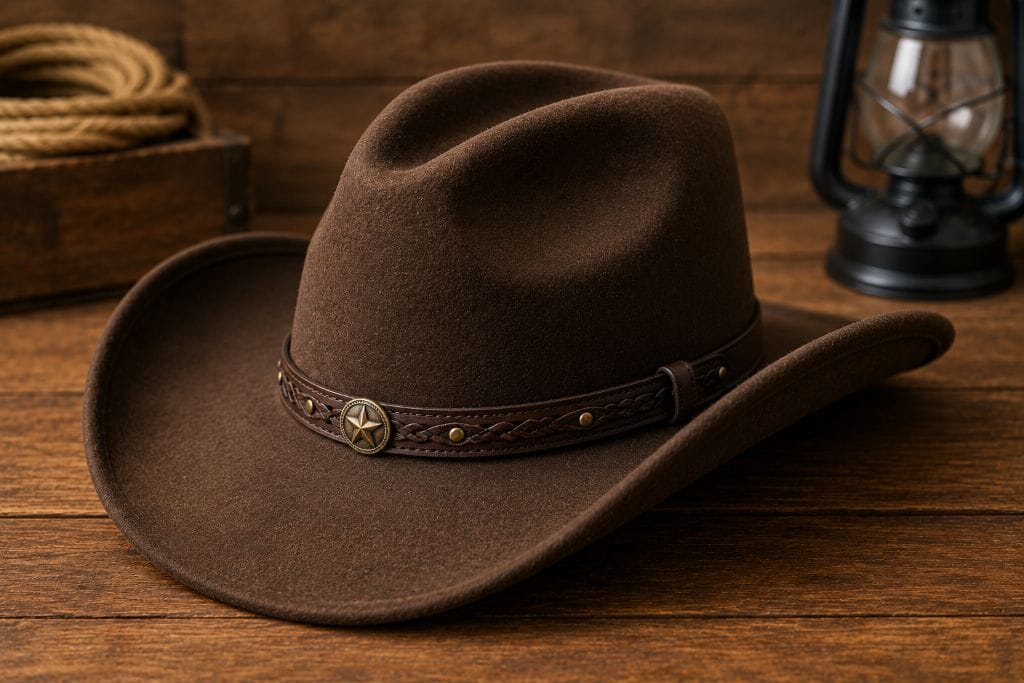
What Is a Cowboy Hat?
The Cowboy Hat is one of the most recognizable hat styles in the world. Known for its wide brim and high crown, it was designed to provide protection from the harsh outdoor conditions faced by ranchers and cowboys in the American West.
History of the Cowboy Hat
The modern Cowboy Hat became popular during the late 19th century. Hat maker John B. Stetson is often credited with creating a practical design that could withstand rugged outdoor environments.
Cowboys spent long hours riding horses, herding cattle, and working under the sun. They needed a hat that could protect them from sunlight, rain, wind, and dust. The Cowboy Hat proved ideal for these conditions and quickly became an essential part of Western culture.
Features
- Wide brim for sun protection
- High crown for ventilation
- Durable construction
- Distinctive Western appearance
Materials Used
Cowboy Hats are commonly made from:
- Felt
- Straw
- Leather
- Wool blends
Straw versions are often preferred during summer, while felt hats are popular during colder seasons.
Modern Popularity
Today, Cowboy Hats are worn not only by ranch workers but also by country music performers, rodeo participants, and fashion enthusiasts who appreciate Western-inspired style.
Panama Hat
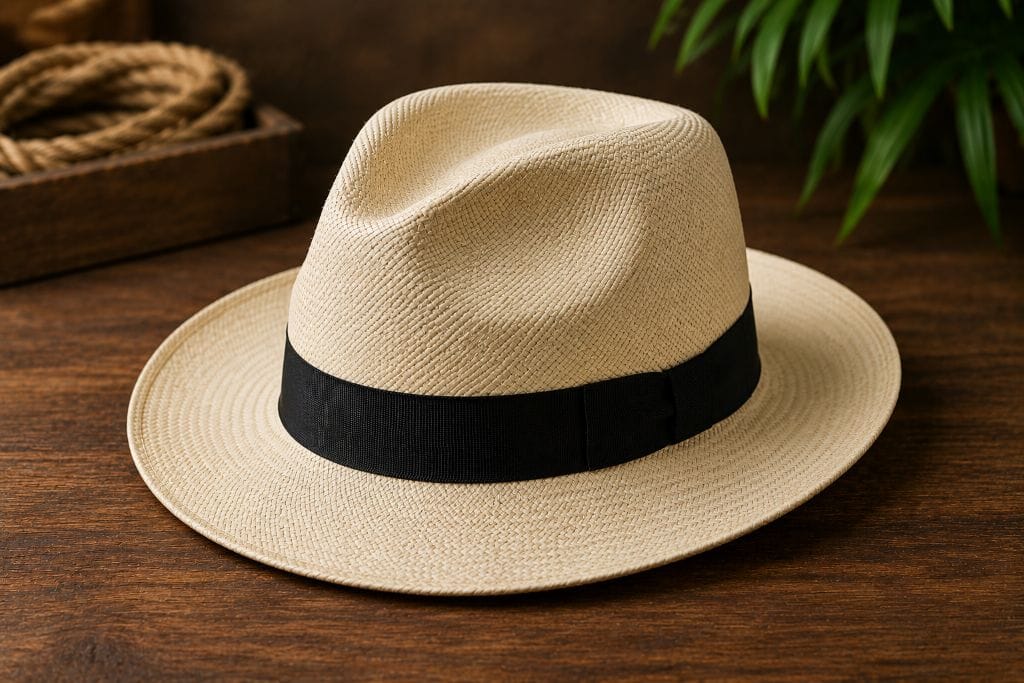
What Is a Panama Hat?
The Panama Hat is a lightweight straw hat known for its elegance, comfort, and excellent sun protection. Despite its name, authentic Panama Hats are traditionally handmade in Ecuador.
History of the Panama Hat
The hat became internationally famous during the construction of the Panama Canal. Workers, travelers, and public figures frequently wore these hats because they provided relief from the tropical heat.
As trade routes expanded through Panama, the hats became associated with the region and eventually became known worldwide as Panama Hats.
Features
- Lightweight design
- Breathable construction
- Wide brim
- Comfortable in hot weather
Materials Used
Traditional Panama Hats are woven from the fibers of the toquilla palm plant. Skilled artisans often spend days or even weeks creating high-quality hats by hand.
Best Occasions to Wear
Panama Hats are ideal for:
- Summer vacations
- Beach outings
- Garden parties
- Outdoor events
Modern Appeal
The Panama Hat remains a symbol of sophistication and relaxed elegance, making it popular among travelers and fashion-conscious individuals.
Panama Hats remain a popular choice for summer vacations, outdoor events, and warm-weather fashion. Readers interested in seasonal clothing and accessories may also enjoy our guide to Summer Fashion Trends in India.
Boater Hat
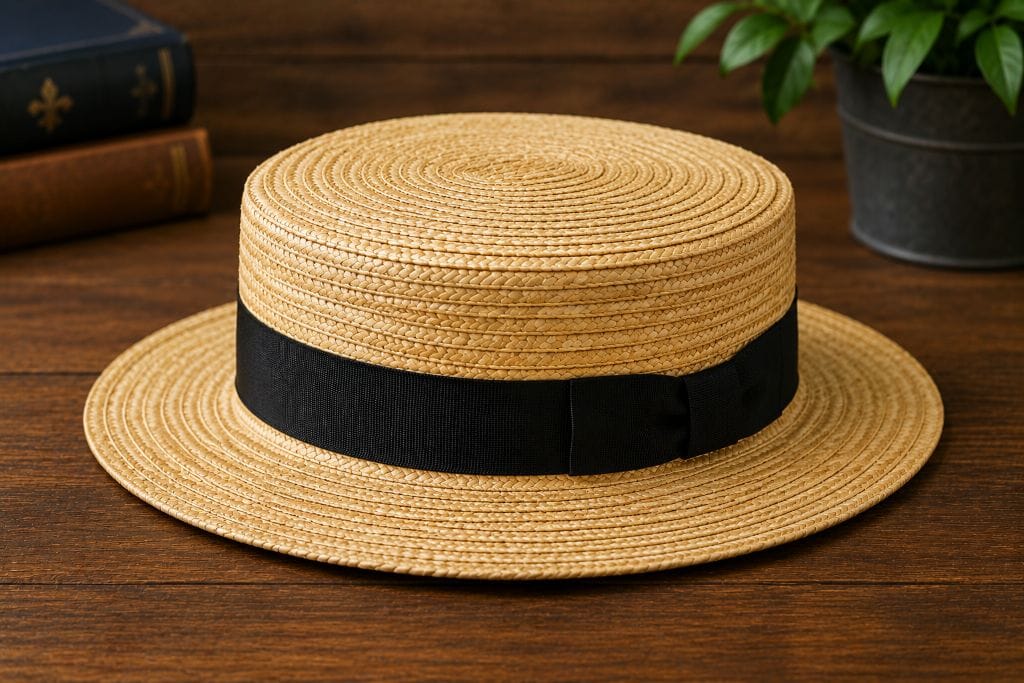
What Is a Boater Hat?
The Boater Hat is a stiff straw hat featuring a flat crown and a flat brim. It is one of the most distinctive hat styles associated with classic summer fashion.
Historical Background
The Boater Hat became fashionable during the late 19th century and was especially popular among rowers, sailors, and gentlemen attending outdoor events.
Its lightweight construction made it comfortable during warm weather, while its structured appearance gave it a refined look.
Key Features
- Flat crown
- Flat brim
- Straw construction
- Decorative ribbon band
Cultural Significance
Boater Hats became symbols of leisure, outdoor recreation, and upper-class summer fashion. They frequently appeared at sporting events, festivals, and social gatherings.
Modern Uses
Although less common today, Boater Hats continue to appear at:
- Vintage-themed events
- Summer weddings
- Traditional celebrations
- Historical reenactments
The Boater hat remains a favorite among people who appreciate classic style.
Newsboy Cap
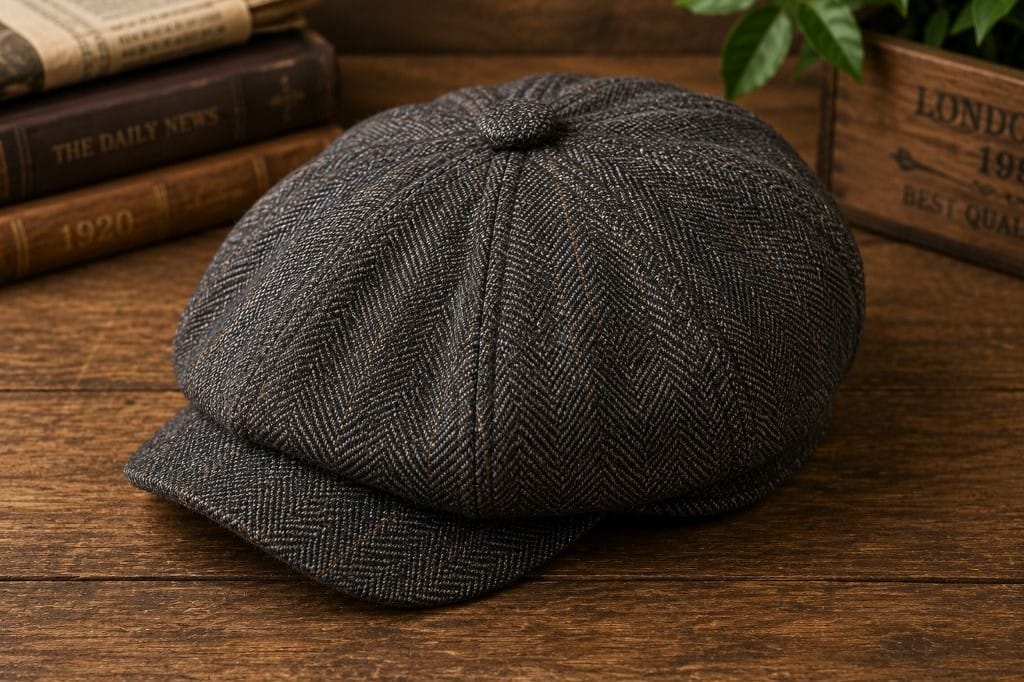
What Is a Newsboy Cap?
The Newsboy Cap is a rounded cap with a short brim and multiple stitched panels that create its distinctive shape.
History of the Newsboy Cap
The cap became popular during the late 19th and early 20th centuries. It was commonly worn by working-class men, newspaper sellers, factory workers, and young boys.
The name “Newsboy Cap” comes from its association with newspaper vendors who were frequently seen wearing this style.
Features
- Rounded crown
- Eight-panel construction
- Small brim
- Comfortable fit
Materials Used
Newsboy Caps are commonly made from:
- Wool
- Tweed
- Cotton
- Linen
These materials provide comfort while maintaining the cap’s distinctive shape.
Fashion Revival
In recent years, the Newsboy Cap has experienced a resurgence in popularity. Television dramas, historical films, and vintage fashion trends have introduced the style to new generations.
Why People Like It
Many people appreciate the Newsboy Cap because it combines comfort, practicality, and timeless style.
Bucket Hat
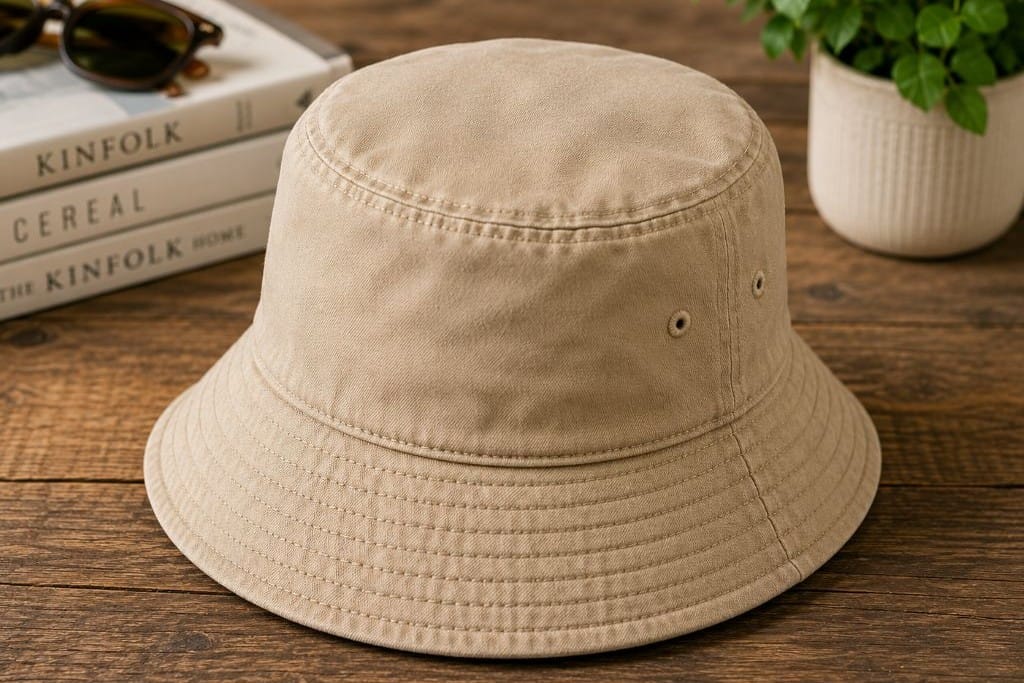
What Is a Bucket Hat?
The Bucket Hat is a soft hat with a downward-sloping brim that surrounds the head. Its simple design makes it both practical and fashionable.
Origins of the Bucket Hat
The Bucket Hat was originally developed for fishermen and outdoor workers who needed protection from rain and sunlight.
Over time, it became popular in sports, street fashion, music culture, and casual wear.
Features
- Soft fabric construction
- Flexible brim
- Lightweight design
- Easy to fold and carry
Materials Used
Bucket Hats are often made from:
- Cotton
- Denim
- Nylon
- Canvas
- Polyester
Modern Popularity
The Bucket Hat has become particularly popular among younger generations. Influencers, musicians, and celebrities have helped bring the style back into mainstream fashion.
Best Uses
Bucket Hats are suitable for:
- Travel
- Outdoor activities
- Beach vacations
- Casual everyday wear
Their practicality and versatility continue to make them a favorite choice worldwide.
Understanding the features of different types of hats can make it easier to choose the right style for any occasion.
Comparison Table of Popular Hat Types
| Hat Type | Common Material | Formality Level | Best Season |
|---|---|---|---|
| Fedora | Felt, Wool, Straw | Medium to Formal | All Seasons |
| Beret | Wool | Casual to Semi-Formal | Fall, Winter |
| Beanie | Wool, Acrylic | Casual | Winter |
| Bowler Hat | Felt | Formal | All Seasons |
| Top Hat | Silk, Felt | Highly Formal | Special Events |
| Cowboy Hat | Felt, Straw | Casual to Semi-Formal | All Seasons |
| Panama Hat | Straw | Semi-Formal | Summer |
| Boater Hat | Straw | Semi-Formal | Summer |
| Newsboy Cap | Tweed, Wool | Casual | Fall, Winter |
| Bucket Hat | Cotton, Nylon | Casual | Spring, Summer |
How to Choose the Right Hat?
When comparing different types of hats, selecting the right one involves more than simply choosing a style that looks attractive. The ideal hat should complement your face shape, suit the weather conditions, match the occasion, and reflect your personality. A well-chosen hat can enhance your appearance, improve comfort, and boost confidence, while the wrong choice may feel uncomfortable or out of place. Understanding these factors can help you find a hat that is both practical and stylish.
Consider Your Face Shape
Face shape plays an important role in determining which hat styles look most flattering. Different types of hats create different visual effects, and choosing a style that balances your facial features can significantly improve your overall appearance.
People with round faces often benefit from hats with taller crowns, such as Fedoras, because they create the illusion of length and add definition to the face. Individuals with oval faces are fortunate because most hat styles suit them well, from Bucket Hats to Panama Hats.
Those with square faces may prefer hats with softer curves, such as Berets or Bucket Hats, which help balance strong jawlines. People with longer or rectangular faces often look best in hats with wider brims, such as Panama Hats or Cowboy Hats, as these styles add width and create visual balance.
Consider the Climate
Weather conditions should always influence your choice of hat. Different types of hats are designed for different environments, and selecting the right material can improve comfort throughout the year.
For cold weather, Beanies are among the best options because they provide warmth and help retain body heat. Wool Berets and felt Fedoras can also offer protection during cooler months while maintaining a stylish appearance.
In hot and sunny climates, lightweight hats made from breathable materials are ideal. Panama Hats and Boater Hats allow air circulation while protecting the face and neck from direct sunlight. Bucket Hats are another excellent choice because they are lightweight, easy to carry, and provide practical sun protection for outdoor activities.
For people who spend long hours outdoors, Cowboy Hats offer excellent coverage from the sun, making them popular among ranchers, hikers, and outdoor enthusiasts.
Consider the Occasion
The occasion is another important factor when choosing a hat. Some styles are designed for formal events, while others are better suited to casual settings.
For business meetings, weddings, formal dinners, and special occasions, classic styles such as the Fedora or Top Hat can add elegance and sophistication. These hats are often associated with refinement and timeless fashion.
For casual outings, travel, shopping trips, and weekend activities, Bucket Hats, Beanies, and Newsboy Caps offer comfort and versatility. They pair well with relaxed clothing and are practical for everyday wear.
Outdoor events such as festivals, beach vacations, and garden parties may call for lightweight options like Panama Hats or Boater Hats, which combine style with protection from the sun.
Choosing a hat that matches the event helps create a polished appearance and ensures you feel comfortable in the setting.
Consider Personal Style
Fashion is ultimately a form of self-expression, and the best hat is one that reflects your personality while providing comfort and confidence. Different types of hats convey different impressions, allowing wearers to showcase their individual tastes.
People who appreciate classic and sophisticated fashion may gravitate toward Fedoras or Top Hats. Those who enjoy artistic or creative styles often prefer Berets because of their cultural and artistic associations.
Individuals who value practicality and comfort may choose Beanies or Bucket Hats, while those drawn to vintage-inspired fashion frequently enjoy Newsboy Caps. Fans of Western culture and outdoor lifestyles often favor Cowboy Hats for their distinctive appearance and functionality.
The most important factor is how the hat makes you feel. A hat that suits your lifestyle, complements your wardrobe, and boosts your confidence is always the right choice.
Finding the Perfect Balance
The ideal hat combines style, comfort, practicality, and personal preference. By considering your face shape, local climate, intended occasion, and individual fashion sense, you can confidently choose from the many different types of hats available today. Whether you prefer the elegance of a Fedora, the warmth of a Beanie, the charm of a Newsboy Cap, or the practicality of a Bucket Hat, there is a perfect hat for every person and every occasion.
The Cultural Importance of Hats
Throughout history, different types of hats have served purposes far beyond fashion and protection. They have represented social status, cultural identity, religious beliefs, professional roles, and even political movements. Across civilizations and generations, hats have helped people communicate who they are, what they do, and the communities to which they belong. Even today, many hat styles continue to carry symbolic meaning while remaining practical and fashionable accessories.
Military Traditions
Hats have long played an important role in military organizations around the world. Different types of military headwear are used to identify ranks, branches, units, and special qualifications. From ceremonial hats worn during official events to practical helmets used in combat, military hats serve both functional and symbolic purposes.
Berets are among the most recognizable military hats. Many armed forces assign different beret colors to specific units. For example, certain colors may represent airborne divisions, special operations forces, or armored units. These hats help foster a sense of pride, unity, and identity among service members.
Military hats also help preserve tradition and honor historical achievements. Many ceremonial uniforms continue to feature distinctive hats that reflect the heritage and culture of a nation’s armed forces.
Religious Significance
In many cultures and religions, head coverings are considered symbols of respect, devotion, humility, or spiritual commitment. Religious hats and coverings often carry deep cultural and historical significance.
For example, some faith traditions encourage or require worshippers to cover their heads during prayer or religious ceremonies. These practices can represent reverence, modesty, or a connection to long-standing cultural traditions.
Different forms of religious headwear can be found across the world, reflecting the diversity of human beliefs and customs. These coverings often serve as visible expressions of faith and cultural identity, helping preserve traditions that have been passed down through generations.
Occupational Uses
Many professions require specialized hats and headgear for safety, identification, or practical purposes. In these cases, hats are essential tools rather than fashion accessories.
Examples include:
- Construction helmets that protect workers from falling objects and workplace hazards.
- Chef hats that symbolize professionalism and culinary tradition.
- Police caps that help identify law enforcement officers.
- Firefighter helmets designed to provide protection during emergency situations.
- Medical caps worn in hospitals and surgical environments to maintain hygiene standards.
These occupational hats help ensure safety, improve recognition, and reinforce professional standards in various industries.
Hats as Symbols of Social Status
Throughout history, hats have often reflected wealth, authority, and social standing. During the 18th and 19th centuries, certain hat styles were closely associated with the upper classes and influential members of society.
The Top Hat, for example, became a symbol of prestige and sophistication. Wealthy businessmen, politicians, and aristocrats frequently wore Top Hats to demonstrate their social status. Similarly, elaborately decorated hats were often worn by members of royal families and nobility.
Although modern fashion is generally more inclusive, certain hat styles still carry associations with luxury, professionalism, and elegance.
Fashion and Personal Identity
Today, hats remain powerful tools of self-expression. Many people choose hats that reflect their personality, interests, lifestyle, or fashion preferences. Different types of hats create different impressions and allow individuals to showcase their unique sense of style.
A Fedora may project confidence and sophistication, while a Bucket Hat can suggest a relaxed and contemporary fashion sense. A Beret may reflect artistic creativity, while a Cowboy Hat often symbolizes independence and an appreciation for Western culture.
Fashion trends continue to influence the popularity of various hat styles, but hats remain timeless accessories because they allow people to express individuality while enhancing their overall appearance.
Cultural Symbols Around the World
Many hat styles have become closely associated with specific countries, regions, or cultural traditions. The Beret is often linked to France, the Cowboy Hat to the American West, and the Panama Hat to tropical climates and summer fashion.
These cultural associations help preserve historical traditions and create recognizable symbols that represent communities and lifestyles. As fashion evolves, these hats continue to connect modern wearers with the cultures and histories from which they originated.
Hats in Modern Society
In today’s world, hats continue to serve a variety of purposes. They provide protection from weather conditions, support professional requirements, honor cultural traditions, and enhance personal style. Social media, fashion influencers, and celebrities have also helped revive many classic hat styles, introducing them to new generations.
Whether worn for tradition, safety, religion, fashion, or personal identity, hats remain meaningful accessories that reflect the diversity of human culture and experience.
Summer Protection and Practical Use
Beyond their cultural significance, hats also play an important practical role in everyday life. Climate is one of the most important factors when choosing a hat. Breathable options such as Panama Hats, Boater Hats, and Bucket Hats help provide comfort during hot summer months while offering protection from direct sunlight.
Choosing the right hat can reduce sun exposure, improve outdoor comfort, and support overall well-being during warm weather. Readers interested in protecting themselves from extreme heat may also find useful tips in our article on The Scorching Summer in India: How to Stay Safe and Healthy.
From ancient civilizations to modern fashion trends, the cultural importance of hats continues to evolve while maintaining its connection to history, identity, and human expression.
Hat Care and Maintenance Tips
Proper maintenance helps preserve the appearance, comfort, and lifespan of different types of hats. Whether you own a classic Fedora, a stylish Panama Hat, a practical Bucket Hat, or a warm Beanie, taking care of your hat can help it retain its shape, color, and overall quality for many years. Regular cleaning and proper storage are simple steps that can make a significant difference in extending the life of your favorite headwear.
Clean Hats Regularly
Regular cleaning is essential for maintaining the appearance of different types of hats. Dust, dirt, sweat, and environmental pollutants can gradually accumulate on hat surfaces, causing discoloration and wear over time.
For felt, wool, and straw hats, use a soft brush to gently remove dust and debris. Fabric hats, such as Bucket Hats and Beanies, may often be cleaned according to the manufacturer’s instructions. Always check care labels before washing, as different materials require different cleaning methods.
Spot cleaning small stains as soon as they appear can help prevent permanent damage and keep hats looking fresh and presentable.
Store Hats Properly
Proper storage plays a major role in preserving the shape and condition of hats. Leaving hats exposed to direct sunlight, excessive heat, or humidity can cause fading, warping, and material deterioration.
Store hats in a cool, dry location away from direct sunlight. Whenever possible, place them on a hat stand, shelf, or designated storage area where the brim and crown can maintain their natural shape.
Avoid stacking heavy objects on top of hats, as this may cause permanent deformation and reduce their visual appeal.
Protect Hats from Excess Moisture
Many different types of hats can be damaged by excessive exposure to water and humidity. Felt hats, straw hats, and certain specialty materials are particularly vulnerable to moisture-related damage.
If a hat becomes wet due to rain or accidental exposure to water, allow it to air dry naturally at room temperature. Avoid using hair dryers, heaters, or direct sunlight to speed up the drying process, as excessive heat can shrink, crack, or warp certain materials.
For individuals who frequently spend time outdoors, choosing weather-appropriate hats can help reduce maintenance concerns while improving durability.
Handle Hats with Care
Proper handling helps maintain the structure and appearance of hats. Many people unintentionally damage hats by grabbing them incorrectly, folding them unnecessarily, or placing them in cramped spaces.
When removing or adjusting a hat, hold it gently by the brim or designated support areas rather than pinching the crown repeatedly. Excessive pressure on certain parts of the hat can cause dents, creases, and distortion over time.
Taking a few extra seconds to handle hats carefully can significantly extend their lifespan and preserve their original shape.
Use Hat Boxes for Long-Term Protection
Hat boxes provide one of the best storage solutions for valuable, delicate, or collectible hats. These protective containers shield hats from dust, sunlight, moisture, and accidental damage during storage or travel.
Classic styles such as Top Hats, Panama Hats, Fedoras, and Bowler Hats can particularly benefit from storage in hat boxes because they often rely on structured shapes that can be easily damaged.
For travelers, a quality hat box can help prevent crushing and maintain the hat’s appearance throughout the journey.
Rotate Your Hats
If you own multiple hats, rotating them regularly can help reduce wear and tear on any single item. Frequent use of the same hat may cause materials to age more quickly due to repeated exposure to sunlight, sweat, and environmental conditions.
Alternating between different types of hats based on the season, weather, and occasion allows each hat time to recover and maintain its shape. This practice can significantly extend the lifespan of your entire hat collection.
Inspect Hats Periodically
Regular inspections can help identify minor issues before they become major problems. Check for loose stitching, damaged bands, stains, fading, or signs of wear. Addressing small problems early can prevent costly repairs or replacement later.
For high-quality or sentimental hats, professional cleaning and restoration services may be worthwhile investments to preserve their appearance and value.
Why Hat Maintenance Matters?
Proper care not only helps hats look better but also protects the investment you make in quality headwear. Whether you wear hats for fashion, cultural traditions, outdoor activities, or professional purposes, maintaining them correctly ensures they remain comfortable, attractive, and functional for years to come.
By following these simple maintenance practices, you can keep different types of hats in excellent condition while preserving their style, durability, and timeless appeal.
Why Hats Remain Popular Today?
Despite changing fashion trends, hats continue to play an important role in everyday life. They offer practical protection from weather conditions while allowing people to express their personality and style.
Fashion designers frequently reinvent classic hat styles, introducing them to new generations. As a result, hats remain both functional accessories and powerful fashion statements.
Conclusion
Different types of hats reflect centuries of history, craftsmanship, culture, and personal expression. From the elegance of the Fedora and Top Hat to the practicality of the Beanie and Bucket Hat, each style offers unique features and benefits. Understanding the history, construction, and uses of these popular hats helps us appreciate how headwear has evolved. Whether worn for protection, tradition, or fashion, hats continue to hold an important place in cultures around the world.
Fashion accessories help people express their personality and confidence. Whether you prefer a classic Fedora, a casual Bucket Hat, or elegant footwear, understanding different style elements can help create a more polished look. You may also like our article on trendy heels and styling tips.
FAQs – Different Types of Hats
What is the most popular type of hat today?
Bucket Hats, Baseball Caps, and Beanies are among the most popular hat styles worldwide due to their comfort and versatility.
What is the difference between a Fedora and a Trilby?
A Fedora typically has a wider brim and a more traditional crown shape, while a Trilby usually features a narrower brim and a slightly shorter crown.
Which hat is best for summer?
Panama Hats and Boater Hats are excellent choices for summer because they are lightweight and breathable.
Which hat provides the best sun protection?
Cowboy Hats and Panama Hats offer excellent sun protection because of their wide brims.
Are hats still fashionable?
Yes. Hats continue to be popular fashion accessories and are regularly featured in modern fashion collections.
If this inspired you, pass it on to someone who could benefit from it.
PVM
References: Wikipedia

Mathukutty P V is a Blogger, YouTuber, and Content Writer and the founder of Simply Life Tips. After taking voluntary retirement in 2017, he embraced a free lifestyle focused on learning, personal growth, and sharing practical wisdom to help others live with more purpose and positivity.



