

Overcoming weakness is a challenge that every individual faces at some point in life. Human beings are social creatures with unique abilities, dreams, and talents. Yet, despite this uniqueness, many people struggle to express their potential fully. They remain in the background, hesitant to take opportunities, afraid of failure, or too dependent on others. Such individuals are often labelled as “weak.” But weakness is not about physical strength—it is a deeper issue linked to low self-confidence, fear, and self-doubt.
In this article, we will explore what weakness truly means, how it manifests in life, the consequences of living with self-doubt, and, most importantly, practical ways to overcome weakness and live a confident and fulfilling life.
What is Weakness, Really?
Weakness is not an inability to do things—it is often the inability to believe in yourself enough to try. Every individual is born with a unique personality, but the way it is expressed differs. Some confidently display their traits, while others keep their talents hidden.
The main characteristic of weakness is low self-confidence. A student, for instance, may be excellent in academics but avoid public speaking because of fear. Over time, this repeated avoidance builds a pattern of self-doubt. They begin to believe that they are not capable, eventually creating a weak self-image.
From a psychological perspective, such individuals often struggle with neuroticism, a trait characterised by excessive worry, despair, and self-doubt. A small failure—such as not doing well in an exam—can make them feel as if their entire future is destroyed. Instead of seeing failure as a learning opportunity, they take it as proof that they are not good enough.
👉 Example: Imagine a young professional who is skilled at their job but fears taking leadership roles. They worry, “What if I make a mistake? What if others judge me?” Instead of growing in their career, they remain stagnant, relying on others to lead. This hesitation doesn’t mean they lack skills—it only means they lack confidence. To overcome such doubts, practising affirmations for self-confidence can be a powerful step.
How Weakness Manifests in Life?
Weakness does not appear suddenly—it creeps into everyday life through patterns of fear and avoidance. Here are some common ways it shows up:
1. Fear of New Challenges
People struggling with weakness often retreat when faced with new situations. The idea of stepping out of their comfort zone feels overwhelming. For example, someone may avoid applying for a promotion simply because they fear rejection.
2. Social Withdrawal
Weakness leads to hesitation in forming relationships or expressing opinions. Such individuals may avoid gatherings, public forums, or networking events because they fear judgment or embarrassment. Over time, this creates loneliness and isolation. Helpful practices like affirmations for happiness can gently guide them toward more positive social engagement.
3. Emotional Instability
Even small setbacks cause intense emotional reactions. A minor criticism at work might trigger feelings of failure. This overreaction not only damages self-image but can also strain relationships.
4. Lack of Clarity and Consistency
Before even starting toward a goal, weak-minded individuals often get lost in scattered thoughts: “What if this doesn’t work? What if others laugh at me?” These doubts paralyse action, leading to inconsistency in personal growth.
👉 Example: An aspiring artist may dream of exhibiting their paintings but hesitate to apply for an art show. They think, “Am I really good enough?” This self-doubt stops them from even trying, leaving their talent undiscovered. Such fears are common but can be reduced by focusing on affirmations for cultivating joy, which redirect attention to positivity.
The High Cost of Self-Doubt
Living with weakness comes at a heavy price. It affects personal ambition and relationships, emotional well-being, and physical health.
1. Social Cost
Weakness leads to missed opportunities to connect with others. People avoid public speaking, hesitate to share their ideas, or struggle to build relationships. Over time, this results in social isolation.
2. Emotional Cost
Weak individuals often lack emotional regulation. Minor challenges trigger sadness, anxiety, or frustration. Overthinking becomes a habit, and criticism—no matter how constructive—feels like a personal attack.
3. Professional Cost
At work, weakness shows up as hesitation, lack of initiative, or avoidance of responsibility. This limits career growth. An employee may have brilliant ideas but never share them in meetings, fearing rejection. Over time, they also miss out on developing behaviours that earn respect.
4. Health Cost
Long-term weakness can impact physical health. Stress, worry, and self-doubt often lead to insomnia, anxiety disorders, depression, or frequent mood swings. The body and mind are deeply connected—mental fragility eventually shows up in physical symptoms. Effects of chronic stress.
👉 Example: Consider someone who constantly doubts their career abilities. Their stress levels rise, leading to sleepless nights, poor focus, and declining productivity. This cycle reinforces their sense of weakness, making them feel stuck. In such cases, simple practices like affirmations for better sleep can improve rest and mental clarity.
Can Weakness Be Overcome?
The good news is that overcoming weakness is possible. Weakness is not inborn—it develops through negative experiences, lack of encouragement, and repeated self-doubt. With effort, self-awareness, and the right environment, anyone can break free from weakness.
Society also has a role to play. Instead of labelling individuals as “weak,” communities, families, and workplaces should create positive environments of encouragement. Compassion, support, and recognition can help individuals build confidence and tap into their hidden strengths.
👉 Key Point: Weakness is not permanent. With conscious effort and mindset shifts, it can be replaced with strength, resilience, and confidence. A good starting point is embracing affirmations for students or learners, which help build courage during formative years.
How to Begin Overcoming Weakness?
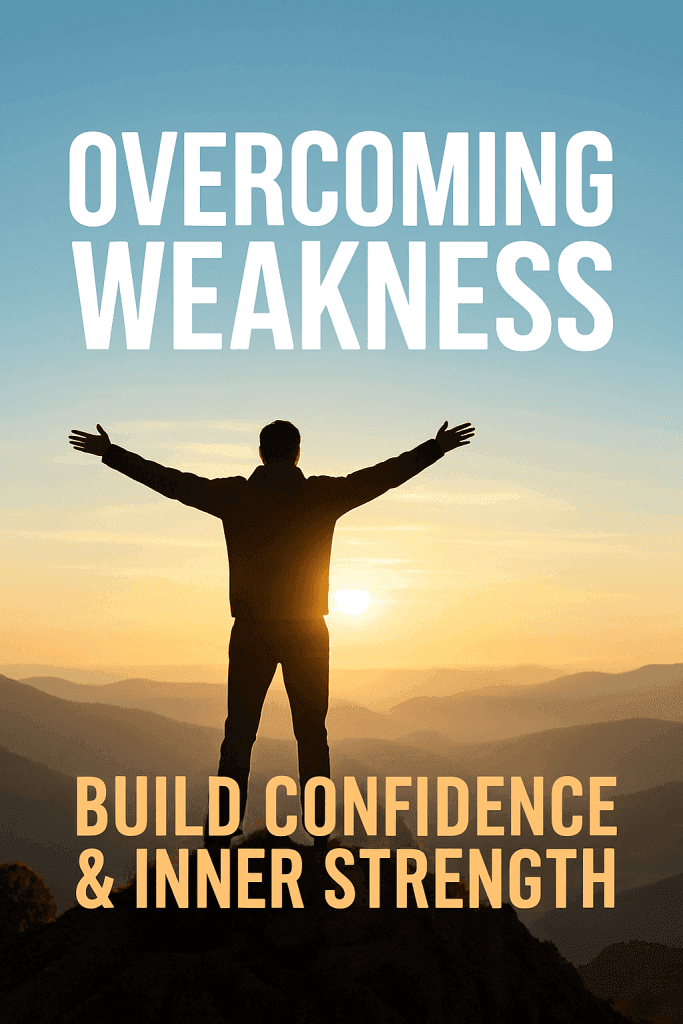
Overcoming weakness requires self-awareness and consistent action. Here are practical steps that can help:
1. Practice Self-Awareness
Start by recognising your mental state. Ask yourself: “Why do I feel weak? What situations trigger my fear?” Self-reflection helps you understand the root cause of weakness. Keeping a journal of your thoughts and emotions can make these patterns clearer.
👉 Tip: Write down one situation daily where you felt doubtful or afraid. Then ask, “Was this fear realistic, or was it only in my mind?”
2. Replace Negative Thinking with Positivity
Weakness thrives on negative self-talk. Phrases like “I can’t do this” or “I’ll fail” become mental barriers. Replace them with positive affirmations: “I am capable of learning and improving” or “Every failure teaches me something valuable.”
👉 Example: Before a presentation, instead of thinking, “What if I forget my points?” say, “I am prepared and confident. I will do my best.” Practising affirmations for career success can also reshape your mindset.
3. Start Small and Build Momentum
Don’t aim for massive achievements immediately. Begin with small, achievable goals. Each success boosts confidence. For example, if you fear public speaking, start by speaking to a small group of friends before addressing larger audiences.
👉 Tip: Break big goals into smaller steps. Completing each step will give you a sense of accomplishment.
4. Surround Yourself with Positive Influences
Weakness grows when you are surrounded by negativity. Build a circle of supportive friends, mentors, or family members who encourage your growth.
👉 Example: If you want to overcome fear of failure in your career, connect with colleagues who motivate you to take on new challenges instead of those who discourage risk-taking.
5. Develop Consistency and Discipline
One major characteristic of weakness is inconsistency. To overcome this, practice discipline. Set daily routines and stick to them. Even simple actions like waking up early, exercising, or reading regularly can build inner strength.
👉 Tip: Use a planner or digital app to track your daily habits and progress.
6. Accept Failures as Learning Opportunities
Failure is not the opposite of success—it is part of the journey. Instead of seeing failure as proof of weakness, view it as feedback. Each mistake teaches you what to improve.
👉 Example: Thomas Edison, while inventing the light bulb, failed thousands of times. Instead of giving up, he said, “I have not failed. I’ve just found 10,000 ways that won’t work.” This growth mindset is essential for personal growth.
7. Seek Professional Guidance if Needed
Sometimes, weakness is deeply rooted and requires external support. Counselling or therapy can help individuals manage anxiety, build coping strategies, and improve self-confidence.
👉 Tip: If self-doubt significantly affects your daily life, do not hesitate to seek professional help. It is not a sign of weakness but a step toward strength.
Conclusion
Overcoming weakness is not about eliminating flaws but about building the courage to face them. Weakness is a temporary state shaped by fear, doubt, and lack of self-belief. With self-awareness, positive thinking, small steps, supportive environments, and persistence, anyone can rise above it. Remember, every confident person was once unsure of themselves—the difference is that they chose to challenge their weakness and grow stronger.
Your true potential lies not in avoiding weakness but in learning to overcome it.
What steps are you taking today toward overcoming weakness and building the self-confidence you deserve?
FAQs on Overcoming Weakness
1. What does overcoming weakness really mean?
Overcoming weakness is not about becoming physically stronger—it means defeating self-doubt, fear, and lack of confidence. It is about developing inner strength, emotional stability, and the courage to take on challenges.
2. Can weakness be permanent?
No, weakness is not a permanent trait. It develops due to negative experiences, fear, or lack of encouragement. With self-awareness, positive thinking, and consistent effort, anyone can overcome weakness.
3. How can I start overcoming weakness in daily life?
Start small. Set achievable goals, replace negative thoughts with positive affirmations, and celebrate little victories. Surround yourself with supportive people and slowly build the confidence to take on bigger challenges.
4. What are the common signs of weakness in a person?
Some common signs include fear of failure, social withdrawal, hesitation in expressing opinions, emotional overreaction, inconsistency in goals, and overdependence on others for decisions.
5. Can a professional assist in overcoming weakness?
Yes, therapy and counselling can play a big role in overcoming weakness. A mental health professional can help you manage anxiety, handle self-doubt, and develop effective strategies for building long-term confidence.
PVM

Mathukutty P V is a Blogger, YouTuber, and Content Writer and the founder of Simply Life Tips. After taking voluntary retirement in 2017, he embraced a free lifestyle focused on learning, personal growth, and sharing practical wisdom to help others live with more purpose and positivity.