
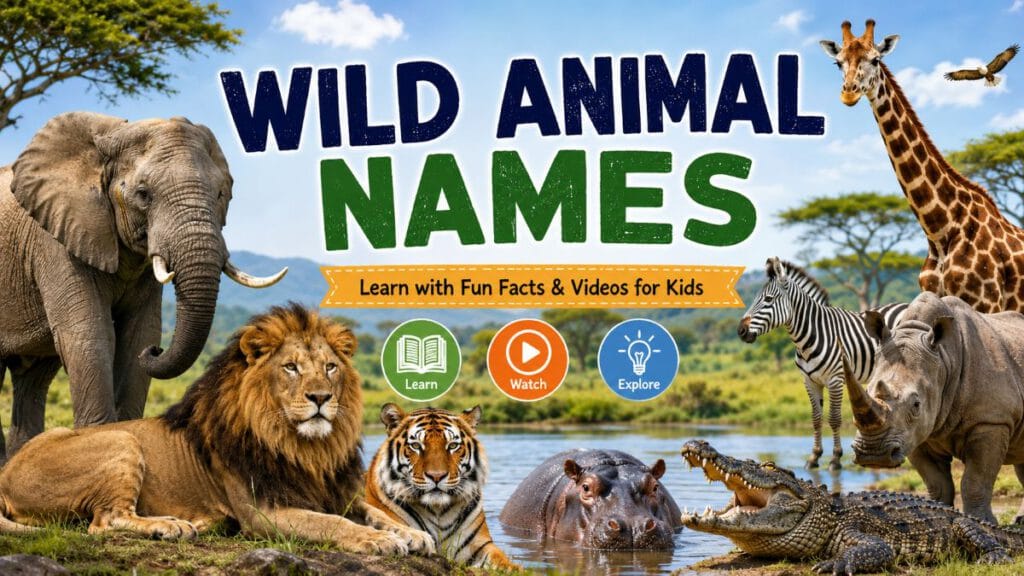
Learning wild animal names is one of the most enjoyable ways for children to discover the amazing world of nature. From the powerful lion to the speedy cheetah, wild animals are fascinating because they live freely in forests, grasslands, deserts, rivers, and other natural habitats. This guide introduces some of the most popular wild animals with simple facts, colorful pictures, and an educational video to make learning fun for preschoolers, kindergarten children, and young learners.
Wild animals are different from pets and farm animals because they survive on their own in the wild. They find their own food, build or choose their own shelters, and adapt to different environments without human care. By learning their names and characteristics, children can develop curiosity about wildlife, understand the importance of protecting nature, and appreciate the incredible diversity of animals on Earth.
Whether you’re a parent, teacher, or student, this guide will help you learn wild animal names easily and enjoyably.
What Are Wild Animals?
Wild animals are animals that live in nature without being tamed or cared for by humans. They can be found in forests, jungles, grasslands, mountains, deserts, rivers, oceans, and wetlands around the world. Every wild animal has a unique habitat where it finds food, water, shelter, and protection.
Unlike domestic animals such as dogs, cats, cows, and goats, wild animals are naturally adapted to survive on their own. Some are excellent hunters, while others rely on speed, camouflage, or living in groups to stay safe from predators.
Children often see wild animals in zoos, wildlife sanctuaries, nature documentaries, or educational videos. Learning about these animals helps them understand ecosystems, conservation, and the importance of protecting wildlife for future generations.
Wild Animal Names List
Here are some of the most common wild animal names that children should know:
- Lion
- Tiger
- Elephant
- Giraffe
- Zebra
- Rhinoceros (Rhino)
- Hippopotamus
- Crocodile
- Cheetah
Each of these animals has unique features that make it special. Let’s learn more about them.
Lion
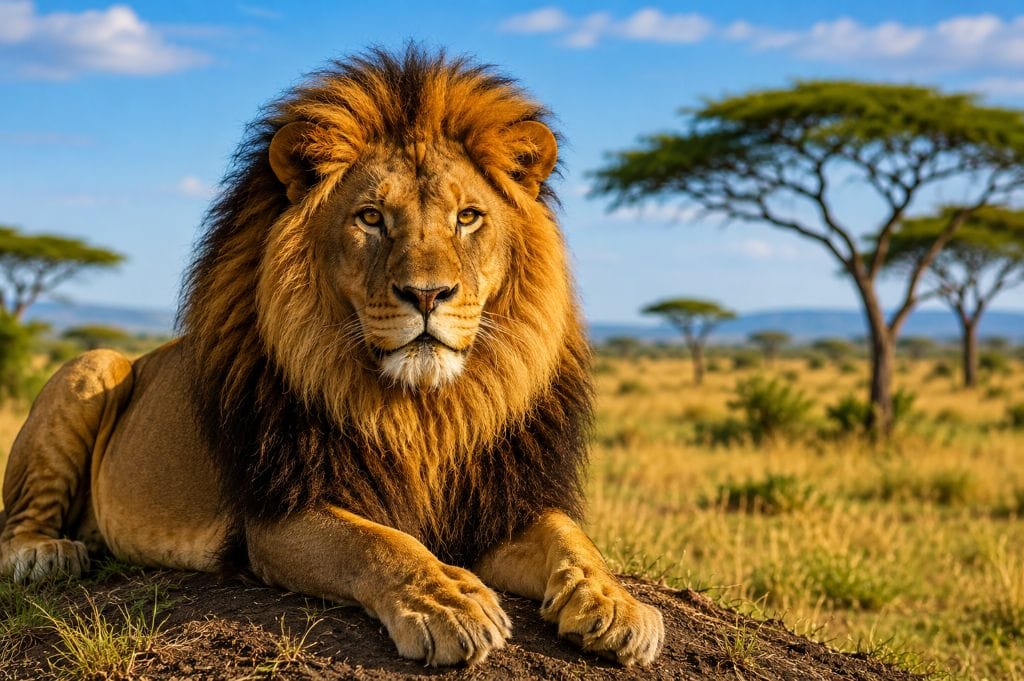
The lion is one of the most famous wild animals in the world and is often called the “King of the Jungle.” In reality, lions mostly live in open grasslands and savannas rather than dense jungles. They are powerful predators that live in family groups called prides, which usually include several females, their cubs, and a few adult males.
Male lions are easy to recognize by their thick manes, which make them appear larger and help protect their necks during fights. Lions spend much of the day resting and become more active in the evening and at night when they hunt. Lionesses usually work together to catch prey, showing excellent teamwork.
- Scientific Name: Panthera leo
- Habitat: Grasslands and savannas of Africa, with a small population in India.
- Diet: Carnivore (meat eater)
- Average Lifespan: 10–14 years in the wild
- Interesting Fact: A lion’s roar can be heard up to 8 kilometres (5 miles) away.
- Conservation Status: Vulnerable
Tiger
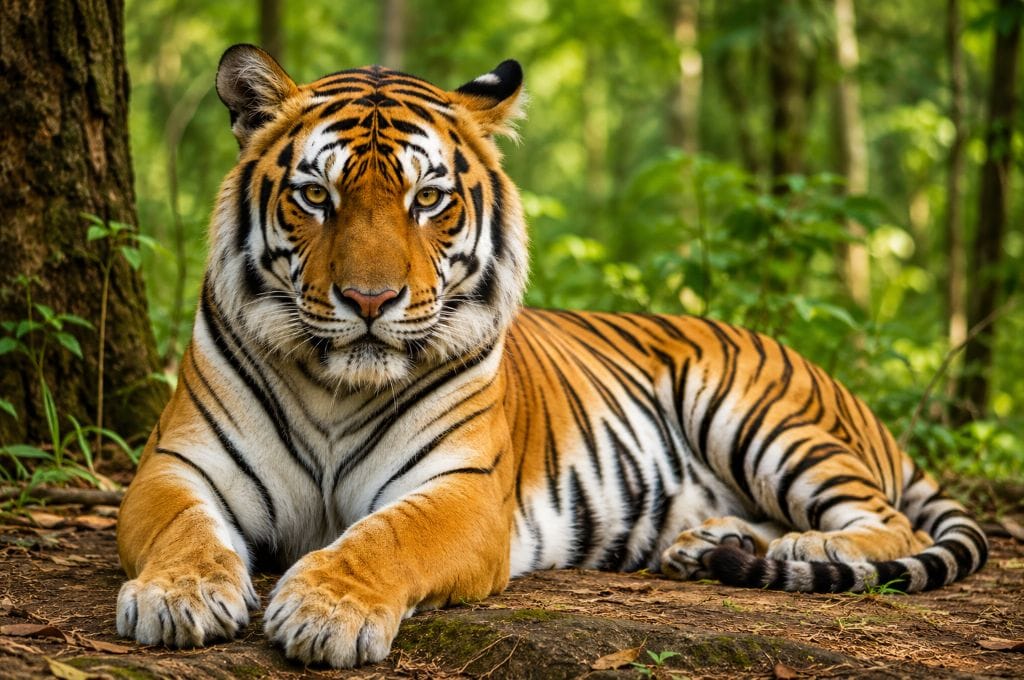
The tiger is the largest member of the cat family and is admired for its strength, beauty, and striking orange coat with black stripes. Every tiger has a unique stripe pattern, making each one different from another. These stripes help the tiger blend into tall grass and forests while hunting.
Unlike lions, tigers usually live and hunt alone. They are excellent swimmers and often cool themselves in rivers or lakes during hot weather. Tigers rely on stealth, patience, and powerful muscles to catch prey such as deer and wild boar.
- Scientific Name: Panthera tigris
- Habitat: Forests, mangroves, grasslands, and wetlands across Asia.
- Diet: Carnivore
- Average Lifespan: 10–15 years in the wild
- Interesting Fact: No two tigers have the same stripe pattern.
- Conservation Status: Endangered
Elephant
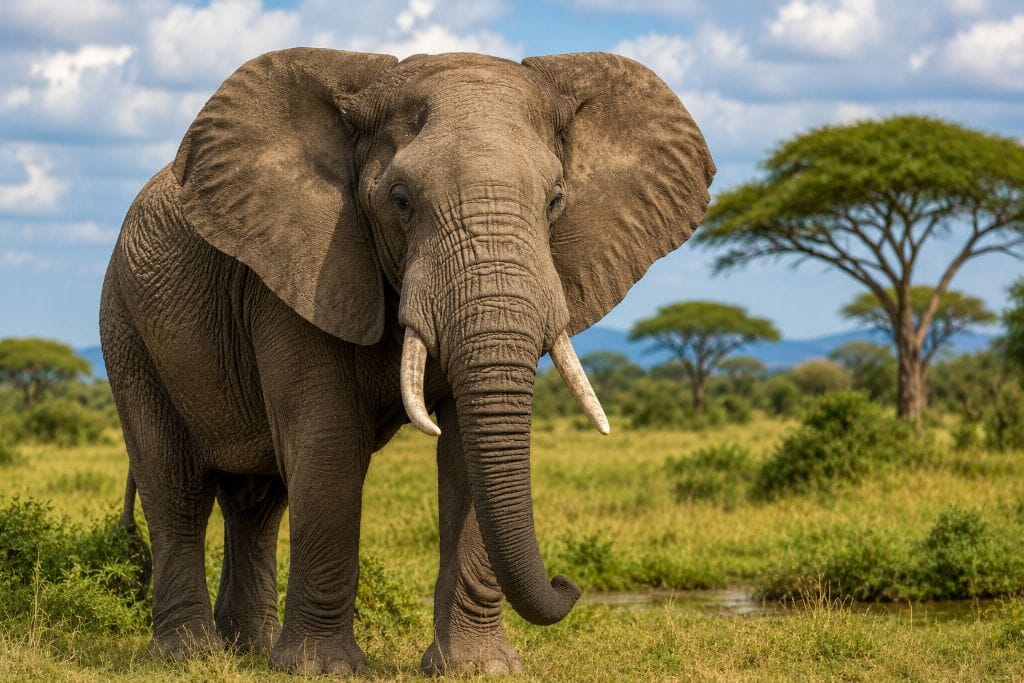
The elephant is the largest land animal on Earth. It is well known for its long trunk, large ears, and impressive tusks. Elephants are highly intelligent and social animals that live in close family groups led by an experienced female called the matriarch.
An elephant’s trunk is one of the most versatile body parts in the animal kingdom. It can be used for breathing, smelling, drinking water, picking up food, spraying mud for protection, and even greeting other elephants. Their excellent memory and strong family bonds make them one of the most fascinating wild animals.
- Scientific Name: Loxodonta (African elephant) / Elephas maximus (Asian elephant)
- Habitat: Forests, grasslands, and savannas
- Diet: Herbivore (plant eater)
- Average Lifespan: 60–70 years
- Interesting Fact: An adult elephant can eat more than 100 kilograms of food every day.
- Conservation Status: Endangered (Asian) / Endangered to Critically Endangered depending on African species
Giraffe
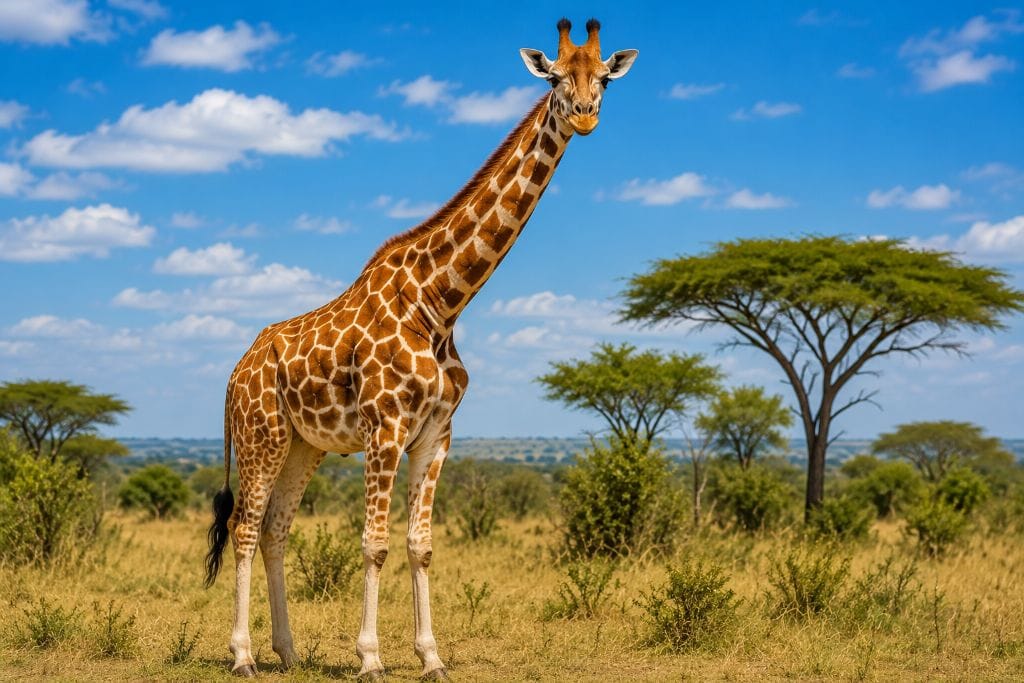
The giraffe is the tallest land animal in the world, easily recognized by its incredibly long neck and beautiful spotted coat. Its height allows it to reach fresh leaves high in trees, especially acacia trees, where many other animals cannot feed.
Despite having such a long neck, a giraffe has only seven neck bones, the same number as humans. Its long, dark tongue helps it pull leaves from thorny branches without getting hurt. Giraffes are peaceful animals that often travel in loose groups called towers.
- Scientific Name: Giraffa camelopardalis
- Habitat: African savannas and open woodlands
- Diet: Herbivore
- Average Lifespan: 20–25 years
- Interesting Fact: A giraffe’s tongue can grow up to 45 centimetres (18 inches) long.
- Conservation Status: Vulnerable
Zebra
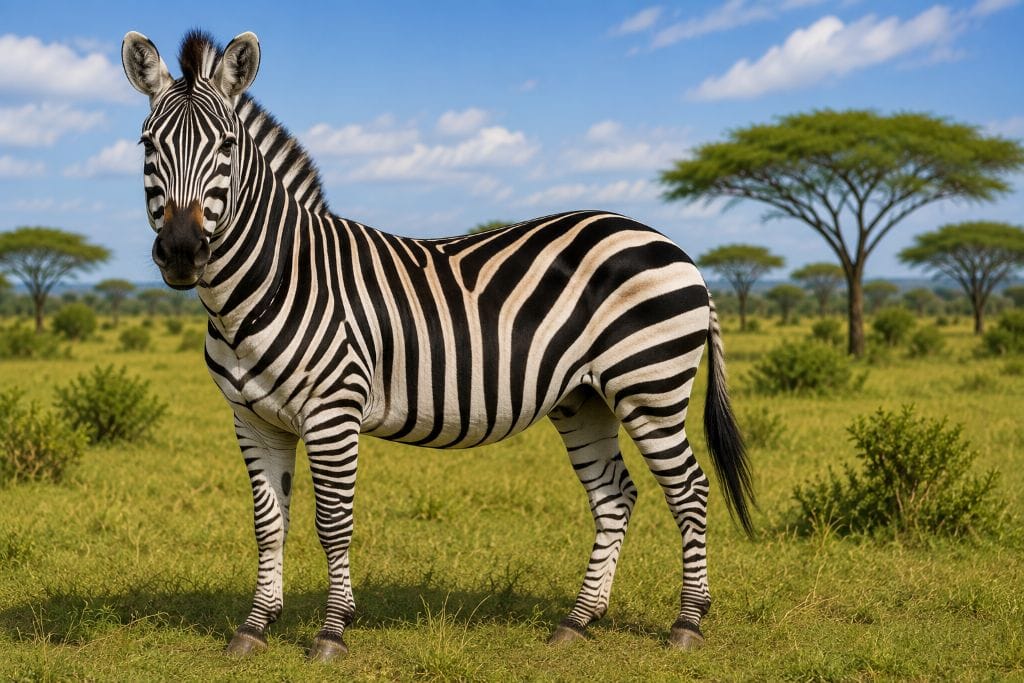
The zebra is one of Africa’s most recognizable wild animals because of its striking black-and-white stripes. Scientists believe these stripes help confuse predators, regulate body temperature, and reduce insect bites. Just like human fingerprints, every zebra has a unique stripe pattern.
Zebras are social animals that live in herds for protection. They often graze alongside other animals, such as wildebeest and antelope, helping each other stay alert for predators like lions and hyenas.
- Scientific Name: Equus quagga (Plains zebra)
- Habitat: Grasslands, savannas, and open woodlands
- Diet: Herbivore
- Average Lifespan: 20–30 years
- Interesting Fact: No two zebras have identical stripe patterns.
- Conservation Status: Varies by species (Least Concern to Endangered)
Rhinoceros (Rhino)
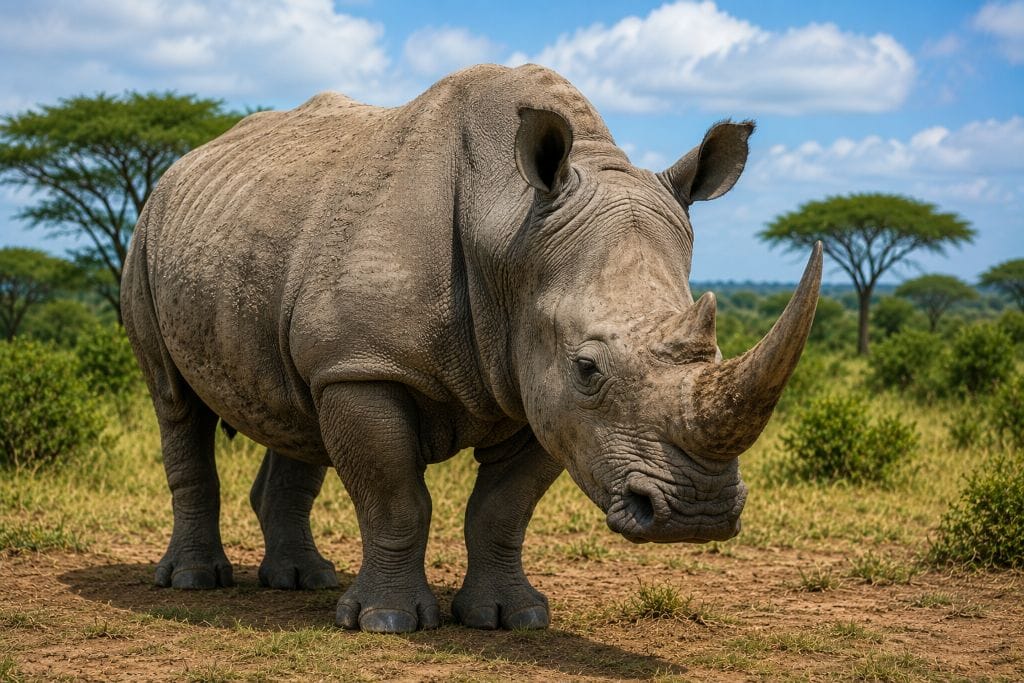
The rhinoceros, commonly called a rhino, is one of the largest and strongest wild animals in the world. Rhinos are easy to recognize by the horn on their nose and their thick, armor-like skin. Although they look fierce, they are usually calm animals that prefer to stay away from danger. Rhinos spend most of their day grazing or resting and are most active during the cooler hours.
There are five species of rhinoceros living in Africa and Asia. Sadly, rhinos are threatened by habitat loss and illegal poaching for their horns. Many wildlife organizations work hard to protect these magnificent animals so future generations can continue to see them in the wild.
- Scientific Name: Rhinocerotidae (family)
- Habitat: Grasslands, savannas, forests, and wetlands in Africa and Asia
- Diet: Herbivore (grass, leaves, shoots, fruits, and branches)
- Average Lifespan: 35–50 years
- Interesting Fact: A rhino’s horn is made of keratin, the same material found in human hair and fingernails.
- Conservation Status: Varies by species, from Vulnerable to Critically Endangered
Hippopotamus
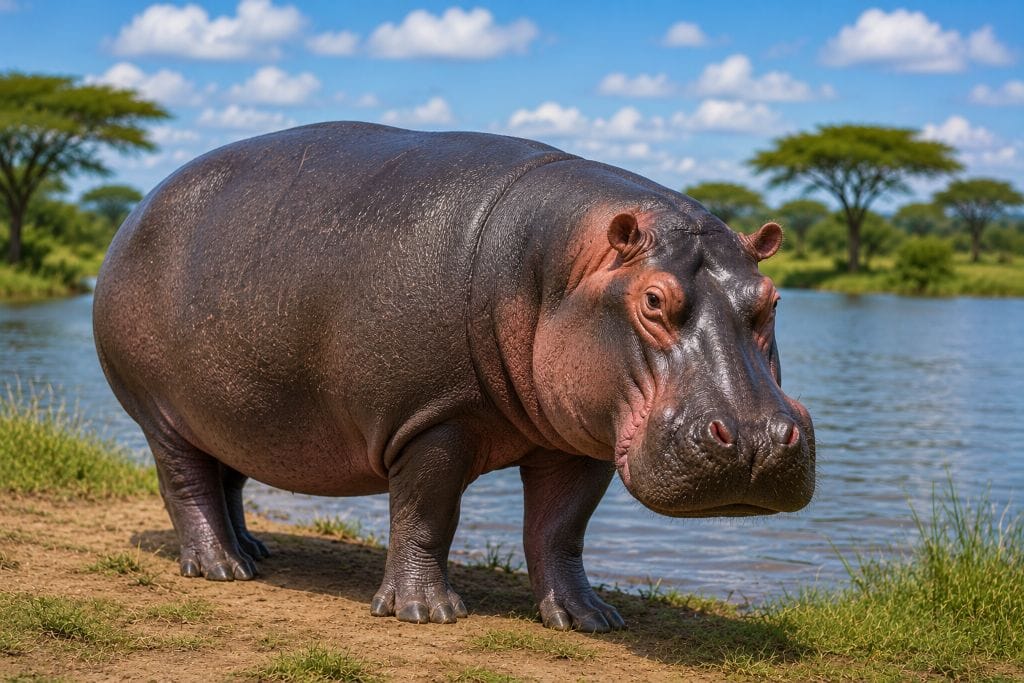
The hippopotamus, often called a hippo, is one of the largest mammals on Earth. Hippos spend most of their time in rivers, lakes, and wetlands to stay cool during the day. Their eyes, ears, and nostrils are positioned on top of their heads, allowing them to breathe and watch their surroundings while almost completely underwater.
At night, hippos leave the water to graze on grass. Although they may appear slow, they can run surprisingly fast over short distances. Hippos are highly protective of their territory and young, making them one of Africa’s most respected wild animals.
- Scientific Name: Hippopotamus amphibius
- Habitat: Rivers, lakes, and wetlands in sub-Saharan Africa
- Diet: Herbivore (mainly grass)
- Average Lifespan: 40–50 years
- Interesting Fact: Hippos can hold their breath underwater for about five minutes before surfacing.
- Conservation Status: Vulnerable
Crocodile
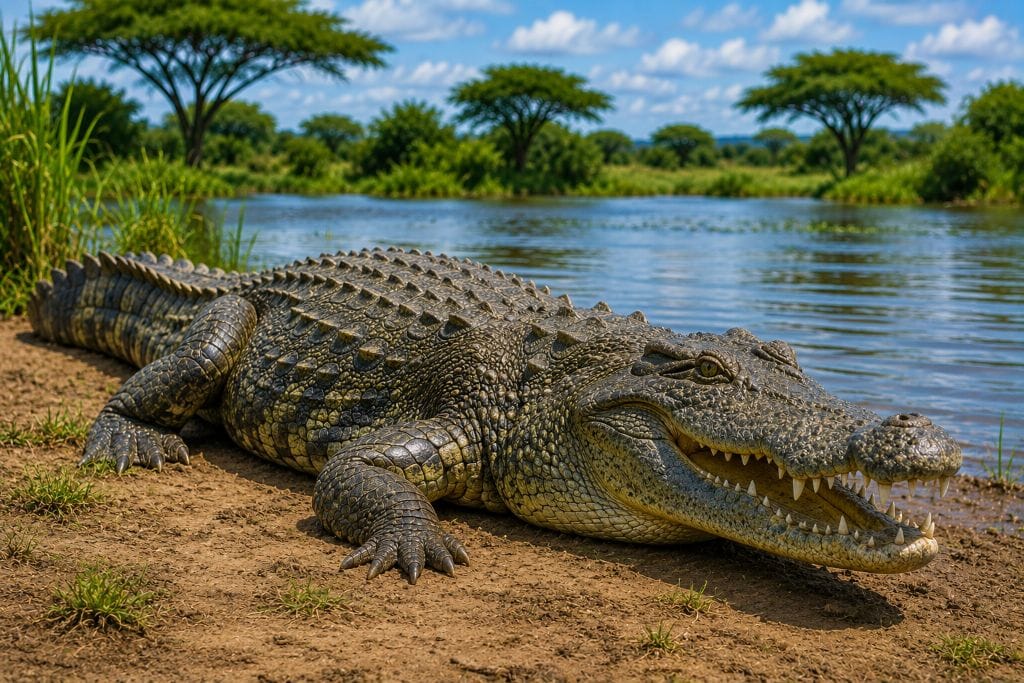
The crocodile is one of the oldest reptiles on Earth, with ancestors that lived alongside dinosaurs millions of years ago. Crocodiles are powerful predators that spend much of their lives in rivers, lakes, swamps, and coastal wetlands. Their strong tails help them swim quickly, while their sharp teeth and powerful jaws make them skilled hunters.
Crocodiles often remain still for long periods, waiting patiently for the right moment to catch fish, birds, or other animals. Even when their mouths are open, they are usually cooling their bodies rather than preparing to attack.
- Scientific Name: Crocodylidae (family)
- Habitat: Rivers, lakes, marshes, swamps, and coastal areas in tropical regions
- Diet: Carnivore (fish, birds, reptiles, and mammals)
- Average Lifespan: 50–70 years or more
- Interesting Fact: Crocodiles replace their teeth throughout their lives, growing dozens of new teeth as old ones wear out.
- Conservation Status: Varies by species, from Least Concern to Critically Endangered
Cheetah
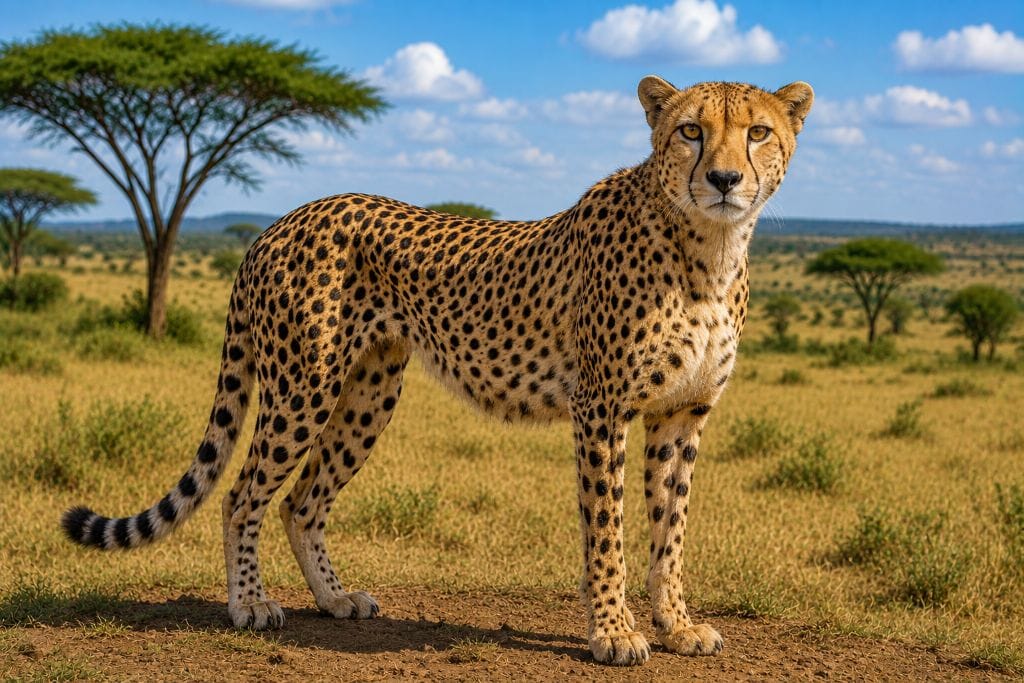
The cheetah is the fastest land animal in the world. Its slim body, long legs, flexible spine, and long tail help it reach incredible speeds while chasing prey. Unlike lions and leopards, cheetahs depend on speed rather than strength to catch food.
Cheetahs usually hunt during the daytime when larger predators are less active. They carefully stalk their prey before sprinting at speeds of up to 120 km/h (75 mph) over short distances. Because running at such high speeds uses a lot of energy, a cheetah must rest after each chase.
- Scientific Name: Acinonyx jubatus
- Habitat: Grasslands, open plains, and savannas in Africa, with a small population in Iran
- Diet: Carnivore (gazelles, antelopes, hares, and small mammals)
- Average Lifespan: 10–12 years in the wild
- Interesting Fact: A cheetah can accelerate from 0 to 96 km/h (60 mph) in just a few seconds.
- Conservation Status: Vulnerable
Wild Animal Videos for Kids
Watching animal videos for kids is an exciting way to learn about wildlife. Videos help children see how wild animals move, eat, play, and interact with their surroundings. They also make it easier to recognize different animals and remember their names.
The educational video below introduces some of the world’s most popular wild animals, including the lion, tiger, elephant, giraffe, zebra, rhinoceros, hippopotamus, crocodile, and cheetah. As you watch, try to identify each animal and notice its unique features.
Watch the video below and see how many wild animals you can name!
What You’ll Learn from This Video
After watching the video, children will be able to:
- Recognize common wild animal names.
- Identify different animal habitats.
- Learn which animals are herbivores and which are carnivores.
- Observe how wild animals move and behave.
- Build vocabulary through fun visual learning.
Learning Activity for Kids
Turn the video into an interactive game by asking these simple questions:
- Can you name the animal on the screen?
- Where does this animal live?
- Is it a herbivore or a carnivore?
- What is its most unique feature?
- Which wild animal did you like the most?
These activities encourage observation, memory, and language development while making learning enjoyable.
Fun Facts About Wild Animals
Wild animals are full of surprises! Here are some amazing facts that children will enjoy learning:
- 🦁 A lion’s roar can be heard from up to 8 kilometres (5 miles) away.
- 🐆 The cheetah is the fastest land animal, reaching speeds of up to 120 km/h (75 mph).
- 🐘 An elephant uses its trunk to breathe, drink water, smell, and pick up food.
- 🦒 A giraffe has a tongue that can grow up to 45 centimetres (18 inches) long.
- 🦓 Every zebra has a unique pattern of black-and-white stripes.
- 🐊 Crocodiles have existed for more than 200 million years.
- 🦛 Hippos spend most of the day in water to keep cool.
- 🦏 A rhinoceros’ horn is made of keratin, the same material found in human hair and fingernails.
- 🐅 Every tiger has a different stripe pattern, just like a human fingerprint.
- 🌍 Wild animals play an important role in keeping ecosystems healthy and balanced
Importance of Wild Animals
Wild animals are an essential part of nature. Every species plays a unique role in maintaining healthy ecosystems. Some animals help control the population of other animals, while others spread seeds, pollinate plants, or keep forests and grasslands in balance. Without wild animals, many ecosystems would struggle to survive.
Wildlife also supports biodiversity, which means having many different kinds of plants, animals, and other living things. A healthy environment benefits not only animals but also people by providing clean air, fresh water, fertile soil, and a stable climate.
Learning about wild animals helps children understand why it is important to respect nature and protect wildlife for future generations.
How Kids Can Help Protect Wild Animals?
Everyone, including children, can help protect wild animals. Small actions can make a big difference in keeping wildlife and their habitats safe.
Here are some simple ways kids can help:
- Respect wild animals by observing them from a safe distance.
- Never feed or disturb wild animals in parks or forests.
- Avoid throwing plastic or other litter into nature.
- Learn about endangered animals and share what you know with family and friends.
- Support wildlife conservation by visiting responsible zoos, wildlife sanctuaries, and national parks.
- Plant trees and help keep your surroundings clean.
- Reduce, reuse, and recycle to protect natural habitats.
By caring for nature today, we can help ensure that wild animals continue to thrive for many years to come.
Wild Animal Names Infographic
Looking for a quick and fun way to remember wild animal names? This infographic highlights some of the world’s most fascinating wild animals, including the lion, tiger, elephant, giraffe, zebra, rhinoceros, hippopotamus, crocodile, and cheetah. It’s a great visual learning resource for children, parents, and teachers who want to explore animal habitats, diets, and interesting facts at a glance.
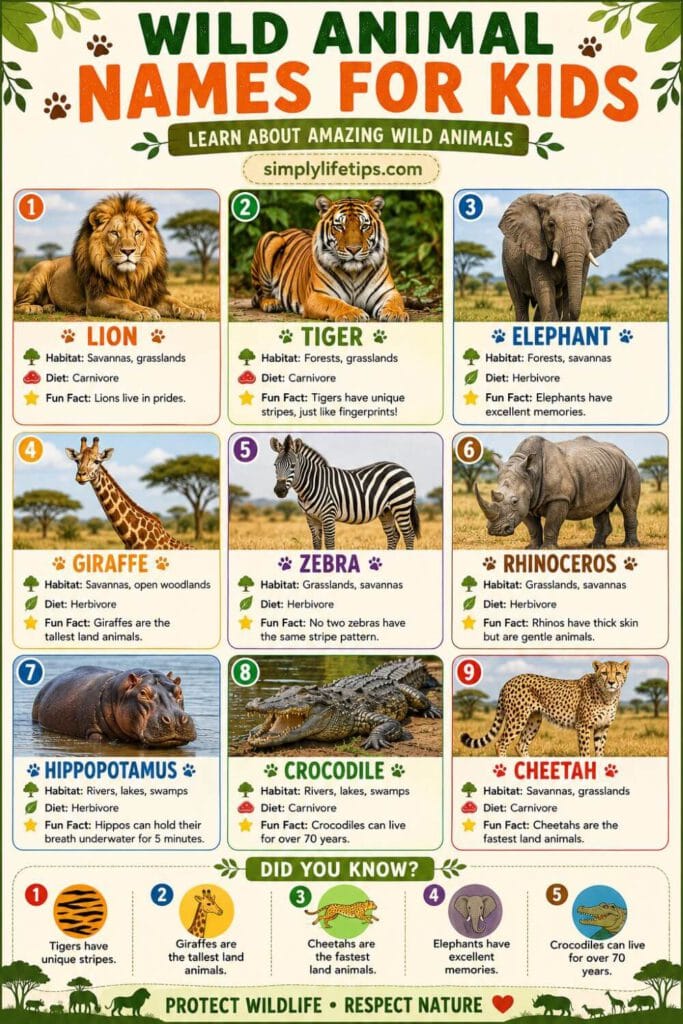
This infographic provides a simple overview of popular wild animals and their unique characteristics. Save it for future reference, share it with young learners, or use it as a classroom resource to make learning about wildlife more engaging. Scroll down to continue reading for detailed information about each animal, along with fun facts and educational videos.
Conclusion
Learning wild animal names is a fun and educational way for children to explore the natural world. From the mighty lion and speedy cheetah to the gentle elephant and towering giraffe, every wild animal has unique characteristics that make it special.
By reading about these amazing animals, looking at their pictures, and watching educational videos, children can improve their vocabulary, discover different habitats, and develop a lifelong appreciation for wildlife. Understanding the importance of protecting wild animals also teaches valuable lessons about kindness, responsibility, and caring for our planet.
Keep exploring nature, continue learning about different animals, and remember that every wild animal plays an important role in maintaining a healthy and balanced ecosystem.
Frequently Asked Questions
What are wild animals?
Wild animals are animals that live in natural habitats such as forests, grasslands, deserts, rivers, and mountains without being domesticated by humans. They find their own food, water, and shelter.
What is the difference between wild animals and domestic animals?
Wild animals live independently in nature, while domestic animals are cared for by people. Dogs, cats, cows, and goats are domestic animals, whereas lions, tigers, elephants, and zebras are wild animals.
Which is the fastest wild animal?
The cheetah is the fastest land animal in the world. It can reach speeds of up to 120 km/h (75 mph) over short distances while chasing its prey.
Why should children learn wild animal names?
Learning wild animal names helps children build vocabulary, improve observation skills, understand different habitats, and develop an interest in wildlife and nature conservation.
Why is it important to protect wild animals?
Wild animals help maintain healthy ecosystems by balancing food chains, spreading seeds, and supporting biodiversity. Protecting wildlife also helps preserve nature for future generations.
References
- International Union for Conservation of Nature (IUCN). The IUCN Red List of Threatened Species.
- National Geographic Kids. Animals.
- World Wildlife Fund (WWF). Wildlife and Species.
- Smithsonian’s National Zoo & Conservation Biology Institute. Animals.
- Encyclopaedia Britannica. Animals.
Recommended for further reading

Mathukutty P V is a Blogger, YouTuber, and Content Writer and the founder of Simply Life Tips. After taking voluntary retirement in 2017, he embraced a free lifestyle focused on learning, personal growth, and sharing practical wisdom to help others live with more purpose and positivity.



