
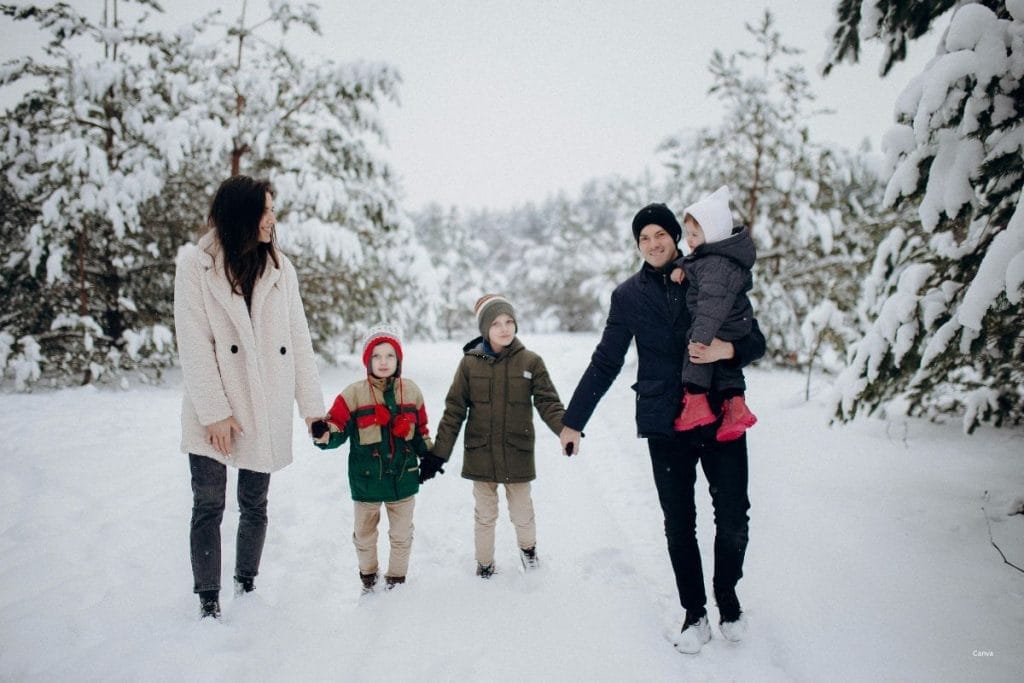
Importance of Holidays for Children and the Emotional Power of Family Traditions
The importance of holidays for children goes far beyond celebration, because repeated family traditions quietly shape emotional regulation, belonging, and identity.
The importance of holidays for children goes far beyond celebration, because repeated family traditions quietly shape emotional regulation, belonging, and identity.

Over-apologising does not make you easier to work with; it quietly tells others that your presence is a burden. This blog shows how to replace apology with calm confidence.

Cutting off parents has become a silent trend in modern families. This blog explores why adult children are cutting off their parents, the cultural forces behind it, and the emotional cost of choosing
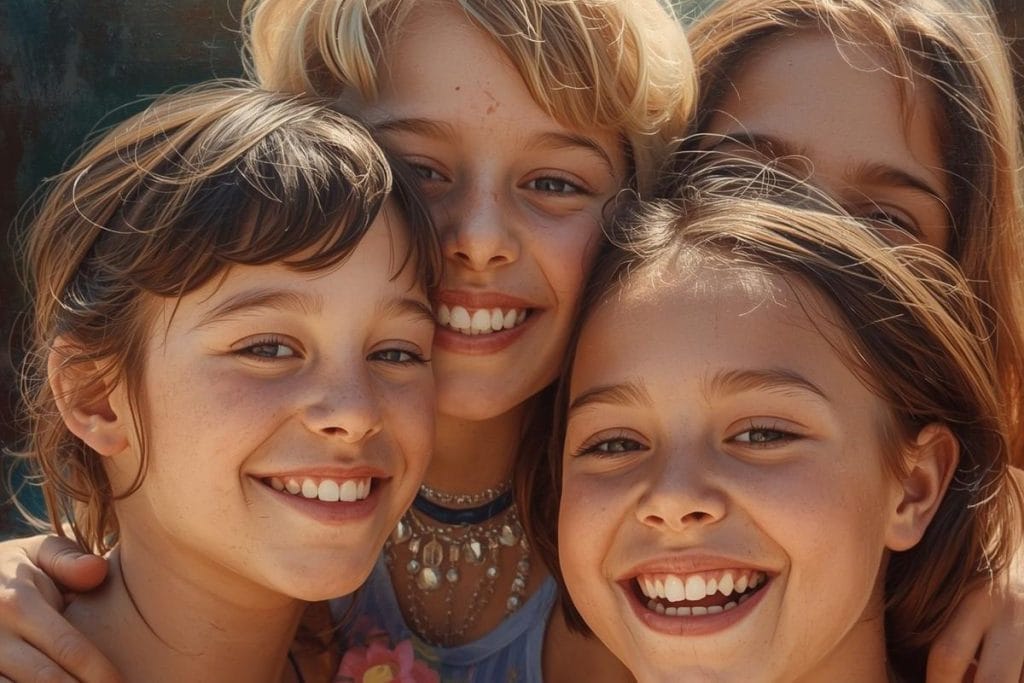
Shared experiences create happiness in children because meaningful moments lived with loved ones become part of their identity, emotional security, and lifelong memories.

Outdoor play for children is essential for healthy brain development, emotional resilience, learning ability, and confidence. A balanced childhood is built outdoors.

Parenting mistakes pushing children away do not happen overnight. This blog explains 12 subtle behaviors that slowly weaken trust, communication, and emotional safety between parents and children, with examples and simple tips.

The power of bedtime stories for children lies in their ability to shape language, calm emotions, and build deep parent-child connections through just a few minutes of daily reading.

Emotional development in children begins through everyday moments of care, connection, and responsiveness. When children feel safe, seen, and supported, their brains build the foundation for emotional balance, trust, and resilience that lasts a lifetime.

Toxic work habits often feel normal because they grow silently inside everyday routines. This detailed blog explains 11 harmful workplace behaviors, why they exist, how they affect people, and what healthier alternatives leaders and teams should adopt.

Perspective changes life not by changing events, but by changing the meaning we give them. The same situation can break or build us depending on how we see it.