

Lifestyle diseases are becoming an important health concern among young Indians. Unhealthy eating habits, physical inactivity, excessive screen time, stress and poor sleep are raising concerns about the long-term health of teenagers and young adults. Conditions once commonly associated with middle age, such as obesity, type 2 diabetes, fatty liver disease and high blood pressure, can also affect younger people.
India is experiencing significant changes in food choices, daily routines, working patterns and recreational activities. Young people have greater access to technology, convenient food delivery and digital entertainment, but many also spend long hours sitting, studying or working.
The concern is not that every young person will develop a chronic disease. Rather, unhealthy habits established early in life can increase the risk of health problems later. Some metabolic conditions can also appear during adolescence or young adulthood.
Understanding lifestyle diseases, their causes and prevention is an important step towards building a healthier generation.
What Are Lifestyle Diseases?
Lifestyle diseases are health conditions associated with behavioural, environmental and other risk factors that influence how people live. The term is commonly used for several noncommunicable diseases (NCDs), which are generally long-lasting and are not spread from person to person.
According to the World Health Organization (WHO), unhealthy diets, physical inactivity, tobacco use and harmful alcohol consumption are important behavioural risk factors for major noncommunicable diseases.
Some lifestyle-related health conditions develop gradually. A person may feel healthy for years without recognising that high blood pressure, elevated blood sugar or abnormal cholesterol levels are developing.
For example, a young professional who regularly eats highly processed food, exercises very little and sleeps irregularly may gradually develop excess abdominal fat and metabolic risk factors.
Lifestyle is not the only cause of these diseases. Genetics, family history, environmental exposure, socioeconomic conditions, age and access to healthcare also influence health.
Lifestyle Diseases: Common Types Affecting Young Indians
Several chronic health conditions deserve attention among India’s younger population. Their risk factors may begin early, even when symptoms are not immediately noticeable.
1. Obesity and Overweight
Obesity and overweight are important public health concerns in India. Excess body fat can increase the risk of type 2 diabetes, high blood pressure, fatty liver disease and cardiovascular problems.
Modern eating habits may contribute to unhealthy weight gain. Frequent consumption of fast food, sugary drinks, packaged snacks and high-calorie meals can make it difficult to maintain a balanced diet.
Physical inactivity is another contributing factor. Many young people spend several hours studying, working, watching videos or using social media.
For example, a college student who regularly skips breakfast, eats fried snacks between classes, orders fast food in the evening and spends most of the day sitting may gradually develop unhealthy eating and activity patterns.
However, body weight alone does not provide a complete picture of metabolic health. Waist circumference, blood pressure, blood glucose, cholesterol and individual medical history may also matter.
2. Type 2 Diabetes and Prediabetes
Type 2 diabetes occurs when the body cannot use insulin effectively or cannot produce enough insulin to maintain normal blood glucose levels.
Although it is often associated with older adults, younger people can also develop type 2 diabetes.
Important risk factors include:
- Family history of diabetes.
- Excess abdominal fat.
- Physical inactivity.
- Unhealthy dietary patterns.
- Insulin resistance.
- Certain genetic and metabolic factors.
Prediabetes refers to blood glucose levels that are higher than normal but do not meet the diagnostic criteria for diabetes. It can increase the future risk of type 2 diabetes.
One challenge is that early diabetes may not cause obvious symptoms.
Some possible warning signs include excessive thirst, frequent urination, unexplained weight loss, tiredness and blurred vision. However, some people have no noticeable symptoms.
Regular medical assessment and appropriate blood glucose testing can help identify problems early.
3. Fatty Liver Disease
Fatty liver disease occurs when excess fat accumulates in the liver.
The condition is now commonly described using the term metabolic dysfunction-associated steatotic liver disease (MASLD) when it is associated with metabolic risk factors.
It can occur in people who are overweight, but it is not limited to them. Some individuals with a normal body mass index may also have metabolic abnormalities and fatty liver.
Risk factors include:
- Insulin resistance.
- Type 2 diabetes.
- Abdominal obesity.
- High triglyceride levels.
- Unhealthy dietary patterns.
- Physical inactivity.
Fatty liver may not produce noticeable symptoms in its early stages. Some people discover it during routine blood tests or abdominal imaging.
A fatty liver diagnosis does not automatically mean that someone has severe liver damage. However, some people can develop inflammation, fibrosis and more serious liver complications.
The National Institute of Diabetes and Digestive and Kidney Diseases (NIDDK) provides further information about fatty liver disease, its risk factors and management.
4. High Blood Pressure
High blood pressure, also called hypertension, occurs when the pressure of blood against artery walls remains consistently elevated.
It is sometimes called a silent condition because many people do not experience noticeable symptoms.
Several factors can contribute to hypertension:
- Excessive salt consumption.
- Physical inactivity.
- Excess body weight.
- Tobacco use.
- Harmful alcohol consumption.
- Family history.
- Certain kidney and hormonal conditions.
Young adults should not assume that hypertension is exclusively an older person’s problem.
High blood pressure that remains uncontrolled can damage blood vessels and increase the risk of heart disease, stroke and kidney problems.
Checking blood pressure periodically, particularly when risk factors are present, is a useful preventive measure.
5. Heart Disease and Cardiovascular Problems
Cardiovascular diseases affect the heart and blood vessels. They include coronary heart disease, heart attacks and strokes.
Several risk factors can begin developing during childhood, adolescence and young adulthood.
These include:
- High blood pressure.
- Diabetes.
- High cholesterol.
- Tobacco use.
- Physical inactivity.
- Unhealthy eating.
- Excess body fat.
A person may not experience cardiovascular symptoms at a young age, but unhealthy risk factors can accumulate over time.
Preventing these problems requires attention to long-term health rather than waiting until symptoms appear.
6. High Cholesterol and Metabolic Disorders
Cholesterol is a fatty substance that the body needs to function. However, unhealthy levels of blood lipids can increase cardiovascular risk.
Dyslipidaemia refers to abnormal levels of cholesterol or other blood fats, including triglycerides.
It may occur alongside obesity, insulin resistance, diabetes and hypertension.
Abnormal cholesterol levels do not always produce noticeable symptoms. A blood test is generally needed to identify the problem.
A balanced diet, regular physical activity and appropriate medical monitoring can help manage these risks.
7. Mental Health Problems
Mental health is an essential part of overall health. Anxiety, depression, chronic stress and emotional exhaustion can affect young people in different ways.
Academic pressure, career uncertainty, financial difficulties, relationship problems and social media comparisons may contribute to emotional stress.
Poor sleep and unhealthy coping habits can further affect mental well-being.
Mental health conditions are not simply lifestyle diseases. They have complex biological, psychological and social causes. However, supportive relationships, physical activity, adequate sleep and timely professional help can contribute to better mental health.
Young people should not hesitate to discuss persistent emotional difficulties with a qualified mental health professional.
Developing emotional wellness is also important for managing everyday challenges and maintaining a healthy balance in life.
Why Are Lifestyle Diseases Increasing Among Young Indians?
Several changes in modern life may contribute to unhealthy patterns and increased metabolic health risks.
1. Increased Consumption of Ultra-Processed Foods
Convenience foods have become increasingly accessible. Food delivery services make it easy to order burgers, pizzas, fried snacks, sugary drinks and other fast foods.
Frequent consumption of foods high in salt, sugar and unhealthy fats can make balanced eating more difficult.
The WHO healthy diet guidelines explain the importance of balanced nutrition and limiting excessive salt, free sugars and unhealthy fats.
Traditional Indian meals containing vegetables, pulses, fruits and whole grains can provide a nutritious alternative.
2. Lack of Physical Activity
Many young Indians spend considerable time sitting in classrooms, offices, vehicles and homes.
Previously, children and teenagers often spent more time playing outdoor games, cycling and walking. Today, digital entertainment and academic routines may leave less time for physical movement.
Insufficient physical activity can contribute to excess weight, poor cardiovascular fitness and metabolic risk.
Walking, cycling, swimming, dancing and playing sports are practical ways to become more active.
3. Excessive Screen Time
Smartphones, computers and social media are important parts of modern life. They support education, communication and entertainment.
However, excessive screen use can displace physical activity, outdoor recreation and sleep.
For example, a student who spends several hours scrolling through social media after school may have less time for exercise, hobbies and relaxation.
The solution is not to avoid technology completely. It is to develop a healthier balance between digital activities and real-world experiences.
4. Poor Sleep Habits
Many young people stay awake late watching videos, playing games or browsing social media.
Irregular sleep schedules and insufficient sleep can affect concentration, mood, appetite regulation and general well-being.
Sleep problems may also make it harder to maintain healthy eating and physical activity routines.
Developing a consistent bedtime, reducing late-night screen use and creating a comfortable sleeping environment can help.
5. Academic and Career Pressure
Students often face pressure to achieve good marks, secure college admissions and build successful careers.
Young professionals may experience demanding workloads, financial responsibilities and job insecurity.
Long-term stress can affect sleep, eating habits and emotional well-being.
Healthy coping strategies include regular exercise, spending time outdoors, maintaining supportive relationships and seeking professional help when stress becomes difficult to manage.
Our article on stress management techniques offers additional ideas for recognising and managing everyday pressures.
6. Changing Family and Social Habits
Family routines can influence the health habits of young people.
When family members regularly consume packaged foods, avoid physical activity or stay awake late, children may adopt similar behaviours.
Parents can encourage healthier routines by preparing balanced meals, participating in outdoor activities and limiting unnecessary screen time.
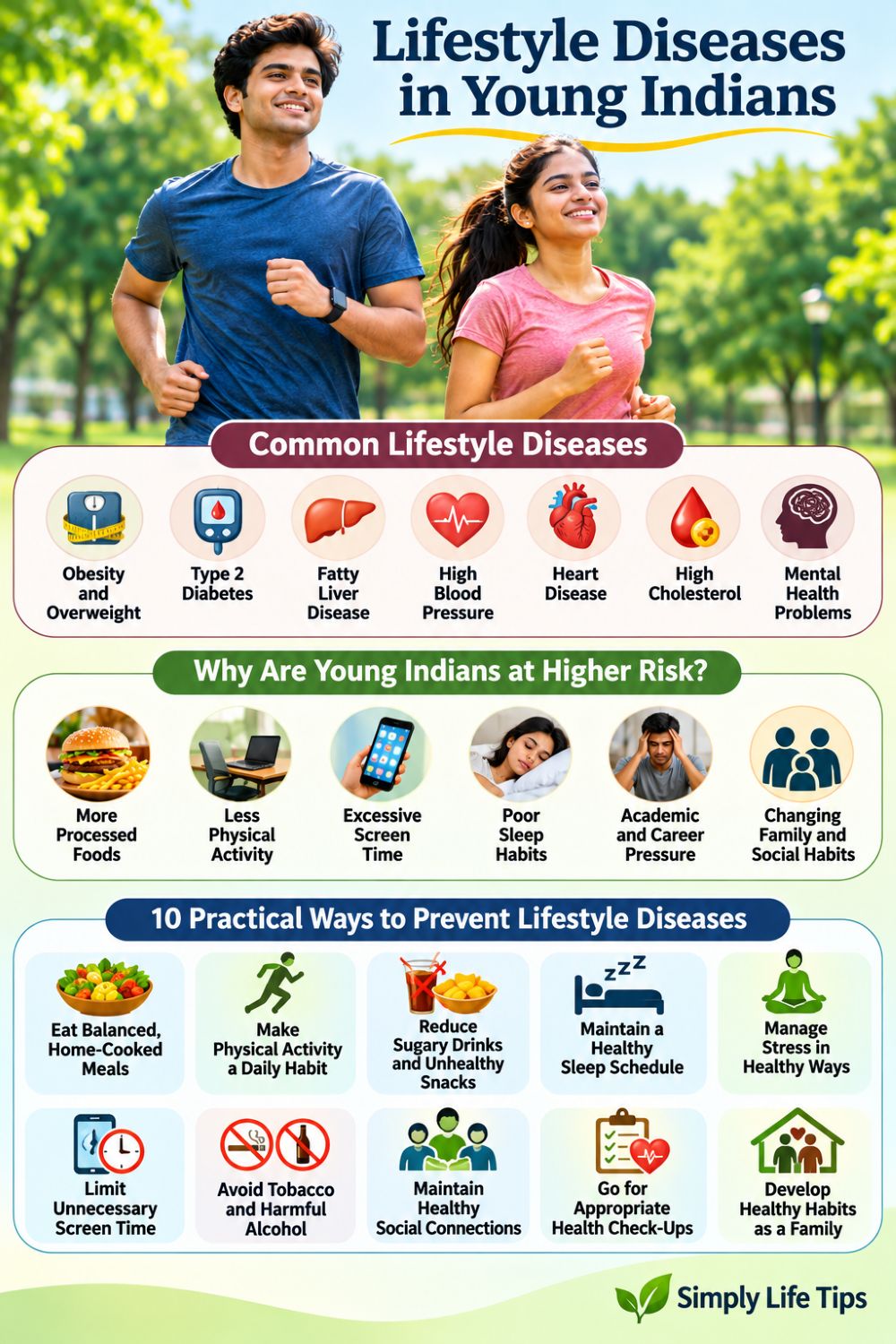
10 Practical Ways to Prevent Lifestyle Diseases
Lifestyle changes cannot prevent every disease, but healthy habits can reduce several important risk factors and support long-term well-being.
1. Eat More Balanced, Home-Cooked Meals
Choose meals that provide a variety of nutrients.
Include:
- Vegetables and fruits.
- Whole grains.
- Pulses and beans.
- Nuts and seeds.
- Milk, curd, eggs, fish or other suitable protein sources.
Traditional Indian meals can be nutritious when prepared with balanced portions and varied ingredients.
For example, rice or chapati with dal, vegetables, curd and a suitable protein source can make a balanced meal.
Try to reduce frequent consumption of packaged snacks, sugary drinks and heavily processed foods.
2. Make Physical Activity Part of Everyday Life
Exercise does not always require a gym membership.
Young people can choose activities they enjoy:
- Walking.
- Cycling.
- Swimming.
- Dancing.
- Yoga.
- Playing football or badminton.
- Strength training.
The WHO recommends that adults aim for 150–300 minutes of moderate-intensity aerobic activity per week. Children and adolescents should average at least 60 minutes of moderate-to-vigorous physical activity daily.
Start gradually if you are currently inactive. Consistency matters more than starting with an intense exercise routine.
3. Reduce Sugary Drinks and Unhealthy Snacks
Sugary beverages, packaged snacks and frequent fried foods can add considerable calories without providing balanced nutrition.
Choose water more often and include whole fruits instead of relying on fruit-flavoured drinks.
You do not have to avoid every favourite food. Focus on frequency, portions and overall dietary balance.
4. Maintain a Healthy Sleep Schedule
Sleep supports physical recovery, emotional regulation and everyday functioning.
Most adults need at least seven hours of sleep each night. Teenagers generally need more.
Useful habits include:
- Maintain regular sleeping and waking times.
- Reduce screen use before bedtime.
- Avoid excessive caffeine late in the day.
- Keep the bedroom comfortable.
- Follow a relaxing bedtime routine.
5. Manage Stress in Healthy Ways
Stress cannot always be avoided, but healthy coping strategies can help.
Try:
- Walking outdoors.
- Practising yoga or meditation.
- Listening to music.
- Spending time with family and friends.
- Pursuing hobbies.
- Taking regular breaks from work and study.
If stress, anxiety or sadness persists and interferes with daily life, seek professional support.
Practising emotional wellness strategies can also help people develop healthier ways to manage everyday stress.
6. Limit Unnecessary Screen Time
Technology is useful, but continuous screen use can interfere with sleep, movement and personal relationships.
Set practical limits on entertainment-related screen time.
For example, take movement breaks during study sessions, avoid unnecessary phone use during meals and spend some time outdoors every day.
7. Avoid Tobacco and Harmful Alcohol Consumption
Tobacco use increases the risk of several serious diseases, including cancer, cardiovascular disease and chronic respiratory conditions.
Avoid smoking and smokeless tobacco.
Alcohol also carries health risks. Avoiding alcohol is the safest option for health.
8. Maintain Healthy Social Connections
Good relationships can support emotional well-being.
Spend time with friends, participate in community activities and maintain meaningful family connections.
Young people should also learn to avoid constantly comparing their lives with carefully selected images and achievements shared on social media.
9. Go for Appropriate Health Check-Ups
Many chronic conditions develop without obvious symptoms.
Depending on age, family history and individual risk, healthcare professionals may recommend monitoring:
- Blood pressure.
- Blood glucose.
- Cholesterol.
- Body weight and waist circumference.
- Other tests when clinically indicated.
Do not assume that everyone needs the same tests or screening schedule. A doctor can recommend appropriate assessments.
Regular check-ups and early identification of health risks are important parts of preventive healthcare.
10. Develop Healthy Habits as a Family
Healthy living becomes easier when the whole family participates.
Parents can encourage children to:
- Eat meals together.
- Play outdoor games.
- Walk or cycle when practical.
- Reduce excessive screen use.
- Follow regular sleep routines.
- Discuss health concerns without fear or embarrassment.
Families can make healthy living easier by following healthy habits for a better life together.
A supportive family environment is more effective than criticising young people about their weight or appearance.
The Role of Parents, Schools and Society
Preventing lifestyle diseases among young Indians should not be treated as an individual responsibility alone. Families, schools, colleges, workplaces and communities all have a role to play.
Parents Can Encourage Healthy Habits
Parents influence children’s food choices, daily routines and attitudes towards health.
They can encourage healthy habits by:
- Preparing balanced meals at home.
- Encouraging outdoor games and physical activity.
- Limiting excessive recreational screen time.
- Maintaining regular family meal times.
- Supporting adequate sleep.
- Avoiding negative comments about body weight and appearance.
For example, instead of asking a teenager to exercise alone, parents can organise family walks, cycling trips or weekend outdoor activities.
Schools and Colleges Can Promote Health Awareness
Educational institutions can help young people understand the importance of preventive healthcare.
They can:
- Provide opportunities for sports and physical education.
- Encourage nutritious food choices.
- Conduct health awareness programmes.
- Teach students about diabetes, obesity and other NCDs.
- Promote mental health awareness.
- Help students recognise when professional healthcare is needed.
Health education should be part of everyday learning, not limited to occasional awareness events.
Society Should Make Healthy Choices Easier
Communities can support healthier living by providing safe walking paths, playgrounds, cycling facilities and accessible recreational spaces.
Public awareness campaigns can also encourage people to reduce tobacco use, improve food choices and seek timely medical care.
When Should Young People Seek Medical Advice?
Many lifestyle-related conditions develop gradually. Waiting until symptoms become severe can delay diagnosis and treatment.
Young people should consider medical advice when they experience:
- Unexplained weight gain or loss.
- Persistent tiredness.
- Excessive thirst or frequent urination.
- Repeated headaches or concerns about blood pressure.
- Unusual changes in appetite.
- Persistent sleep difficulties.
- Ongoing anxiety, sadness or emotional distress.
People with a family history of diabetes, hypertension or cardiovascular disease may also benefit from discussing preventive screening with their doctors.
Remember that these symptoms can have several causes. They do not automatically indicate a lifestyle disease.
Sudden chest pain, severe breathing difficulty, facial drooping, weakness on one side of the body or difficulty speaking require immediate emergency medical attention.
Conclusion
Lifestyle diseases are an important public health concern, and their risk factors can develop much earlier than many people realise. Unhealthy eating, physical inactivity, insufficient sleep and chronic stress can contribute to long-term health problems.
However, young people do not need to follow extreme diets, spend hours in the gym or give up everything they enjoy to protect their health.
Small, consistent changes can make a meaningful difference. Eating balanced meals, staying physically active, sleeping well, managing stress and going for appropriate health check-ups are practical ways to support long-term well-being.
Parents, schools and communities must also create environments that make healthy choices easier.
Young Indians deserve to enjoy their teenage years and twenties, pursue their ambitions and create wonderful memories while taking care of their health.
A healthier future begins with the habits we develop today. Are we doing enough to protect the health of the next generation?
Frequently Asked Questions (FAQs)
1. What are the most common lifestyle diseases in India?
Some important lifestyle-related noncommunicable diseases in India include type 2 diabetes, obesity, hypertension, cardiovascular diseases and metabolic dysfunction-associated fatty liver disease. Their prevalence and risk vary across age groups and populations.
2. Why are lifestyle diseases increasing among young Indians?
Changing dietary patterns, physical inactivity, excessive screen time, insufficient sleep and stress may contribute to increased health risks. Genetic, environmental and socioeconomic factors also influence the development of these conditions.
3. Can young people develop diabetes and high blood pressure?
Yes. Type 2 diabetes and hypertension can develop in young adults and, in some cases, adolescents. Family history, metabolic risk factors and other medical conditions can influence the likelihood of developing them.
4. How can teenagers prevent lifestyle diseases?
Teenagers can support their health by eating balanced meals, participating in daily physical activity, getting sufficient sleep, reducing excessive screen time and avoiding tobacco. Parents should encourage healthy habits without promoting restrictive diets or unhealthy weight-loss practices.
5. Are lifestyle diseases preventable?
Not every lifestyle-related disease can be prevented. However, healthy dietary patterns, regular physical activity, avoiding tobacco, appropriate medical screening and early treatment can reduce several important health risks.
References and Further Reading
- NAMS Task Force Report on Obesity and Lifestyle Diseases in India (2024) – India-specific overview of obesity and lifestyle-related health concerns.
- ICMR-INDIAB National Study – The Lancet (2023) – Research on diabetes and metabolic disease in India.
- Indian Academy of Paediatrics – Obesity Guidelines (2023) – Guidance on childhood and adolescent obesity.
- ICMR-NIN – Dietary Guidelines for Indians (2024) – Evidence-based Indian nutrition recommendations.
- National Health Mission – Adolescent Health – Information about adolescent health programmes in India.
Disclaimer
This article is intended for general educational and informational purposes. It is not a substitute for professional medical advice, diagnosis or treatment. Consult a qualified healthcare professional if you have health concerns or need individual medical guidance.

Mathukutty P. V. is the founder of Simply Life Tips. He shares practical advice and useful insights on personal growth, health, well-being, technology, and everyday living. His goal is to help readers build positive habits and make informed decisions. He believes in continuous learning and sharing knowledge to help people live healthier, happier, and more meaningful lives.