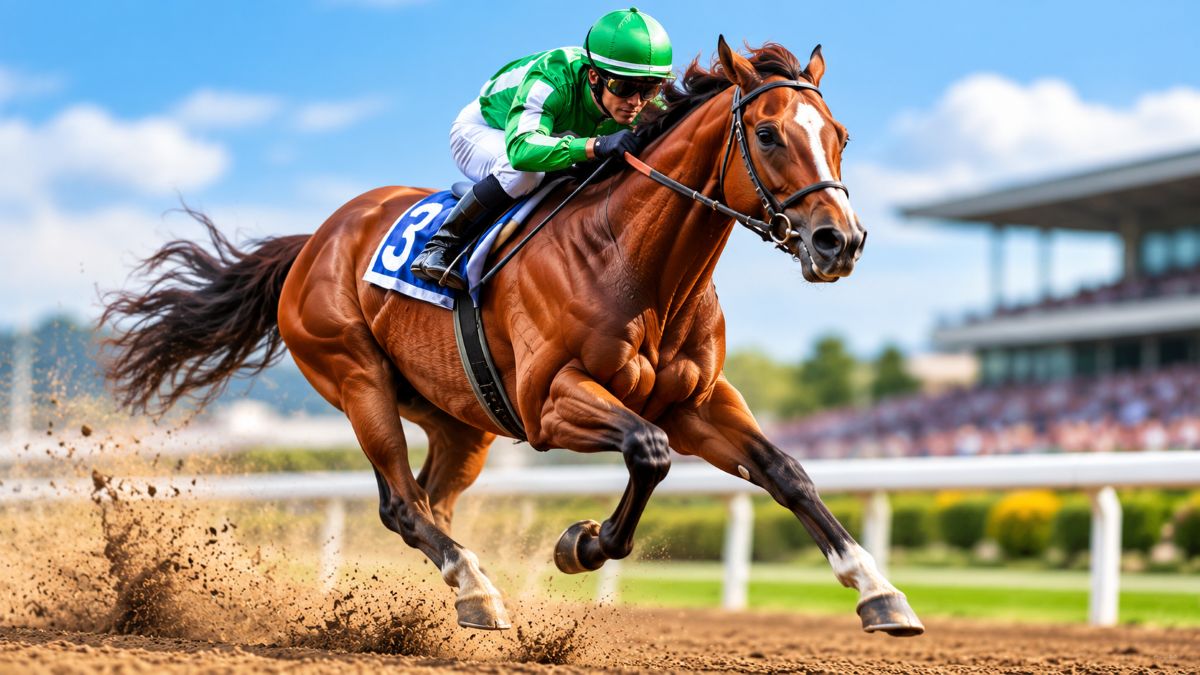
Horses are remarkable athletes, combining speed, strength, and stamina in ways that make them stand out in the animal kingdom. The fastest horses in the world excel in different disciplines, from high-speed racetrack competitions to demanding endurance events. Thoroughbreds are renowned for their racing performance, while Arabian horses are valued for their stamina over long distances. In this article, we explore nine horse breeds and their distinctive abilities, highlighting how speed, agility, and endurance vary across the equine world.
Horses are part of the diverse group of hoofed animals, with adaptations that support movement and life in different environments.
Fastest Horses In The World

Different horse breeds are known for different combinations of speed, stamina, and agility. Thoroughbreds are renowned for their performance in flat racing, while American Quarter Horses excel at short-distance sprints. The Akhal-Teke is admired for its athletic build and endurance, and Arabian horses are particularly well suited to long-distance riding. Other breeds, including the Mustang, Appaloosa, and Standardbred, offer their own strengths in racing, riding, and other equestrian activities. A horse’s actual speed depends on factors such as its individual ability, training, distance, and racing conditions.
9 Fastest Horses In The World
When comparing the fastest horses in the world, it is important to consider both top speed and endurance. Some breeds excel in short sprints, while others are better suited to long-distance riding and demanding equestrian events. Each of these breeds has distinct qualities that help explain why they are included among the fastest horses in the world.
1. Thoroughbred
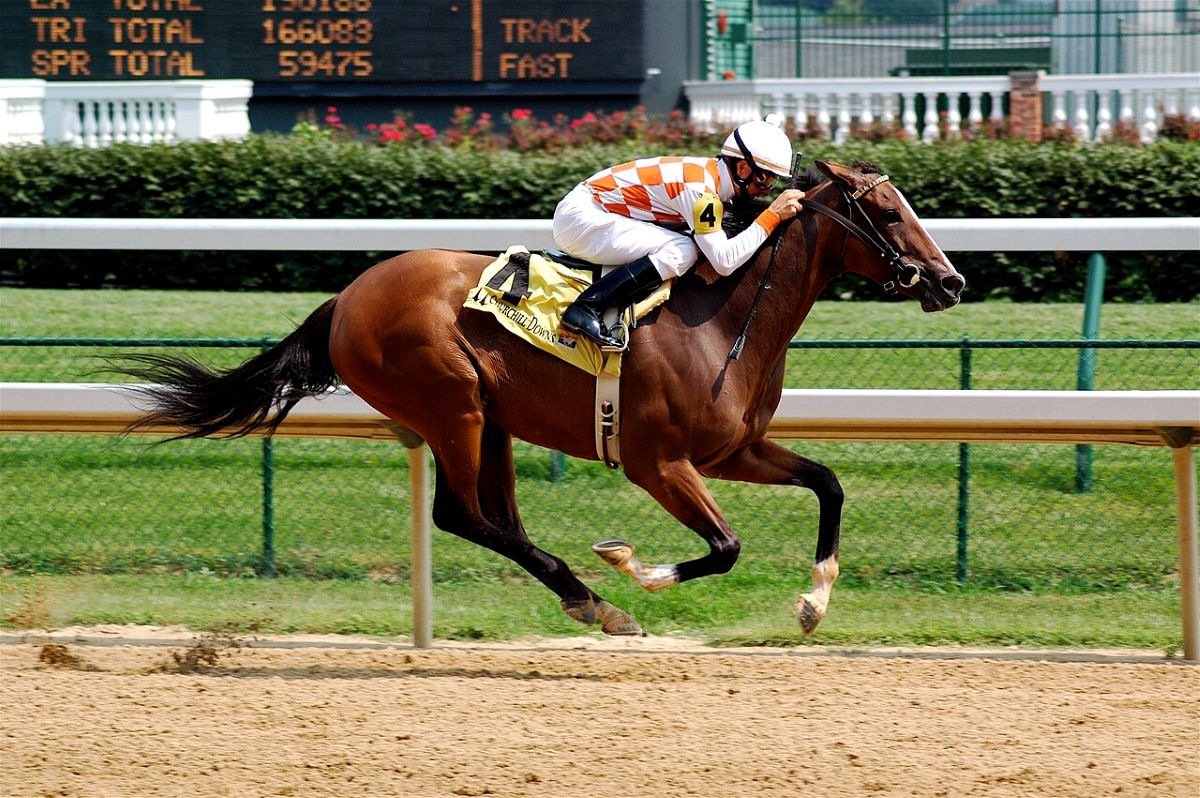
The Thoroughbred is a highly athletic horse breed best known for its role in competitive racing. Developed in England during the 17th and 18th centuries, it emerged from breeding programmes that combined native mares with stallions of Arabian, Barb, and Turkoman ancestry.
Thoroughbreds generally have a lean, muscular physique, long legs, and an athletic build suited to speed. They commonly stand between 15.2 and 17 hands high, although individual horses vary in size and conformation.
Beyond flat racing, Thoroughbreds also participate in equestrian sports such as show jumping, dressage, and eventing. Their energy, sensitivity, and athletic ability can make them demanding mounts, particularly for inexperienced riders.
Source: Thoroughbred — Wikipedia
2. American Quarter Horse
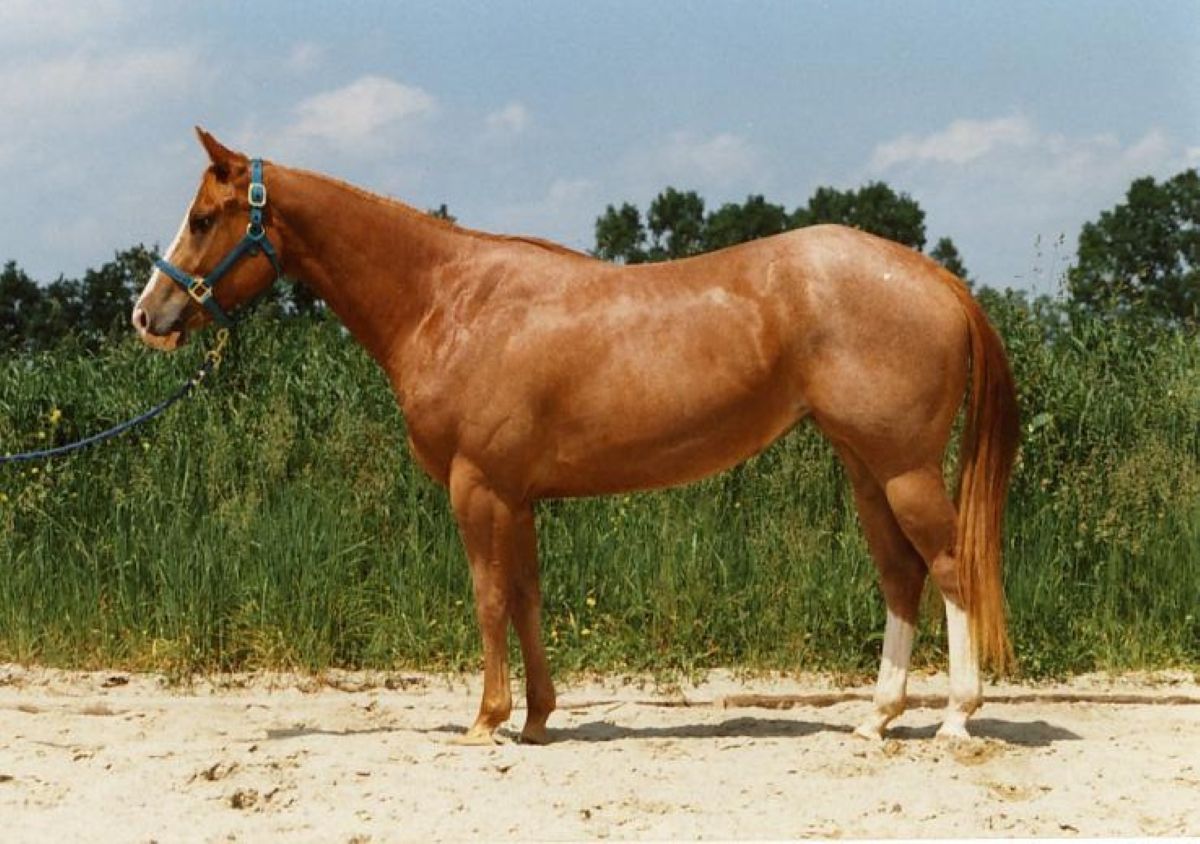
The American Quarter Horse is widely recognised for its muscular physique, quick acceleration, and versatility. Its development began in colonial America, where horses were bred for their ability to cover short distances rapidly. The breed takes its name from quarter-mile races, in which its sprinting ability became particularly valued.
Typically standing between 14 and 16 hands high, the American Quarter Horse has a compact body, powerful hindquarters, a strong chest, and a well-proportioned head. These physical characteristics help it accelerate quickly and manoeuvre effectively over short distances.
Beyond racing, the breed is popular in Western equestrian sports, including barrel racing and roping. Its adaptability also makes it suitable for trail riding, ranch work, and several English riding disciplines. Although many Quarter Horses have a calm, trainable temperament, individual behaviour varies, and suitable training is important for riders of every experience level.
Source: American Quarter Horse — Wikipedia
3. Arabian Horse
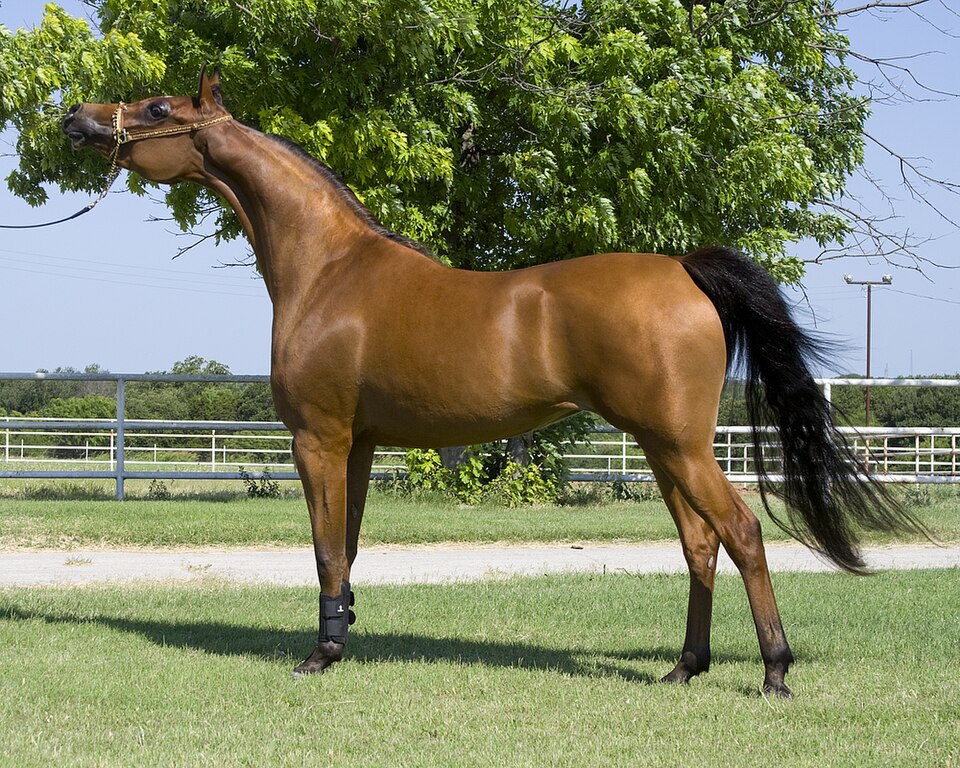
The Arabian Horse is celebrated for its distinctive appearance, intelligence, and exceptional stamina. Developed on the Arabian Peninsula, this ancient breed has a long history of association with desert life, where endurance and adaptability were highly valued. Its characteristic features include a finely shaped head, large eyes, an arched neck, and a naturally high-set tail, giving the horse an elegant profile.
Arabian horses generally stand between 14 and 15.2 hands high. Despite their relatively compact size, they have a lean, athletic build that supports sustained activity over long distances. Their endurance makes them particularly well suited to endurance riding, while their responsiveness and intelligence also benefit them in other equestrian disciplines.
Arabians can be spirited and sensitive, yet many develop strong relationships with their handlers through consistent, considerate training. They participate in endurance competitions, dressage, and recreational riding. Arabian bloodlines have also influenced the development of numerous modern horse breeds, making the breed important to equine breeding history.
Source: Arabian Horse — Wikipedia
4. Appaloosa
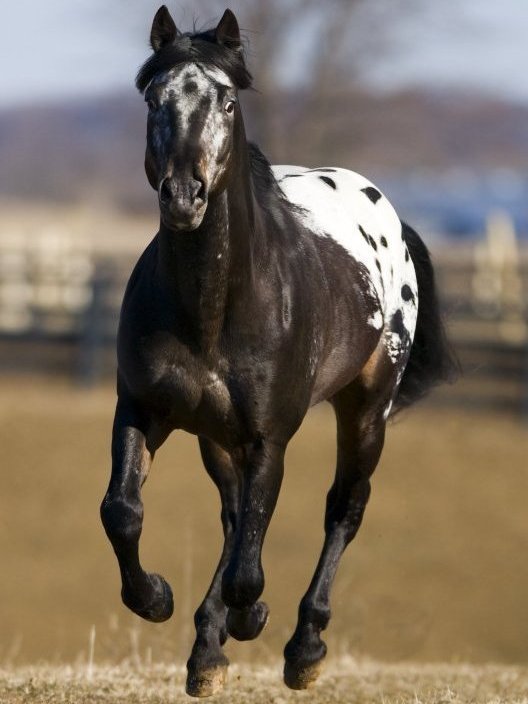
The Appaloosa is an American horse breed best recognised for its distinctive coat patterns, which may feature spots, speckles, or large contrasting patches. Its history is closely associated with the Nez Perce people of the Pacific Northwest, who developed and valued these horses for their usefulness, hardiness, and athletic ability.
Appaloosas generally stand between 14.2 and 16 hands high and have a sturdy, muscular build. Their characteristic features may include mottled skin, visible white around the eyes, and vertically striped hooves. Although coat patterns vary considerably, their colourful appearance makes the breed easy to recognise.
These horses are versatile and can participate in Western riding, trail riding, and ranch work, as well as disciplines such as jumping and dressage. Many Appaloosas are valued for their intelligence, adaptability, and willingness to work. Temperament varies between individuals, but appropriate training and care help them perform well in different equestrian activities.
Source: Appaloosa — Wikipedia
5. Andalusian
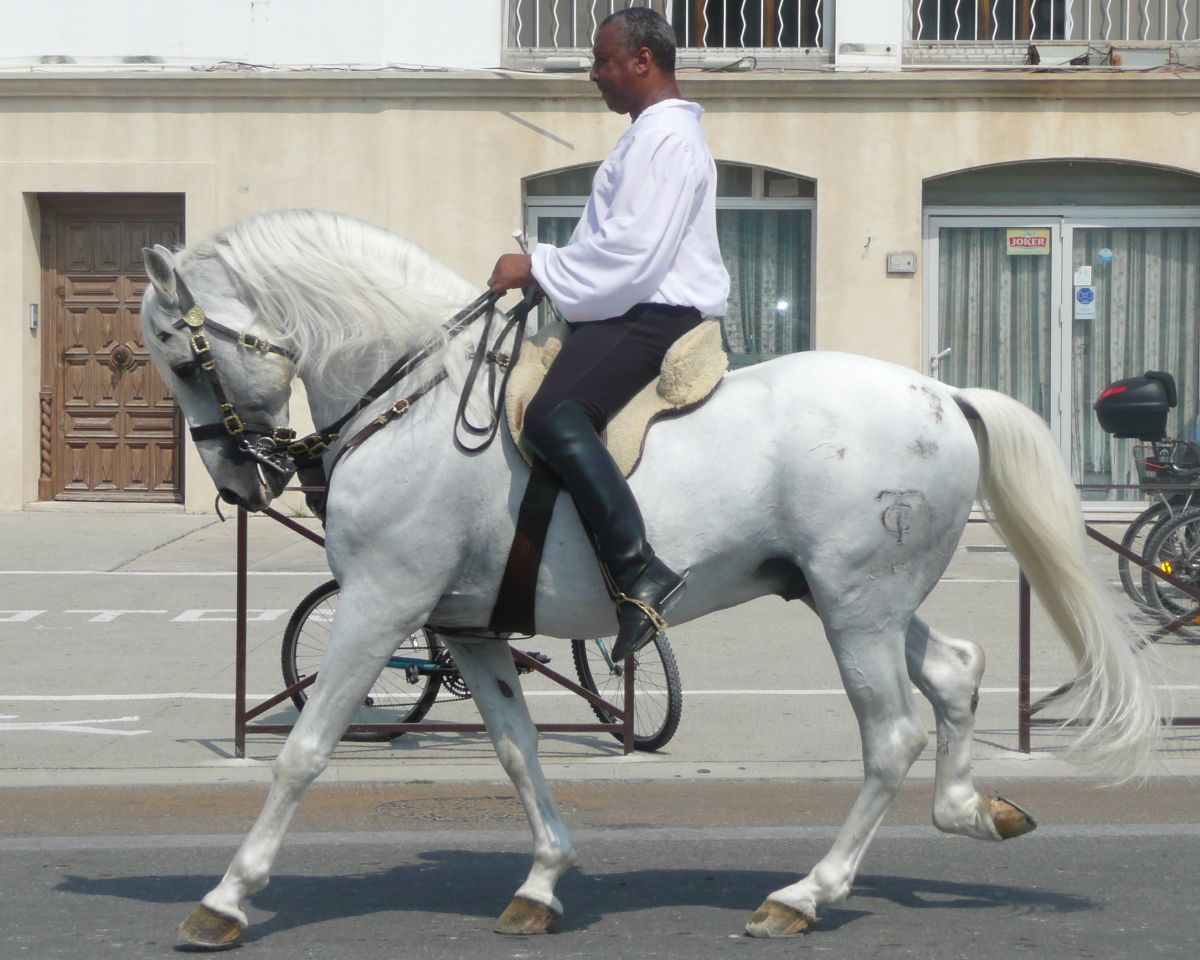
The Andalusian, also called the Pure Spanish Horse (Pura Raza Española), is a historic breed originating from the Iberian Peninsula, particularly the Andalusia region of Spain. Recognised for its strength, elegance, and proud appearance, it has a long association with European horsemanship. Andalusians were valued as warhorses and became popular among royalty and nobility.
Andalusians generally stand between 15.2 and 16.2 hands high. They have a powerful yet balanced physique, a broad chest, and a gracefully arched neck. Their thick manes and tails, expressive eyes, and upright carriage contribute to their distinctive appearance.
The breed is also known for its intelligence and responsiveness to training. Andalusians are particularly well suited to dressage and classical riding, where balance, agility, and controlled movement are important. They can also participate in jumping and other riding disciplines. Their combination of athletic ability and striking appearance has earned them admirers among horse enthusiasts worldwide.
Source: Andalusian horse — Wikipedia
6. American Paint Horse
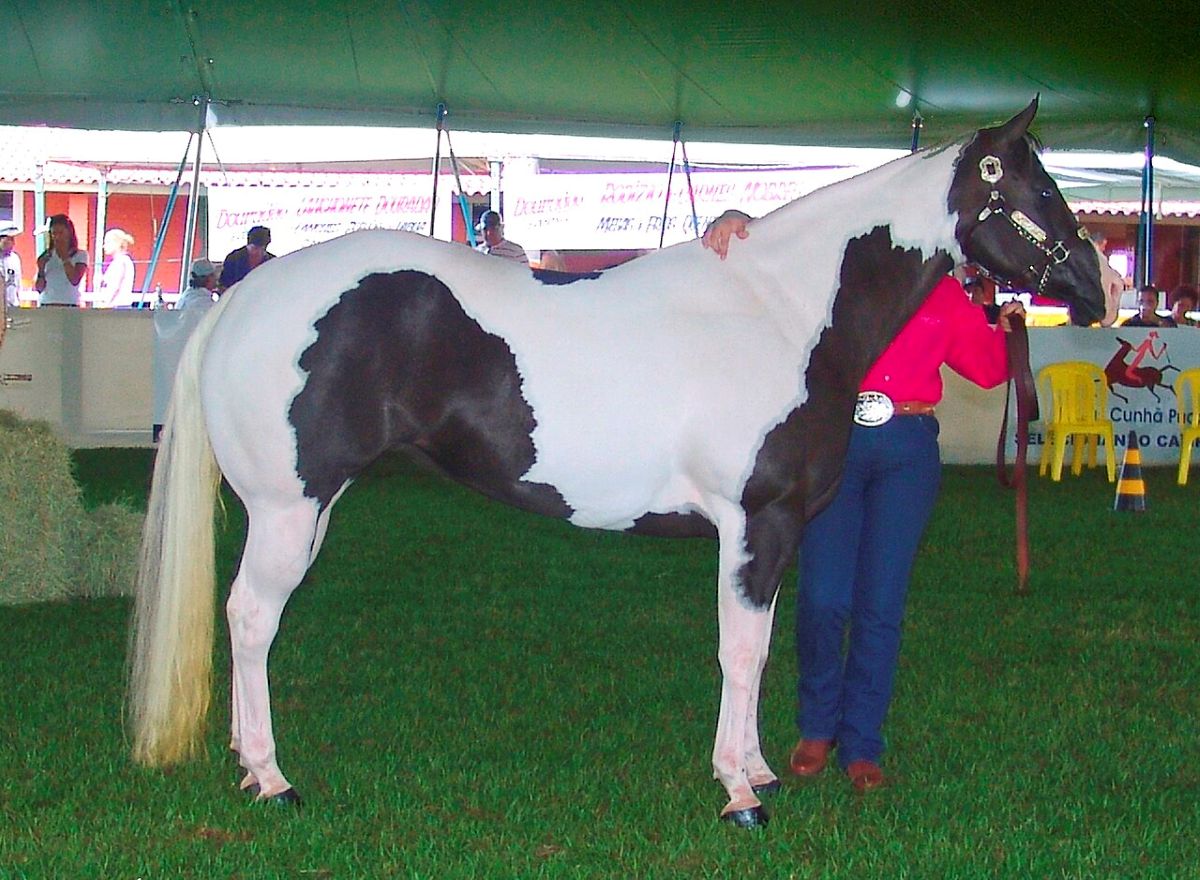
The American Paint Horse is recognised for its colourful coat patterns and versatile athletic ability. Developed in North America, the breed shares bloodlines with Thoroughbreds and American Quarter Horses. This heritage contributes to its combination of agility, strength, and suitability for a range of riding activities.
American Paint Horses generally stand between 14.2 and 16 hands high. They have a sturdy, muscular body and powerful hindquarters. Their coats feature distinctive combinations of white and other colours, including black, bay, chestnut, and palomino. The three principal coat patterns are tobiano, overo, and tovero, each producing a different arrangement of coloured and white markings.
These horses participate in both Western and English riding disciplines. Common activities include trail riding, reining, barrel racing, and jumping. Their versatility and trainability make them appealing to many horse enthusiasts, although individual temperament and performance depend on the horse and its training.
Source: American Paint Horse — Wikipedia
7. Akhal-Teke
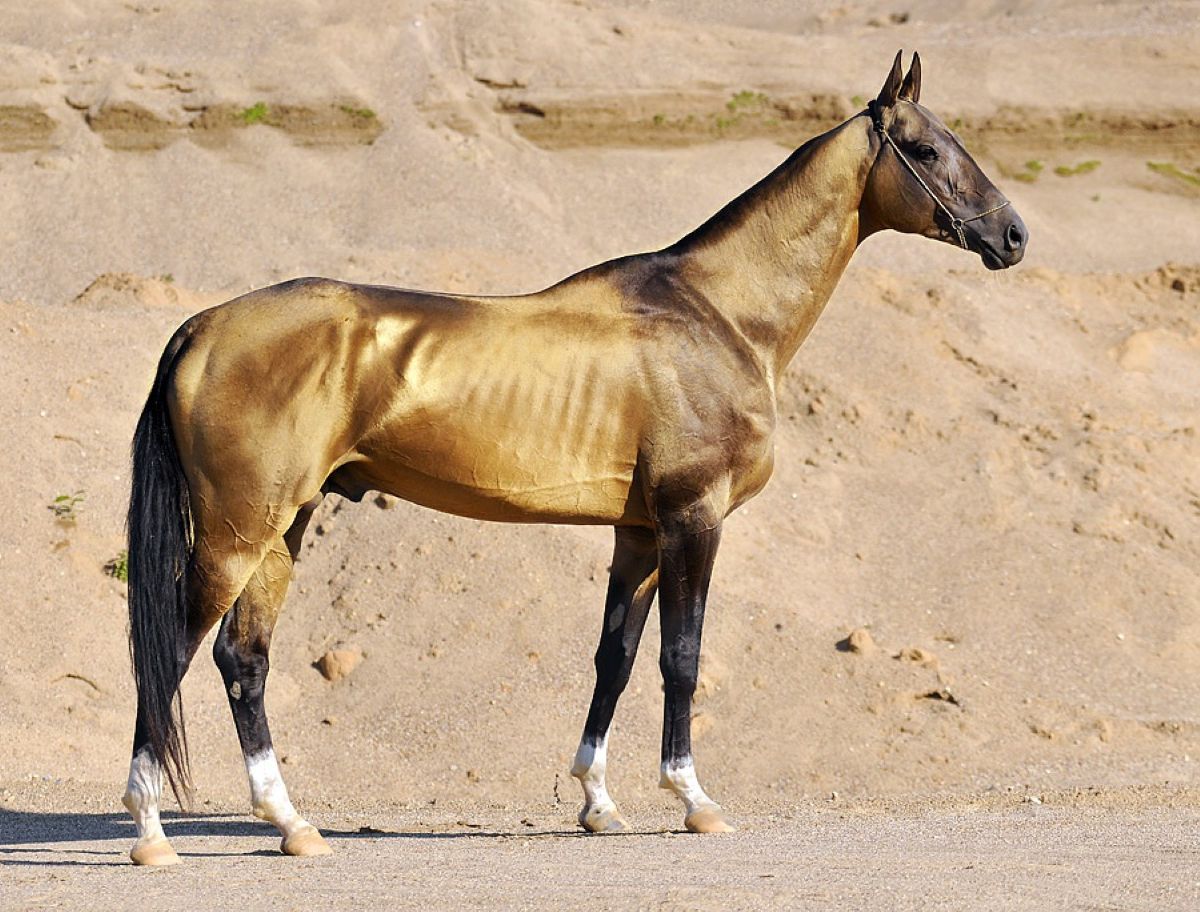
The Akhal-Teke is a distinctive horse breed from Turkmenistan, admired for its endurance, athletic ability, and often shimmering coat. Developed in a region with harsh, dry conditions, these horses are known for their ability to cope with demanding environments and long journeys. Their fine coat can reflect light with a metallic appearance, particularly in some golden and palomino shades, earning the breed its association with the nickname “Golden Horse.”
Akhal-Tekes generally stand between 14.2 and 16 hands high. They have a slender frame, long limbs, a narrow head, and an elegant neck. Their lean build gives them a different appearance from heavier, more muscular horse breeds and supports their agility and athletic movement.
These horses are often intelligent, alert, and sensitive, so consistent handling and suitable training are important. They participate in endurance riding, dressage, and show jumping, demonstrating versatility beyond their traditional role. Their distinctive appearance, stamina, and relative rarity make the Akhal-Teke a notable breed among horse enthusiasts.
Source: Akhal-Teke — Wikipedia
8. Standardbred
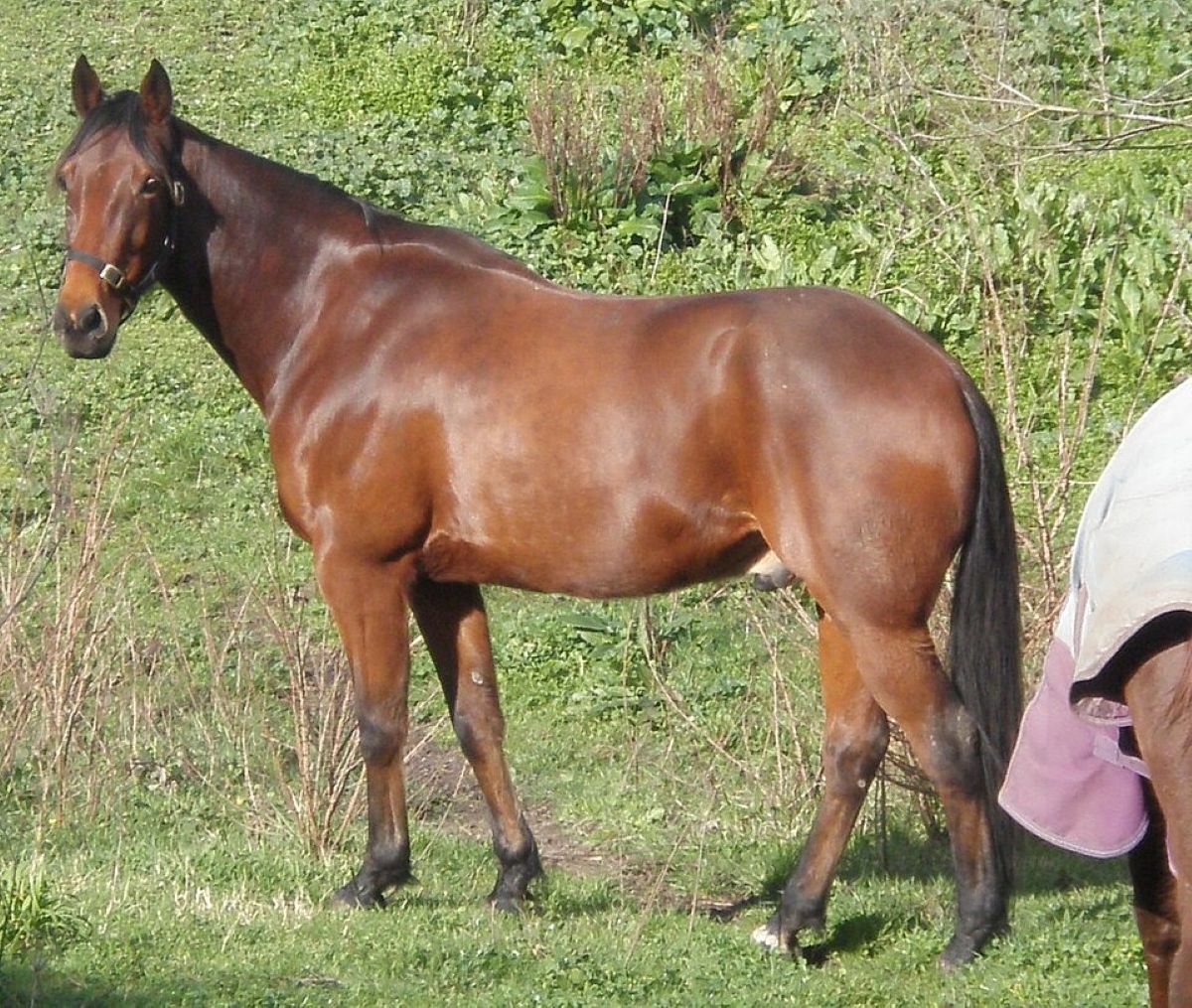
The Standardbred is an American horse breed best known for its speed and performance in harness racing, particularly in trotting and pacing events. The breed developed in the United States during the 19th century from a mixture of Thoroughbred, Morgan, and other horse bloodlines. Its name comes from an early registration standard that required horses to complete a mile at a specified speed by trotting or pacing.
Standardbreds typically stand between 15 and 16 hands high. They have a strong, muscular body, a deep chest, and sturdy legs that support their athletic performance. Although bred primarily for harness racing, many Standardbreds also transition successfully to other activities after their racing careers.
The breed is often valued for its trainability and generally steady temperament, although individual personalities vary. Outside harness racing, Standardbreds can be used for recreational riding, driving, and trail riding. Their combination of athletic ability, adaptability, and practical temperament has helped them gain popularity among horse owners worldwide.
Source: Standardbred — Wikipedia
9. Mustang
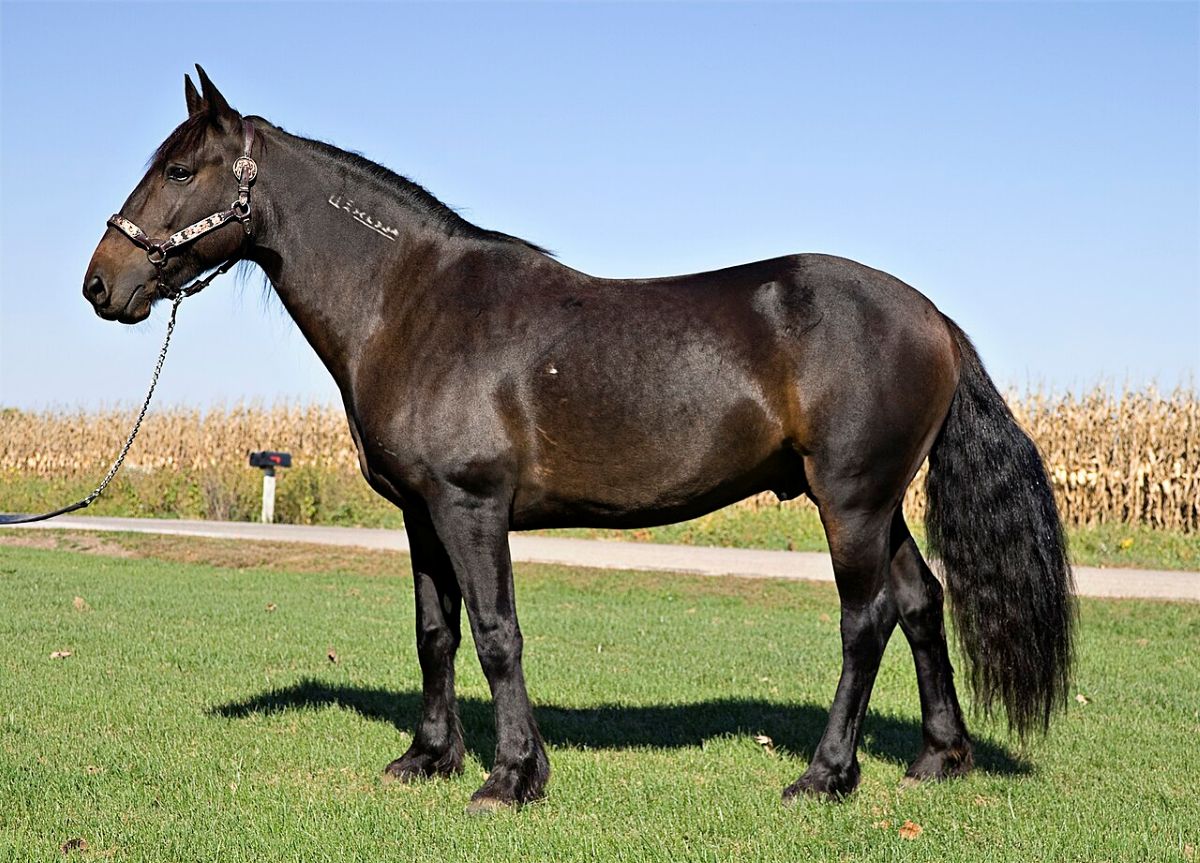
The Mustang is a free-roaming horse of the American West, known for its hardiness and ability to adapt to challenging environments. Its ancestors include horses brought to North America by Spanish explorers during the 16th century. Over time, these horses established free-roaming populations and adapted to different landscapes, developing the varied characteristics seen among Mustangs today.
Mustangs generally stand between 14 and 15 hands high and have compact, sturdy bodies with strong legs and durable bones. Their appearance varies because of their diverse ancestry, but many are recognised for their surefootedness and ability to navigate rugged terrain. These qualities help them cope with demanding conditions, although their size and physical features differ between individuals.
In the United States, free-roaming Mustangs are managed by the Bureau of Land Management (BLM), and some are made available for adoption. With appropriate training, they can participate in trail riding, ranch work, and endurance riding. Mustangs are often admired for their intelligence, independence, and resilience, and they remain an enduring symbol of the American West.
Source: Mustang — Wikipedia
Conclusion
The fastest horses in the world are remarkable for more than their speed. Their athletic ability, endurance, and adaptability make each breed unique. Thoroughbreds are renowned for their performance on the racetrack, while breeds such as the Arabian and Akhal-Teke are valued for their stamina. Mustangs, meanwhile, are admired for their resilience and surefootedness in challenging environments.
Whether sprinting over short distances, competing in harness racing, or travelling across rugged terrain, these horses demonstrate the diversity of equine athleticism. Their abilities reflect generations of breeding, adaptation, and training. Understanding the strengths of each breed helps us appreciate not only their speed but also their versatility, strength, and enduring place in the world of horses.
For more interesting wildlife knowledge, explore our animal quiz facts for curious kids.

Mathukutty P. V. is the founder of Simply Life Tips. He shares practical advice and useful insights on personal growth, health, well-being, technology, and everyday living. His goal is to help readers build positive habits and make informed decisions. He believes in continuous learning and sharing knowledge to help people live healthier, happier, and more meaningful lives.