
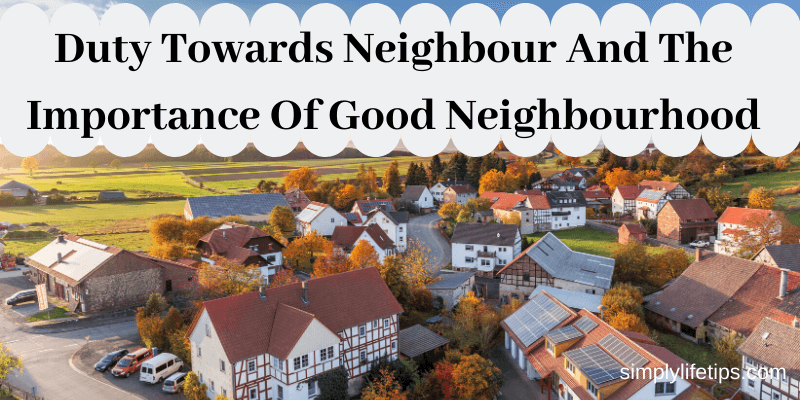
Duty Towards Neighbour begins with a simple truth: the way we treat the people living around us quietly shapes the quality of our society and our own inner peace. Neighbours are often the first to notice our joys and struggles, yet this closeness is meaningful only when guided by empathy, respect, and responsibility. Practising kindness, offering help in small moments, and choosing understanding over indifference can turn ordinary neighbourhoods into supportive communities. These everyday actions reflect moral values that strengthen trust and harmony in daily life. This blog explores the deeper meaning of duty towards neighbours and how practising it can create a more compassionate and connected world.
What is your duty towards your neighbour?
Duty Towards Neighbour means living in a way that causes no harm through words or actions. One should remain honest and fair in every interaction, keeping the heart free from anger, jealousy, or hatred. True neighbourly conduct begins with inner integrity and outward kindness.
A safe and welcoming neighbourhood depends on everyone fulfilling their responsibilities with care. Mutual respect is essential, and the way we expect to be treated should guide how we treat those living around us. Respect builds trust and encourages peaceful coexistence.
It is also important to be mindful of noise and behaviour that may disturb others. Elderly people and the sick often need quiet and rest, while children require a calm environment to study. Being considerate about sound and daily activities shows sensitivity to the needs of others and strengthens harmony within the neighbourhood.
Love your neighbor as yourself.
Bible – Mark 12:31
The above is the answer Jesus Christ gave to a question asked of him.
So your duty towards your neighbour is to love him as yourself.

Duty Towards Neighbour
1. Warm welcome
Do you show your neighbour a warm welcome and extend a helping hand?

A warm welcome is a simple yet powerful way to make others feel valued, safe, and respected. It reflects kindness of heart and openness in attitude, helping to build trust from the very first interaction. Whether offered through a smile, kind words, or a small gesture of help, a warm welcome creates comfort and belonging. In homes, communities, and neighbourhoods, such friendliness lays the foundation for strong relationships and peaceful coexistence. A sincere welcome often becomes the first step toward lasting goodwill and mutual respect.
2. Helping the neighbour
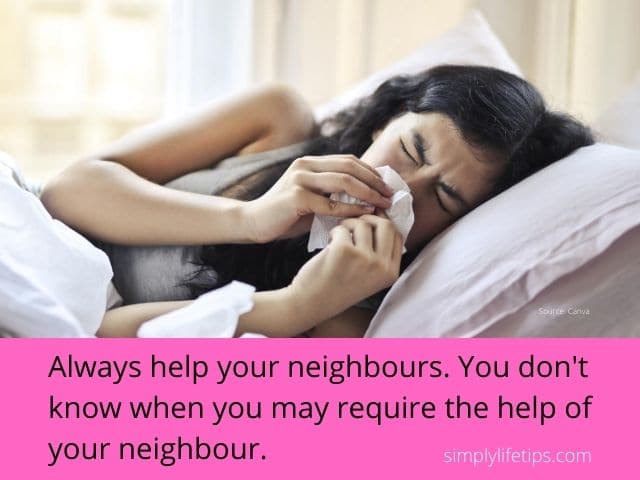
Helping the neighbour is a meaningful expression of humanity that strengthens bonds and builds a caring community. Offering help does not always require big actions; even small gestures like sharing time, guidance, or resources can make a real difference. Assisting neighbours during illness, old age, or difficult moments shows compassion and social responsibility. Helping with daily tasks, emergencies, or simple needs creates trust and mutual support. When neighbours help one another, the entire community becomes safer, kinder, and more united.
3. Never ignore helping neighbours
Never ignore helping neighbours because kindness shown at the right moment can ease someone’s burden and strengthen human connections. Every neighbour may face situations where support, guidance, or a helping hand becomes necessary. Choosing to help instead of turning away reflects empathy, responsibility, and good character. Even small acts such as checking on someone unwell, offering assistance during difficulties, or listening with patience can make a meaningful difference. When people help one another without expectation, neighbourhoods become safer, warmer, and more united. Ignoring the needs of those around us slowly weakens social harmony, while helping builds trust, respect, and a sense of shared humanity that benefits everyone.
4. Respect your neighbour
Respecting your neighbour means treating the people around you with dignity, fairness, and consideration in everyday life. Respect is shown through polite speech, honest behaviour, and an understanding attitude, even when opinions differ. It includes valuing others’ privacy, avoiding hurtful words or actions, and being mindful of how our behaviour affects their peace. When neighbours feel respected, trust grows naturally, and conflicts reduce. A respectful attitude creates harmony, strengthens relationships, and helps build a community where everyone feels safe, valued, and comfortable living together.
5. Ease the pain of neighbours
Ease the pain of neighbours means showing compassion and support when people around us are going through difficulty, sorrow, or hardship. Pain may not always be visible, but a kind word, a listening ear, or a small act of help can bring comfort and hope. Offering emotional support, helping during illness, or standing by someone in times of loss reflects true humanity. When neighbours try to reduce one another’s pain, even in simple ways, the community becomes warmer and more humane. Such care reminds people that they are not alone and that kindness still lives close to home.
6. Don’t make fun

Today, fashion changes rapidly, and, naturally, not everyone is aware of the latest trends. Some people may also lack the financial means to buy new or expensive clothes. When you see a neighbour wearing fashionable outfits or old and torn clothes, it is important not to make fun of them. Everyone lives according to their own situation and abilities. Your neighbour may not have enough money to maintain the same lifestyle as yours, and that reality deserves understanding, not judgment. Never laugh at or mock the way your neighbour lives, speaks, or dresses, because respect and kindness matter more than appearance or fashion.
Importance of a good neighbourhood
The importance of a Good Neighbourhood is deeply connected to how peaceful, safe, and emotionally healthy our daily life feels, because the people living around us influence our comfort more than we often realise. A good neighbourhood is not just about houses and roads, but about understanding, cooperation, and mutual care among people. When neighbours respect and support one another, life becomes easier, warmer, and more meaningful.
Creates Safety and Security
A good neighbourhood improves safety because people stay alert and look out for one another. When neighbours know each other, they can quickly notice unusual situations, help during emergencies, and protect shared spaces. Simple acts like informing others about risks, checking on locked homes, or helping during crises build a strong sense of security and trust.
Builds a Sense of Belonging
Living in a friendly neighbourhood helps people feel accepted and valued. Greeting each other, sharing small conversations, and showing concern during difficult times create emotional comfort. This sense of belonging reduces loneliness and helps individuals feel connected to their surroundings instead of isolated.
Encourages Mutual Help and Support
A good neighbourhood promotes helping behaviour, especially during illness, old age, or financial difficulty. Neighbours who offer support through small acts such as running errands, sharing food, or giving guidance create a caring environment. Mutual help strengthens relationships and reminds everyone that they are not alone.
Promotes Respect and Understanding
Respect is the foundation of a healthy neighbourhood. Accepting differences in lifestyle, language, culture, or financial condition helps avoid conflict. When people avoid mocking, judging, or interfering unnecessarily, peaceful coexistence becomes possible. Respectful behaviour builds long-term harmony and emotional safety.
Improves Mental and Emotional Well-being
Living among kind and cooperative neighbours reduces stress and anxiety. Knowing that support is nearby brings mental comfort, especially during challenging times. Friendly interactions, even brief ones, can uplift mood and create positivity in daily life.
Encourages Positive Values in Children
Children growing up in a good neighbourhood learn important values such as sharing, respect, kindness, and cooperation. Observing adults helping one another teaches them social responsibility and empathy. Such an environment plays a strong role in shaping their character and behaviour.
Strengthens Community Harmony
A good neighbourhood unites people during celebrations, problems, and common responsibilities. Cooperation in maintaining cleanliness, silence, and safety creates balance. When individuals work together for the common good, the entire community becomes more peaceful and organised.
Conclusion
Good neighbours are often the first to stand by us in times of need, especially when our relatives live far away. In moments of trouble, it is usually the people next door who respond quickly with support, care, and reassurance. Maintaining a healthy relationship with neighbours through regular visits, friendly conversations, and genuine concern helps build strong bonds of trust. Take time to ask about their well-being and offer help whenever possible. Some neighbours may hesitate to express their difficulties due to shyness or pride, but understanding their silence and offering support with sensitivity is also a responsibility. By practising kindness and awareness, we truly understand our duty towards our neighbour and help create a caring and dependable community.
How do you deal with your neighbours?
Are you happy with your neighbours?
Share this post on your network.

Mathukutty P V is a Blogger, YouTuber, and Content Writer who transitioned into a “Free Lifestyle” after choosing voluntary retirement in 2017. He is the founder of Simply Life Tips, a mission-driven platform dedicated to inspiring others through practical wisdom and life lessons. Driven by a love for continuous learning and self-growth, Mathukutty shares knowledge gathered from years of reflection to help his readers live with more purpose and positivity.