What does it really mean to build lasting happiness in children in a world full of toys, screens, and constant stimulation? True childhood joy grows through connection, presence, and emotional safety rather than material possessions. Research in developmental and positive psychology shows that experiences create deeper and longer-lasting happiness than things, because toys quickly lose novelty while shared moments are stored emotionally and shape how children understand love, belonging, and security. This blog explores how parents can build lasting happiness in children by prioritising shared experiences that turn into lifelong memories.
Build Lasting Happiness in Children
Experiences Create Emotional Memory
Experiences activate emotional and social memory systems in the brain more strongly than objects because they involve people, shared attention, and emotion, which is why children remember moments long after they forget toys.
Example: A child may forget a toy received last year but vividly remember a simple evening spent baking cookies and laughing with a parent.
Tip: Choose activities that involve interaction and conversation rather than passive entertainment, because emotional engagement strengthens memory.
Experiences Strengthen Emotional Bonds
Shared experiences deepen relationships by communicating availability, warmth, and presence, helping children feel emotionally secure and connected.
Example: A regular family walk where phones are put away often becomes more meaningful than buying new gadgets.
Tip: Protect recurring shared moments, because consistency builds trust and emotional safety.
Emotional Development in Children: How Safety, Presence, and Care Shape the Growing Mind
How Shared Experiences Shape Emotional Well-Being?
They Support Emotional Regulation
Shared experiences allow children to learn emotional regulation naturally by observing calm responses, shared joy, and problem-solving with trusted adults.
Example: Completing a puzzle together teaches patience, cooperation, and handling frustration without formal lessons.
Tip: Choose activities that allow emotions to surface naturally rather than focusing on performance or outcomes.
They Build a Strong Sense of Belonging
When children repeatedly experience meaningful moments with family, their brain forms a deep belief that they belong and matter.
Example: Simple weekly traditions like Sunday breakfasts provide predictability and emotional comfort.
Tip: Keep traditions simple and pressure-free so they remain emotionally nurturing.
Emotional Bonding With Children | How Love, Discipline, and Care Shape Their Future
Shared Experiences and Identity Formation
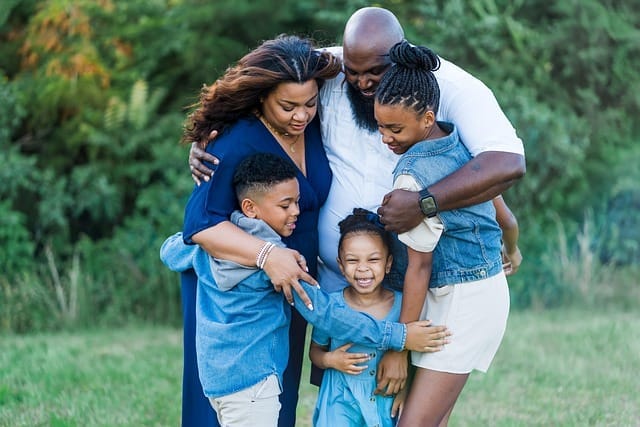
Experiences Become Part of Who Children Are
Children internalise shared experiences as personal stories that shape their self-image and confidence.
Example: A child involved in everyday family tasks may grow up feeling capable and valued.
Tip: Invite children into real-life activities instead of separating them into isolated “kid” spaces.
Memories Grow Richer Over Time
Unlike material gifts that fade, experiences gain emotional depth through retelling and shared remembrance.
Example: Family stories retold years later often carry the same warmth as the original moment.
Tip: Talk about shared experiences afterwards to reinforce emotional connection and meaning.
What does this mean for Gift Giving?
Presence Over Presents
This does not mean eliminating toys, but remembering that emotional needs outweigh material quantity.
Example: One meaningful day spent together often leaves a deeper impression than multiple gifts.
Tip: Balance material gifts with time, attention, and shared activities.
Mom-Approved Experience Gifts
Experience gifts may include one-on-one days, family traditions, classes taken together, or simple outings focused on presence rather than spending.
Example: A library visit followed by ice cream can become a cherished memory.
Tip: Ask what brings connection rather than excitement alone.
The Importance Of Sharing Problems With Family For Happiness
Conclusion
Build lasting happiness in children by choosing connection over accumulation and presence over perfection. Shared experiences shape emotional security, strengthen relationships, and become the memories children carry into adulthood long after material things are forgotten. When parents slow down, show up, and create meaningful moments together, they build lasting happiness in children naturally and powerfully.
If happiness grows through shared moments, how can you build lasting happiness in children today? A simple experience. A few minutes of full attention. A moment of connection that your child will remember for years to come.
FAQs – Build Lasting Happiness in Children
1. Why do shared experiences help build lasting happiness in children?
Shared experiences help build lasting happiness in children because they create emotional connection and a sense of belonging. These moments are stored in emotional memory, not just recalled as events. Over time, they shape how children understand love, safety, and relationships.
2. Can simple daily moments really build lasting happiness in children?
Yes, simple daily moments can build lasting happiness in children when they include presence and attention. Children value connection more than complexity. Small routines often feel safer and more meaningful than occasional big events.
3. Are toys bad for building lasting happiness in children?
Toys are not bad, but they do not build lasting happiness in children on their own. Material items often lose novelty quickly. When paired with shared time and interaction, they can become more meaningful.
4. How often should parents focus on experiences to build lasting happiness in children?
Parents can build lasting happiness in children through regular, small shared moments. Daily or weekly experiences create predictability and emotional security. Consistency matters more than scale.
5. What if parents have limited time to build lasting happiness in children?
Even short moments can build lasting happiness in children when parents are fully present. Five focused minutes can mean more than hours of distraction. Presence, not duration, creates connection.
References:
- Thomas Gilovich et al. (2015). A wonderful life. Experiential consumption and the pursuit of happiness. Journal of Consumer Psychology.
- Fiese, B. H., et al. (2002). Family routines and rituals and children’s development. Journal of Family Psychology.
- American Psychological Association. Experiences, happiness, and well-being.
Thank you for taking the time to explore this post. I sincerely hope you found the insights valuable and actionable. If this content resonated with you, please consider sharing it. Your support enables me to share knowledge and inspiration with others in our community.
PVM

Mathukutty P V is a Blogger, YouTuber, and Content Writer and the founder of Simply Life Tips. After taking voluntary retirement in 2017, he embraced a free lifestyle focused on learning, personal growth, and sharing practical wisdom to help others live with more purpose and positivity.