

The Ripple Effect of Kindness: How One Woman Transformed an Entire Community
Discover how Agnes, a 79-year-old retired teacher, sparked a ripple effect of kindness that reshaped lives and built a thriving support system at Oakwood Elementary.
Discover how Agnes, a 79-year-old retired teacher, sparked a ripple effect of kindness that reshaped lives and built a thriving support system at Oakwood Elementary.
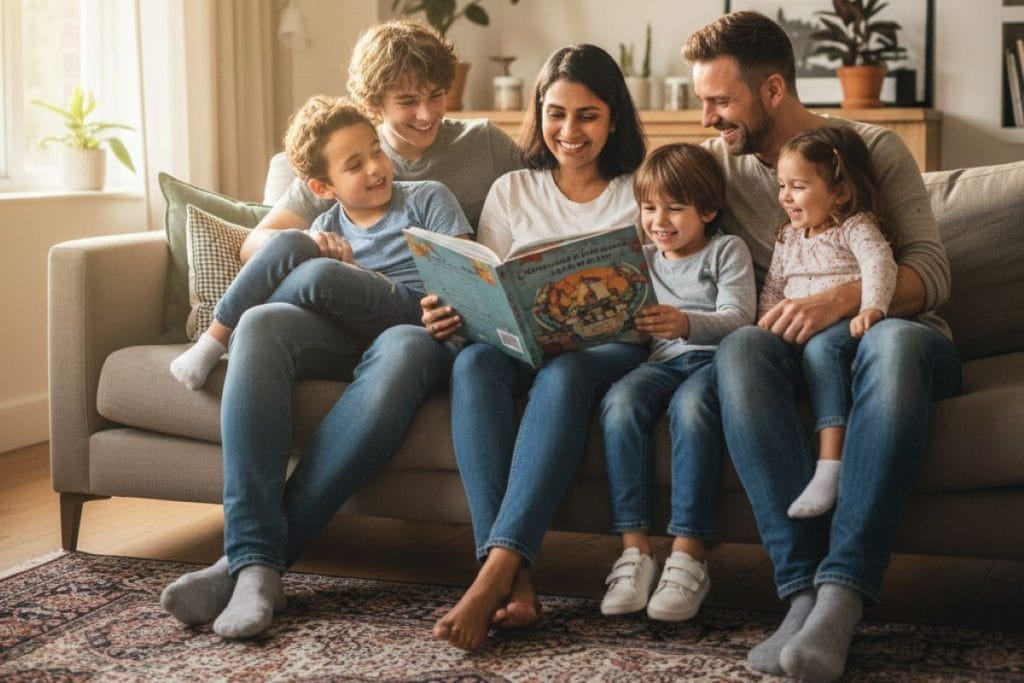
Parental favouritism, a challenging and often unconscious family dynamic, can inflict deep, lasting emotional scars on children. This comprehensive article explores the harmful effects on both the favoured and unfavoured child, providing actionable tips and solutions for British parents committed to cultivating an environment of fairness, equal affection, and unconditional love.

What makes an act of giving truly meaningful? It’s the intention. This post explores why giving with pure intentions and zero expectation is essential for building strong, heartfelt connections. Learn how to shift your perspective from offering a “favor” to expressing genuine, joyful care.

True hardship is often misunderstood in modern life. In a world of comfort and convenience, even minor setbacks can feel

Everyone stumbles. Discover the profound strategies for adult resilience, inspired by the poem “Stand Tall.” Learn how to reframe setbacks, manage stress, and deliberately choose to Be Resilient in any personal or professional challenge.
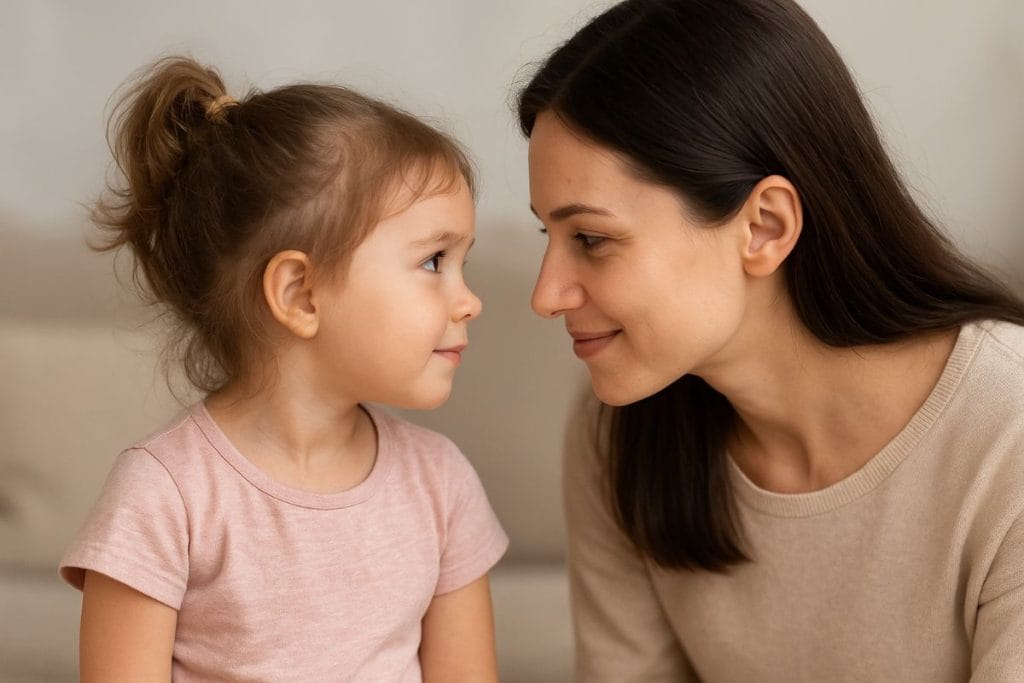
Eye contact in child development is emotional oxygen that strengthens attachment, builds emotional regulation, and creates deep parent–child connection. Learn the science behind why kids crave your gaze and how simple moments of eye contact shape their lifelong emotional health.

You don’t need a label to be high-value. These 10 signs show you’re already living with intention, confidence, and inner strength.
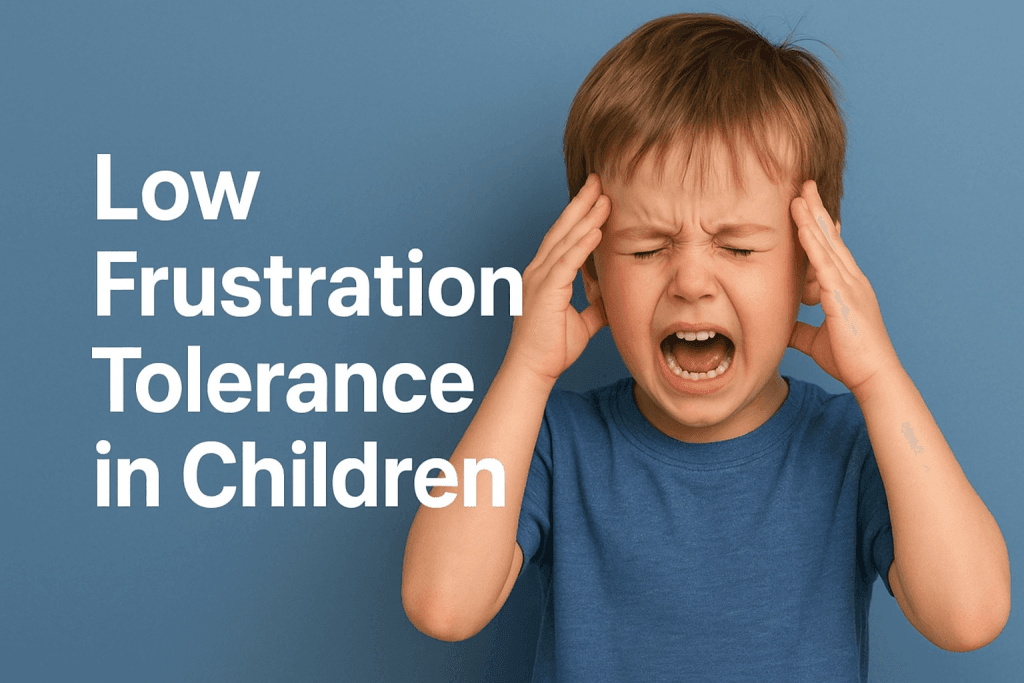
Low frustration tolerance in children is often learned through overprotection. Understand its causes, importance, benefits, and practical strategies to build resilience.
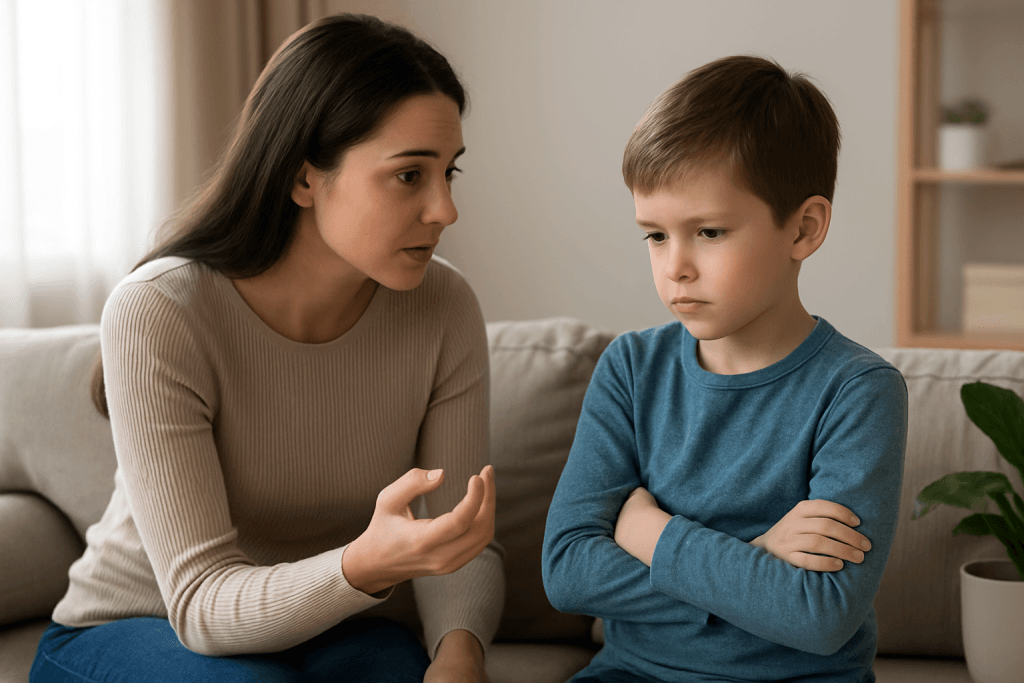
Many parents unintentionally raise emotionally weak children due to overprotection and modern habits. This simple, practical guide explains why it happens and how to raise emotionally strong, confident kids.
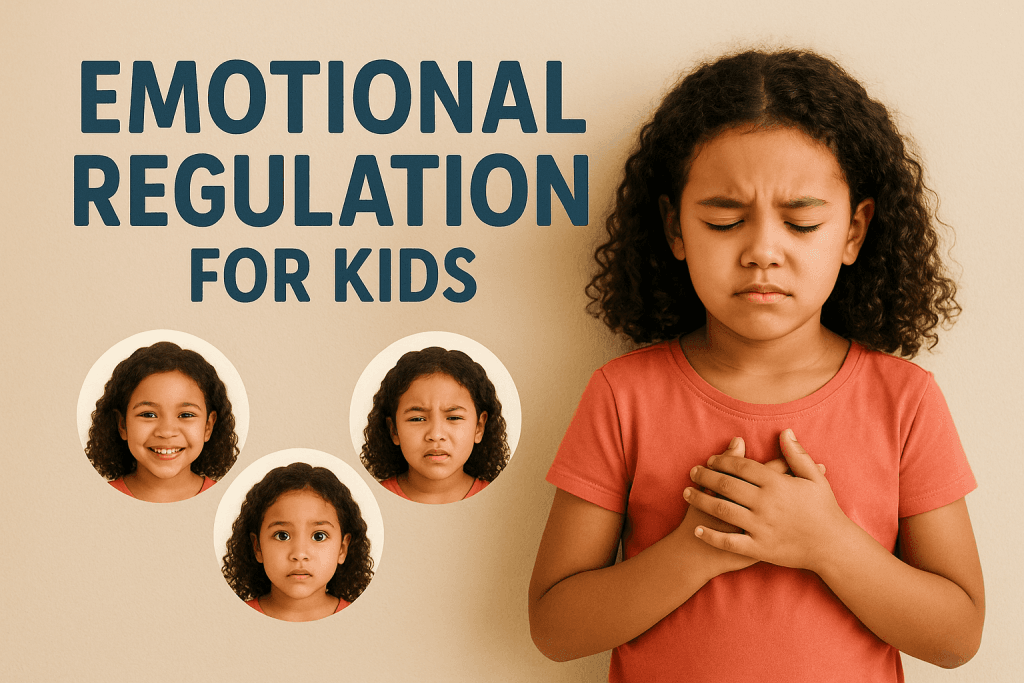
Discover how emotional regulation for kids develops through naming feelings, understanding emotions, and practicing healthy coping skills. Backed by neuroscience and child-development research, this guide explains why emotional labeling is strength—not weakness.