Navigating Old Age is a reality every human being eventually faces, yet many people feel unprepared for the changes it brings. Aging often comes with physical limitations, emotional adjustments, and shifts in social roles. However, old age does not have to be a period of decline or despair. With the right mindset, healthy habits, and supportive relationships, it can become a stage of wisdom, reflection, and meaningful living.
As people grow older, they gain valuable life experiences that shape their understanding of the world. At the same time, they may face challenges such as health issues, loneliness, and financial concerns. Understanding these realities helps individuals and families prepare for this stage of life with compassion and awareness.
Aging brings physical, emotional, and social changes, but with the right mindset, people can still live meaningful lives. Learning to embrace each stage of life is important for personal growth and happiness. You can also read about life lessons people often realize too late.
This guide explores the realities of navigating old age, the common challenges seniors face, and practical tips that help people age with grace, dignity, and a sense of purpose. Whether you are approaching your senior years or caring for an elderly loved one, learning how to embrace aging positively can make the journey more fulfilling and peaceful.
Understanding Old Age
Old age is often considered the later stage of life when people gradually reduce their professional activities and begin to experience changes in their physical strength, health, and cognitive abilities. However, aging is not the same for everyone. Some individuals remain active, energetic, and socially engaged well into their senior years, while others may face health or mobility challenges. Understanding these changes helps individuals prepare for this stage of life and encourages society to support older adults with empathy and respect.
What Does Old Age Mean?
Old age is often a stage of deep reflection and self-awareness. During this phase of life, many people look back on their experiences, relationships, achievements, and lessons learned over the years. It can also be a time to rediscover personal interests, pursue hobbies, and spend meaningful moments with family and friends.
However, aging may also bring certain challenges, such as health concerns, reduced mobility, loneliness, or anxiety about the future. Recognizing these realities helps individuals and families prepare for this stage with understanding and compassion. When supported by strong relationships and a positive outlook, old age can become a meaningful and fulfilling chapter of life rather than a difficult one.
Abandoned elderly person
In many societies today, one of the most painful realities of aging is the neglect and abandonment of elderly individuals. While people often show compassion toward abandoned animals or orphaned children, the elderly are sometimes left alone without care or emotional support. This harsh reality reflects a growing lack of responsibility toward older members of society.
Many elderly people spend their later years feeling unwanted or forgotten, despite the sacrifices they made while raising their families. They may struggle with loneliness, helplessness, and the fear of being dependent on others. As a society, it is important to recognize the dignity and value of older adults and ensure they receive the care, respect, and compassion they deserve.
Burden within their own households
In many families, elderly people are sometimes perceived as a burden within their own homes. As they grow older, physical weakness, health problems, and dependence on others may make them feel unwanted or ignored. This unfortunate attitude can lead to loneliness, emotional pain, and neglect, leaving many elderly individuals feeling helpless and isolated.
Yet it is important to remember that these same parents and grandparents once worked tirelessly to raise their families and build a better future for their children. They, too, once enjoyed youth, strength, confidence, and dreams for the future. Aging is a natural stage of life that everyone hopes to reach, and the way we treat older people today reflects the values we carry as individuals and as a society.
Life moves through different stages, much like a journey with many compartments. Childhood, youth, adulthood, and finally old age are all parts of the same journey. One day, every generation will step into the final stage of life. When families respond to aging with patience, respect, and compassion, old age can become a period of dignity, gratitude, and meaningful connection rather than loneliness and despair.
Old age sufferings
Old age often brings various challenges that affect both the body and the mind. While physical difficulties such as illness, weakness, and reduced mobility are common, emotional struggles are often more painful. Many elderly individuals experience loneliness, helplessness, and a sense that they are no longer important to others.
Health problems may make daily activities difficult, and the loss of independence can create frustration and sadness. Some elderly people also struggle with the reality that their bodies no longer respond with the same strength and energy they once had. These changes can make aging feel overwhelming at times.
However, understanding these struggles allows families and communities to respond with compassion and support. When older adults receive care, respect, and emotional connection, the burdens of aging become easier to manage, and life in the later years can still hold meaning and dignity.
The true essence and magnitude of old age
The true meaning and depth of old age cannot be fully understood through words alone. It is something that can only be realized by observing it closely or experiencing it personally. Many people who have not yet reached this stage of life often misunderstand old age and assume it is a punishment or a period filled only with suffering. In reality, old age is simply a natural phase in the journey of life.
Older individuals carry a lifetime of experiences, lessons, and wisdom that younger generations can learn from. Their stories reflect years of struggles, achievements, hopes, and sacrifices. Instead of viewing aging with fear or negativity, society should recognize the value and knowledge that elderly people bring to families and communities.
It is important to treat older adults with kindness, patience, and compassion. One day, every person will face the same stage of life. The way we respect and care for the elderly today will shape how future generations understand and approach old age.
Navigating Old Age with Grace and Dignity
Although aging brings certain challenges, it is still possible to navigate this stage of life with grace and dignity. A positive mindset, healthy habits, and supportive relationships can make a significant difference in how people experience their later years. Instead of focusing only on limitations, older adults can choose to embrace opportunities for growth, reflection, and meaningful living.
Maintaining physical health, staying mentally active, and nurturing strong social connections all contribute to a better quality of life in old age. Engaging in activities that bring joy and purpose can help seniors remain motivated and emotionally balanced. Simple practices such as regular exercise, reading, spending time with loved ones, or participating in community activities can greatly enhance well-being.
Aging with dignity also requires understanding and support from family and society. When elderly individuals are treated with respect, care, and appreciation, they feel valued and secure. With the right attitude and support system, old age can become a stage of wisdom, peace, and fulfillment rather than a time of fear or isolation.
Physical Challenges
As people grow older, their bodies naturally undergo several physical changes. Strength and flexibility may decrease, and health conditions such as chronic pain, joint problems, or reduced mobility can become more common. These changes can make everyday activities more difficult and increase the risk of falls or injuries.
However, maintaining a healthy lifestyle can help manage many of these physical challenges. Regular physical activity, even simple exercises like walking or stretching, can improve strength, balance, and overall well-being. A nutritious diet, proper sleep, and regular medical check-ups also play an important role in supporting physical health during old age. By paying attention to these factors, older adults can maintain independence and enjoy a better quality of life.
Cognitive Challenges

As people age, changes in cognitive function may also occur. Some older adults experience difficulties with memory, concentration, or processing information. Tasks that once felt simple may take more time and effort, and recalling names, dates, or recent events can sometimes become challenging.
Despite these changes, the mind can remain active and sharp through regular mental stimulation. Activities such as reading, solving puzzles, learning new skills, or engaging in thoughtful conversations can help strengthen cognitive abilities. Keeping the brain active not only supports memory but also improves confidence and emotional well-being in later years.
Emotional Challenges
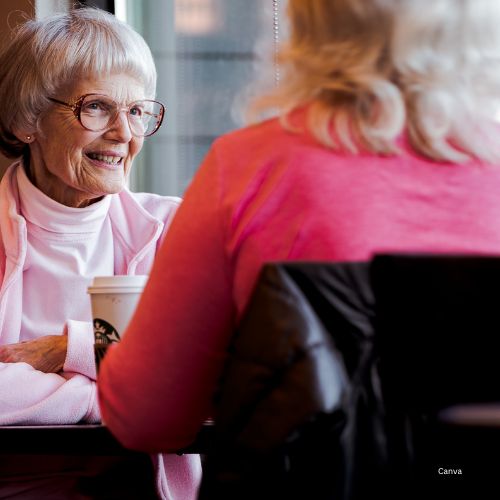
Old age can also bring emotional challenges that affect a person’s overall well-being. Many elderly individuals experience feelings of loneliness, sadness, or anxiety, especially after major life changes such as retirement, the loss of loved ones, or reduced social interaction. These emotional struggles can sometimes make older adults feel isolated or disconnected from the world around them.
Maintaining healthy relationships and social connections can greatly help in overcoming these challenges. Spending time with family members, talking with friends, participating in community activities, or joining social groups can create a sense of belonging and emotional support. When older adults feel valued and connected, their emotional health improves, and they are better able to face the challenges of aging with confidence and positivity.
Financial Challenges
Financial concerns are another challenge that many elderly individuals face. After retirement, income often becomes limited, while expenses related to healthcare, daily living, and unexpected needs may increase. Managing finances on a fixed income can create stress and uncertainty for older adults.
Planning and seeking proper financial guidance can help reduce these difficulties. Budgeting carefully, understanding available assistance programs, and making informed financial decisions can provide greater stability and security. With thoughtful planning and support, elderly individuals can maintain a comfortable and dignified lifestyle during their later years.
There is a growing body of evidence that suggests that psychological and sociological factors have a significant influence on how well individuals age. Aging research has demonstrated a positive correlation of someone’s religious beliefs, social relationships, perceived health, self-efficacy, socioeconomic status, and coping skills, among others, with their ability to age more successfully. [1]
Tips for navigating old age with grace and dignity

“People involved in positive relationships tend to be less affected by everyday problems and have a greater sense of control and independence. Those without relationships often become isolated, ignored, and depressed.”
— Hanson & Carpenter, 1994
Tips for Navigating Old Age With Grace and Dignity
Aging gracefully requires a combination of healthy habits, positive thinking, and meaningful relationships. By making thoughtful lifestyle choices and staying actively engaged with the world, older adults can maintain both their physical and emotional well-being. The following simple practices can help individuals navigate old age with confidence and dignity.
Stay active – Regular physical activity helps maintain strength, flexibility, and overall health. Simple exercises such as walking, stretching, or light yoga can improve mobility, boost mood, and support cognitive function.
Stay connected – Maintaining strong relationships with family and friends helps reduce loneliness and provides emotional support. Social interactions create a sense of belonging and purpose in daily life.
Pursue hobbies and interests – Engaging in hobbies such as reading, gardening, painting, or learning new skills keeps the mind active and brings joy and fulfillment.
Seek support when needed – Older adults should not hesitate to seek help from healthcare professionals, support groups, or community organizations. Accessing available resources can make aging easier and improve overall quality of life.
Healthy Morning Routine for Seniors | Science-Backed Habits That Add Strength, Energy, and Long Life
Conclusion
Old age is a natural and inevitable stage of life that brings both challenges and opportunities. While physical limitations, emotional struggles, and financial concerns may arise, this phase of life also offers wisdom, reflection, and valuable life experiences. With the right mindset and supportive relationships, aging can become a meaningful and fulfilling journey.
By maintaining good health, staying socially connected, and embracing new interests, older adults can continue to live with purpose and dignity. Families and communities also play an important role in ensuring that elderly individuals feel respected, valued, and cared for.
When approached with understanding and compassion, navigating old age becomes not a burden but a privilege that reflects the richness of a life well lived.
Did you find these tips for navigating old age with grace and dignity helpful?
PVM
Sources: [1] [2] National Library Of Medicine
Featured Image by Drazen Zigic on Freepik

Mathukutty P V is a Blogger, YouTuber, and Content Writer and the founder of Simply Life Tips. After taking voluntary retirement in 2017, he embraced a free lifestyle focused on learning, personal growth, and sharing practical wisdom to help others live with more purpose and positivity.