
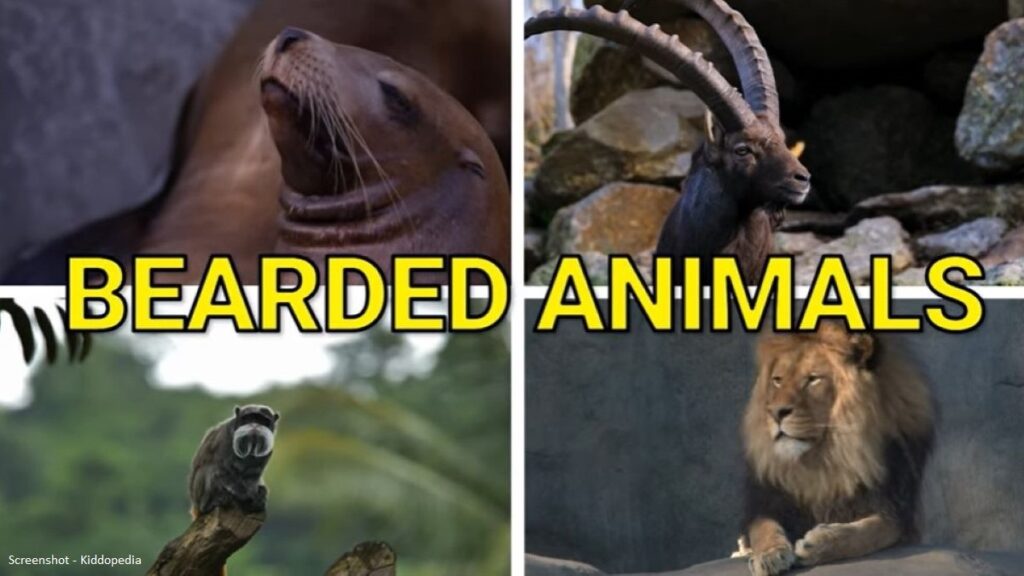
Welcome to the enchanting world of bearded animals! Just like us, these furry creatures sport magnificent beards that are both captivating and unique. From regal lions with flowing manes to playful goats with chin-tickling tufts, beards can be found in various shapes and sizes across the animal kingdom. Join us on a journey through dense forests, arid deserts, and sparkling oceans as we uncover the secrets of these marvellous bearded wonders. Get ready to be amazed by their incredible adaptations and discover the hidden beauty in the whiskered wilderness. Let the adventure begin!
Bearded Animals
Every bearded animal has its own unique “voice.” While some might let out a mighty roar that shakes the ground, others make tiny chirps that sound like a bird, or even “meow” like a kitten! Learning their sounds is the best way to understand how these animals talk to each other in the wild.
In this guide, we are going to explore 22 amazing animals that sport everything from handlebar mustaches to giant shaggy goatees. We’ll learn why they have them, where they live, and most importantly—what they sound like!
Are you ready to start the bearded parade? Let’s go!
The Bactrian Camel: The Two-Humped Desert Superhero!
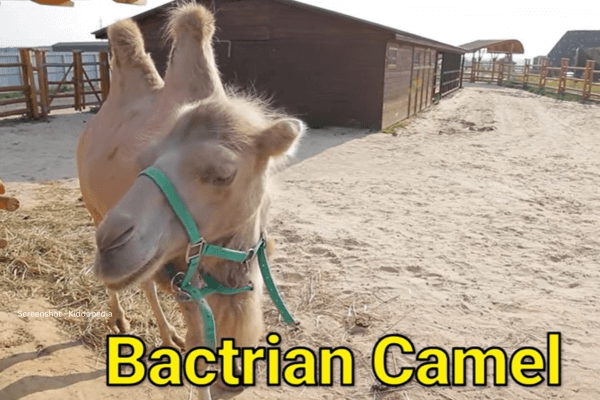
If you were heading into a land of giant dunes and freezing snow, you’d want a Bactrian Camel as your best friend. These aren’t your average camels; they are the “heavy-duty” version built for the toughest places on Earth, like the Gobi Desert in Central Asia.
Why Two Humps are Better Than One!
Most people think a camel’s humps are full of water, but that’s a huge desert myth! * The Fat Bank: Those two humps are actually like giant backpacks filled with fat reserves.
- Energy on the Go: When food is hard to find, the camel’s body turns that fat into energy and water.
- The Saggy Hump: If a camel hasn’t eaten in a long time, its humps will actually go limp and flop over to the side! Once they eat and rest, the humps stand tall and firm again.
Built-in Winter Coats and “Sand-Proof” Gear
The Bactrian camel is a master of disguise when it comes to the seasons.
- The Winter Beard: To survive temperatures as cold as -20°F, they grow a shaggy, thick fur coat and a long, magnificent beard on their necks.
- The Summer Haircut: When the desert gets scorching hot (up to 100°F!), they shed that heavy fur in big clumps so they don’t overheat.
- No Sand Allowed: They have double rows of extra-long eyelashes and nostrils that they can zip shut like a sandwich bag to keep sand out during storms!
The “Iron” Stomach
Bactrian camels are not picky eaters. Their mouths are lined with tough, leathery skin, which means they can munch on thorny desert plants and dry, salty bushes that would hurt other animals. They can even drink “salty” water that most animals would find yucky!
What Does a Camel Say?
They aren’t exactly quiet travelers. If you meet a Bactrian camel, don’t expect a bark or a meow.
- The Sound: They make loud rumbles, groans, and deep bellows.
- The “Gurgle”: When they are excited or trying to show off, the males make a bubbly, gurgling sound that can be quite loud!
Fun Fact: The Super Drinkers!
After a long trip, a thirsty Bactrian camel can gulp down 30 gallons (113 liters) of water in just 13 minutes. That’s like drinking 500 glasses of water in the time it takes to watch a cartoon!
Explorer Challenge: Can you walk like a camel? Camels move both legs on the same side at the same time—this is called “pacing,” and it’s why they sway back and forth like a boat on the ocean!
The Bearded Barbet: The Jungle’s Most Colorful “Old Man”!

If there were a contest for the most stylish bird in the African tropical forests, the Bearded Barbet would definitely win a trophy. This bird looks like it flew through a rainbow and then stopped at a barbershop to get a fancy trim!
Face Full of “Feather-Hair”
Wait, do birds have hair? Not exactly! The “beard” on a Bearded Barbet is actually made of rictal bristles. These are stiff, hair-like feathers that stick out around its beak.
- The Look: Imagine a bright red bird with a giant, thick ivory-colored beak and a bushy black beard right underneath.
- The Purpose: Scientists think these “whiskers” might protect the bird’s eyes while it eats, or help it feel its way around holes in trees—kind of like how a cat uses its whiskers in the dark!
The Fruity Feast
Bearded Barbets love to eat, but they aren’t very messy. They primarily eat fruit (like figs), but they have a cool trick:
- The “Barbet Bag”: Instead of chewing, they swallow fruit whole!
- The Seed Spit: After they digest the yummy fruit part, they spit the seeds back out. This actually helps the forest grow because they “plant” new trees everywhere they go.
What’s That Sound?
You’ll usually hear a Bearded Barbet before you see one. They don’t sing pretty songs like a robin; they are much more rhythmic.
- The Sound: A loud, repetitive “cluck-cluck-cluck” or a deep “took-took-took.”
- The Duet: Sometimes, a mommy and daddy barbet will sing together at the same time, making it sound like one super-loud bird!
Home Sweet Hole
These birds are like the carpenters of the bird world. Using those powerful, thick beaks, they peck holes into dead trees or even termite mounds to make their nests.
- Social Squatters: Sometimes they live in small groups, and the “teenager” birds will stay home for a while to help their parents raise the new baby chicks. Talk about a helpful family!
Fun Fact: The “Grooming” Bird
Even though they have a “beard,” they are very tidy. They spend a lot of time “preening” (that’s bird-speak for brushing hair) to make sure every single bristle on their chin is perfectly in place.
Bird Watcher Tip: Look for them in the trees of tropical Africa. Their bright red bellies are so bright they look like little Christmas ornaments hanging in the green leaves!
Want to see a Barbet in action? Check out the Cornell Lab of Ornithology to hear more amazing bird sounds!
The Bearded Collie: The Bouncing “Beardie” with a Shaggy Smile!
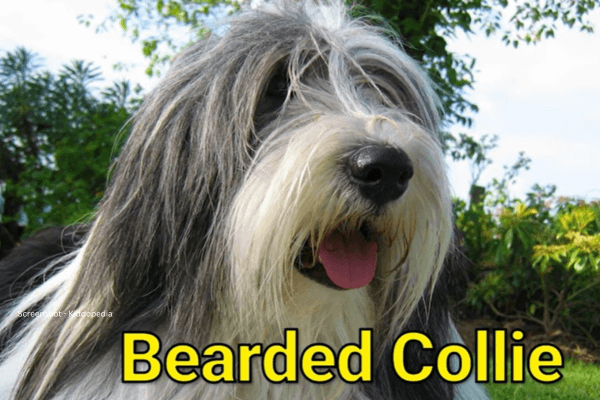
If you saw a giant, happy mop bouncing through a field, you might have just spotted a Bearded Collie! Affectionately known as the “Beardie,” these dogs come from Scotland, where they spent hundreds of years helping farmers herd sheep and cattle through the misty, chilly Highlands.
Why the Name “Bearded”?
Unlike most dogs, the hair on a Bearded Collie’s chin grows long and hangs down, creating a very distinguished mustache and beard. Because their hair is so long and shaggy, it flows and bounces whenever they move. This thick double coat isn’t just for style—it acts like a waterproof raincoat to keep them warm and dry in the drizzly Scottish weather!
What Does a Beardie Say?
Bearded Collies are very “talkative” and love to let you know exactly how they are feeling. They don’t just bark; they have a whole vocabulary of sounds!
- The Sound: A loud, clear, and joyful “Woof!” that they use to say hello or to get a stubborn sheep to move.
- The “Talking” Grumble: When they want a treat or a belly rub, they often make funny muttering or grumbling noises that sound like they are trying to have a real conversation with you!
The Famous “Beardie Bounce.”
One of the funniest things about this dog is how they move. In the tall grass of Scotland, Beardies couldn’t always see the sheep they were supposed to watch. To solve this, they developed a “springy” jump. They leap high into the air—like they have pogo sticks for legs—just to get a better view. This is known worldwide as the Bearded Collie Bounce!
Fun Fact: The Color-Changing Dog! Bearded Collies are like little furry magicians. Most are born with dark fur (like black or brown), but as they get older, their fur often turns a beautiful silver or cream color. It’s like they grow into their “old man” beard!
The Bearded Dragon: The Spiky-Bearded Superhero!
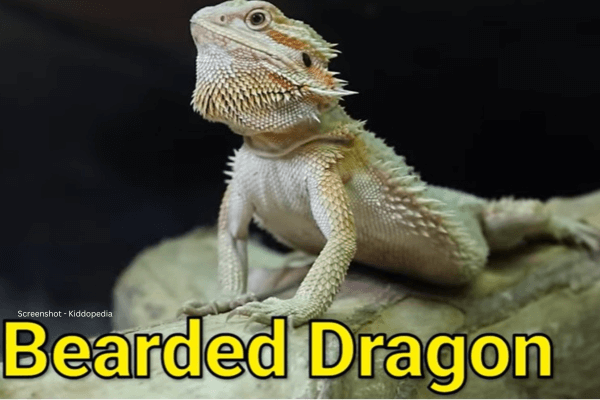
If you want a pet that looks like a tiny, friendly dinosaur, the Bearded Dragon is the animal for you! These lizards come from the sunny deserts of Australia, where they spend their days basking on rocks and hunting for snacks. Their name comes from the special scales under their chin called a “gular pouch.” When they want to look big and tough, they puff this pouch out until it looks like a giant, spiky beard!
A Beard that Changes Color!
One of the coolest things about a Bearded Dragon is that its beard is like a mood ring. When a “beardie” is feeling happy and relaxed, its chin stays flat and matches its body color. But if it gets grumpy, scared, or wants to show off, it puffs that beard out and turns it jet black! This tells other animals, “Hey, look how big and scary I am!”
What Does a Dragon Say?
You won’t hear a roar from this dragon! Bearded dragons are the “silent types” of the animal kingdom. They don’t have vocal cords to bark or meow.
- The Sound: They communicate mostly by hissing if they are very upset.
- The Wave: Instead of making noise, they use “hand signals.” If they want to say “Hello” or “I’m a friend,” they will slowly wave one of their front arms in a circle, just like a human!
A Very Crunchy Diet
Bearded Dragons are omnivores, which means they eat both veggies and meat. Their favorite treats are crunchy crickets, wiggly mealworms, and colorful salads made of kale and squash. They use their long, sticky tongues to zap up bugs faster than you can blink!
💡 Fun Fact: The Solar Power Lizard! Bearded dragons are cold-blooded, which means they can’t make their own body heat. They act like solar panels—they have to sit in the sun (or under a heat lamp) to “charge up” their energy so they can move and eat. If they get too hot, they open their mouths wide in a “gape” to let the heat out, which makes them look like they are laughing!
The Bearded Saki: The Rainforest’s Shaggiest Acrobat!
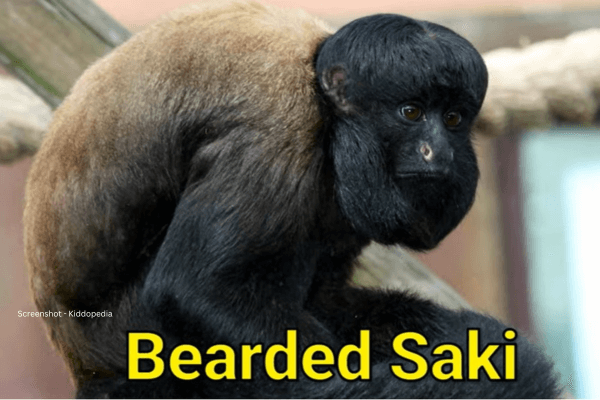
If you were playing hide-and-seek in the rainforests of South America, you might spot a pair of glowing eyes peeking out from behind a massive, bushy beard—that’s the Bearded Saki! These monkeys are the ultimate “beard goals” of the primate world. While most monkeys have thin fur on their faces, the Saki grows a thick, dark beard that wraps all the way around its chin and neck, making its head look like a giant, fuzzy ball. They even have a “parted” hairstyle on top of their heads that looks like they spent all morning at the hair salon!
Life in the Treetops
These monkeys are the ultimate acrobats. They live way up high in the canopy and rarely ever come down to the ground.
- Super Jumpers: They can leap over 30 feet from one tree to another! That’s like jumping across the length of a whole school bus.
- The Tail: They have big, bushy tails that look like a giant feather duster. Even though they can’t use their tail to grab branches, it helps them stay balanced during their huge jumps.
Listen Closely!
You might expect a big monkey with a big beard to have a deep voice, but the Saki is full of surprises.
- The Sound: They make high-pitched chirps, peeps, and whistles. If you closed your eyes, you might think a tropical bird was sitting nearby instead of a monkey!
- The Warning: If they see a hawk or a jaguar, they let out a loud, shrill scream to tell their family to hide.
Fun Fact: Built-in Nutcrackers! Bearded Sakis love to eat seeds and nuts. Their teeth are extra strong—so strong they can bite through shells that are too tough for other monkeys. They are the “tough guys” of the fruit-eating world!
The Bison: The Shaggy Giant of the Plains!
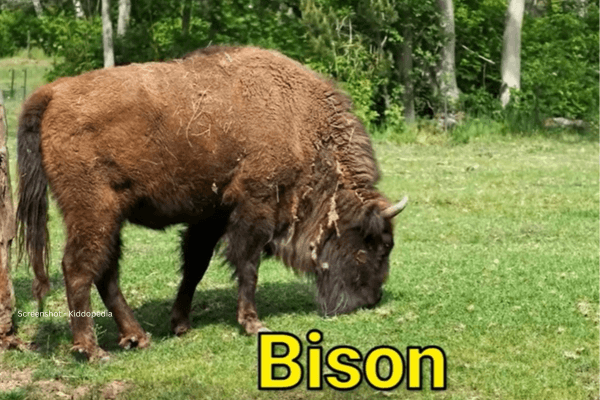
If you were to travel back in time to the grassy plains of North America, you would see millions of these massive, bearded giants roaming around. The Bison (often called a Buffalo) is the heaviest land animal in North America, and it looks like a mountain of fur!
The Winter Goatee
The Bison has a very thick, dark beard that hangs from its chin and throat. This isn’t just for show!
- Snow Shovel: In the winter, Bison use their big heads and bearded necks like snowplows. They swing their heads back and forth to push aside deep snow so they can find the grass underneath to eat.
- Warmth: Their “beard” and the thick cape of fur on their shoulders act like a heavy winter coat, keeping them warm even when the temperature drops way below freezing.
What Does a Bison Say?
A Bison doesn’t moo like a cow. Because they are so big, their voices are very deep and rumbling.
- The Sound: They make low-frequency grunts, snorts, and bellows.
- The Rumble: During the summer, the males (bulls) make a sound so deep you can actually feel it in your chest if you are standing nearby! It sounds like a big engine idling.
The Fast Giant
Don’t let their bulky bodies and shaggy beards fool you—Bison are incredibly fast!
- Speedy: Even though they can weigh as much as a small car (2,000 pounds!), they can run up to 35 miles per hour. That is faster than a professional human sprinter.
- Agility: They are also great swimmers and can jump over fences that are 6 feet tall!
Fun Fact: The Tail “Weather Map” You can tell what a Bison is thinking by looking at its tail! If the tail is hanging down normally, the Bison is relaxed. But if the tail is standing straight up in the air, watch out—that means it’s ready to charge or is feeling very grumpy!
The Bornean Bearded Pig: The Jungle’s Messy Mustache!
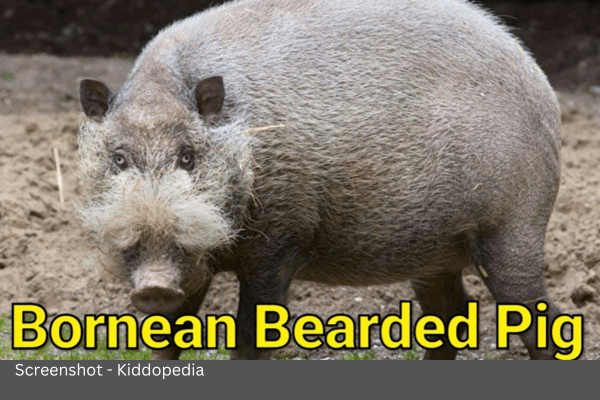
Imagine a pig that looks like it grew a giant, wiry bush across its nose. That is the Bornean Bearded Pig! Living on the tropical islands of Southeast Asia, these pigs are the only ones in the world with such a famous “stache.”
A Snout with a Secret
The “beard” on this pig is made of stiff, yellowish bristles that sprout from its cheeks and snout.
- Mud Protection: Since these pigs spend all day digging in the mud for roots, worms, and fallen fruit, scientists think the beard helps protect their faces from scratches or keeps the mud out of their eyes while they dig.
- Finding Food: They have an amazing sense of smell. They can sniff out a tasty seed buried deep underground through all that facial hair!
Oinks and Snorts
Like most pigs, the Bearded Pig is very noisy when it’s happy.
- The Sound: They make a series of oinks, grunts, and loud squeals.
- The “Harrumph”: When they are searching for food in a group, they constantly grunt to each other to say, “I’m over here, and I found a snack!”
Fun Fact: The Great Migrators. These are the only pigs that go on a giant “road trip” every year! Hundreds of bearded pigs will travel together for miles and miles through the jungle to find their favorite food—the seeds of the Phoebe tree. They are like a marching band of bearded pigs!
The Catfish: The Underwater Whisker-Wonder!

Did you know that some fish have “beards” too? Catfish are named after our favorite feline pets because they have long, wiggly feelers around their mouths that look exactly like cat whiskers. These aren’t actually hair, though—they are called barbs.
Tasting with Their Faces
Since catfish often live in dark or murky water at the bottom of lakes and rivers, they can’t always see where they are going. That’s where the “beard” comes in!
- Super Sensors: Their barbels are covered in tiny taste buds. This means a catfish can taste its food before it even touches it!
- The Navigator: They use their whiskers to “feel” the ground and find hidden snacks like worms and small fish tucked away in the mud. It’s like having fingers and a tongue right on your chin!
The Drummer of the Deep
Believe it or not, catfish are some of the noisiest fish in the water! They don’t have lungs to shout, so they get creative with their bodies.
- The Sound: Many catfish make clicking, croaking, or drumming noises.
- How they do it: They rub their bones together (like rubbing two sticks) or vibrate their “swim bladder”—an air-filled sac inside their body—to make a thumping sound that travels through the water like a drum beat.
A Huge Family
There are over 3,000 different kinds of catfish! Some are tiny enough to fit in a small fish tank, while the giant Mekong Catfish can grow as big as a grizzly bear! No matter the size, they all sport that famous “bearded” look.
Fun Fact: Skin Like a Tongue! Some species of catfish have taste buds all over their bodies, not just on their whiskers. Imagine if you could taste your birthday cake just by sitting on it! That’s exactly how a catfish experiences the world.
The Emperor Tamarin: The Jungle’s Tiny Wizard!
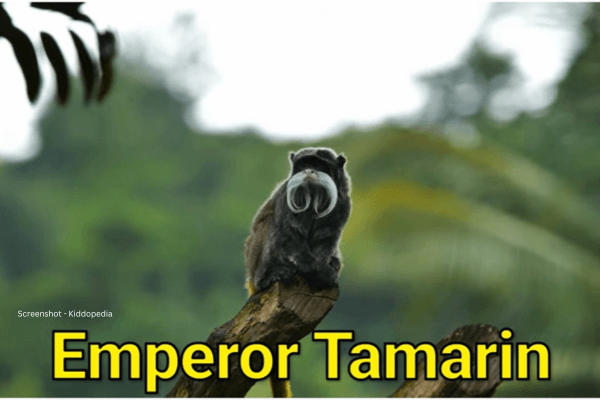
If you were walking through the rainforests of the Amazon and saw a tiny face with a giant, curly white mustache, you haven’t found a tiny magician—you’ve found an Emperor Tamarin! These little monkeys are famous for having the most impressive facial hair in the entire animal kingdom.
The Mustache of Royalty
The Emperor Tamarin is named after a famous German Emperor (Wilhelm II) who had a very fancy mustache. But while the Emperor’s mustache was just for show, the Tamarin’s “beard” is much cooler!
- Snow-White Style: Their long, white mustache hairs hang down way past their chin and curve out to the sides.
- Everyone Joins In: In most animal families, only the dads have beards, but with Emperor Tamarins, the moms and even the tiny babies have big white mustaches too!
What Does a Tiny Wizard Sound Like?
Even though they look like little old men, they don’t have deep voices. They are very energetic and love to talk to their family all day long.
- The Sound: They make high-pitched chirps, whistles, and trills.
- Bird Mimics: Their voices are so high and fast that if you heard one from behind a tree, you would swear you were listening to a songbird instead of a monkey!
The Best Dads in the World
Emperor Tamarins have a very special family rule. When a baby is born, the dad is the one who carries the baby on his back almost all day long! He only hands the baby back to the mom when it’s time for a snack. The dad even helps “groom” the baby’s tiny new mustache to keep it clean.
Fun Fact: The SAP Hunter! These monkeys have a sweet tooth! While they love eating fruit and bugs, they also use their sharp teeth to peck holes in trees to drink the sweet, sticky sap inside. It’s like they have a built-in straw for maple syrup!
The Goat: The Original Bearded Buddy!
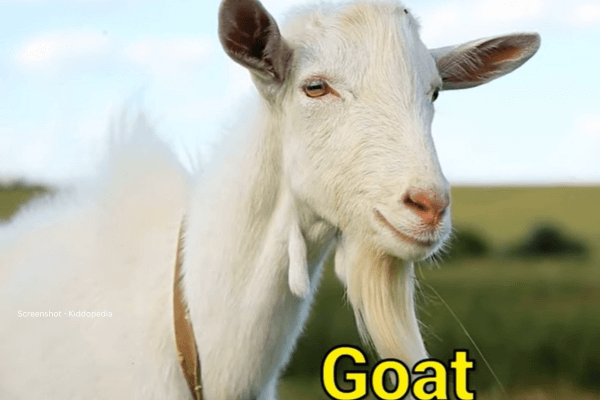
When people think of “beards,” the Goat is usually the first animal that comes to mind. Goats have been friends with humans for thousands of years, and their “goatees” are world-famous!
Why Do Goats Have Beards?
A goat’s beard is made of stiff, coarse hair that grows right from the chin.
- Sensing the World: Scientists think these beards help goats feel things near their mouths while they are grazing on grass and bushes.
- The “Tough” Look: For male goats (called bucks), a bigger beard helps them show off to other goats and lets everyone know they are the leader of the group.
The “Maaaa-velous” Sound
Goats are some of the funniest-sounding animals on the farm.
- The Sound: They make a shaky, vibrating noise called a bleat. It sounds like a loud “Maaaa!”
- Individual Voices: Just like humans have different voices, every goat has its own special bleat. A mommy goat can pick out her baby’s specific “Maaaa!” even in a huge, noisy crowd!
Mountain Superstars
Goats are the ultimate climbers. Their hooves are like high-tech climbing shoes that can grip onto tiny cracks in rocks. Some goats can even climb almost straight up a cliffside or jump to the top of a high wall without even breaking a sweat!
Fun Fact: Rectangular Eyes! If you look closely at a goat’s eye, their pupils aren’t round like ours—they are rectangles! This gives them “panoramic vision,” which means they can see almost all the way around their heads to watch for sneaky predators like wolves while they are busy eating.
The Iberian Lynx: The Wild Cat with “Mutton Chop” Beards!

If you were trekking through the sunny forests of Spain or Portugal, you might be lucky enough to spot the world’s rarest cat—the Iberian Lynx. This beautiful feline looks like a small tiger mixed with a house cat, but it has one very special fashion accessory: a thick pair of “mutton chop” whiskers that look like a pointed beard!
The Beard That Helps Them Hear
The Iberian Lynx has long, black-tipped tufts of hair on its ears and a shaggy “beard” that grows from its cheeks down past its chin.
- The Sound Collector: These facial hairs aren’t just for looking cool! Scientists believe the long beard hairs help the lynx pick up tiny vibrations and sounds in the air.
- The Hunter’s Edge: Because they hunt mostly at night or during the foggy morning, their “beard” acts like a satellite dish, helping them hear a rabbit rustling in the grass from far away.
What Does a Rare Cat Say?
The Iberian Lynx doesn’t roar like a lion. Instead, it sounds a lot like a very loud version of a pet cat you might have at home.
- The Sound: They make mews, yips, and high-pitched yowls.
- The “Spit”: If they are feeling grumpy or want to defend their territory, they make a loud hissing or spitting sound to tell others to stay away!
The Rabbit Expert
The Iberian Lynx is a very picky eater. In fact, almost 90% of its diet is made of wild rabbits! Because they rely so much on rabbits, these cats are excellent jumpers and sprinters. They can sit perfectly still for hours, hidden by their spotted fur, and then pounce on a rabbit in the blink of an eye.
A Success Story
A few years ago, the Iberian Lynx was almost extinct (which means they almost disappeared forever). But thanks to amazing scientists and animal lovers, their numbers are growing again! They are moving back into their forest homes, sporting their famous beards and tufted ears once more.
Fun Fact: The Ear Antennas! Those long black tufts on top of their ears are called tassels. Just like their beards, these tassels help the lynx pinpoint exactly where a sound is coming from. If you cut them off (don’t worry, nobody does!), the lynx wouldn’t be able to hear nearly as well!
To learn more about how people are saving these cats, visit the World Wildlife Fund.
The Inca Tern: The Bird with the Handlebar Mustache!
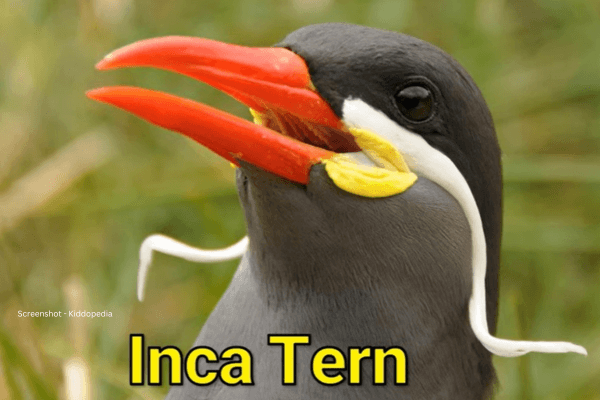
If there were a “Best Facial Hair” award in the bird world, the Inca Tern would win the gold medal every single time. Found along the rocky coasts of Peru and Chile, these seabirds look like they are dressed up for a very fancy party!
The World’s Best Mustache
While most birds have simple feathers, the Inca Tern grows two long, elegant white plumes that curl back from its beak.
- The Style: These feathers look exactly like a white handlebar mustache.
- The “Health” Sign: The longer and curlier the mustache is, the healthier the bird is! A big, bright mustache tells other terns that this bird is a great fisher and would make a wonderful partner.
- Colorful Accents: To make their white mustache pop, they have bright yellow skin at the corners of their mouths and a striking red beak and feet.
What Does a Mustache-Bird Say?
You might expect a bird that looks this fancy to have a beautiful song, but the Inca Tern has a very funny surprise for anyone listening.
- The Sound: They make a noise that sounds exactly like a kitten meowing!
- The Chorus: When hundreds of these birds hang out together on the cliffs, it sounds like a giant “mewing” cat convention.
The Master Diver
Inca Terns don’t just sit around looking pretty. They are incredible hunters that catch fish from the cold ocean waters.
- The Dive: They hover high in the air, spotting a fish, and then “dive-bomb” into the water to snatch it up.
- The “Thief” Warning: They often follow fishing boats or even sea lions and whales, hoping to grab the scraps of fish that get left behind!
Fun Fact: Rock Star Homes! Instead of building nests out of sticks in trees, Inca Terns look for “pre-made” homes. They find cracks in high cliffs, hollow burrows in the ground, or even old nests left behind by penguins! They love having a sturdy roof over their heads.
The Japanese Serow: The “Goat-Antelope” of the Forest
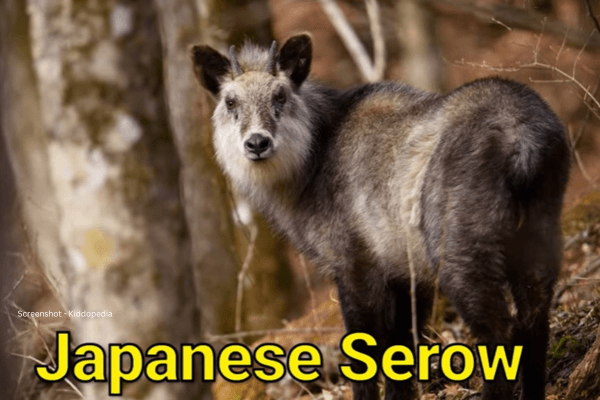
Deep in the misty, forested mountains of Japan lives a mysterious animal called the Japanese Serow. This animal is so unique that people call it a “goat-antelope” because it looks like a mix of both!
The Fluffy Ruff
The Japanese Serow is covered in thick, shaggy fur that protects it from the deep mountain snow.
- The White Beard: They have a beautiful “ruff” of long, white-and-grey hair that grows all around their neck and chin. It looks like a fluffy white beard that makes them blend in with the snowy trees.
- Camouflage: Their salt-and-pepper colored fur helps them hide among the rocks and shadows of the forest so predators can’t find them.
The Shy Whistler
Japanese Serows are very quiet and like to be alone. You have to be very still to hear one.
- The Sound: They make a very high-pitched whistle or a loud snort if they are startled.
- The Warning: When they sense danger, they might “thump” the ground with their hooves to warn other animals nearby.
Fun Fact: The National Treasure The Japanese Serow is so special that it is considered a National Symbol of Japan. For a long time, they were very rare, but the people of Japan worked hard to protect their forest homes so these “bearded” mountain dwellers could stay safe!
The Lion: The Golden King with the Giant Beard!
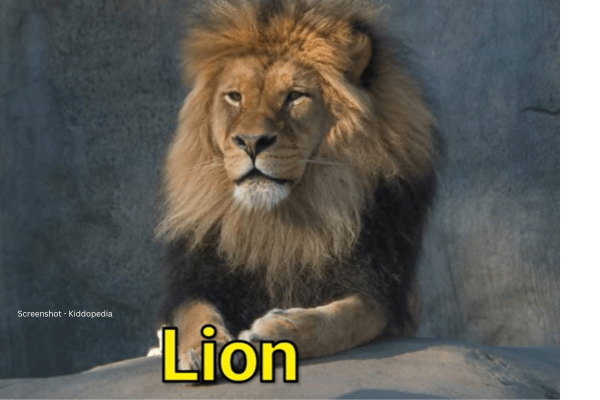
The most famous “beard” in the entire world belongs to the King of the Jungle! A male lion’s mane is actually a giant, glorious beard that grows all around his head, neck, and chest. It is the ultimate symbol of power and strength in the African savanna.
A Shield Made of Hair
The mane isn’t just for looking cool. When lions protect their families from rivals, their thick beards act like a shield or armor. It’s hard for another animal to bite a lion’s neck when it’s covered in all that thick, golden hair!
- Darker is Stronger: Usually, the darker a lion’s mane is, the older and healthier the lion is. A dark mane tells everyone else, “I am the boss of this territory!”
- The “Lady” Rule: Female lions (lionesses) don’t have manes. This helps them stay camouflaged in the tall, yellow grass while they go hunting for the pride.
The Earth-Shaking Sound
Lions are the loudmouths of the bearded world. They have a special bone in their throat that helps them make the loudest noise of any big cat.
- The Sound: A mighty ROAR.
- The Megaphone: A lion’s roar is so powerful it can be heard 5 miles (8 kilometers) away! That’s like standing at your school and hearing a lion roar all the way from the other side of town.
The Sleepy King
Even though they are big and tough, lions are actually giant “cat-nappers.” They can sleep for up to 20 hours a day! They save all their energy for when the sun goes down, and it’s time to protect their pride or find a meal.
Fun Fact: The Pride’s Security Guard. While the lionesses do most of the hunting, the bearded males are the “security guards.” They patrol the borders of their home and use their massive roars to warn intruders to stay away.
The Markhor: The King of the Cliffs
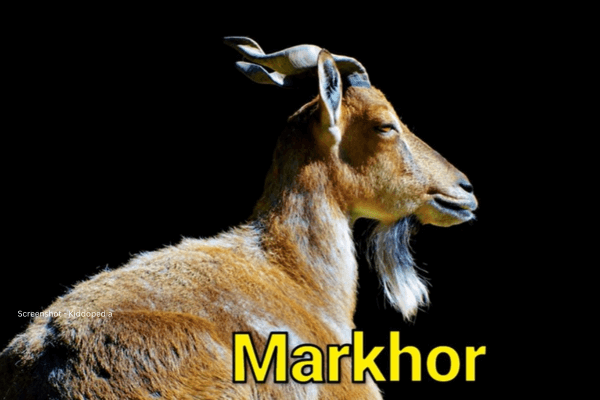
If you look up at the highest, steepest mountains in Pakistan, you might see an animal with horns that look like giant corkscrews. This is the Markhor, a wild goat that has one of the most impressive beards in nature!
The Shaggy Neck-Warmer
Markhor males grow a very long, shaggy beard that starts at their chin and flows all the way down their neck and chest.
- Winter Gear: In the freezing mountain air, this long hair acts like a warm scarf.
- Looking Big: When another Markhor comes near, the male stands tall, and his long beard makes him look twice as big and scary!
The Mountain Whistler
Markhors have to be careful of predators like snow leopards, so they have a special way of talking.
- The Sound: They make a loud whistling noise to warn others that a predator is nearby.
- The Grunt: When they are just hanging out with their friends, they make low grunting sounds.
Fun Fact: The “Snake-Eater”? The name Markhor actually means “Snake-Eater” in the Persian language. But don’t worry—they don’t actually eat snakes! They prefer to munch on grass and leaves. The name probably comes from their amazing horns, which look like twisting snakes.
The Nubian Ibex: The Bearded Acrobat of the Desert!

If you ever find yourself in the rocky deserts of the Middle East or North Africa, look way up! High on the steepest, sunniest cliffs lives the Nubian Ibex. These incredible wild goats are like the mountain climbers of the animal kingdom, and they do it all while sporting a very stylish beard.
The “Wise Old Man” Look
The male Nubian Ibex is famous for his long, dark beard that hangs from his chin.
- The Style: It is a thin, elegant beard that makes the Ibex look like a wise king of the mountains.
- The Horns: To match their beards, they have giant, backwards-curving horns that can grow to be 4 feet long! These horns have ridges on them that help the Ibex defend himself or show off to his friends.
What Does a Mountain King Say?
Nubian Ibexes are usually very quiet, so they don’t attract the attention of hungry leopards or eagles.
- The Sound: If they get startled, they make a sharp, high-pitched whistle to warn the rest of the herd.
- The Bleat: Like other goats, the babies (kids) will make a cute “Maaaa!” sound to call for their moms.
Gravity-Defying Hooves
How do they stay on those tiny cliff edges? Their hooves are like magic!
- The Grip: The bottom of their hooves is soft and “rubbery,” which acts like a suction cup to grip smooth rocks.
- The Edge: The outside of their hooves is hard and sharp, allowing them to dig into tiny cracks. They can jump and run across cliffs that are so steep a human would need ropes and a harness just to stand there!
Sunscreen for Goats
The desert gets very hot, but the Nubian Ibex has a trick. Their shiny, light-colored coats reflect the sunlight to keep them cool. During the hottest part of the day, they hide in the shade of giant rocks or caves, only coming out to eat tasty desert plants when it gets a little cooler.
Fun Fact: The Water Detective Nubian Ibexes can go a long time without a drink of water. They get most of the moisture they need just by eating juicy desert plants. But when they are really thirsty, they are experts at finding “hidden” water holes tucked away in deep, shady canyons!
The Nyala: The Antelope with the Shaggy Fringe!
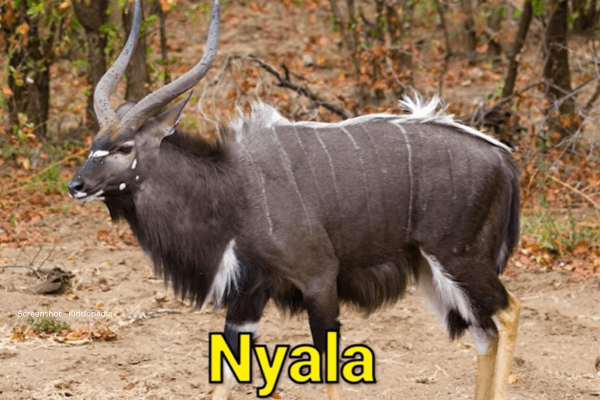
Deep in the thickets of Southern Africa lives a shy and beautiful antelope called the Nyala. While most antelopes have short, smooth fur, the male Nyala looks like he’s wearing a shaggy costume!
The “Under-Beard”
The male Nyala has a very unique kind of beard. Instead of just being on his chin, he has a long “fringe” of dark hair that runs all the way from his throat, down his chest, and under his belly.
- The Mane: He also has a crest of hair running down his spine. When he gets excited or wants to look big, he can make all that hair stand up at once!
- Yellow Socks: To make his dark beard look even cooler, he has bright yellow-orange fur on his legs that looks like he’s wearing colorful socks.
The Barking Alarm
Nyalas are very good at hiding in the bushes, but if they see a predator, they aren’t shy about making noise.
- The Sound: They let out a deep, loud bark, which sounds surprisingly like a big dog!
- The Message: This bark tells the leopard or lion, “I see you!” and warns all the other Nyalas in the forest to run for cover.
Fun Fact: The Master of Disguise Female Nyalas look completely different—they are bright orange with white stripes, and they don’t have beards! The males use their dark, shaggy beards to blend into the shadows of the thick trees, while the females blend into the sun-dappled leaves.
The Orangutan: The Orange Giant of the Treetops!
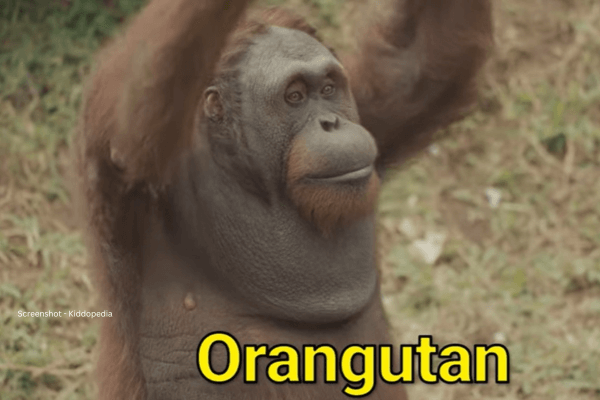
Deep in the rainforests of Borneo and Sumatra lives the “Person of the Forest”—the Orangutan. These are the only great apes found outside of Africa, and they are famous for their beautiful, shaggy orange hair and very wise faces.
The Magnificent Orange Beard
While young orangutans have smooth faces, the big “king” males grow incredible facial hair as they get older.
- The Shaggy Chin: Adult males grow long, orange beards and mustaches that can be quite thick and shaggy.
- The Cheek Pads: To go along with their beards, some males grow giant “flanges” (big cheek pads) that make their faces look wide and flat. This makes them look very impressive to other orangutans!
- The Raincoat: Their long, shaggy hair isn’t just for style—it helps rain slide right off their bodies so they stay dry in the tropical downpours.
The “Long Call”
Orangutans are usually quiet thinkers, but when a big male wants to let everyone know where he is, he makes a sound that shakes the trees.
- The Sound: It’s called the “Long Call.” It starts as a series of low grunts and builds up into a loud, pulsing roar that sounds like a mix between a lion and a giant bird.
- The Distance: This call is so loud it can be heard through the thick jungle for over one mile!
- The Kiss-Squeak: If an orangutan is annoyed, it might make a “kiss-squeak” sound by pursing its lips and sucking in air—it sounds exactly like a loud, squeaky smooch!
The Master Builders
Orangutans are the best “architects” in the jungle. Every single night, they build a brand-new bed (called a nest) high up in the trees.
- Cozy Construction: They bend and weave branches together to make a strong platform and then add soft leaves on top for a pillow.
- The Umbrella: If it’s raining, they will even pick giant broad leaves and hold them over their heads like an umbrella while they sleep!
The Forest Genius
Orangutans are incredibly smart. They use tools, like sticks to poke into holes for honey or leaves to use as gloves when touching prickly fruit. They have amazing memories and can remember where a specific fruit tree is in the jungle even years after they last visited it.
Fun Fact: Extra Long Arms! An orangutan’s arms are much longer than its legs. In fact, when they stand up, their hands almost touch their ankles! Their arms are so strong that they can hang from a branch with just one hand for hours without getting tired.
The Red River Hog: The Most Colorful Pig in the Forest!
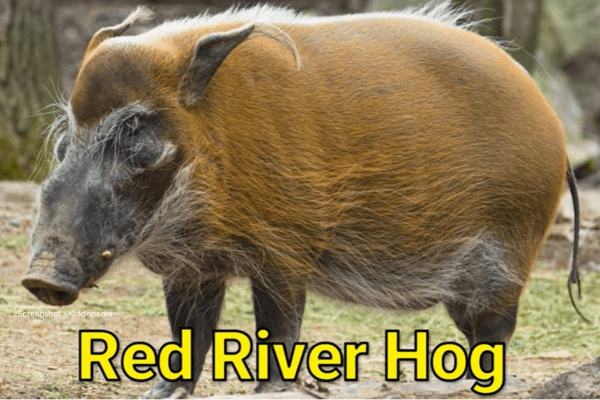
If you were to paint a pig to make it look like a superhero, you would get the Red River Hog. Found in the forests and swamps of Africa, these are the most brightly colored pigs in the world!
The White Whisker Fringe
The Red River Hog has a very fancy face.
- The Sideburns: They have long, white whiskers that grow along their jawline and cheeks, looking like a pair of snowy-white sideburns.
- The Ear Tassels: To match their “beard,” they have long, thin tufts of white hair hanging from the tips of their ears.
- The Stripe: They have a bright white stripe running down their backs and white circles around their eyes, making them look very flashy against their bright orange-red fur.
Snorts and Squeals
Like their cousins, these hogs love to talk while they dig in the dirt.
- The Sound: They make a variety of grunts, snorts, and chirping squeals.
- The Alarm: If they sense a leopard nearby, they make a loud, sharp bark to tell the rest of the group to run into the thick bushes.
Fun Fact: Jungle Swimmers Red River Hogs aren’t afraid of a little water. They are excellent swimmers and will often dive into rivers and lakes to find tasty water plants to munch on!
The Seal: The Ocean’s Whiskered Acrobat!
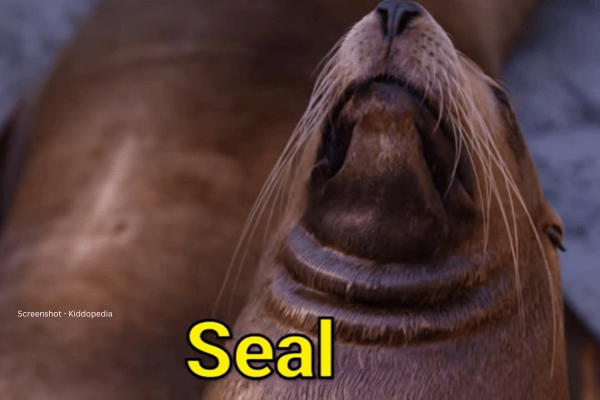
Seals are the playful puppies of the sea! Whether they are lounging on a giant ice cube or zooming through the freezing ocean, they always look like they are wearing a very stiff, pointy mustache. These “whiskers” are actually a seal’s most important tool for survival.
The Super-Powered Beard
A seal’s beard is made of thick, sensitive hairs called vibrissae. They might look like regular hair, but they are more like high-tech sensors!
- Seeing with Their Face: In the deep, dark ocean where it’s hard to see, seals use their whiskers to “feel” the water.
- The Fish Tracker: When a fish swims nearby, it leaves behind tiny ripples in the water. A seal’s whiskers can detect these vibrations from a long distance, helping them find a snack even if their eyes are closed!
What Does a Seal Say?
Seals are some of the noisiest animals on the coast! Depending on what kind of seal they are, they have a whole library of sounds.
- The Bark: Many seals, like the California Sea Lion, make a loud, honking “Arf! Arf! Arf!” that sounds like a big dog.
- The Growl and Grunt: When they are lounging on the beach with their friends, they make deep grunts, groans, and snorts to tell others, “Hey, move over, you’re on my spot!”
- The Underwater Song: Some seals, like the Weddell Seal, make amazing sounds underwater that sound like space aliens, whistles, and chirps.
Built for the Cold
Seals are experts at staying warm in water that would be too cold for humans.
- Blubber Power: Underneath their skin is a thick layer of fat called blubber. It acts like a giant, cozy sleeping bag that keeps their body heat inside.
- The Fur Coat: They also have a layer of waterproof fur that keeps their skin dry while they dive deep for fish and squid.
Fun Fact: The “Banana” Pose When seals are happy and relaxing on a rock, they often lift their head and their tail at the same time, making their body look like a giant, fuzzy banana! This helps keep their flippers dry and warm.
The Tiger: The Big Cat with White “Mutton Chops”
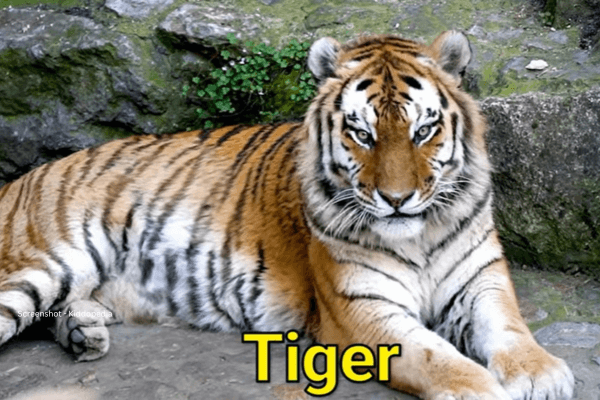
Tigers are the largest cats in the world, and if you look closely at their majestic faces, you’ll see they have a very special kind of “beard” made of long, white fur that flares out from their cheeks.
The Cheek Ruff
This white fur is called a “ruff,” and it looks like a pair of old-fashioned sideburns or “mutton chops.”
- Looking Fierce: The ruff makes a tiger’s head look much bigger and more intimidating to other animals.
- Communication: When a tiger is angry, it pulls its ears back and fluffs out its cheek beard to show it means business!
The “Chuff” and the Roar
Tigers don’t just roar; they have a very friendly way of saying hello!
- The “Chuff”: When a tiger wants to be friendly to its cubs or a mate, it makes a sound called a Prusten or a “chuff.” It’s a soft, breathy snort that sounds like a happy “pffft-pffft.”
- The Roar: When they want to be heard, they let out a ROAR that is so deep and loud it can paralyze other animals with fear!
Fun Fact: No Two Stripes are Alike! Just like your fingerprints are unique to you, every tiger has a unique pattern of stripes. Even the skin underneath their fur has the same stripe pattern! If a tiger got a haircut, you would still see its stripes.
The Walrus: The Giant with a 700-Bristle Mustache!
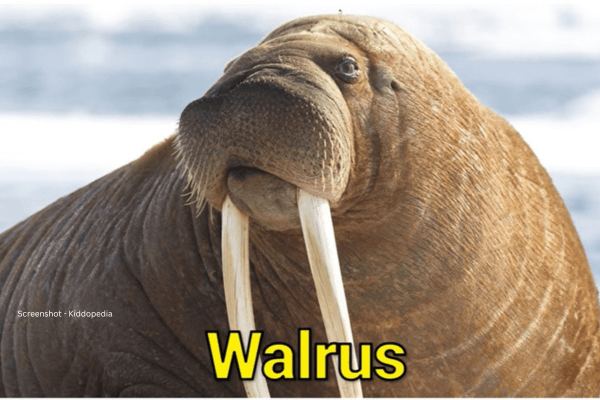
If you traveled to the freezing, icy waters of the Arctic, you’d meet one of the most incredible bearded giants on the planet: the Walrus. These massive animals look like giant, wrinkled potatoes with long tusks and a very thick, bushy mustache!
The World’s Most Sensitive Beard
A walrus doesn’t just have a few whiskers—it has between 400 and 700 stiff bristles called vibrissae.
- The Magic Mustache: The water at the bottom of the ocean is very dark and muddy. The walrus uses its mustache like “face-fingers” to feel around in the mud for its favorite food, like clams and snails.
- Super Sensors: These whiskers are so sensitive that a walrus can tell the difference between a small pebble and a yummy clam just by touching it with its mustache!
The “Orchestra” of the Ice
Walruses are some of the loudest and funniest-sounding animals in the world. They have special air sacs in their necks that act like built-in speakers.
- The Bell Sound: Male walruses can make a loud “clink” noise that sounds exactly like a metal bell ringing underwater!
- The Percussion: They also make loud knocks, taps, and clicks to talk to their friends.
- The Grunt: On top of the ice, they are very noisy breathers, making loud snorts, bellows, and grunts.
Tusks: The “Tooth-Walking” Tools
The most famous part of a walrus (besides the beard!) is its long ivory tusks.
- The Ice Pick: Walruses use their tusks to poke breathing holes in the ice or to pull their heavy bodies out of the water. Their scientific name actually means “tooth-walker”!
- The Defense: They also use their tusks to protect themselves from polar bears or to show other walruses who the boss is.
Fun Fact: The Pink Sunburn? When a walrus stays out in the sun for a long time, its skin turns bright pink! This isn’t actually a sunburn; it’s because the blood is rushing to the surface of their skin to help them cool down. When they jump back into the freezing water, they turn a pale, dusty brown again.
Fun Facts About Sea Animals For Kids
Conclusion
From the snowy mountain peaks where the Markhor climbs to the muddy river bottoms where the Catfish prowls, beards are everywhere in nature! As we’ve learned, these animals don’t just grow facial hair to look cool. Whether it’s the Walrus using its whiskers to find a snack, the Lion using its mane for protection, or the Bearded Dragon turning its chin black to say “stay away,” every beard has a special job to do.
The next time you’re at the zoo or exploring the great outdoors, keep your eyes peeled for these fuzzy, spiky, and shaggy features. Every animal has a story to tell—and sometimes, that story is written right on their chin!
Recommended for further reading
- Top 10 Slowest Animals In The World For Kids’ Learning
- Animals With Big Eyes And Their Sounds For Kids’ Learning
- Animals With Big Ears | Names And Sounds Of Big Ears Animals
- A Guide To Scary And Spooky Animals For Kids Learning
- Vertebrate Animals For Kids Learning
- Baby Animals Names | Fun Facts About Baby Animals For Kids
- National Flags And National Animals Of 68 Countries
Learn More About These Animals!
San Diego Zoo Kids – A fantastic resource that includes stories, videos, and sounds for unique animals like the Emperor Tamarin, Bearded Dragon, and Okapi (a cousin of some of our bearded forest friends).
National Geographic Kids: Animal Encyclopedia – This is the gold standard for kids! It has incredible photos and “Fast Facts” about many of the animals on our list, like the Lion, Tiger, and Walrus.
If this resonated with you, share it with someone who needs it.
PVMG

Mathukutty P V is a Blogger, YouTuber, and Content Writer and the founder of Simply Life Tips. After taking voluntary retirement in 2017, he embraced a free lifestyle focused on learning, personal growth, and sharing practical wisdom to help others live with more purpose and positivity.



